13 Easy Ways to Save Electricity at Home Starting Today
- Why Saving Electricity Matters More Than Ever
- Start With Quick Wins That Lower Energy Use Immediately
- Optimize Heating and Cooling for Major Savings
- Use Appliances More Efficiently Every Day
- Make Smarter Energy Choices With Portable Power and Storage
- Track Your Energy Use to Find More Savings
- Frequently Asked Questions
- Smarter Energy Use Helps Homes Save More Every Day
Many people believe that to save energy at home, you need to make large, sweeping changes that completely alter your life and routine. But the truth is, there are several small and easy things you can do to start saving electricity immediately.
This guide goes over some of the simplest ways to cut your electricity bill, why it’s important to do so, and how portable power can help.
Why Saving Electricity Matters More Than Ever
Saving energy matters today more than ever before. Energy costs are rising in many parts of the world, so cutting back has the potential to save you plenty of money every month.
There’s also no better time than now to try to combat climate change and help the environment by reducing your carbon footprint, especially by transitioning toward clean electricity at home.
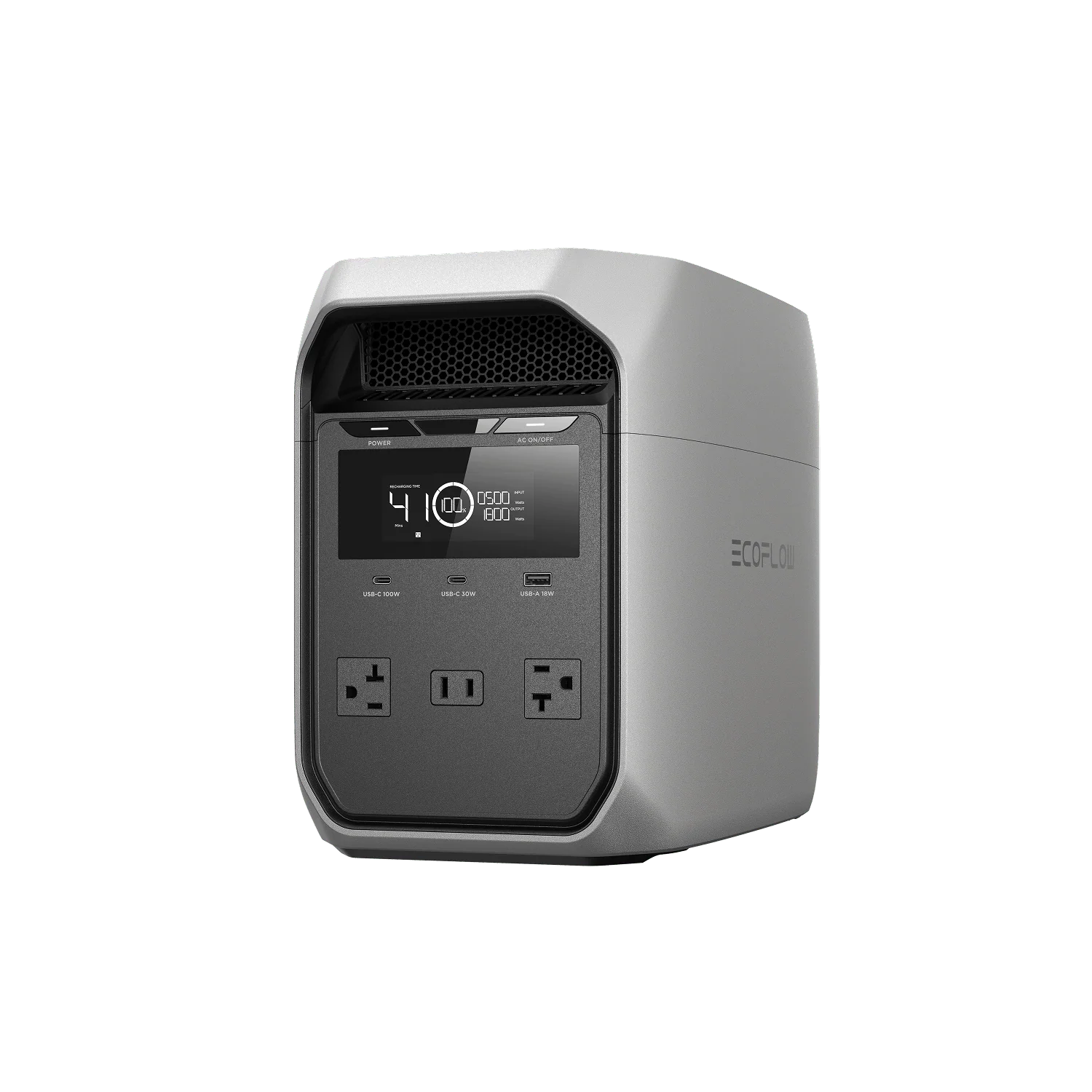
Reducing your usage helps to reduce stress on the grid, too, which can improve stability and minimize the chances of outages and blackouts. For added resilience, compact systems like the EcoFlow DELTA 3 Classic Portable Power Station can help keep essential devices powered during unexpected disruptions.
Start With Quick Wins That Lower Energy Use Immediately
Turn Off Lights and Devices When Not in Use
When you leave a room, get in the habit of turning off the lights. Even if you’re just leaving for a minute, things can change, and you could end up leaving a light on for hours without even thinking about it.
Similarly, turn off your TV or computer when you’re not using them.
Switch to LED Lighting
LED bulbs use much less energy than traditional bulbs, so consider switching out all the lights in your home to LEDs.
Even if your usage doesn’t change, you’re still using dramatically less energy than you were with the more power-hungry bulbs simply by spending a few minutes changing them out.
Unplug Devices That Draw Standby Power
When you turn devices off, they may still draw phantom power. As a result, consider fully unplugging devices when not in use, to ensure they’re truly wasting no energy at all.
Optimize Heating and Cooling for Major Savings
Adjust Your Thermostat Strategically
Be more intentional with your thermostat, as opposed to just having the same program run every day or constantly messing with the temperature. It has the potential to save plenty of power.
For example, a few common strategies for smarter thermostat usage include:
Keeping the temperature lower at night during the winter (or higher, during the summer)
Avoiding extreme settings
Turning off the air conditioner on a breezy day in the summer and letting the wind cool down the home
Use Fans to Support Air Circulation
If certain parts of your home get plenty of cool air when you run your air conditioner, but others don’t, the solution isn’t to turn the temperature even lower to hope the cool air reaches everywhere.
Instead, use fans strategically to move the air throughout your home, without overworking your HVAC system.
Seal Drafts Around Windows and Doors
Simply sealing up drafts around windows or doors can go a long way in cutting your energy usage.
These drafts let warm air in during the summer (and cold air in during the winter), which forces your air conditioner or furnace to work even harder to keep the temperature consistent in your home.
Use Appliances More Efficiently Every Day
Run Full Loads in Dishwashers and Washing Machines
Many people are guilty of running the washer or dishwasher when it’s half full. However, this seemingly innocent decision wastes plenty of water and power.
Try to hold off until they’re all the way full before running them.
Wash Clothes in Cold Water When Possible
To save energy, consider washing your clothes in cold water, as heating the water uses plenty of power. In many cases, your clothing will come out just as clean, and washing in cold water is also normally gentler on clothes, as well.
Air Dry When You Can
If possible, consider hanging your clothes on drying racks or outside on a clothesline. Sure, it may not dry them as quickly as in the dryer, but these methods use no energy, compared to a dryer, which is a very power-hungry appliance in most cases.
Make Smarter Energy Choices With Portable Power and Storage
Store Energy for Use When You Need It Most
You can also store energy for when you need it most, such as during peak demand periods or prolonged outages. This is often done by charging portable power banks, backup power stations, or other energy storage devices or platforms.
Use Battery Power for Essential Devices
If possible, consider using battery power for essential devices when possible. This keeps them running even if the power blips or completely turns off.
Relying on the grid for essentials may be risky, as you never know when it could stop working due to an outage.
Use the EcoFlow DELTA 3 Classic for Everyday Efficiency
For everyday efficiency, compact portable power stations like the EcoFlow DELTA 3 Classic can help you store and use energy more flexibly around the home. It’s lightweight, easy to move, and designed to support essential devices when and where you need them.
It also operates quietly and works both inside the house and in the yard.
Use the EcoFlow DELTA Pro 3 for Home Energy Management
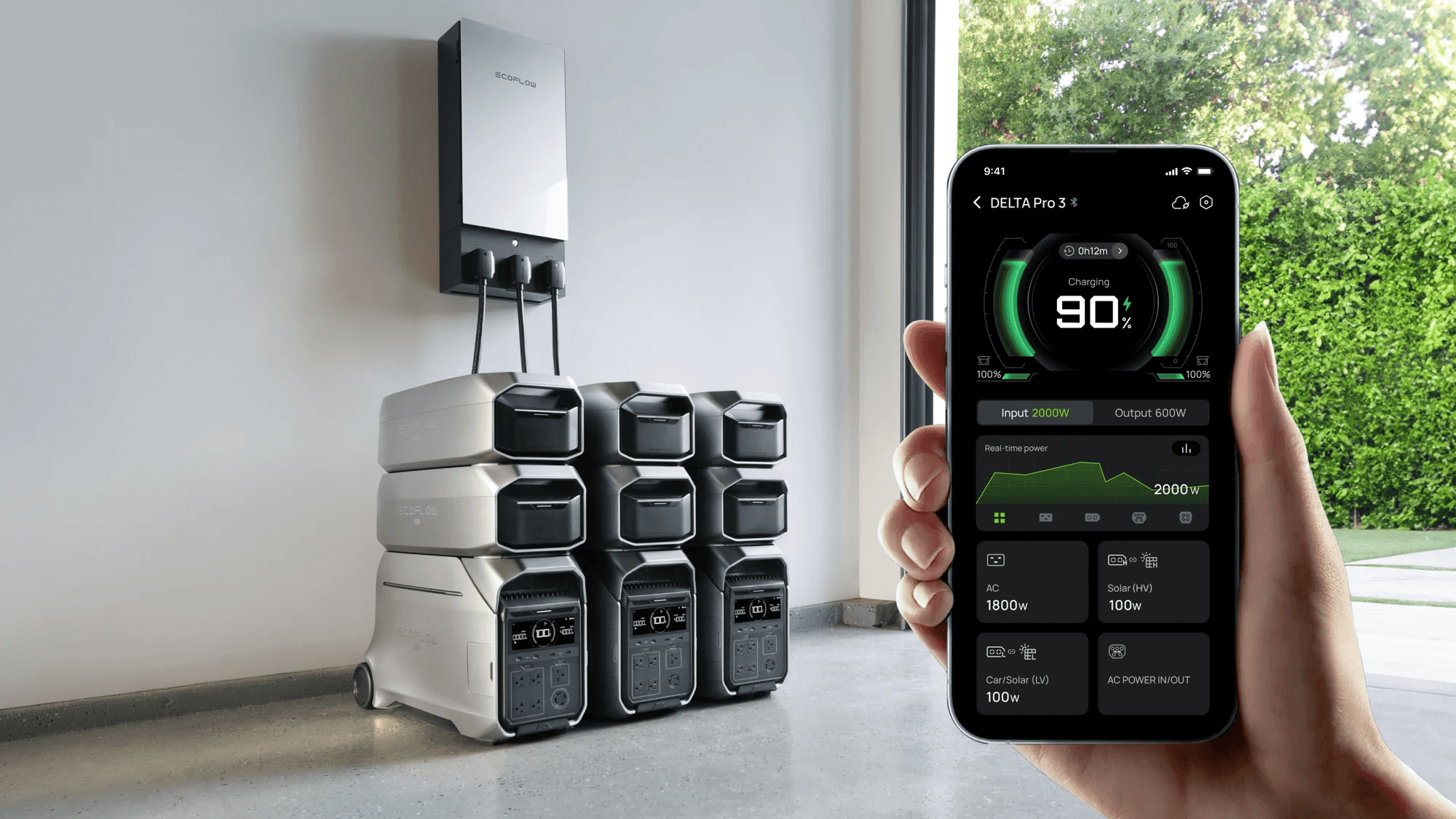
For more advanced home energy management or higher-demand needs, systems, the EcoFlow DELTA Pro 3 Solar Generator (PV400W) offers greater output and expandable capacity to help you maximize solar generation and charge faster.
You can also pair it with the EcoFlow app to monitor usage, track battery levels, and manage your energy more efficiently — even when you’re away from home.
Track Your Energy Use to Find More Savings
If your goal is to reduce your usage, whether to save as much money as you can or be as eco-friendly as possible, you need to keep track of your usage.
If you’re able to track your usage, you can see where you’re using too much and make the necessary changes.
Also, keeping tabs on your usage can help you identify problem areas or worrying trends that you didn’t even know about.
Frequently Asked Questions
What Is the Easiest Way to Reduce Electricity Use at Home?
The easiest way to reduce electricity usage at home is to switch all of your bulbs to more efficient options like LEDs. Other simple ways to keep usage low include turning off lights when leaving a room, unplugging devices when you’re not using them, and washing clothes in cold water.
Do Small Changes Really Lower Your Electricity Bill?
Yes, even tiny changes can help you keep your electricity bill reasonable. While each action or change may only save a few cents every time, this will add up over the weeks, months, and years.
Can Portable Power Help Reduce Electricity Usage?
Yes, using portable power can help to reduce energy usage, especially if they use solar power to charge. Some portable power solutions even come with screens or apps that give you information about your usage, which helps you identify, monitor, and reduce the use of power-hungry devices or appliances.
What Appliances Use the Most Electricity in a Home?
Some of the appliances that use the most electricity in your home include your washer and dryer, fridge, water heater, HVAC system, lighting fixtures, and dishwasher.
Smarter Energy Use Helps Homes Save More Every Day
By being smarter about your energy usage, you can both reduce your electricity costs and help the planet at the same time.
Whether you start small with switching out light bulbs or dive right into setting up whole-home generators for better efficiency and energy management, any change you make can have a positive impact.
For press requests or interview opportunities, reach out to our media team
media.na@ecoflow.com