Why Your Electricity Bill Spikes in Summer and What You Can Do About It
- Why Summer Electric Bills Rise Even If Your Habits Stay the Same
- Breaking Down Your Summer Electricity Bill: Where the Energy Goes
- How Air Conditioning Drives the Biggest Seasonal Cost Increases
- Understanding Peak Pricing and Time-of-Use Rates in Summer
- Why Your Bill Can Increase Even If Your Usage Doesn’t Change Much
- The Role of Energy Independence in Managing Summer Cost Volatility
- Frequently Asked Questions
- Understanding Your Bill Is the First Step to Lower Costs
Have you noticed your electricity bill spiking in the summer? It’s not your imagination. Summer energy bills are going up and up. So, what’s going on?
Even if your habits stay pretty much the same, hotter temperatures, longer AC cycles, peak pricing, and seasonal changes can send costs climbing. Learn what drives these increases and how you can get ahead of pricey utility bills in the summer.
Why Summer Electric Bills Rise Even If Your Habits Stay the Same
Are you looking at your bill and wondering, “Why is my electricity bill so high?” You can have the same routine in the summer as you did in the winter or spring, and yet your energy bill will be through the roof.
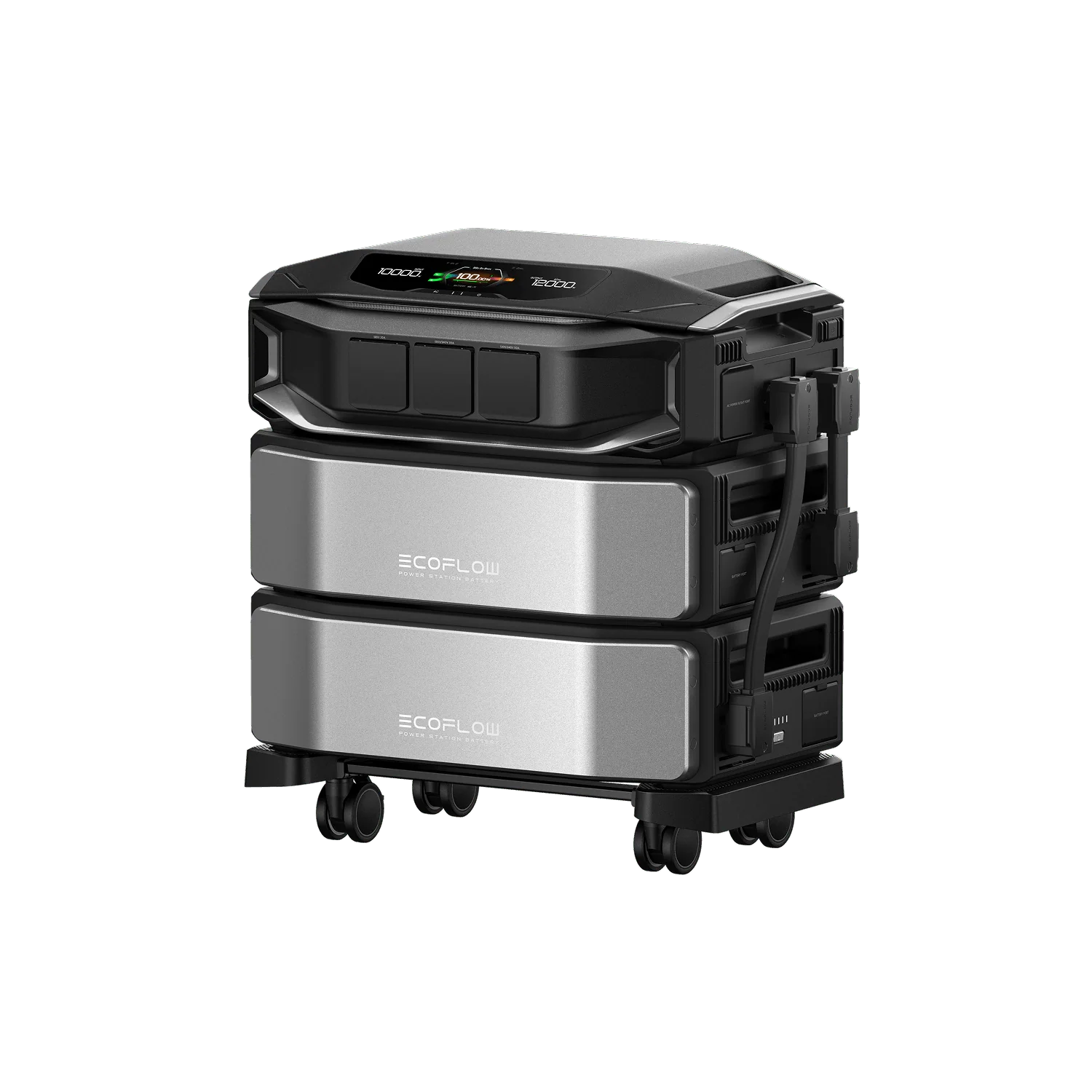
Unless you recently started a crypto mining operation in your basement, one thing usually isn’t responsible for the increase. Stored energy with systems like the EcoFlow DELTA Pro X gives you the option to use electricity during off-peak hours. A combination of factors creates the perfect storm for sky-high bills, including:
Heat waves and higher temperatures: When outdoor temperatures climb into the 90s, your home naturally absorbs more heat. That means your cooling system has to work harder just to maintain the same temperature.
Higher utility rates: Some utility providers use time-of-use (TOU) pricing, meaning electricity rates increase during peak demand hours—usually hot afternoons and evenings when everyone’s blasting the AC at once. So not only are you using more power, but you also pay premium rates for it.
Longer AC runtime: In cooler months, your AC might kick on briefly and shut off. During summer, especially during long stretches of high heat, it may run for hours at a time, or cycle on and off constantly all day.
Breaking Down Your Summer Electricity Bill: Where the Energy Goes
If you want to learn how to save money on your electric bill, you first need to understand where your energy is going. For most homes, the main culprits are:
Cooling loads: Surprise surprise, air conditioning is the biggest reason summer bills spike. Cooling your home takes a lot of energy, especially when outdoor temperatures climb into the triple digits.
Humidity control: Your AC doesn’t just cool the air; it also removes moisture. During humid summer months, your system works harder because it’s trying to make your home feel less sticky and lower the temperature at the same time.
Appliances: Summer heat doesn’t just affect your cooling system. It can also make everyday appliances less efficient. Your refrigerator and freezer, for example, have to work harder to stay cold.
Standby power: Also called phantom energy, standby power comes from devices that you keep plugged in all day, even when you aren’t using them. One device won’t tank your budget, but dozens of always-on electronics add up.
How Air Conditioning Drives the Biggest Seasonal Cost Increases
Air conditioning is the largest driver of summer electricity use, accounting for about 18% of annual household electricity consumption.
The frustrating part is that your AC doesn’t even have to run nonstop for it to make a noticeable dent in your wallet. Air conditioning increases your summer bill for several reasons, including:
Working harder in the heat: Air conditioners don’t magically create cold air. They remove heat from your home, and the hotter it gets outside, the harder they have to work to do that.
Lower thermostat settings: We get it. Nobody wants a 75-degree house (or hotter) when it’s boiling outside. It’s tempting to crank the thermostat way down when you walk into a hot house. But even a few degrees can make a surprisingly big difference in energy use.
Peak demand pricing: Everyone else is running their AC, too, and that leads most utility companies to charge extra for cooling. In areas with time-of-use rates, electricity costs can rise during these peak windows.
Understanding Peak Pricing and Time-of-Use Rates in Summer
Many utility companies charge different electricity prices depending on when you use power, not just how much you use. So two households could use roughly the same amount of electricity but end up with very different bills.
With time-of-use rates, electricity prices are divided into different periods throughout the day:
Peak hours: Highest electricity prices, usually during hot afternoon and evening windows
Mid-peak hours: Moderate pricing periods
Off-peak hours: Lowest electricity costs, often overnight or early morning
The exact schedule depends on your utility provider and location, but summer plans often shift peak pricing later in the day when temperatures are still high.
Some homeowners install options like whole-home generators to pull power from the grid during off-peak hours and run HVAC from the generator during peak hours. You won’t get rich doing this, but you can definitely bring down your summertime electric bill by maximizing your time of use.
Why Your Bill Can Increase Even If Your Usage Doesn’t Change Much
But why is your summer electricity bill so high even if your habits are the same? A few things could be going on, like:
Rate increases: Sometimes your bill rises because you genuinely used more power, usually because your AC ran longer during hotter weather. Other times, your usage stays relatively stable, but your utility provider raises rates or shifts pricing structures during summer months. That means your home may consume roughly the same amount of electricity, but the cost per kilowatt-hour increases.
Seasonal adjustments: Many utility providers adjust rates seasonally to account for increased grid demand during summer. Most don’t announce this in an email beforehand; they just charge you for it.
Your climate: Location plays a big role in summer energy costs. Homes in hotter climates naturally need more cooling.
Fortunately, understanding why your bill changes makes it much easier to control. Once you know whether the issue is higher usage, seasonal pricing, or hidden energy drains, you can save on your summer electric bill with a few small changes.

The Role of Energy Independence in Managing Summer Cost Volatility
Relying on the utility company and grid means you’re also susceptible to fluctuating electricity prices. It’s mostly out of your control. However, you can make some small changes to enjoy more energy independence and pay lower bills in the summertime.
Instead of relying exclusively on grid power during expensive peak-demand windows, battery storage allows households to use stored energy when rates are highest. In areas with time-of-use pricing, this can help reduce exposure to costly afternoon and evening electricity rates.
Frequently Asked Questions
What Causes Summer Electricity Bill Spikes?
It usually isn’t one factor, but multiple things happening at once. Higher outdoor temperatures force your AC to run longer, humidity makes cooling systems work harder, and some utility companies raise rates during high-demand periods. Add in appliances generating extra heat and always-on electronics using power, and costs can climb even if your habits haven’t changed.
How Does On-Peak Pricing Work, and When Is Peak?
On-peak pricing means electricity costs more during hours when demand is highest. In summer, peak hours are typically late afternoon and early evening, when temperatures are highest and air conditioners run nonstop. Exact schedules vary by utility provider, but off-peak electricity is often cheaper overnight or early in the morning.
Can Solar and Battery Storage Reduce Peak Charges?
Absolutely. Solar panels paired with battery storage can help reduce how much electricity you pull from the grid during expensive peak hours. Instead of relying entirely on utility power when rates are highest, you can use that stored energy to power parts of your home, potentially lowering your exposure to peak pricing.
What Quick Steps Cut Summer Energy Use Without Sacrificing Comfort?
You don’t have to suffer through a sweaty summer to lower your bill. A few simple changes can make a noticeable difference:
Raise your thermostat a degree or two
Use ceiling fans to help rooms feel cooler
Replace dirty HVAC filters regularly
Close blinds during the hottest times of the day
Run heat-producing appliances like dryers or dishwashers later in the evening
Unplug devices that draw power when you aren’t using them
Understanding Your Bill Is the First Step to Lower Costs
Summer energy bills might seem mysterious, but there’s a method to the madness. Higher temperatures, longer AC runtime, humidity, seasonal rate changes, peak pricing, and hidden energy drains work together to increase your bill. Once you decipher the reasons behind the spike, you can make different decisions and avoid getting blindsided by summertime bill spikes.
If going off-grid isn’t an option (and it isn’t for most people), you can still enjoy more energy independence with a battery system. See how the EcoFlow DELTA Pro X can reduce your reliance on unpredictable grid pricing.
For press requests or interview opportunities, reach out to our media team
media.na@ecoflow.com