Battery Capacity Explained: mAh, Wh, and What They Mean for Your Devices
- What Is mAh, and What Does It Measure?
- What Is Wh, and How Is It Different from mAh?
- How Do You Convert mAh to Wh?
- Why Doesn't a Higher mAh Always Mean Longer Battery Life?
- How Do mAh and Wh Apply to Different Devices?
- What Other Factors Affect Real-World Battery Runtime?
- How Do You Use mAh and Wh to Compare Devices Fairly?
- Frequently Asked Questions
- Understanding mAh and Wh Helps You Choose the Right Power for Every Device
Battery specs are extremely useful in choosing the right devices for you, but mAh and Wh ratings confuse plenty of shoppers. These two units measure two different things, and knowing the difference helps you compare devices fairly and avoid misleading marketing claims. Learn more about battery capacity and how to compare devices with different ratings.
What Is mAh, and What Does It Measure?
mAh stands for milliampere-hour, a unit of measurement for a battery’s electrical charge capacity, specifically how much current a battery can deliver over an hour.
This rating is the theoretical capacity of a battery at a given voltage. For instance, a 3,000 mAh phone battery can theoretically deliver 3,000 milliamps of current for one hour.
What Is Wh, and How Is It Different from mAh?
Wh stands for watt-hour, a unit of electrical energy used to measure battery capacity. A Wh combines both current and voltage to measure the total energy a battery stores, making it the more reliable number for comparing devices across different voltage levels.
mAh tells you about charge capacity at a specific voltage, while Wh tells you about total stored energy regardless of voltage.
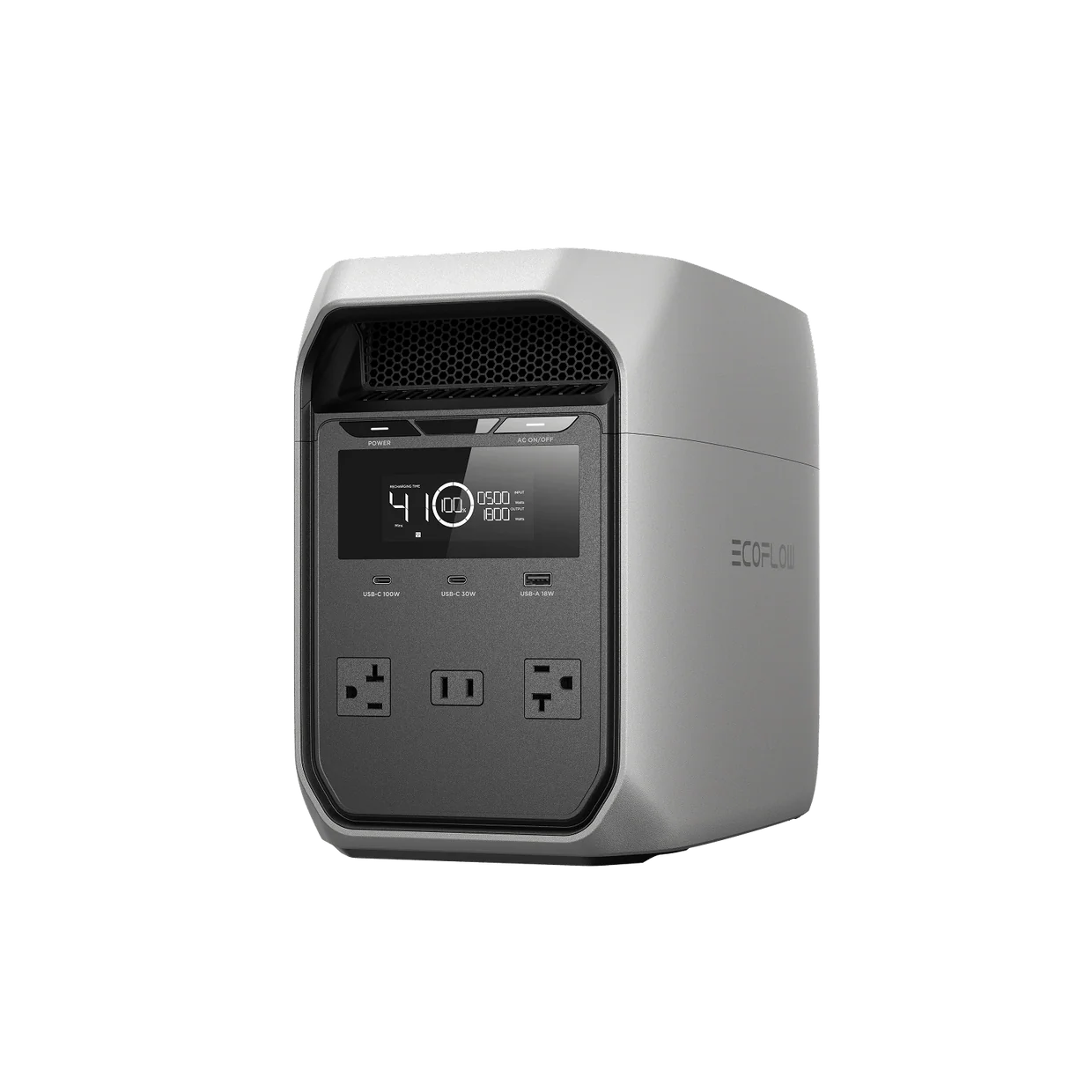
While mAh is still useful in comparing small devices, Wh proves more useful in measuring large power systems, such as an EcoFlow DELTA 3 Classic (1024Wh) portable power station or a whole-home backup power setup.
How Do You Convert mAh to Wh?
To convert between mAh and Wh, you must also account for the battery's voltage and use the following formula:
Wh = (mAh x V) / 1000
For example, a phone battery rated at 3,000 mAh with a 3.7-volt lithium-ion cell converts to about 11.1 Wh (3,000 x 3.7 / 1,000). A 12-volt car battery rated at 50 amp-hours converts to 600 Wh (50,000 x 12 / 1,000). This conversion is useful when comparing devices with different voltages.
Why Doesn't a Higher mAh Always Mean Longer Battery Life?
A higher milliampere-hour doesn’t always mean longer runtime because actual battery life depends on voltage, device power draw, and efficiency, not only capacity. Two power banks, both rated at 20 Ah, can deliver vastly different amounts of usable energy if one operates at a higher voltage or greater efficiency.
Additionally, a device that draws more power will drain even a high-mAh battery more quickly than a low-power device with a smaller cell.
Because of all these factors, comparing these ratings across different devices can be misleading.
How Do mAh and Wh Apply to Different Devices?
Which unit you'll see depends on the device's cell configuration and voltage. Here's how mAh and Wh typically show up across the devices you use every day:
Phones and Small Electronics: Most smartphones list capacity in mAh because they run on a single lithium-ion cell with a steady, fixed voltage, making it a reasonable unit for comparing battery size within the same product category. A typical smartphone battery is rated around 4,000 to 5,000 mAh, which at 3.7 volts, translates to roughly 14.8 to 18.5 Wh.
Laptops and Tablets: Laptops typically list capacity in Wh because they often combine multiple battery cells at higher voltages. The average laptop battery ranges from 50 to 80 Wh. Tablets typically use mAh as they often use one or two battery cells and can easily be compared across models.
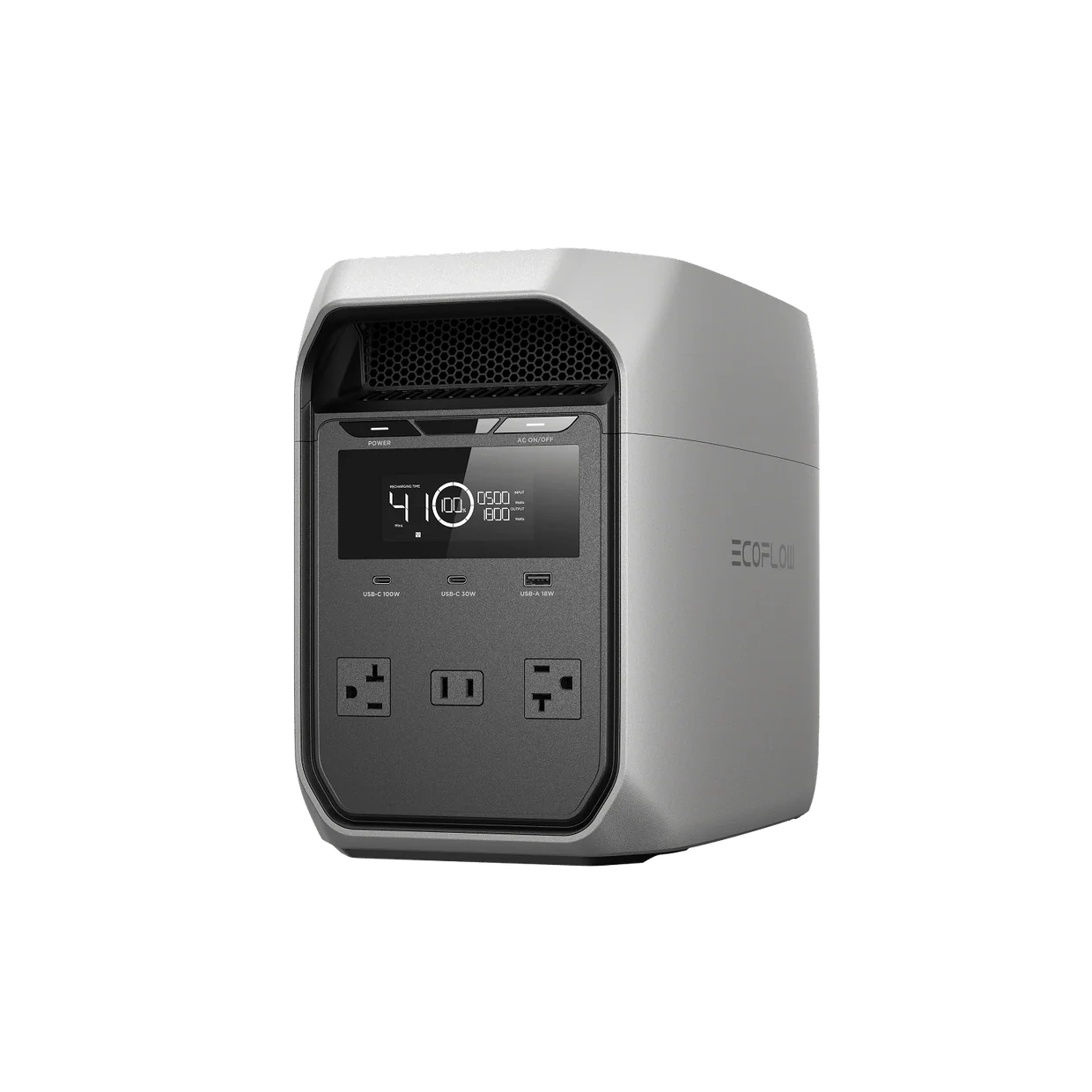
Power Banks and Portable Power Stations: Power banks are usually rated in mAh, while portable power stations are rated in Wh. Because power banks are typically used to power phones and small electronics, this unit makes it easy to estimate charges. Power stations such as the EcoFlow DELTA 3 Classic (1024Wh) are used to power a wide range of devices, which is why Wh provides a clearer picture of usable energy.
What Other Factors Affect Real-World Battery Runtime?
Beyond mAh and Wh, several other facts affect real-world battery runtime:
Battery age and charge cycle count can reduce maximum capacity over time, since lithium-ion cells naturally degrade with use. Research confirms most manufacturers rate consumer Li-ion life at 300–500 discharge/charge cycles before meaningful capacity loss sets in.
Ambient temperature affects performance, with cold weather reducing usable capacity and extreme heat accelerating long-term degradation.
Charging and discharging efficiency matters, as some energy is always lost as heat during power conversion, meaning usable output is typically lower than the rated capacity.
The specific power draw of the device you’re running also affects actual runtime, which is why two devices with identical battery ratings can perform very differently in practice.
How Do You Use mAh and Wh to Compare Devices Fairly?
The most reliable way to compare batteries fairly is to convert each rating to Wh, since this unit accounts for voltage and gives true energy comparisons.
When comparing devices, look for the Wh rating listed by the manufacturer, since it’s already adjusted to voltage and gives a clearer sense of real capacity. If the Wh rating is unavailable, convert mAh to Wh using the battery’s voltage to compare products fairly.
Frequently Asked Questions
Is a Higher mAh Always Better?
Not necessarily. mAh only tells part of the story, since it doesn't account for voltage. A higher mAh rating at a lower voltage can often store less energy than a lower mAh rating at a higher voltage, which is why Wh gives a more accurate comparison.
How Do You Calculate Watt-Hours from mAh?
To calculate watt-hours from mAh, you must know the battery's voltage, then use the following formula: Watt-hours = (milliampere-hours x voltage) / 1,000. For example, a 5,000 mAh battery at 3.7V equals about 18.5 Wh (5,000 x 3.7 / 1,000), the same math used for phones and small electronics.
Does Battery Capacity Decrease Over Time?
Yes, lithium-ion batteries gradually lose maximum capacity with each charge cycle, and factors like heat exposure and age accelerate this degradation, meaning a battery’s real-world capacity is often lower than its original rating.
Understanding mAh and Wh Helps You Choose the Right Power for Every Device
mAh measures charge; Wh measures total energy. Converting to Wh, or checking the manufacturer's Wh rating directly, is the most reliable way to compare batteries across devices and voltages.
EcoFlow portable power stations list capacity in Wh for exactly this reason, making it easy to compare models and find the right amount of power for your needs.
For press requests or interview opportunities, reach out to our media team
media.na@ecoflow.com