30 Amp Wire Size: AWG Gauge Chart and NEC Requirements
- What Wire Size Do You Need for a 30 Amp Circuit?
- What Does the AWG Wire Gauge Chart Show for 30 Amps?
- How Does the NEC 80% Rule Affect 30 Amp Wire Sizing?
- How Do Copper and Aluminum Wire Sizes Compare for 30 Amps?
- What Appliances and Circuits Commonly Use 30 Amp Wiring?
- How Does Wire Distance Affect 30 Amp Circuit Sizing?
- What Happens If You Use the Wrong Wire Gauge?
- Frequently Asked Questions
- Correct Wire Sizing Keeps 30 Amp Circuits Safe and Code-Compliant
Selecting the correct wire size for a 30-amp circuit is essential for safety, code compliance, and reliable performance. The wrong size can risk overheating, tripped breakers, or even fires. This guide covers the AWG gauge chart, NEC rules, and real-world applications such as dryers, RVs, sub panels, and more.
What Wire Size Do You Need for a 30 Amp Circuit?
The National Electrical Code (NEC), or NFPA 70, requires a 10-gauge copper or an 8-gauge aluminum wire for a 30-amp circuit.
The wire's ampacity (the maximum electric current it can carry safely without getting too hot) determines its gauge. A wire's ampacity rating must equal or exceed the breaker's rating under normal operating conditions, as thinner wiring risks overheating, insulation breakdown, and fire hazards.
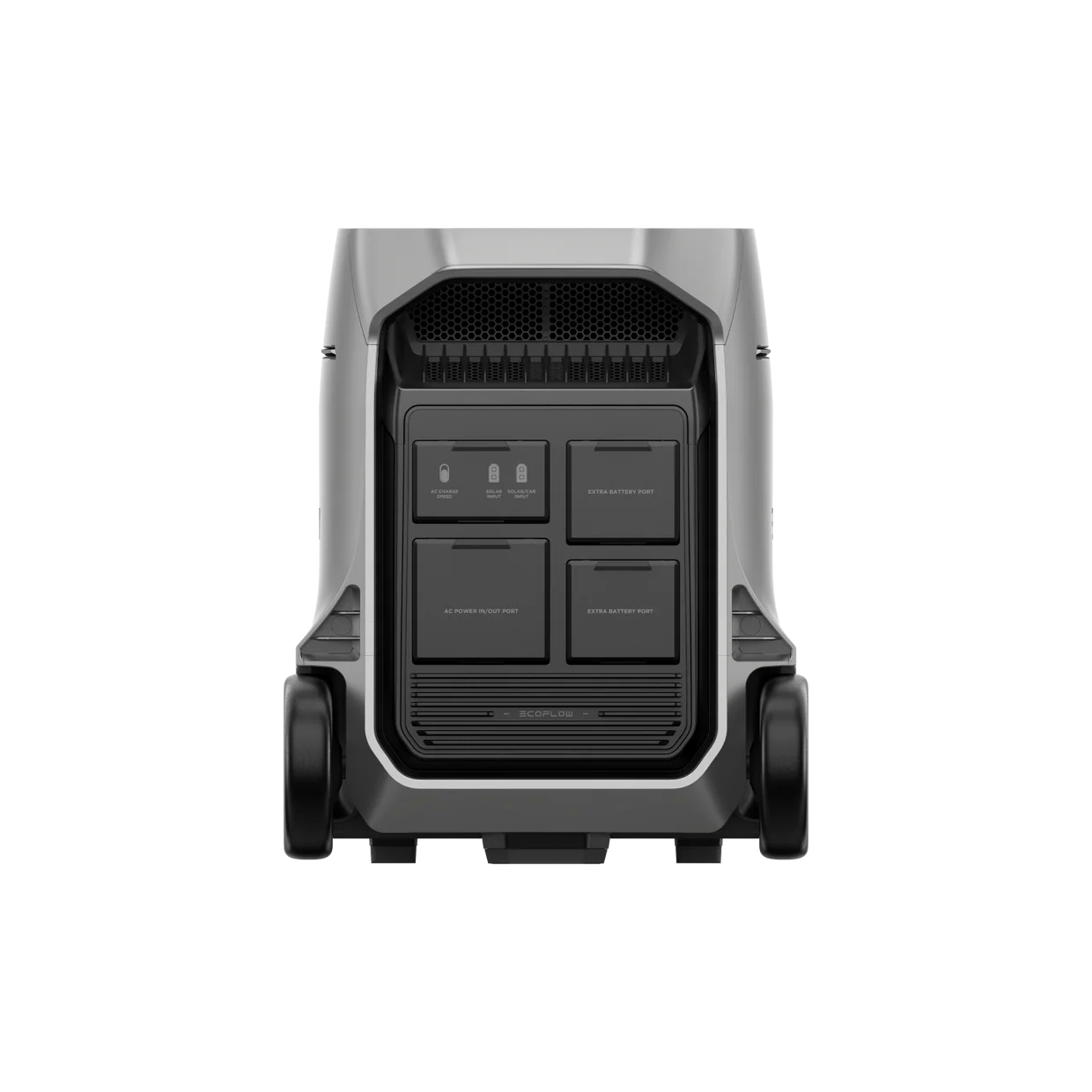
If you're setting up a 30-amp circuit as part of a home backup plan, it's worth knowing that not every part of the system needs new wiring. The EcoFlow DELTA Pro 3 outputs through a 30-amp connection and can be paired with a transfer switch or EcoFlow Smart Home Panel 2, so the same 10 AWG copper standard applies to a properly wired connection point.
While 10 AWG (American Wire Gauge) copper is the standard choice for most residential 30-amp circuits, factors such as insulation type, ambient temperature, conduit fill, and circuit length can push the requirement to a thicker gauge. Check local code standards, since some jurisdictions apply stricter rules than the base NEC.
What Does the AWG Wire Gauge Chart Show for 30 Amps?
The American Wire Gauge (AWG) system rates wires by their ampacity. For copper with insulation rated at 60°C, 10 AWG carries 30 amps. At 75°C, it’s rated for 35 amps, providing a slight safety margin.
Aluminum has a lower ampacity than copper at the same gauge, which is why a thicker 8 AWG aluminum is needed to match the 30 amp rating that 10 AWG copper provides.
Using NEC Table 310.16, match the gauge chart to the insulation temperature rating stamped on the wire jacket, since ampacity values differ between 60°C, 75°C, and 90°C.
How Does the NEC 80% Rule Affect 30 Amp Wire Sizing?
The NEC 80% rule states that standard circuit breakers shouldn’t carry more than 80% of their rated capacity for continuous loads lasting three hours or more. For a 30-amp circuit, the continuous load shouldn’t exceed 24 amps. This rule doesn’t typically change the wire gauge for a standard 30-amp circuit.
However, it becomes critical when calculating the total load on a circuit, such as an EV charger or solar inverter, that delivers power continuously. Undersizing a circuit that ignores the 80% rule can lead to breaker trips, or, worse, overheating.
How Do Copper and Aluminum Wire Sizes Compare for 30 Amps?
Copper and aluminum conduct electricity at different rates, which is why they need separate gauge ratings for the same amperage.
Copper has lower resistance and higher conductivity, so 10 AWG copper handles 30 amps safely.
Aluminum has higher resistance, meaning 8 AWG aluminum is needed for 30 amps, since ampacity and voltage control shift with the conductor material as well as the gauge.
What Appliances and Circuits Commonly Use 30 Amp Wiring?
Electric Dryers and Water Heaters
Electric dryers and many electric water heaters are common 30-amp loads in residential homes. Dryers typically use a dedicated 30-amp, 240-volt circuit wired with 10 AWG copper or 8 AWG aluminum.
RV Outlets and EV Chargers
RV hookups often use 30-amp, 120-volt outlets, requiring 10 AWG copper or 8 AWG aluminum run to a dedicated circuit. Level 2 EV chargers with a continuous draw of 24 amps also frequently pair with 30-amp breakers and the same wire sizing, since that keeps the charger within the 80% threshold.
Sub Panels and Home Backup Circuits
Small sub-panels for workshops, garage, or whole home generators are sometimes fed by a 30-amp breaker, especially when connected loads are limited to lighting and a few outlets. These circuits still need the same 10 AWG copper or 8 AWG aluminum sizing to stay code-compliant.

How Does Wire Distance Affect 30 Amp Circuit Sizing?
As the wire runs longer, voltage drop becomes a concern, even if the wire gauge is rated for 30 amps. The NEC recommends keeping voltage drop under 3% for branch circuits and 5% for combined feeder and branch circuits.
For a 30-amp, 240-volt circuit, 10 AWG copper is typically acceptable up to roughly 100 feet before voltage drop becomes significant.
Beyond 100 feet, upsizing to 8 AWG or even 6 AWG copper may be necessary to maintain efficient power delivery, especially for EV chargers or RV hookups, where longer runs from the panel are common.
What Happens If You Use the Wrong Wire Gauge?
Using a wire gauge smaller than required for a 30-amp circuit, such as 12 AWG copper, is dangerous. An undersized wire carrying more current than it is rated for will heat up, degrade its insulation over time, and create a serious fire risk.
The wire may even overheat before the breaker trips, failing to protect the circuit properly. Conversely, using a larger wire gauge than necessary adds unnecessary cost and can make terminations difficult.
Frequently Asked Questions
Can You Use 10 Gauge Wire for a 30 Amp Breaker?
Yes, 10 AWG copper wire is the standard choice for a 30-amp breaker and is used in the vast majority of residential 30-amp circuit installations. It carries a 30-amp load safely under the NEC's 60°C rating, which is why it's the go-to gauge for dryers, RV outlets, and other common 30-amp circuits in most homes.
Do You Need 8 AWG Wire for a 30 Amp Circuit?
8 AWG wire is needed if you’re using aluminum, since it has a higher resistance than copper wiring. Copper installations don’t need to go up to 8 AWG unless the run is unusually long or subject to derating.
Can You Use 12 Gauge Wire on a 30 Amp Breaker?
No, 12 AWG copper is only rated for 20 amps and would be unsafe on a 30-amp breaker, since the wire could overheat. Pairing it with a 30-amp breaker means the breaker won't trip before the wire overheats, which raises the risk of insulation damage and fire. Always match the wire gauge to the breaker rating, not the other way around.
Correct Wire Sizing Keeps 30 Amp Circuits Safe and Code-Compliant
Sizing a 30-amp circuit requires you to use 10 AWG copper or 8 AWG aluminum, be mindful of the NEC’s 80% continuous load rule, and account for voltage drop on longer runs.
Whether you’re wiring a dryer, an EV charger, or a home backup system, matching the wire gauge to the breaker rating keeps the circuit safe, efficient, and up to code. Systems like the EcoFlow DELTA Pro 3, which connects to a home’s electrical system via a 30-amp transfer switch connection, still rely on that same correctly sized wiring to work safely.
For press requests or interview opportunities, reach out to our media team
media.na@ecoflow.com