Van Life in Summer: A Practical Guide to Living and Traveling on the Road
- How to Plan a Realistic Summer Van Life Route
- Getting Your Vehicle Ready for the Heat
- Tips for Managing Daily Life on the Road
- Finding Places to Park and Camp Legally
- Staying Safe During Summer Van Life in Canada
- Budgeting for Your Summer Van Life Trip
- Building a Sustainable Van Life Routine
- Enjoy Comfortable Summer Van Life in Canada
- FAQs
Important Disclaimer
This content is for general informational purposes only and reflects common van life experiences and public travel guidance in Canada. It does not replace professional medical, legal, wildfire, vehicle, or emergency advice. Conditions such as wildfire activity, air quality, road closures, camping regulations, and local bylaws can change quickly by province or municipality. Always confirm current information with official Canadian government agencies, Parks Canada, local authorities, healthcare providers, or emergency services before making travel or safety decisions. In emergencies, call 911 or contact local emergency management services immediately.
Summer is the busiest time for van life in Canada. With the sun staying up late and mountain roads finally clearing of snow, the country opens up for those living on four wheels. You get more hours to hike, easier access to remote lakes, and a huge variety of open campgrounds.
But the pretty photos on social media don't always show the full picture. Summer van life also brings intense heat, swarms of mosquitoes, and crowded parks. Wildfires are a real risk, and the sheer distance between Canadian cities can be exhausting. This text offers a realistic look at how to manage the logistics, comfort, and safety of van traveling during the warmest months.
How to Plan a Realistic Summer Van Life Route
Choose the Right Travel Style
Some people use their van for quick weekend trips to nearby provincial parks. Others commit to extended road travel for months at a time.
Your setup will change based on who is with you. Solo travelers need less space but more safety awareness. Families and couples need to manage shared space carefully to avoid frustration.
If you have a pet, you must plan your route around dog-friendly trails and ensure the van stays cool when you aren't inside.
Budget also plays a role; a comfort-first build with a fridge and thick mattress costs more than a simple van with a cooler and a sleeping bag.
Pick the Best Time to Travel
July and August are the hottest months and the busiest for tourism. Schools are out, and campgrounds fill up fast. If you want a quieter experience, look at the shoulder seasons.
June offers long days, though it can be rainy and very buggy in the woods.
September is often the "sweet spot" for living in a van during summer. The weather is still warm, but the crowds thin out, and the bugs start to die off.
Build a Route That Works in Real Life
A common mistake is spending eight hours a day behind the wheel. This leads to burnout. Try to balance driving days with rest days where you stay in one spot for 48 hours. Use apps to find fuel stations, water refill points, and grocery stores before you run low. Always leave a "buffer" in your schedule. If a road is closed due to a forest fire or you find a lake you love, you won't feel stressed about falling behind.
Getting Your Vehicle Ready for the Heat
Preparing your vehicle is about more than just aesthetics. A breakdown in a remote part of the prairies or the mountains can be dangerous and expensive during the peak travel season.
Check the Vehicle Before You Go
Start with a full mechanical inspection. Hot pavement wears down tires faster, so check your tread and pressure. Make sure your brakes are ready for mountain passes and your coolant levels are topped up to prevent overheating. Your battery and lights should be tested, especially if you plan on driving at dusk. Keep a roadside emergency kit that includes a spare tire, jumper cables, a flashlight, and basic tools.
Set Up for Heat, Airflow, and Comfort
Moving air is your best friend when living in a van in Canada during a heatwave. Roof fans are the most effective way to pull hot air out. If you don't have a roof fan, use portable USB fans positioned near your bed.
Window covers are not just for privacy; they reflect sunlight and keep the interior much cooler. Magnetic bug screens are a great addition, allowing you to leave doors or windows open at night without letting in flies. While some vans have air conditioning, it usually requires a heavy power setup or a plug-in at a campground. For most, ventilation is the more practical solution.
Understand Your Summer Power Setup
Your electronics need power, and heat can affect battery performance. If you use a fridge, it will work harder and pull more energy when the van is hot. Solar panels are great in the summer because of the long daylight hours. Calculate how much power your fans, lights, and phones use daily. Simple habits, like charging laptops while you drive or keeping the fridge full (which helps it hold its temperature), will keep your batteries healthy.
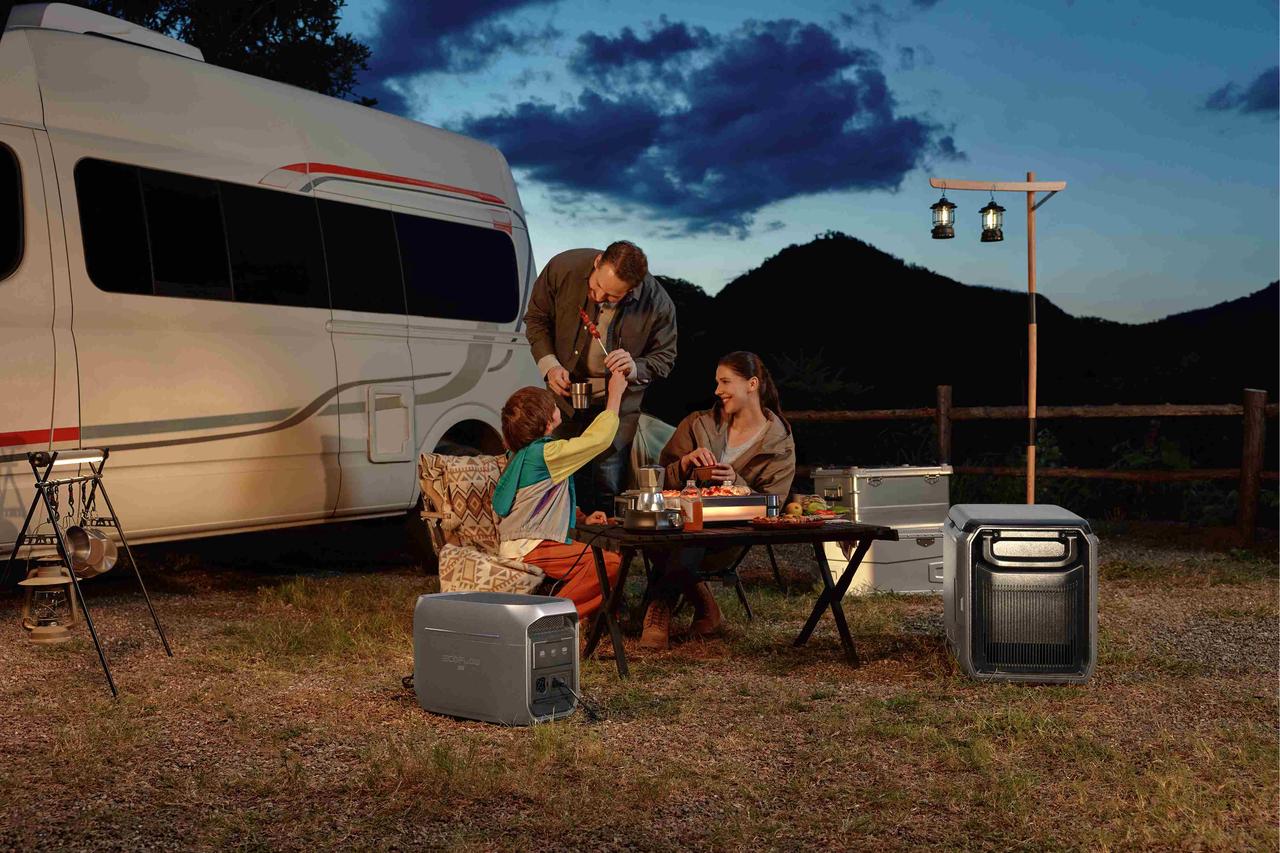
For longer off-grid stays, systems like the EcoFlow DELTA 3 Max Plus with 500W solar panels can help keep the equipment powered during hot summer travel days. The DELTA 3 Max Plus offers up to 3000W output with X-Boost support for higher-wattage appliances, and it can recharge to 80% in under an hour with compatible charging methods, helping travelers spend less time waiting for power.
Tips for Managing Daily Life on the Road
Daily chores take more effort in a small space. Establishing a rhythm for water, food, and hygiene keeps the van from feeling messy and keeps you feeling refreshed.
Water and Hygiene
You will drink much more water in the summer. Carry at least five to ten gallons of fresh water at all times. You can refill for free at many gas stations, public parks, or visitor centers.
For hygiene, look for public pools, community centers, or truck stops that offer paid showers. If you are in the wild, a simple pressurized water jug can serve as an outdoor shower. Just remember to use biodegradable soap and stay away from natural water sources when washing.
Food Storage and Summer Cooking
Cooking inside a van in 30°C weather is uncomfortable. It turns your living space into an oven. Stick to simple meals like salads, wraps, or sandwiches. Use a portable propane stove to cook outside on a camp table whenever possible. If you use a cooler instead of a fridge, you will need to buy ice every day or two. To reduce waste, buy smaller portions of meat and dairy so they don't spoil in the heat.
Sleep Better in Summer Conditions
Sleeping in a hot van is a challenge. Park in the shade during the late afternoon so the van doesn't soak up heat before bed. Use breathable cotton or linen sheets instead of synthetic fabrics. If it stays light until 10:00 PM, use blackout covers to help your body recognize it is time to sleep. If the noise of a fan bothers you, earplugs are a cheap fix.
Deal With Bugs and Mosquitoes
Black flies and deer flies are also common in June and July. Prevention is easier than dealing with itchy bites. Install mesh screens on your main doors. Use repellent when sitting outside and try to avoid marshes or stagnant water during dusk. Making bug checks part of your evening routine ensures you don't spend the night hunting a single mosquito inside the van.
Finding Places to Park and Camp Legally
Where you sleep is the most important part of your daily plan. Canada has a mix of paid and free options, but rules change depending on which province you are in.
Understand Your Main Overnight Options
National and Provincial parks offer the best scenery but require booking months in advance. RV parks provide full hookups (electricity and water), which is nice if you need a "reset" day. For those on a budget, boondocking—or camping without services—is common. This includes staying in certain parking lots that allow overnight stays or finding spots in the wilderness.
Check Local Rules Before Parking Overnight
Never assume a spot is legal. Some towns have strict bylaws against sleeping in vehicles to prevent overcrowding. Look for signs that say "no overnight parking." In many provinces, you can camp on Crown land (public land) for up to 14 days, but you must check maps to ensure you aren't on private property or protected habitats. Being told to move at 2:00 AM is a bad way to spend your summer.
Follow Good Van Life Etiquette
The reputation of the van community depends on how we treat the land. Always follow "Leave No Trace" principles. This means taking all your trash with you and disposing of gray water (sink water) properly. Keep your noise levels down, especially in residential areas or quiet campgrounds. If a spot looks crowded, move on to the next one to avoid drawing negative attention.
Staying Safe During Summer Van Life in Canada
Safety on the road involves more than just locking your doors. You have to be aware of the environment and your own physical limits.
Prepare for Wildfire Season
Wildfires are a major part of summer road travel in a van. Smoke can travel thousands of kilometers and cause poor air quality. Download apps that track active fires and air quality indexes. If you see smoke or hear of a fire nearby, leave the area immediately. Never have a campfire during a fire ban; the fines are huge, and the risk to the forest is even bigger.
Be Aware of Wildlife and Remote Conditions
Traveling Canada by van often puts you in bear country. Never leave food or trash outside your van overnight. Use bear-proof bins if the campsite provides them. If you are heading into remote areas like the Yukon or Northern Ontario, tell someone your plan. Cell service can disappear for hours, so having an offline map or a satellite communicator is a smart move.
Protect Your Health on the Road
Heat exhaustion is real. During a heatwave, try to find a library, a mall, or a shaded park to spend the hottest hours of the afternoon (usually 2:00 PM to 5:00 PM). Drink water constantly, even if you aren't thirsty. If you feel dizzy or have a headache, find a cool place to rest immediately.
Budgeting for Your Summer Van Life Trip
Costs can add up quickly when you are moving every day. A clear budget helps you stay on the road longer without worrying about your bank account.
Common Costs to Expect
Fuel is usually the biggest expense, especially in remote provinces where prices are higher. You also need to pay for park passes, campsite fees, and food. Groceries in northern or coastal regions can be 20% to 50% more expensive than in the cities. Don't forget to set aside money for occasional maintenance like oil changes.
Save Money Without Making the Trip Miserable
To save money, slow down. The less you drive, the less you spend on gas. Alternate between expensive "bucket list" campgrounds and free Crown land spots. Cooking your own meals instead of eating at tourist cafes will save hundreds of dollars over a month.
Consider Remote Work if Relevant
If you work from the road, you need a reliable internet plan. Canadian cell data can be expensive and spotty in the mountains. Many van lifers use signal boosters or satellite internet systems. Make sure your power setup can handle charging a laptop several times a day without draining your starter battery.
Building a Sustainable Van Life Routine
The idea of "total freedom" can actually be stressful. Without a routine, every small task—like finding a bathroom or a place to sleep—becomes a big decision. This is called "decision fatigue."
To enjoy your time, build a simple daily rhythm. Maybe you drive in the morning when it's cool, find a park for lunch, and settle into your camp spot by 6:00 PM. This gives you time to relax before dark. Don't feel guilty about taking a "do nothing" day. Sometimes the best part of summer van life is just sitting in a folding chair by a river and catching up on a book. Traveling slower makes the experience much more sustainable.
Enjoy Comfortable Summer Van Life in Canada
Summer van life in Canada gives you long daylight hours, cool lake mornings, and endless scenic roads, but it also demands planning for heat, bugs, smoke, and crowded campgrounds. Keep your setup simple, drive slower, and stay flexible with your route. A reliable power setup like the EcoFlow DELTA 3 Max Plus with 500W solar panels can make off-grid camping much more comfortable.
FAQs
Q1: Is van life legal in Canada during summer?
Yes, but with limits. You can't just park anywhere. Legality depends on local bylaws. Most cities forbid sleeping in vehicles on residential streets. However, many rural areas, Crown lands, and designated campgrounds welcome van travelers. Always look for signage and respect private property.
Q2: How do people stay cool in a van without AC?
Focus on airflow and shade. Use roof fans to pull hot air out and window screens to let fresh air in. Reflective window covers help block the sun. Parking at higher elevations where it is naturally cooler or staying near large bodies of water can also help lower the temperature.
Q3: What are the best places for summer van life in Canada?
British Columbia and the Alberta Rockies are famous for mountains. Vancouver Island offers a cooler coastal breeze. Ontario and Quebec have thousands of lakes perfect for swimming. For a quieter pace, the Atlantic provinces (Nova Scotia, New Brunswick, PEI, and Newfoundland) offer stunning coastal views and friendly communities.
Q4: How much does summer van life cost in Canada?
A solo traveler on a tight budget might spend $1,500 to $2,500 per month, mostly on fuel and basic food. A couple staying in paid campgrounds and eating out occasionally can easily spend $4,000 or more. Your biggest variables are how much you drive and how often you pay for a campsite.