Crown Land Camping 101: How to Camp for Free in Canada
- What Is Crown Land and Why Is It Free to Camp On?
- Who Can Use Crown Land for Camping? Rules by Residency
- How Crown Land Camping Differs by Province
- What Gear You’ll Need for Crown Land Camping
- Leave No Trace and Camping Ethics
- Frequently Asked Questions
- Responsible Camping Preserves Canada’s Crown Lands
Canada is a free camper’s paradise, with millions of acres of wild, public land open to those who know where to look. Crown land camping lets you experience the beauty of Canada’s backcountry, often for free, without reservations or neighbours. The trade-off? You must be entirely self-sufficient. This guide breaks down what Crown lands are, who can camp there, basic provincial rules, essential gear, and the leave-no-trace ethics you need to camp legally, safely, and responsibly anywhere in Canada.
What Is Crown Land and Why Is It Free to Camp On?
Most of the lands in Canada are owned by the government. It’s called “Crown” as a throwback to when the monarch owned the land, though in practice it’s now mostly owned and managed by provincial governments.
Crown lands, also known as public land, are free to camp because they’re publicly owned and intended for public use. Sites are often rustic and rarely have amenities, so fees are seldom required.
Who Can Use Crown Land for Camping? Rules by Residency
In all provinces that allow free camping, Canadians can usually stay in any dispersed campsite for up to 21 days. You’re simply required to be self-sufficient and practice leave-no-trace rules. This means you must pack your own water, cut your own firewood, and bring all necessary gear, including portable power if required.
Non-residents, on the other hand, typically must purchase permits, but rules vary by location.
How Crown Land Camping Differs by Province
Here is a brief breakdown of how rules vary by province:
Newfoundland and Labrador has the highest percentage of public land (95%), offering free camping for Canadians and only sometimes requiring permits for non-residents.
Quebec is about 92% publicly owned and offers free camping up to 21 days for residents, though there are exceptions. Rules for non-residents may vary.
The maritime provinces have minimal public land and offer limited or no free campsites.
Ontario's public lands are mainly in the north, covering 87% of the province. Residents can camp for free up to 21 days, but non-residents need a permit.
Manitoba is ~90% publicly owned and allows free camping for 21 days in designated areas for residents, though non-residents may need a permit.
Alberta is about 60% publicly owned, mostly located in the mountains and the north. Residents and non-residents are both required to purchase a Public Lands Camping pass.
British Columbia is 94% public land and offers more free campsites than any other province. It’s free for residents up to 21 days, while non-residents must obtain a permit. BC’s forests stay lush with frequent rainfall, so prepare for wet-weather camping.
In the north, Yukon has minimal public land; however, residents can stay for free for up to 14 days. Nunavut public lands are complex, with limited free camping. However, the Northwest Territories are about 80% publicly owned. Residents can stay for up to 21 days, while non-residents need permits in certain areas.
No matter where you go, bring your EcoFlow Power Bank to keep your phone charged so you can keep taking photos of all that beautiful Canadian backcountry!
What Gear You’ll Need for Crown Land Camping
Camping on public lands without amenities means self-sufficiency. Whether you’re a solo camper or travel with a large family, you’ll need more camping gear than usual.
Tent
Sleeping bags & pillows
Air mattress or camping mat
Clothes including multiple extra layers
Personal toiletries
Folding chairs
Folding table
Camp stove, pots, and pans
Potable water (may need additional for cleaning)
Wash bin for dishes
Dish soap, cloths
Lighter
Handsaw, axe, chainsaw
Tire wrench, jumper cables, car repair tools
First aid kit
Bugspray, sunscreen
Backroad mapbooks as backup navigation
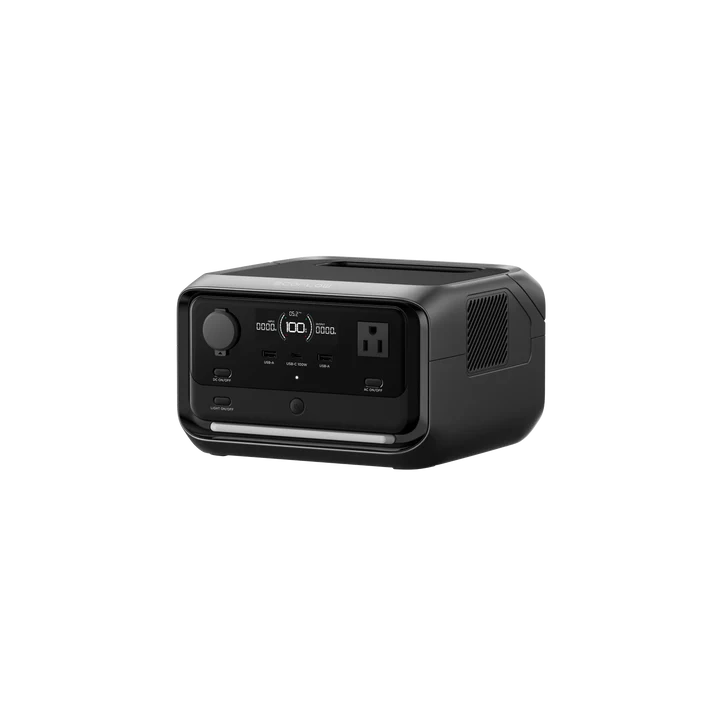
Pro tip: Bring a power supply. Your battery-powered portable home generator works for heavier power needs. For those who want to travel lighter, the EcoFlow RIVER 3 Plus Portable Power Station is powerful enough to charge devices, run lights, and power small appliances, yet compact enough to hike with.
Leave No Trace and Camping Ethics
The Canadian government requires campers to be self-sufficient. There’s usually no potable water, no cut firewood, and no power (bring your own portable generator).
The only other requirement is to practice these Leave No Trace rules.
Plan ahead and prepare for any circumstance.
Travel and camp on durable surfaces—avoid areas with soft soils or delicate vegetation.
Dispose of waste properly. Human bodily wastes must be buried. Any other trash you bring in must be carried out.
Leave what you find. Don’t bring home rocks, plants, fossils, etc.
Minimize campfire impacts by using existing fire pits.
Respect wildlife; maintain a respectful distance.
Be considerate of other visitors.
Frequently Asked Questions
Can I Camp Anywhere on Crown Land?
You can’t simply camp anywhere on Crown lands, but there are plenty of sites where you can, mostly dispersed sites away from designated campgrounds and parks. Your stay is generally limited to 21 days, you must follow local fire restrictions, and non-residents often need permits.
Can Non-Canadians Camp on Crown Land for Free?
Typically, non-Canadians must obtain permits (usually ~$10 per person), but it varies by province and location. For instance, Ontario requires a Crown Land Camping Permit, and in Alberta, both residents and non-residents need the new Public Lands Camping Pass.
Can I Have a Fire While Crown Land Camping?
You can usually have fires while camping on Crown lands. However, you must obey any current local fire bans or restrictions. Furthermore, certain locations may have local regulations that prohibit fires. Always check the local regulations and fire bans before heading out.
Responsible Camping Preserves Canada’s Crown Lands
Camping on Crown land is one of Canada’s best-kept secrets. It offers amazing opportunities for those willing to be self-sufficient and respectful. By understanding provincial rules, packing the right gear, and following Leave No Trace principles, you can freely and responsibly explore Canada’s backcountry. Whether you’re heading off-grid for a weekend or an extended stay, reliable portable power like the EcoFlow RIVER 3 Plus Portable Power Station makes the experience safer and more comfortable.