Van Life in Canada: How to Power Your Build Year-Round
- Why Does Year-Round Van Life in Canada Demand More From Your Power System?
- What Are the Core Components of a Van Electrical System?
- How Do You Size a Power System for Canadian Seasons?
- What Happens to Lithium Batteries in a Canadian Winter?
- How Does Solar Performance Change Across Canadian Latitudes?
- Can a Portable Power Station Replace or Supplement a Custom Build?
- Frequently Asked Questions
- The Right Power System Keeps Your Van Comfortable and Connected Through Every Canadian Season
Van life is an exciting way to explore all the beauty that Canada has to offer, but it's also a creative way to alleviate rising housing costs and leverage the freedom of remote work.
Still, having reliable power is a comfort factor once temperatures swing from the summer heat to winter cold.
We'll guide you along system sizing, battery chemistry considerations, solar performance by region, and the trade-offs of a custom build versus plug-and-play options.
Why Does Year-Round Van Life in Canada Demand More From Your Power System?
Canadian winters can be brutal, and living in a van year-round means bearing through these cold temperatures without the comfort of a house's central AC system.
Compared to van life in the US or other more temperate regions, those roaming in Canada need a power system that can withstand the freezing conditions to keep you warm and comfortable. It should also keep all of your appliances and electronics charged.
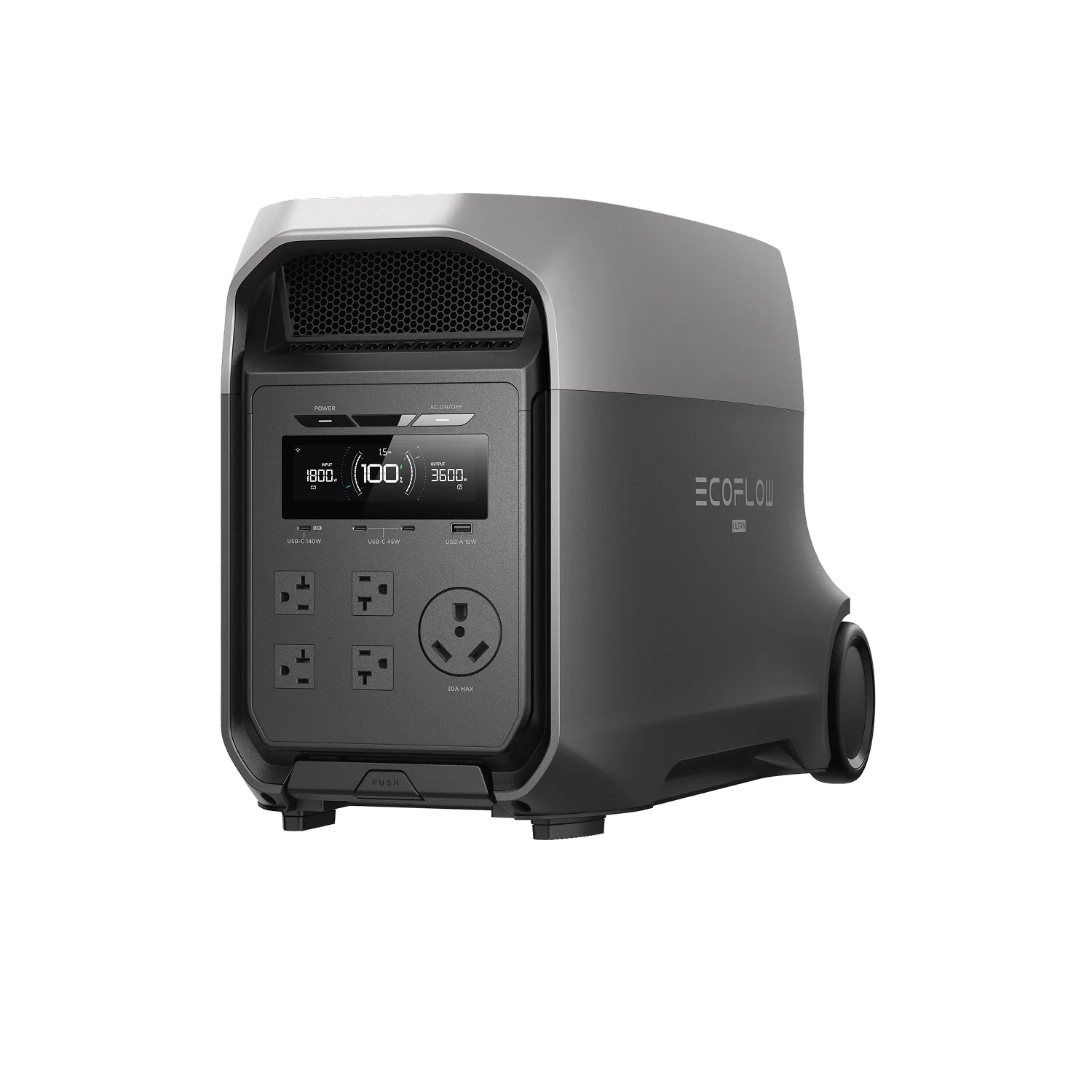
Once heating and extended dark hours enter your power load calculation, you'll need something robust and reliable, like the EcoFlow DELTA 3 Ultra (3072Wh).
What Are the Core Components of a Van Electrical System?
A van’s electrical system needs a battery bank, an inverter, and a charge controller, or an all-in-one portable power station that folds everything into one.
The battery bank should store enough power to run all of your essential appliances and devices for as long as you need, in between short top-ups.
The inverter converts your stored DC battery power to AC for standard household plugs and appliances.
The charge controller regulates solar input if you're using panels, so they charge the battery efficiently without overcharging.
A portable power station like those from EcoFlow combines all of these elements into a single unit, simplifying the installation process.
How Do You Size a Power System for Canadian Seasons?
When sizing your system, start by auditing your daily energy use. List all the devices that you use and their wattage, plus the hours of use, to get a watt-hour total.
Your battery bank should hold multiple days of reserve to cover consecutive overcast or storm-bound days that are common in Canadian winters, in case you don't have access to AC power to recharge.
Your van life household size also changes the math significantly, because family vs. solo van life needs are quite different. More occupants mean more devices and a higher daily draw, and your system needs to reflect that.
Always build in a buffer above the calculated minimum, because sometimes winter loads can run higher than summer estimates due to extra heating and shorter charge windows.
What Happens to Lithium Batteries in a Canadian Winter?
Extreme cold slows the chemical reactions that happen inside a lithium battery, which increases its internal resistance and can temporarily reduce usable capacity.
Additionally, if you charge a lithium-ion battery below 0ºC, it can cause lithium plating on the anode, a permanent degradation that most consumer-grade batteries can't recover from.
A quality battery management system can pause the charging automatically below a safe temperature threshold and protect your pack without having to intervene yourself.
How Does Solar Performance Change Across Canadian Latitudes?
Solar output varies by location and season across Canada. Natural Resources Canada provides a photovoltaic potential map that models that variation down to a roughly 2 km grid for any point in the country.
In general, higher latitude locations see much shorter daylight windows in the winter, which affects charging hours even on clear days.
When you’re in those northern latitudes, the panel angles matter even more because a steeper tilt can capture more of the lower winter sun path. The best portable solar panels can be repositioned to help capture any available sun if your roof-mounted panels are shaded or poorly angled.
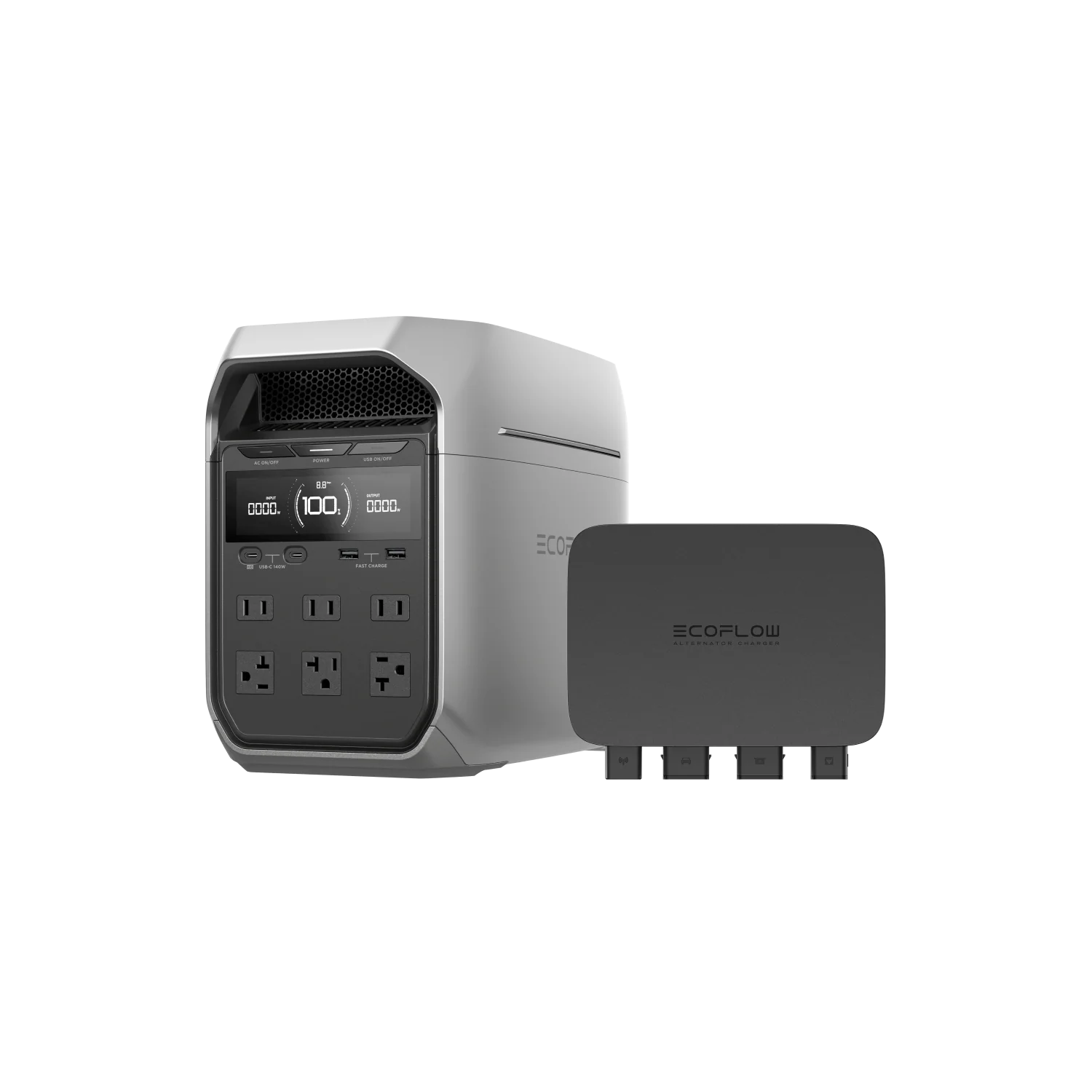
Short winter daylight also means you can’t always count on the sun to keep pace with a day of heating and driving, so having a fast way to top up from the road matters just as much as your solar setup. The EcoFlow DELTA 3 Ultra Plus + 800W Alternator Charger recharges directly from your van’s engine while you drive, so even a stretch of low-sun days doesn’t have to leave you on short power.
Can a Portable Power Station Replace or Supplement a Custom Build?
Plug-and-play power stations skip the hassle of wiring, fusing, and code compliance that creating a 12V build from scratch requires.
Modular systems also allow you to start small and add battery and solar capacity later if your needs grow, rather than having to commit to full capacity and a higher price point upfront.
Many van lifers use a portable unit as their core power source and then add custom wiring only for fixed appliances, like a hardwired fridge or a lighting circuit.
Frequently Asked Questions
Is It Legal to Live in a Van in Canada?
Living in a van is legal in Canada, but where and how long you park is regulated by municipal bylaws and provincial land rules. Some areas restrict overnight vehicle occupation, limiting where van dwellers can legally stay. Crown land is a legal camping option in most provinces, though stays are typically capped per site.
How Many Watts of Solar Do You Need for Full-Time Canadian Van Life?
Your wattage requirement depends on your daily consumption, battery capacity, and how much winter driving or overcast weather is expected. Start with a device-by-device energy audit, since climate control and lighting needs will vary based on the build. Full-time Canadian van life generally calls for a larger solar array and battery buffer than seasonal use.
Can You Charge Lithium Batteries Below Freezing?
Charging a standard lithium battery below freezing risks permanent capacity loss due to lithium plating on the anode. Use a battery management system to block charging automatically when internal temperatures drop too low as an extra safety layer.
The Right Power System Keeps Your Van Comfortable and Connected Through Every Canadian Season
Living in a van year-round in Canada means planning around the coldest and darkest stretch of the year, not average conditions. You want the assurance that you can stay comfortable and powered even on the most brutal days of winter.
A unit like the EcoFlow DELTA 3 Ultra (3072Wh) can protect your battery automatically when temperatures drop, giving you steady overnight power. And if your days involve a lot of driving between spots, the EcoFlow DELTA 3 Ultra Plus + 800W Alternator Charger turns that driving time into charging time, helping you stay topped up even when winter cuts into your solar window.