RV Camper Air Conditioner Guide for Canadians: BTU, Power & Installation Explained
- Why RV Air Conditioning Matters in Canada’s Climate
- RV Air Conditioner BTU Guide: Choosing the Right Cooling Capacity
- RV Air Conditioner Power Requirements Explained
- Electrical Setup & Compatibility for RV Air Conditioners
- RV Air Conditioner Installation Guide
- Best Use, Maintenance & Buying Tips for Canadian RV Owners
- Conclusion
- FAQ
As summer approaches across Canada, many RV owners look forward to hitting the road. But when temperatures climb, staying comfortable requires properly matched equipment. This comprehensive guide covers everything Canadian RVers need to know, from matching BTU capacities to regional weather patterns, to calculating start-up wattage for off-grid boondocking in Ontario or the Rockies. We break down critical electrical specs, installation options, and modern off-grid cooling alternatives to keep your home-on-wheels perfectly comfortable all season long.
Why RV Air Conditioning Matters in Canada’s Climate
Once summer temperatures start climbing across Canada, RV interiors heat up fast. That’s when a reliable AC system and dependable portable power station support become essential for maintaining comfort during long road trips and off-grid camping.
Hot Summers, Humid Regions, and Unexpected Heatwaves
Canadian summers can get surprisingly hot, with temperatures often climbing past 30°C. Between Ontario humidity and dry inland heat in places like the Okanagan, RV interiors can heat up extremely quickly. Without a proper cooling setup, that combination of heat and moisture doesn’t just make the space uncomfortable, it can also damage the RV’s interior over time.
Regional Differences Across Canada (BC vs. Ontario vs. Prairie Provinces)
RVing across Canada means dealing with very different microclimates. Cruise through British Columbia and you’ll catch mild coastal breezes, but inland regions like the Okanagan Valley experience much hotter and drier conditions. Camp in Ontario, and you’re facing thick, sticky humidity. Out on the Prairies, there’s almost no shade, so your rig sits under full sun from morning to night.
Why RV Cooling Is Essential for Comfort, Sleep, and Safety
After a long day of hiking, paddling, or driving, excessive cabin heat can significantly reduce sleep quality. Planning your summer route around dedicated RV camping sites or choosing the right independent energy hardware allows you to maintain continuous climate control. That lack of rest feeds into driver fatigue. More importantly, too much heat poses real risks for children, older adults, and pets on board. A reliable AC setup is essential for maintaining comfort and safety when you need to wind down after a long afternoon of exploring or hours of navigating the Trans-Canada Highway.
RV Air Conditioner BTU Guide: Choosing the Right Cooling Capacity
The first step in choosing an RV air conditioner is understanding BTUs. A BTU rating tells you how much heat the unit can remove from your RV each hour.
What BTU Means in RV Cooling Performance
BTUs measure how much cooling an AC unit delivers. Higher BTUs mean more cooling power for larger spaces or hotter conditions. But bigger is not always better. An oversized unit may short-cycle, running in bursts without properly removing humidity. Undersized units run nonstop without ever reaching the set temperature.
Standard BTU Ranges for Different RV Sizes
Standard RV air conditioners rate at either 13,500 BTUs or 15,000 BTUs. Smaller rigs or zone-cooling units fall to approximately 8,000 to 10,000 BTUs. Large fifth-wheels and luxury motorhomes frequently use dual 15,000 BTU rooftop systems.
Small Camper Vans vs. Travel Trailers vs. Motorhomes
| Vehicle Type | Length Range | Recommended BTU Capacity | Notes |
|---|---|---|---|
| Compact Class B / Teardrop Trailers | ≤ 18 ft | 6,000 – 10,000 BTU | Ideal for compact spaces or spot-cooling setups. |
| Small Travel Trailers | 18 – 23 ft | 11,000 – 13,500 BTU | Suitable for light use and smaller single-zone cabins. |
| Mid-sized Travel Trailers | 23 – 28 ft | 13,500 – 15,000 BTU | Standard single-unit setup for balanced performance. |
| Large Fifth-Wheels / Motorhomes | ≥ 28 ft | Dual 13,500 or 15,000 BTU | Recommended for large multi-zone interiors under full sun. |
Common Sizing Mistakes RV Owners Make
The most frequent error is underestimating heat load from uninsulated windows, lack of shade, and indoor cooking. Many owners choose a lower BTU unit to reduce upfront cost, only to find it insufficient during peak summer heatwaves. Another common mistake is neglecting humidity. A unit that does not run long enough to dehumidify leaves the cabin damp and sticky.
RV Air Conditioner Power Requirements Explained
Before you head off-grid to enjoy Canada’s backcountry, you need to know how your cooling system pulls power.
Running Watts vs. Starting Watts
Air conditioners need two different kinds of power: starting wattage and running wattage. Auditing your specific camper air conditioner watts parameters ensures your power source won’t overload when the compressor kicks in.
| AC Size | Running Watts | Starting Watts |
|---|---|---|
| 8,000 BTU | 700–900W | 1800W |
| 13,500 BTU | 1200–1600W | 2500–3000W |
| 15,000 BTU | 1500–2000W | 3500W+ |
Shore Power vs. Generator vs. Battery Systems
Hooking up to a campground pedestal gives you effortless shore power to blast your AC. But if you’re boondocking on Crown land, you’re entirely on your own. While traditional gas or propane generators remain functional backup options, they come with major headaches: exhaust emissions, non-stop maintenance, and the kind of noise that will definitely annoy your neighbors during quiet hours.
Can Portable Power Stations Run an RV Air Conditioner?
Many Canadian RVers run into the same issue: keeping their AC running without stable shore power, especially when boondocking in the Rockies or spending long stretches around Ontario’s lake regions. Off-grid setups often rely on traditional generators, but they’re loud, bulky, and not exactly campground-friendly. Modern solutions, such as the EcoFlow DELTA Pro 3 Portable Power Station, are built for this kind of load. With high output and expandable capacity, it can handle both the startup surge and the steady running watts that RV air conditioners require. It lets you run your AC without hookups, without noise, and without exhaust, enabling quieter overnight cooling during extended off-grid stays., even in peak season.
Energy Efficiency Tips for Off-Grid Camping in Canada
To get more out of your power reserves while camping off-grid, use smart thermal management. Park in natural shade. Put out your main awning to block direct sun. Install reflective covers on your windows. Also, cool down the RV in the cooler morning hours. That way, your power station or battery bank doesn’t have to work twice as hard when the afternoon heat hits. Additionally, pairing your setup with solar panels allows you to continuously replenish your battery bank using renewable energy during peak sunlight hours.
Electrical Setup & Compatibility for RV Air Conditioners
Before you plug anything in, make sure your RV’s electrical system can safely handle the load. That’s the best way to avoid blown fuses and other hazards.
30-Amp vs. 50-Amp RV Systems in Canada
Canadian RV parks generally offer either 30-amp or 50-amp service. A 30-amp system supplies 3,600 total watts, meaning running a single AC unit will consume nearly half of your available power, requiring you to manage other high-draw appliances carefully. A 50-amp configuration supplies up to 12,000 watts, allowing you to run multiple air conditioners alongside other appliances simultaneously without major load management concerns.
Breakers, Wiring Safety, and Load Management
Wire your roof-mounted air conditioner to its own dedicated breaker, typically a 15-amp or 20-amp breaker depending on the manufacturer’s spec. Never use a regular household extension cord to power your RV; stick with heavy-duty, marine-grade shore cords instead. Manage your loads carefully, and you’ll avoid nuisance trips at the pedestal while keeping your electrical system safe.
Do You Need an Inverter or Soft Starter Kit?
If you plan to run your rooftop AC off a battery bank, you’ll need a heavy-duty pure sine wave inverter. It converts DC power to stable AC power. Also, consider adding a soft starter kit to your air conditioner. A soft starter can significantly reduce compressor startup surge requirements. That lets smaller generators or portable power stations run the AC without trouble.
RV Air Conditioner Installation Guide
When you’re ready to upgrade or add a cooling system, you have to decide between cutting into your RV or going with a more flexible modern setup.
Roof-Mounted vs. Portable RV Air Conditioners
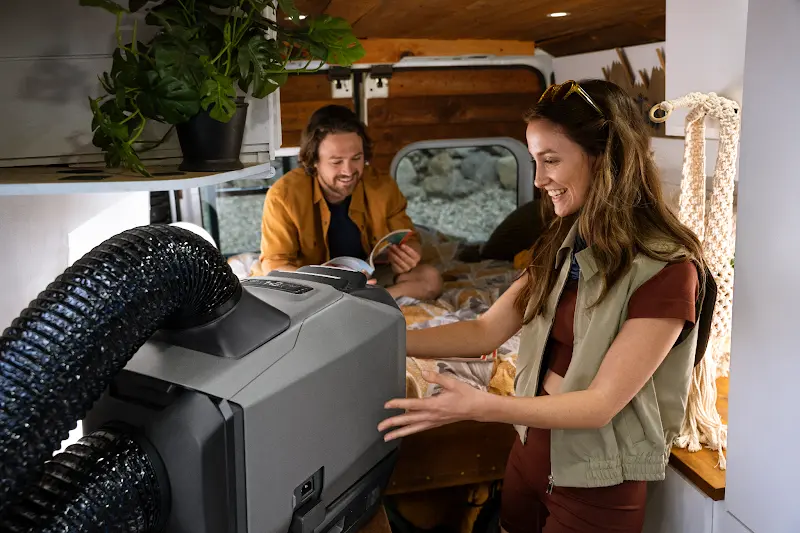
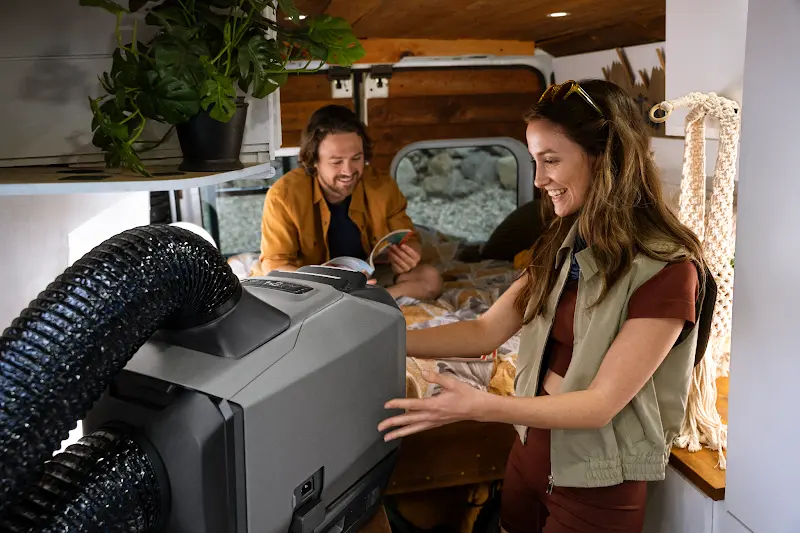
When choosing an installation path, Canadian RV owners often weigh fixed rooftop units against portable cooling alternatives. This is especially true given the summer temperature swings across regions like the BC coast and the Prairies. For those who want to skip complex modifications or reduce upfront labor, portable cooling options have become a popular choice. Market leaders like the EcoFlow WAVE 3 Portable Air Conditioner illustrate this trend clearly. Delivering 6,100 BTU of cooling power, this unit is specifically engineered for spot cooling, camper vans, or teardrop trailers. Instead of trying to cool a massive 30-foot rig entirely, it allows you to focus the cool air right where you sleep or work, while avoiding roof modifications and extensive electrical installation work.
DIY Installation vs. Professional Setup in Canada
Swapping out an existing rooftop AC can be a reasonable DIY job if you’re comfortable with basic wiring and heavy lifting. Standard units fit neatly into standard 14x14-inch roof vents. But if you need to cut a new opening or run new lines, hire a certified Canadian RV technician. They’ll make sure the job meets local safety standards and keeps your warranty intact.
Installation Costs and What to Expect
Professional installation at a Canadian service center typically costs between $120 and $180 per hour in labor. A standard rooftop swap takes 2 to 3 hours, resulting in $250 to $550 in labor alone, excluding the unit, sealants, and tax. New installations requiring fresh wiring can easily double those labor figures.
Common Installation Mistakes to Avoid
The worst mistake you can make is sealing things wrong. Skip the high-quality, UV-resistant butyl tape and self-leveling lap sealant around the roof flange, and water will get in. That water rots your RV’s ceiling and frame. Other common errors? Over-tightening the mounting bolts. That crushes the waterproof gasket. Also, forgetting to check if the roof can actually support the weight of a rooftop AC unit.
Best Use, Maintenance & Buying Tips for Canadian RV Owners
Keep up with maintenance and smart habits. Your cooling system will last through peak travel season and stay efficient for years.
Using RV Air Conditioners in Hot and Humid Canadian Summers
To maximize efficiency in humid weather, keep your RV’s doors and windows firmly shut, and run your bathroom exhaust fan while showering or cooking to remove excess moisture. Set your AC fan speed to ‘High’ to prevent the evaporator coils from freezing over when moisture levels in the air peak.
Seasonal Protection and Storage Tips
Proper off-season care protects the equipment when not in use. Before putting your rig into winter storage, clean the AC shroud, inspect for cracks, and fit a breathable, water-resistant cover. This shields the unit from debris, weather, and nesting pests, ensuring it works properly when the next road trip begins.
Maintenance Checklist for Long-Term Performance
Keep your system operating efficiently by executing a simple checklist every few weeks during the summer season:
Remove and wash the interior return air filters in warm, soapy water.
Inspect the exterior condenser coils and gently brush away bugs, dirt, or debris.
Straighten any bent cooling fins using a specialized AC fin comb.
Check the rooftop shroud bolts to ensure they haven’t vibrated loose during travel.
How to Choose the Best RV Air Conditioner for Your Needs
Evaluate your travel style before purchasing. For those who primarily stay at premium RV resorts with full hookups, a heavy-duty, high-BTU rooftop system is a good choice. For minimalist explorers who prefer off-grid boondocking, small camper vans, or avoiding roof modifications, a flexible, efficient portable option paired with a clean power station is the better fit.
Conclusion
Choose the right cooling strategy and power source, and you’ll get better efficiency and fewer electrical problems. Go with a traditional rooftop unit or try off-grid options like EcoFlow’s portable power stations and cooling units. Either way, good climate control makes your RV a much more comfortable place to be. Set up your system properly, keep up with seasonal maintenance, and you’ll enjoy your Canadian road trips in real comfort.
FAQ
What Size RV AC Do I Need for a 20ft Trailer?
A single 13,500 BTU air conditioner works well for a 20-foot travel trailer. It delivers enough cooling to bring temperatures down without pulling too much power or overloading your RV’s electrical system.
Can a 2000W Generator Run an RV Air Conditioner?
No, not reliably. Many 2,000W portable generators provide approximately 1,600W–1,800W of continuous output, depending on the model. Since a 13,500 BTU AC draws 1,200W–1,600W just to run, it leaves zero room for background loads like your RV’s fridge or converter. Even with a soft starter to cut the initial startup surge, the generator will run at its absolute limit and likely trip in summer heat. For reliable cooling, you need at least a 2,200W–2,500W generator paired with a soft starter, or a smart portable power station built to handle heavy inductive loads.
How Long Can a Battery Power an RV AC?
Standard lead-acid RV battery banks typically support air conditioner operation for only a short period, often around 1–2 hours depending on system size and load conditions. High-capacity lithium setups last much longer. A mobile power system designed for this job can run your cooling for extended off-grid periods. You can also add solar panels or extra batteries to stretch that time further.
Do RV Air Conditioners Work in Humid Canadian Summers?
Yes, absolutely. They cool the air and remove moisture simultaneously. To get the best performance during humid summers in Ontario or along the East Coast, keep your filters clean and run the fan on high. That stops the internal coils from icing up.
Is Rooftop AC Better Than Portable RV Cooling Systems?
Not one is clearly better. Rooftop units give you permanent, space-saving cooling. Portable systems give you flexibility in where and how you install them. Rooftop units handle large, multi-room trailers well. Portable systems suit camper vans, seasonal trips, and owners who don’t want to make permanent changes to their vehicle.