- Van Life in Canada: How to Build a Reliable Power System for Life With a Van
- What Components Do You Need for a Van Electrical System?
- How Do I Plan My Van’s Energy Consumption?
- How to Install a Safe and Efficient Off-Grid Electrical System?
- How to Maintain Your Van Electrical System for Long-Term Reliability?
- Conclusion
- FAQ
Van Life in Canada: How to Build a Reliable Power System for Life With a Van
Van life in Canada offers a kind of freedom that’s hard to fully explain until you’ve experienced life with a van yourself. From the salty Atlantic breeze in Nova Scotia to quiet mornings parked beneath the Rockies, living on the road gives you a completely different way to explore the country.
But successful van life takes more than winter tires and a solid road-trip playlist. A dependable off grid electrical system is what keeps everything running when you’re far from campground hookups.
Whether you’re making coffee in a quiet BC cove or charging your laptop during a remote work stretch across the Prairies, your setup needs to handle long drives, changing weather, and real Canadian seasons. In this guide, we’ll cover the key components of a van electrical system, how to plan your energy use, and how to keep it all running smoothly year round.
What Components Do You Need for a Van Electrical System?
Building a van electrical system is a bit like putting together a puzzle. Every piece has a role, and if one part is undersized or poorly installed, you’ll notice, especially on a cold night parked somewhere remote. Understanding different ways to power an RV off-grid helps you design a system that suits your travel style and climate. Here are the core components that make up a reliable Canadian van build.
Choose the Right Battery Type for Van Life
Your battery bank is the foundation of everything. While lead-acid batteries are still used in some budget builds, most Canadian van lifers choose LiFePO4 lithium batteries. They’re lighter, handle deep discharges better, and take up less space, which matters when you’re climbing mountain passes or watching your total vehicle weight.
Select a Suitable RV Power Inverter
An inverter converts the DC power stored in your batteries into household AC power. That’s what lets you plug in a laptop, blender, or hair dryer like you would at home. For van life, a pure sine wave inverter is strongly recommended. It delivers clean, stable power that protects sensitive electronics and modern appliances.
Install a Solar Charging System
If you want to stay off grid for more than a day or two, solar is essential. Roof-mounted panels paired with a quality MPPT charge controller allow you to turn long summer daylight hours into usable energy. Many travelers also rely on portable solar power for vanlife, which adds flexibility when parking in shaded or uneven spots. In much of Canada, summer sun can easily support daily charging, but you’ll still need to plan carefully for cloudy stretches or shoulder seasons.
Consider a Backup Generator or Portable Power Station
Even with a solid solar setup, there will be stretches when the sun just doesn’t cooperate, think rainy weeks on the West Coast or shorter daylight hours in October. Having a reliable backup keeps your system steady when production dips.
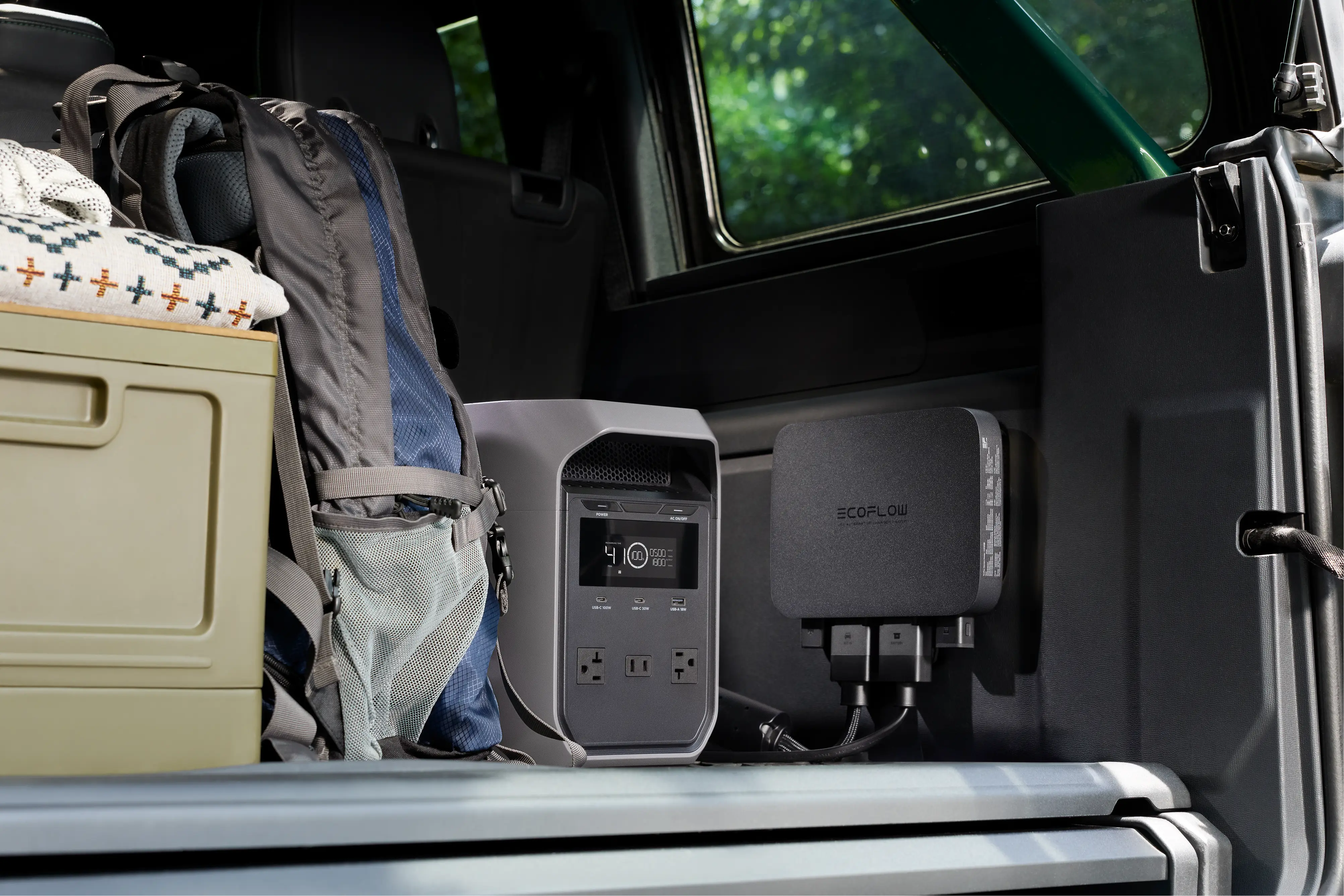
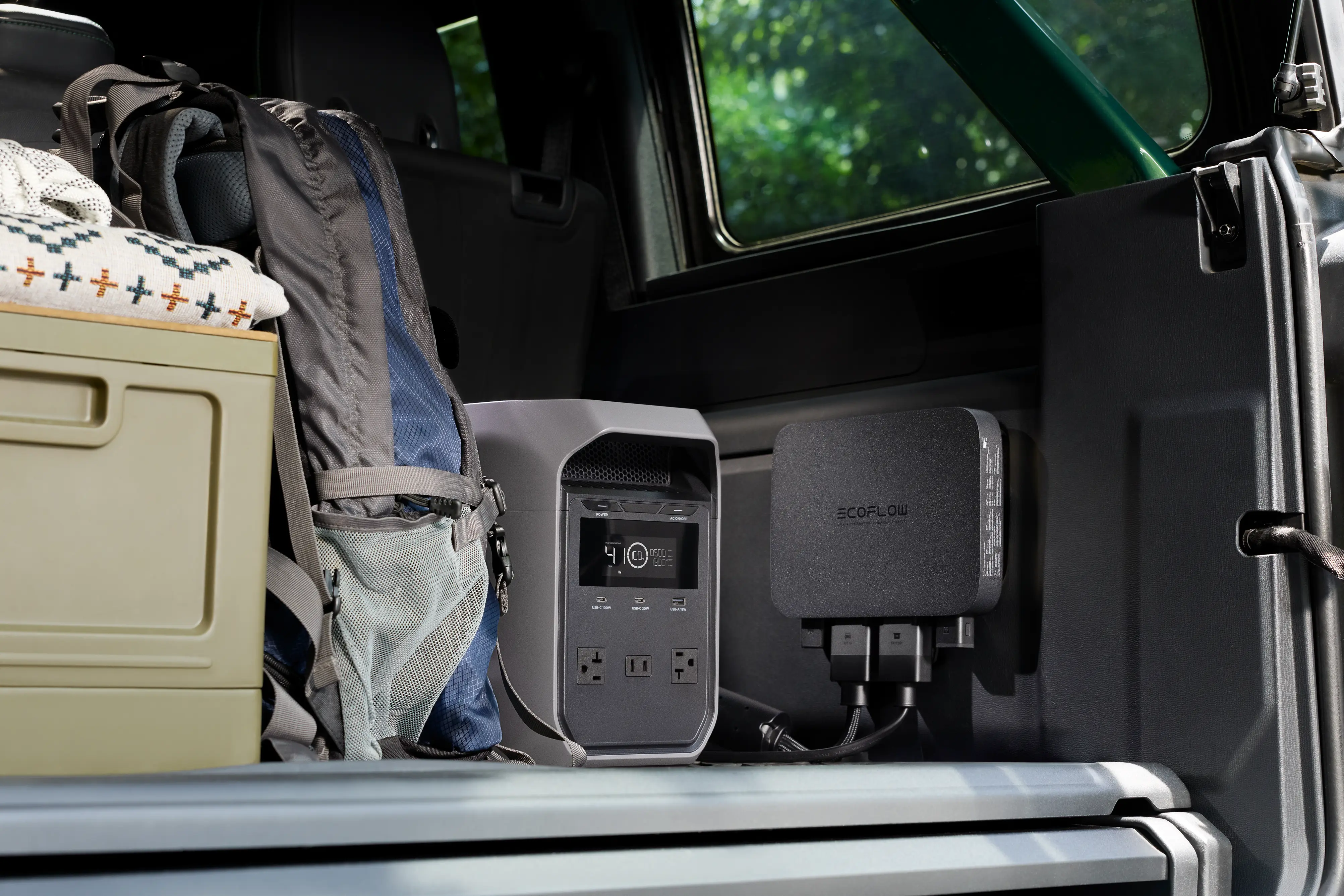
For larger builds, the EcoFlow DELTA 3 Max Plus Portable Power Station (2048Wh) offers a straightforward way to add extra capacity. Its native 30A Anderson port at 12.6V can connect directly to a van’s 12V DC system with proper wiring and fuse protection. That means you can support essentials like lights, a fridge, and roof fans without redesigning your entire electrical layout. It’s especially helpful during shoulder seasons, when solar input drops but energy use often goes up.
If you’re working with a smaller van or just want a lighter secondary unit, the EcoFlow DELTA 2 Portable Power Station is easy to store under a bench or inside a cabinet. Weighing in at only 27 lbs (12kg) and delivering a powerful 1800W AC output, it comfortably handles laptops, phones, and small appliances when your main battery bank needs a break. Built with a high-quality LiFePO4 (LFP) battery, it offers 3000+ cycles to 80% capacity, making it a dependable, long-term power solution for life on the road.
At its core, a Canadian van electrical system follows a simple flow. Solar, alternator charging, or shore power feed your lithium battery bank. From there, energy runs through a DC fuse panel for 12V loads like lights and fridges, while an inverter converts stored DC power into household AC for plug-in appliances. Understanding that flow makes troubleshooting easier and future upgrades far less intimidating.


How Do I Plan My Van’s Energy Consumption?
Before you order batteries or mount solar panels, take a bit of time to run the numbers. A little energy planning now saves you from scrambling for a campsite hookup halfway through a Banff trip.
Calculate Daily Energy Needs
Start by listing every device you plan to use and how long you’ll use it each day. Some items, like a 12V fridge, run around the clock. Others, like lights or a laptop, only draw power for a few hours. Multiply watts by hours to estimate your daily Watt-hour Wh requirement.
For example:
12V Fridge: 50W × 24h = 1200Wh
LED Lights: 10W × 4h = 40Wh
Laptop Charging: 60W × 3h = 180Wh
Total Daily Energy Consumption = 1420Wh
This gives you a realistic baseline for battery sizing and solar capacity.
Estimate Peak Load Requirements
Daily use is one thing. Peak load is another. Peak load is the maximum power you draw at a single moment. If you’re heating something in the microwave while charging a laptop and running a vent fan, your inverter must handle that combined surge without tripping. Always size your inverter based on peak load, not just daily consumption.
Prioritize Essential vs. Optional Appliances
Not everything in your van is equally important. In January, your heater fan is essential. An electric kettle might be optional. By separating must-haves from nice-to-haves, you’ll know what to shut down first if you hit several cloudy days in a row.
Recommended System Sizes for Canadian Van Life
These general recommendations assume moderate daily use and decent summer solar conditions. For winter travel or extended cloudy periods, many Canadian van lifers increase battery capacity by 30 to 50 percent for extra margin.
| Travel Style | Battery | Solar | Inverter |
|---|---|---|---|
| Weekend Trips | 100Ah | 200W | 1000W |
| Remote Work | 200–300Ah | 400–600W | 2000W |
| Full-Time Off-Grid | 400Ah+ | 800W+ | 3000W |
Sizing with a bit of buffer is usually better than cutting it close, especially in Canada where weather can change quickly.
How to Install a Safe and Efficient Off-Grid Electrical System?
Once your components are ready, installation is where your van starts feeling less like a project and more like a home. Safety comes first. In Canada, it’s smart to follow CSA C22.1 Canadian Electrical Code principles, proper grounding, overcurrent protection, and clean wire routing. Even for DIY builds, applying these standards reduces fire risk and improves long-term reliability.
Mount Batteries and Inverter Properly
In a moving vehicle, nothing should shift. Secure your batteries and inverter with solid brackets in a ventilated area. Canada’s temperature swings can be serious, so keep your battery bank inside the insulated living space whenever possible.
In winter, lithium batteries generally should not charge below 0°C unless they have built-in heating. They can usually discharge in cold conditions, but charging requires warmth or insulation. Many van lifers install insulated battery compartments or choose self-heating lithium batteries to avoid cold weather shutdowns.
Connect DC Wiring and Fuse Protection
Wiring is the backbone of your system. Use the correct wire gauge for your expected current draw, and never skip fuse protection. Every circuit should have a properly rated fuse or breaker to prevent a short circuit from becoming a serious hazard.
Set Up AC Output for Appliances
If you’re installing permanent outlets, make sure they’re properly grounded. This lets you plug in devices just like at home, whether it’s a laptop, kettle, or coffee maker, even if you’re parked miles from the nearest town.
Integrate Solar or Generator Charging
Connect solar panels to your charge controller carefully, and keep your backup power source accessible. A portable power station can act as an additional charging source when needed. Multiple charging inputs, solar, alternator, shore power, or portable backup, help ensure your battery bank stays topped up.
Test the System Before Full Use
Before heading into remote areas, test everything at home. Run several appliances at once and monitor for warm wires, voltage drops, or breaker trips. It’s better to find a loose connection in your driveway than deep in Crown land with limited tools.
How to Maintain Your Van Electrical System for Long-Term Reliability?
A reliable setup isn’t just about how you build it, it’s about how you maintain it. A bit of routine care can prevent bigger problems later, especially when you’re far from a service shop.
Regular Battery Health Checks
Keep an eye on your battery monitor. For lithium systems, avoid leaving them sitting at 0 percent or fully charged at 100 percent for long stretches. Many modern systems come with Bluetooth apps, so you can quickly check voltage, charge level, and overall health from your phone.
Inspect Wiring and Connections
Long drives and gravel roads can slowly loosen connections. If you’ve spent time on routes like the Dempster Highway, you’ll know how much vibration a van takes. Every few months, inspect your terminals and give them a quick tug to make sure nothing has shifted.
Monitor Energy Usage and Solar Output
Get used to tracking how much power you’re producing compared to what you’re using. If your solar panels look dusty or covered in pine needles, a quick clean can noticeably improve charging performance. Small habits like this make a difference over time.
Upgrade Components as Needed
Van life evolves. Maybe you’ve added camera gear, a bigger fridge, or started working remotely more often. Expanding your system, with extra solar or a power station, is often simpler than redoing everything. Plan upgrades gradually so your electrical system keeps pace with how you actually live.
Conclusion
Choosing dependable components, whether that’s a solid lithium bank, efficient solar, or a flexible backup like the EcoFlow DELTA series, helps keep your setup steady in changing Canadian conditions. With the right system in place, your van becomes more than transportation. It becomes a comfortable, self-sufficient space that makes van life in Canada easier and more enjoyable, letting you fully embrace the freedom that comes with life with a van.
FAQ
1. What is the average lifespan of a van?
Most vans last about 10 to 15 years, or roughly 300,000 to 400,000 kilometres, depending on maintenance. In Canada, rust is often the real enemy. Regular oil changes, undercoating, and staying on top of brake and suspension work can easily push those numbers higher.
2. How to shower during van life?
Most van lifers mix and match options. Gym memberships, community centres, and campground facilities are common go-tos. Some install portable outdoor showers or compact indoor wet baths. And on days between full showers, good old-fashioned wipes do the trick.
3. Is van life stressful?
It can be. You’re constantly thinking about parking, water levels, weather, and vehicle maintenance. That said, many people find the stress feels more manageable than city life. Instead of juggling traffic and office politics, you’re solving practical, day-to-day challenges that often feel more grounded.
4. Is van life still worth it?
For people who value flexibility and experiences, absolutely. Fuel costs may fluctuate and the lifestyle is more popular now, but waking up by a lake or in the mountains still feels pretty unbeatable. It comes down to what you prioritize.
5. How much does a van electrical system cost in Canada?
A simple weekend-ready system usually ranges from about CAD $2,000 to $4,000. A full time, fully off grid setup can run between CAD $6,000 and $12,000 depending on battery capacity, solar size, and inverter power. Spending a bit more upfront on quality components often pays off in fewer repairs and better reliability, especially in Canada’s climate.