Booked a Site at BC Parks? Here's How to Power Your Camp
- Why Is Camping at BC Parks So Popular?
- What Power Challenges Do BC Parks Campers Face?
- What Are BC Parks' Rules for Generators and Quiet Hours?
- What Devices Do You Need to Power at Your Campsite?
- How Do You Plan Power for a Multi-Day BC Parks Trip?
- Frequently Asked Questions
- Portable Power Keeps Your BC Parks Camping Trip Compliant and Comfortable
Booking your site at BC Parks is the easy part. Now it's time to power plan so you’re prepared for whatever type of site you reserved.
Most frontcountry campsites at BC Parks don't have electrical hookups, so your power setup will depend on what gear you bring. Planning now before you head out can ensure your site is a fully powered and rule-compliant base camp for the entire trip and avoid frustration, confusion and discomfort.
Why Is Camping at BC Parks So Popular?
Camping in British Columbia draws a heavy demand thanks to the area's huge and varied park systems. The province's parks program spans more than 1,000 parks and protected areas that cover nearly 15% of BC’s land base.
This widespread system encompasses nearly 20,000 campsites and 28,000 km of trails, spanning from the Pacific coastline to alpine lakes and the interior grassland. Record visitation even pushed BC Parks to introduce fee updates in 2026, including a non-resident surcharge at the 59 busiest frontcountry parks, to manage demand.
This high popularity means that campgrounds book up quickly during peak season, making pre-trip prep, including power planning, essential.
What Power Challenges Do BC Parks Campers Face?
While beautiful, most BC Parks frontcountry campsites are unserviced. They don't have electrical hookups, so you can't charge phones, run a cooler, or power your other gear unless you pack something in specifically for that purpose.
BC Parks encourages the use of portable power stations and solar generators instead of fuel generators because they can be used at any time of the day, unlike gas models, which are restricted to certain hours. Backcountry sites located more than a kilometre from the road have zero power infrastructure, so the stakes are even higher for self-sufficient setups.
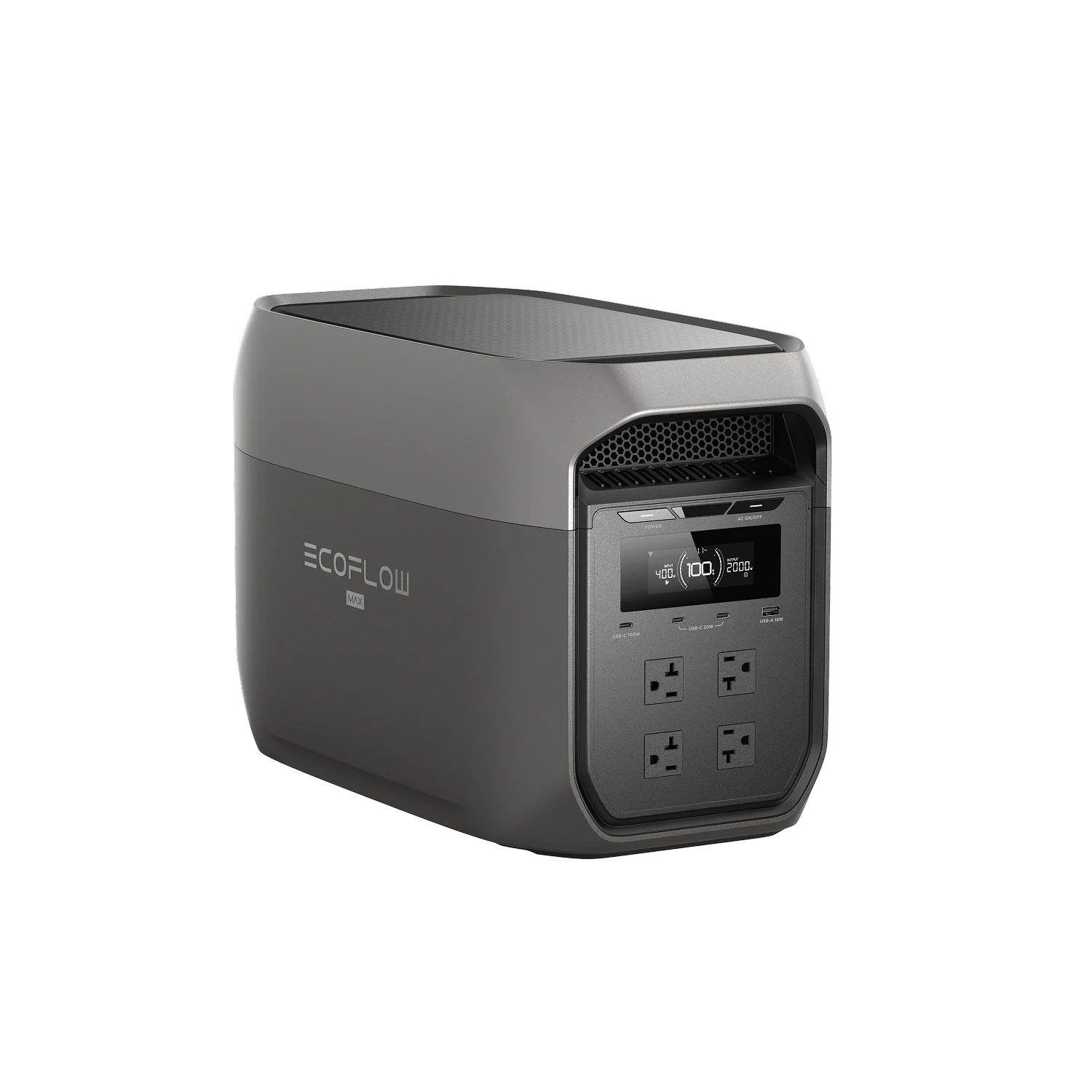
Bringing equipment like the EcoFlow DELTA 3 Max (2048Wh) addresses these issues. It has 2,400 W continuous output, offers excellent support up to 3,400 W, and provides four charging methods: wall, solar, generator, and alternator, so you can always top up between sites.
What Are BC Parks' Rules for Generators and Quiet Hours?
Fuel-based generators must be used between the hours of 9:00 and 11:00 a.m. or 6:00 and 8:00 p.m. This rule applies to both unserviced and electrified sites. Generators must also sit on the designated site pad and not in surrounding vegetation.
While quiet time runs from 11:00 p.m. to 7:00 a.m. at most campgrounds, you should still check individual park rules to see if the hours vary.
Portable power stations fall outside these time rules and placement restrictions because they run silently and safely. You can use them any time and anywhere without breaching compliance.
What Devices Do You Need to Power at Your Campsite?
Most campers need a power source to run these types of items at their campsite:
Phones, GPS units, and satellite messengers, which have a small job but are critical for safety and trip logistics.
Coolers or portable fridges to keep food safe over multi-day camping trips, especially in bear country, where proper food storage is key.
Lighting such as headlamps, lanterns, or string lights, plus extras like fish finders or e-bike batteries, which can add up over several days.
Medical devices like insulin coolers or CPAP machines need dependable, uninterrupted power.
How Do You Plan Power for a Multi-Day BC Parks Trip?
Start your power planning by tallying up your daily watt-hour needs, including phone charging, fridge run time, or lighting. Then compare it against your power solution's total battery capacity.
If you pack solar panels, you can pair them with your power station for recharging during the day and stretch your trip well past one battery charge.
You can also try finding campgrounds with electrical hookups to extend the runway. But, since most BC Parks frontcountry sites don’t offer them, relying on self-contained power should be the default.
Consider packing a buffer beyond your calculated need. Things like weather, extra device use, or a last-minute additional night can all stretch your power needs past the original plan.
Frequently Asked Questions
Can You Run a Generator at BC Parks?
Yes, you can run a traditional guest generator at BC Parks, but only during set hours: from 9:00 a.m. to 11:00 a.m. and from 6:00 p.m. to 8:00 p.m. If you run one outside these windows, you can get a warning or eviction from your campsite. PPS or solar generators avoid this restriction, since they don't produce noise or emissions.
Which BC Parks Campsites Have Electrical Hook-Ups?
Only a few BC Parks campgrounds offer electrified sites. When booking your trip, the BC Parks reservation system allows you to filter the listings by facility type, including electrical hookups. But because electrified sites are scarce and book up quickly, you should plan around battery and solar power rather than counting on a plug.
How Far in Advance Can You Book a BC Parks Campsite?
BC Parks uses a three-month rolling reservation window, with reservations released daily as the rolling window advances. So keep in mind that a summer date might not open until months before arrival. Popular parks and long summer weekends can book out within minutes of their release, so logging in early and having backup dates in mind can help avoid frustration.
Portable Power Keeps Your BC Parks Camping Trip Compliant and Comfortable
Because BC Parks observe quiet hours, have strict generator restrictions, and offer mostly unserviced sites, bringing self-sufficient power is the most practical option when camping in this beautiful province. You'll need power for devices, lighting, and food storage, and planning ahead (not improvising at your campsite) is the way to go.
Pack along something like the EcoFlow DELTA 3 Max (2048Wh) for a compliant and quiet way to stay powered through a multi-day trip without tripping the generator hour rules.