RVing in Canada: How to Find RV Camping Close to Me
- Understanding the Types of Places to RV Camp Near Me in Canada
- How to Search for RV Camping Close to Me Using Digital Tools
- Key Criteria for Evaluating Any RV Campsite Before You Book
- Campground Types Compared: Public, Private, and Crown Land
- Plan Your Canadian RV Route With Confidence
- Frequently Asked Questions
- Data Sources & Methodology Note
Canada's campground network spans over 2,200 provincial and territorial parks alongside thousands of private and federal sites. Finding places to RV camp near me means using location-aware search to identify driveable, RV-accessible overnight stops within your travel radius. This article delivers four practical strategies: navigating campground categories, using digital search tools in sequence, timing reservations correctly, and applying comparison criteria before you book.
Understanding the Types of Places to RV Camp Near Me in Canada
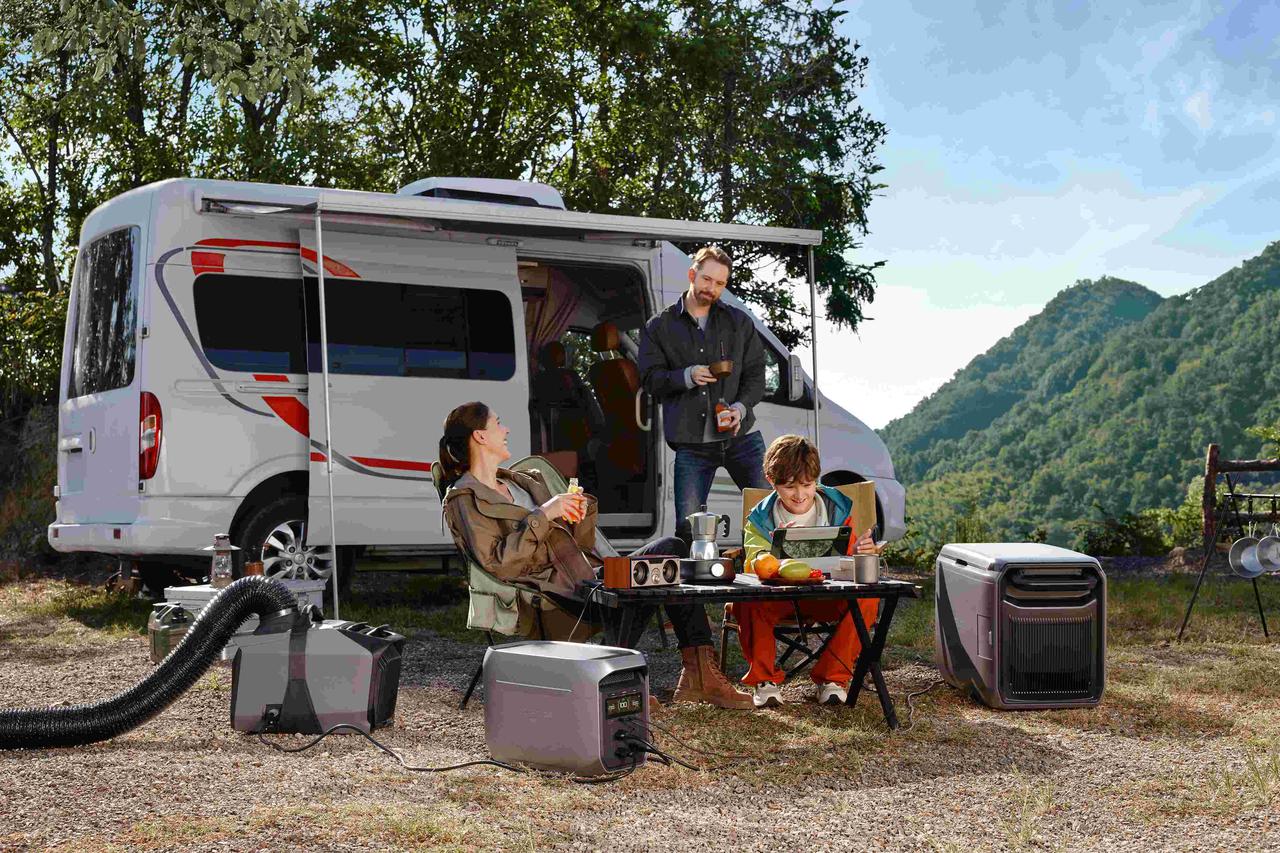
Canada's RV camping landscape divides into three major site categories, each with different hookup availability, cost structures, and booking rules. Knowing which category fits your rig and itinerary narrows your search before you open any map or directory.
National and Provincial Parks
National parks, managed federally by Parks Canada, and provincial parks, managed by each province, offer electrical and full-hookup sites, dump stations, and ranger programming. Parks Canada's reservation system opens in January for the summer season, and high-demand sites sell out within days of that release. Provincial booking timelines vary by province, with Ontario and BC opening reservations as early as January 5. These parks deliver the strongest scenery and programming, but early reservation action is non-negotiable for July and August travel.
Private RV Campgrounds and Resorts
Private campgrounds operate year-round in many Canadian regions and offer 30/50-amp service, WiFi, and amenity packages unavailable in most public parks. Nightly rates range from $35 to $90 CAD depending on hookup level and province. Many private operators accept same-week reservations, making them the practical fallback when public parks are fully booked. Some resorts also offer seasonal site rentals for RVers who return to the same region repeatedly.
Crown Land and Dispersed Camping
Crown land covers roughly 89% of Canada's total land area and permits free dispersed camping in most provinces with no reservation required, typically for stays between 14 and 21 consecutive days, depending on provincial regulations. Restrictions near water bodies and environmentally sensitive areas vary by province; Alberta, BC, and Ontario each publish distinct Crown land camping regulations. A GPS-capable offline mapping tool is essential for locating legal dispersed sites, particularly in areas without reliable cell coverage.
Matching campground category to your hookup requirements and budget eliminates the majority of unsuitable search results before you begin.
How to Search for RV Camping Close to Me Using Digital Tools
A systematic search sequence, rather than a single app or website, produces the most complete picture of available sites within your target radius. Follow these steps in order to move from broad discovery to confirmed booking.
Set your search radius before opening any tool - most Canadian RVers use 50 to 150 km (30–95 miles) from a fixed point, factoring in tow vehicle fuel cost at current diesel prices.
Search the federal Parks Canada reservation portal first, filtering by province, hookup type (electrical, full-service, or unserviced), and available dates to capture all national park inventory in one query.
Check each relevant provincial parks booking system separately - Canada has no unified provincial portal, so BC, Ontario, Quebec, Alberta, and other provinces each operate independent reservation platforms.
Query a private-campground directory filtered by RV length and amp service, then cross-reference the nightly rate against your daily camping budget.
Consult provincial Crown land maps or forestry road guides for boondocking coordinates if hookups are unnecessary and cost reduction is a priority.
Verify road clearance and bridge weight limits on your planned route using provincial highway authority resources, particularly for rigs over 40 feet or Class A motorhomes.
Running this six-step sequence for each destination segment of a multi-stop Canadian road trip reduces last-minute site shortages and duplicate booking errors.
Key Criteria for Evaluating Any RV Campsite Before You Book
Not all places to RV camp near me that appear available are genuinely suitable for your specific rig configuration and travel needs. Assess each shortlisted site against these criteria before confirming a reservation.
Pad length and width must accommodate your rig plus slide-outs fully extended - Canadian provincial parks publish pad dimensions in their site-detail pages, typically ranging from 30 to 60 feet.
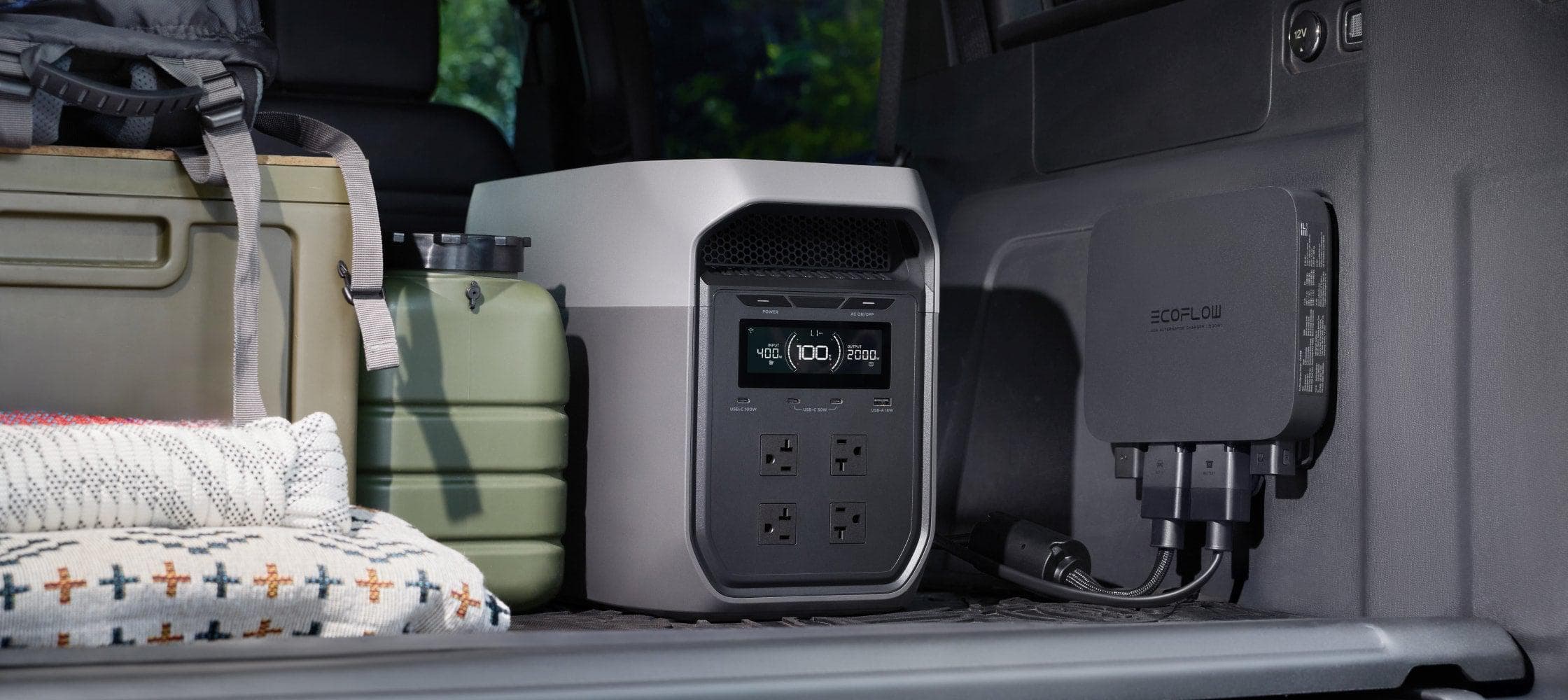
Amp service type (15, 30, or 50 amp) determines whether you can run air conditioning, electric heat, and appliances simultaneously without tripping a breaker; for extended off-grid stays, a portable power station such as the EcoFlow DELTA 3 Max Plus (2048Wh) with its 400W solar kit can supplement limited campground power, offering 3000W output, X-Boost support for appliances up to 3800W, and expandable capacity from 2 to 10kWh.
Campground elevation matters in shoulder seasons - sites above 1,000 metres (3,280 feet) in BC, Alberta, and Quebec can see overnight lows below freezing from mid-September through late May.
Sewer hookup availability determines tank dump frequency; sites without sewer require a dump station on-site or within a practical driving distance of the campground.
Cell signal strength affects both navigation reliability and the ability to work remotely - Canadian carrier coverage maps show signal by provider and frequency band down to the campground level.
Cancellation and hold policies vary: provincial parks typically require 48 to 72 hours notice for a refund, while private campgrounds range from fully refundable to non-refundable within seven days of arrival.
Applying these six criteria cuts post-booking surprises, a common reason for negative experiences reported in RV camping forums.
Campground Types Compared: Public, Private, and Crown Land
Choosing between public parks, private campgrounds, and Crown land boondocking involves trade-offs across cost, amenities, booking friction, and flexibility. This comparison covers the dimensions most relevant to Canadian RV travellers planning multi-night stays.
| Criteria | Public Park (National/Provincial) | Private Campground | Crown Land Boondocking |
| Average nightly cost (CAD) | $32–$55 serviced | $45–$90 full-hookup | $0 (free) |
| Advance booking required | Yes - weeks to months ahead | Sometimes - same-week often available | No reservation system exists |
| Full hookups (water/sewer/electric) | Select sites only | Widely available | None - self-contained rigs only |
| Maximum stay limit | Typically 14–21 days per site | Flexible - often unlimited | 21 days in most provinces |
| Pet policy | Leashed pets permitted at most sites | Varies by campground - fees common | No restrictions |
| WiFi or cell coverage | Limited to none in remote parks | Usually provided at private sites | Minimal - satellite-dependent |
| Best suited for | Families, park programming, scenery | Comfort-focused RVers, long stays | Off-grid travellers, budget RVers |
Public parks win on scenery and programming; private campgrounds win on amenities and booking flexibility; Crown land wins on cost and solitude. Most Canadian RV itineraries benefit from combining all three types across a single trip.
Plan Your Canadian RV Route With Confidence
Three takeaways govern every successful Canadian RV search: categorize sites by hookup need and budget before you open a single search tool; run the six-step digital search sequence for each destination segment; and evaluate every shortlisted site against the six criteria before confirming any reservation. Start your route planning by mapping your first overnight stop, then work outward along your corridor using the search steps above.
If your itinerary includes remote campgrounds, Crown land sites, or locations with limited hookups, bringing a reliable backup power solution such as the EcoFlow DELTA 3 Max Plus (2048Wh) + 400W Solar Kit can help keep essential appliances powered throughout your journey.
Frequently Asked Questions
Q1. How Do I Find Places to RV Camp Near Me When Parks Are Fully Booked?
Private campgrounds in the same region typically hold unreserved sites longer than public parks and accept bookings within days of arrival. Crown land areas provide a zero-cost alternative requiring no reservation. Expanding your search radius by 30 to 50 km also uncovers available sites in less-trafficked corridors that public park searches often miss.
Q2. What Is the Difference Between a Serviced and an Unserviced RV Site in Canada?
A serviced site provides at least one utility connection - electrical, water, or sewer. An unserviced site offers none, requiring a fully self-contained rig with onboard tanks. Serviced sites cost $10 to $30 CAD more per night and book faster during peak season from late June through August.
Q3. Can I Find RV Camping Close to Me for Free in Canada?
Yes - Crown land camping is free in most Canadian provinces with no reservation required. Legal free camping is permitted for periods that typically range from 14 to 21 consecutive days, depending on the province. Always verify regulations for the specific province before arriving at a site.
Q4. Why Are Canadian National Park Campsites So Hard to Book in Summer?
Parks Canada releases the majority of summer reservations in a single window in January, and high-demand sites in Banff, Jasper, and Pacific Rim can sell out within hours or days after reservations open. Setting a calendar reminder for the exact release date and pre-loading your reservation preferences, including site type and hookup level, increases booking success significantly.
Q5. How Far in Advance Should I Reserve Places to RV Camp Near Me for a Cross-Canada Trip?
Book national and provincial park sites four to six months ahead for July and August travel. Private campgrounds along major corridors like the Trans-Canada Highway fill three to eight weeks out in peak season. Shoulder season trips in May, June, or September typically allow two to four weeks of lead time for most regions.
Data Sources & Methodology Note
The information in this guide is based on publicly available data from Parks Canada and provincial park reservation systems. Because reservation launch dates, stay limits, and campground policies vary by province and are updated annually, readers should verify final details directly with official park authorities before booking.
Key reference sources include:
Parks Canada Reservation Service: Parks Canada reservations - Plan your visit
Parks Canada booking instructions: How to make reservations
Legal & Regional Disclaimer
Camping regulations, reservation systems, and land-use rules in Canada vary by province, territory, and park authority. Information in this article is for general planning purposes only and may not reflect the most current legal requirements or seasonal policy updates.
Readers should always verify rules, availability, and access conditions directly with official sources such as Parks Canada, provincial park agencies, and Crown land management offices before traveling or making bookings.
This guide does not constitute legal advice or official travel authorization.