Camping in British Columbia 2026: Best Parks, Trails, and Off-Grid Power Tips
- What Are the Best Places to Camp in British Columbia in 2026?
- What Should You Pack for Camping in British Columbia?
- How Can You Prepare for Remote Camping Conditions?
- What Off-Grid Power Solutions Work Best for Camping Trips?
- What Are the Best Power Options for Multi-Day Outdoor Trips?
- Frequently Asked Questions
- Reliable Portable Power Makes Camping in British Columbia More Comfortable and Flexible
British Columbia has some of the most varied camping in Canada. Coastal old-growth, alpine lakes, and glacier-carved valleys, all within a few hours of each other. The same remoteness that makes these parks so compelling also means preparation matters: weather shifts fast, wildlife is real, and you won't always have access to power.
This guide covers BC's best parks and trails for 2026, plus what to pack to stay safe and powered up.
What Are the Best Places to Camp in British Columbia in 2026?
There’s some phenomenal camping to be had in British Columbia. Here are some of the best options in 2026:
Pacific Rim National Park Reserve
Located on Vancouver Island, Pacific Rim National Park Reserve is one of the best places in BC for coastal camping.
At the Long Beach Unit, you’ll be close to the sand and old-growth rainforest. Schooner Cove Trail is a great accessible hiking option here.
Garibaldi Provincial Park
Located north of Whistler, this park is popular with backcountry campers with its turquoise alpine lakes and stunning views of Black Tusk.
Popular sites include those at Garibaldi Lake and Taylor Meadows. Try the Garibaldi Lake Trail for one of the most picturesque trails in the area.
Yoho National Park
This park in the Rockies is popular for the stunning Lake O'Hara and Emerald Lake. It also has the Iceline Trail, a popular option for hikers. The Takakkaw Falls Campground is a great walk-in option.
Strathcona Provincial Park
Another option on Vancouver Island, Strathcona Provincial Park is the oldest park in the province and a great choice for families. Buttle Lake is a popular swimming spot, and there are lots of easy hiking as well as harder options like the Elk River Trail.
Joffre Lakes Provincial Park
Located near Pemberton, this popular park is a great option for campers. There are three stunning glacial lakes to explore, and the Joffre Lakes Trail is the main hiking trail. Keep in mind that you’ll need a day-use pass during peak season.
Wells Gray Provincial Park
This park in the Thompson-Okanagan region is also called the "waterfall park" due to the presence of 141-metre Helmcken Falls. Quieter places to camp include Clearwater Lake and Mahood Lake.
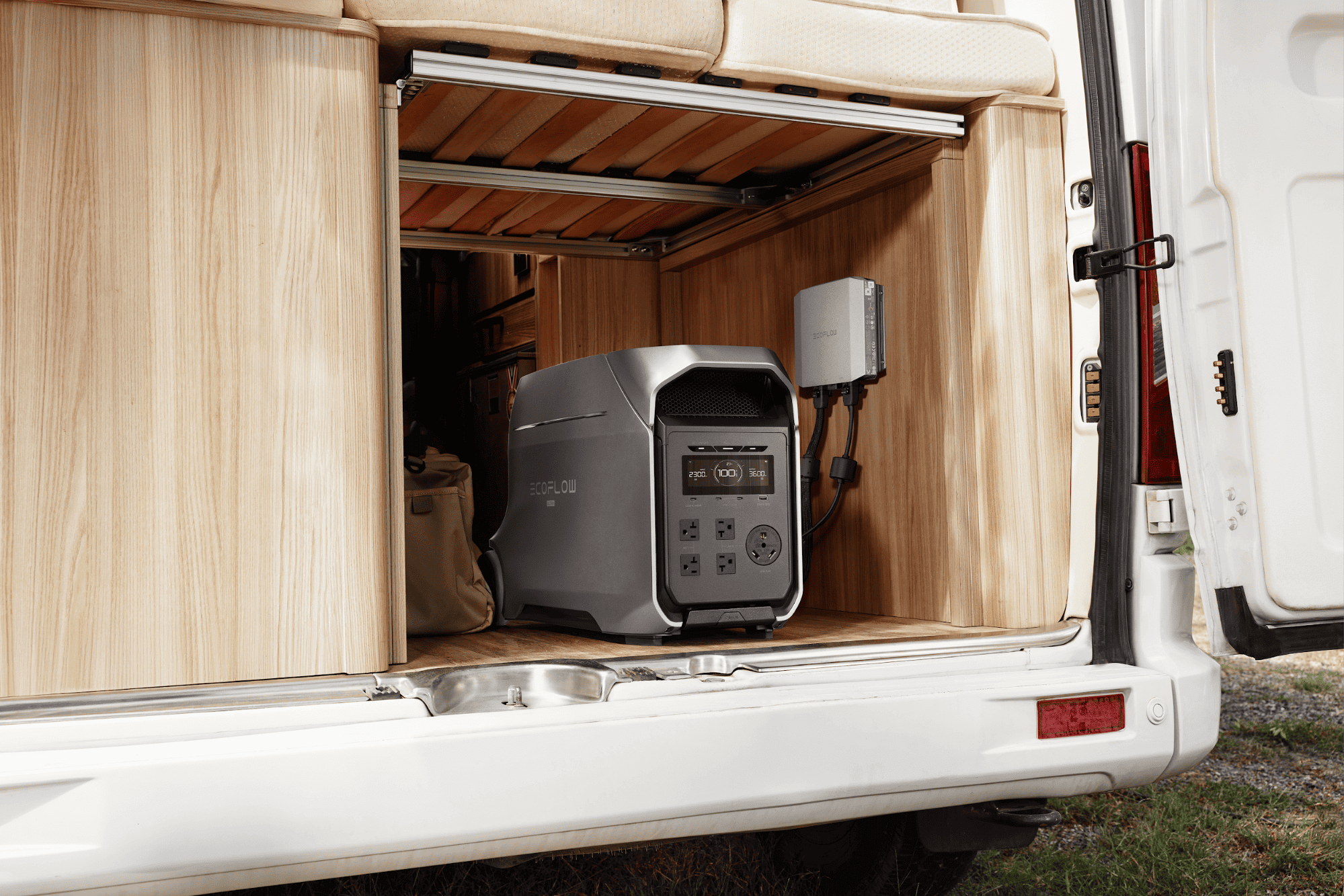
If you’re travelling here, you might be off-grid for a while, so stay powered up with a device like the EcoFlow DELTA 3 Ultra Plus Portable Power Station (3072Wh) to get access to power wherever you go.
What Should You Pack for Camping in British Columbia?
The weather in BC can change incredibly fast, so you can start your trip in glorious sunshine and end in a downpour. Make sure you pack appropriately, especially if you’re going freestyle camping.
Clothing essentials, including a waterproof shell jacket, fleece mid-layer, base layers, hiking pants, and warm socks.
Adequate shelter that is appropriate to the season. This means a three-season tent with a full rainfly, which should handle most conditions.
A sleeping bag rated to -0°C in the summer and -10°C for shoulder seasons.
Cooking equipment, extra fuel, pots, and a food container that can withstand bears.
A water filter (you’ll find lots of fresh water sources, but you need to treat them).
Safety gear, including a first aid kit, headlamp, paper maps, GPS device, bear spray, and satellite messenger.
A portable off-grid power system so you have the means to reliably charge your phone and power other important electrical devices.
How Can You Prepare for Remote Camping Conditions?
Planning is essential when you’re camping in remote areas like Western Canada. Once you have determined where you’ll stay and for how long, tell someone else your plan. Let them know where you are and when to expect you back so they can raise the alarm if necessary.
Weather conditions can change fast, so planning for this is essential to avoid being caught off-guard. Check Environment Canada forecasts before you go, but be prepared for the unexpected.
Know wildlife safety protocols, especially around bears, which are present in much of BC. Store food in bear-proof containers, and cook and eat a good distance from your tent. You might also want to carry bear spray.
Fire safety is essential. Wildfire season is getting longer, so find out about fire bans in advance, and always respect bans.
You should also carry enough water. Take more than you think you’ll need, and identify water sources before you leave so you know where to access water should you need to.
Off-grid power is key for BC camping, too, especially when you’re headed to remote locations, since you won’t have readily available power outlets or sources at your disposal.
What Off-Grid Power Solutions Work Best for Camping Trips?
There are lots of options for off-grid power solutions, depending on the type of trip you’re headed on.
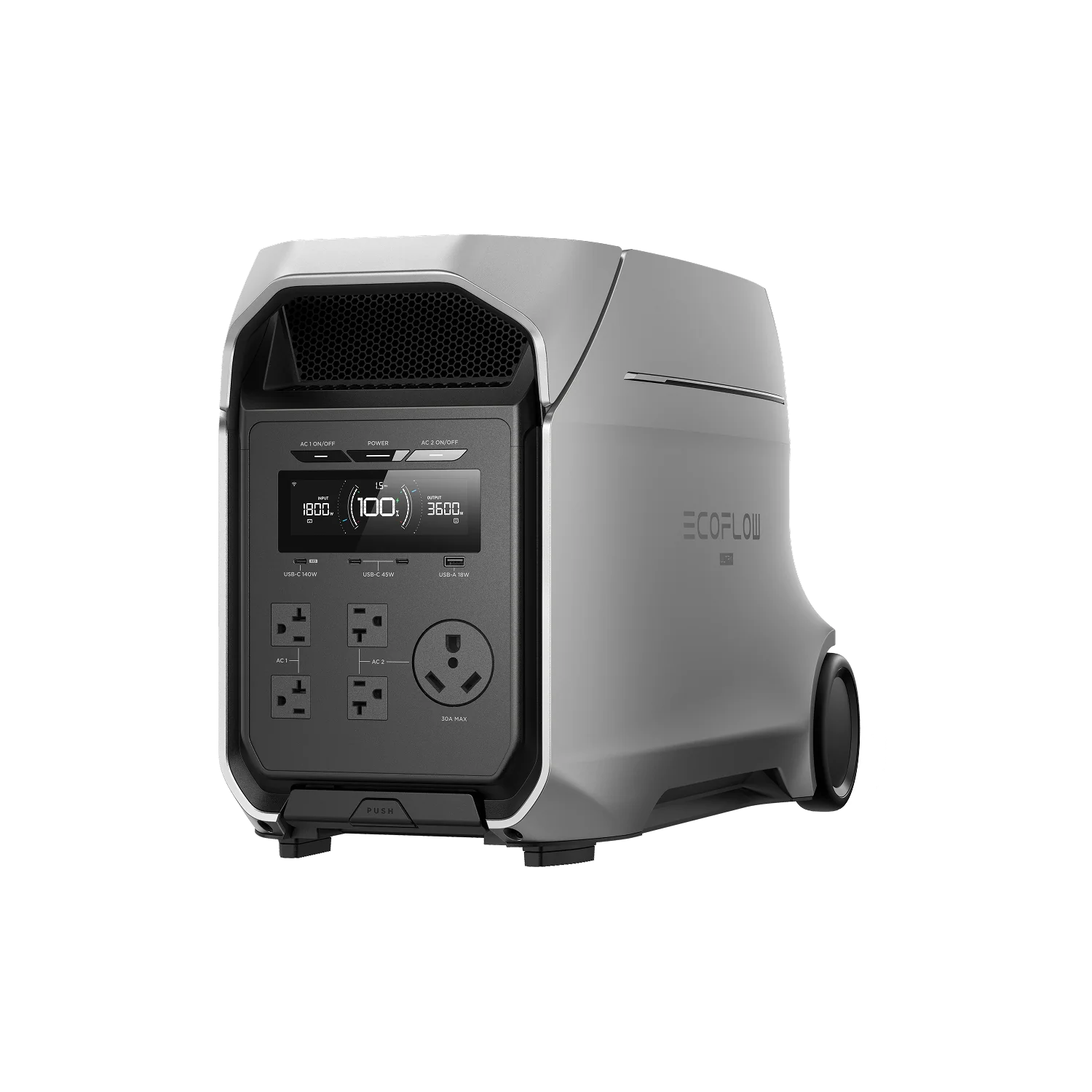
A battery-powered portable power station is the most practical choice because it’s easy to transport, it doesn’t emit fumes, and it runs quietly. They feature USB ports, AC outlets, and 12V outputs, so you can power, run, and recharge various devices on your camping trip.
The EcoFlow DELTA 3 Ultra Plus is a practical choice for car campers and group setups. With 3072Wh of capacity, you can run a portable fridge, charge phones and laptops, and keep lighting going for multiple nights before you need to recharge. AC outlets, USB-A, USB-C, and 12V outputs cover most camping gear without adapters. It also fast-charges at home, so you can top it up overnight before you head out.
What Are the Best Power Options for Multi-Day Outdoor Trips?
If you’re going into the backcountry for longer, you’ll want a good power option to keep you powered the whole time.
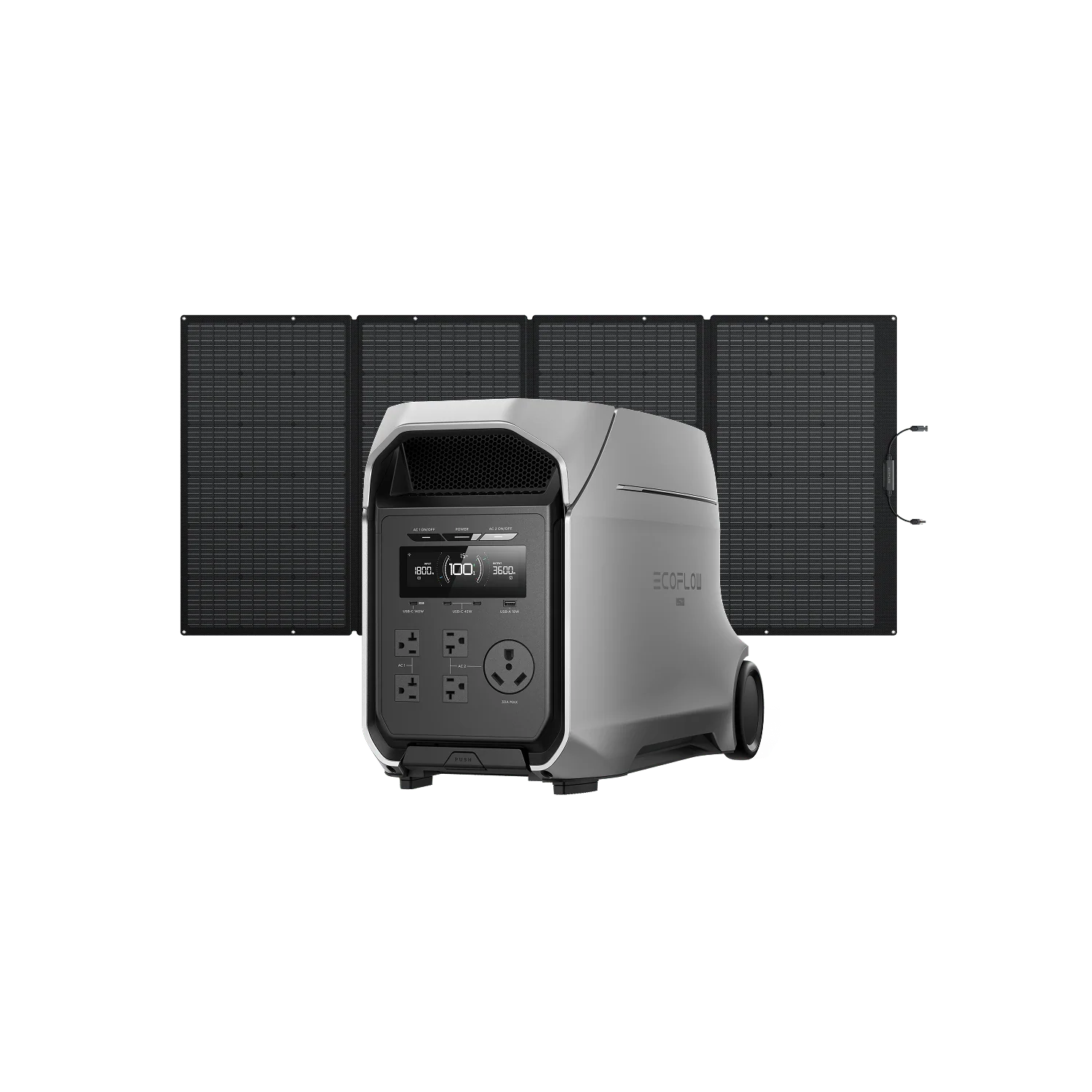
You can pair a power station like the EcoFlow DELTA 3 Ultra Plus with 400W Solar Panels to create a self-sufficient power loop for the duration of your trip.
The solar panels recharge the power station during the day, which means you're not limited by how much charge you left home with. BC's long summer days give you a wide solar window, and even partial sun delivers a useful top-up while you're stopped at camp. It's a solid setup for anyone heading out for more than 2 or 3 nights.
Frequently Asked Questions
When Is the Best Time to Camp in British Columbia?
Mid-June until early September is the best time for camping in BC because the weather is warmer and more reliable, with less chance of rain. Vancouver Island sites tend to open from May, but the summer months are the best in general.
Are Generators Allowed in BC Parks?
The rules on generator use vary by park and campground. Most allow generators during specific hours, often in the morning and evening, but some prohibit them. Battery-powered stations can normally be used at any time of the day, but always check the rules first.
Reliable Portable Power Makes Camping in British Columbia More Comfortable and Flexible
There is some truly world-class camping in BC, and you’ll find something for everyone. Whether you want a front-country site on the coast, a backcountry lake in the Rockies, or a quiet valley well off the grid, there's something here worth planning for. Wildlife, variable weather, and remote terrain mean that careful preparation is essential.
Plan well in advance and make sure you pack the important gear. The EcoFlow DELTA 3 Ultra Plus with 400W Solar Panel bundle gives you a quiet, fume-free power setup that recharges from the sun, whether you're out for a long weekend on the coast or a week deep in the backcountry.