Juan de Fuca Provincial Park: Campsites, Hiking Trails & Outdoor Tips
Juan de Fuca Provincial Park follows the southwestern shore of Vancouver Island, from just west of Jordan River to Port Renfrew. Along that stretch, beaches take the Pacific head-on, rainforest starts a few dozen steps from the driftwood, and a coastal trek people plan whole trips around. Some come for the day and walk out to Mystic Beach; some book a site at China Beach; others load a pack and disappear onto the Marine Trail for four or five days. All three work, but they take more planning than the size of the park suggests. The tides cut off parts of the trail twice a day, nothing stands between these beaches and the Pacific swell, and the ground stays wet long after the rain stops.
What Makes Juan de Fuca Provincial Park Worth Visiting?
Much of the appeal is how abruptly the landscape changes, and how little walking it takes to see it. You can walk twenty minutes and go from green half-light under the trees to a beach with the open Pacific in front of you. It’s sudden enough that first-time visitors often stop at the edge of the trees before stepping onto the sand.
Rugged Pacific Coastline and Scenic Beaches
These beaches face the open ocean, and the swell builds over several thousand kilometres of open Pacific before it arrives. The shoreline looks the part. Within a few hundred metres the pebbles give way to coarse sand and back again, sea stacks stand off the points, and the driftwood above the high-tide line, worn smooth by the sea, makes the best seat on the beach, where having a compact power station back at your vehicle ensures your camera gear and devices stay charged for long coastal sessions. At low tide, forest creeks spill off the ledge onto the stones below. One BC Parks warning catches people off guard: watch for orange marker floats hanging in the trees above the beaches. They show where to leave the sand and pick the trail up again, and at high tide or in a storm those exits matter far more than you’d think.
Ancient Coastal Rainforests and Wildlife
Fifty paces inland and the sound of the surf drops away beneath a thick roof of spruce, hemlock and redcedar. Moss covers the forest floor, the fern gullies stay damp, and in fog the light under the canopy goes flat and green. The forest holds more wildlife than most visitors ever see:
Marine Life: Sea lions haul out on the offshore reefs, and you can hear them long before you see them. Grey whales pass by on migration, and orcas hunt the same water.
Birdlife: Bald eagles sit high in the old-growth snags watching for fish, and down on the gravel, black oystercatchers pick along the tide line with their bright orange bills.
Forest Mammals: Black bears, cougars, and coastal wolves all roam the backcountry, so keep the noise up and the camp clean.
Rich Tide Pools at Botanical Beach
At the park’s western end, the waves have worked the sandstone shelf at Botanical Beach into deep, smooth basins, and people come from well beyond the island to see them. The basins start to drain once the tide falls below 1.2 metres (4 feet), and what the water leaves behind is the reason for coming: ochre sea stars in shades of purple and orange, giant green anemones, and urchins jammed into every crack. At 0.9 metres (3 feet) and lower, more of the shelf stands exposed, and that’s when the pools turn into aquariums. Two things before you walk out. First, keep watching the water, because waves still sweep the shelf on a falling tide, and leave yourself a clear way back to the beach. Second, keep your hands out of the pools: a trace of sunscreen on your fingers is enough to kill what lives in them, and taking anything living from this shore is strictly prohibited under provincial law.


Where Can You Camp at Juan de Fuca Provincial Park?
Where you sleep comes down to how much gear you’re prepared to haul, making this park home to some of the best places to camp with a tent along Vancouver Island’s coast. China Beach puts its sites just off Highway 14, while the Marine Trail strings its wilderness campsites out along the shore.
China Beach Campground for Car Camping
China Beach Campground sits in the trees just off Highway 14, roughly 35 kilometres west of Sooke, which makes it the natural base if you want the shoreline on your doorstep and a car full of supplies. Park at your site and the bulky gear comes too: coolers, camp stoves, extra bedding, the stuff that never makes it into a backpack.
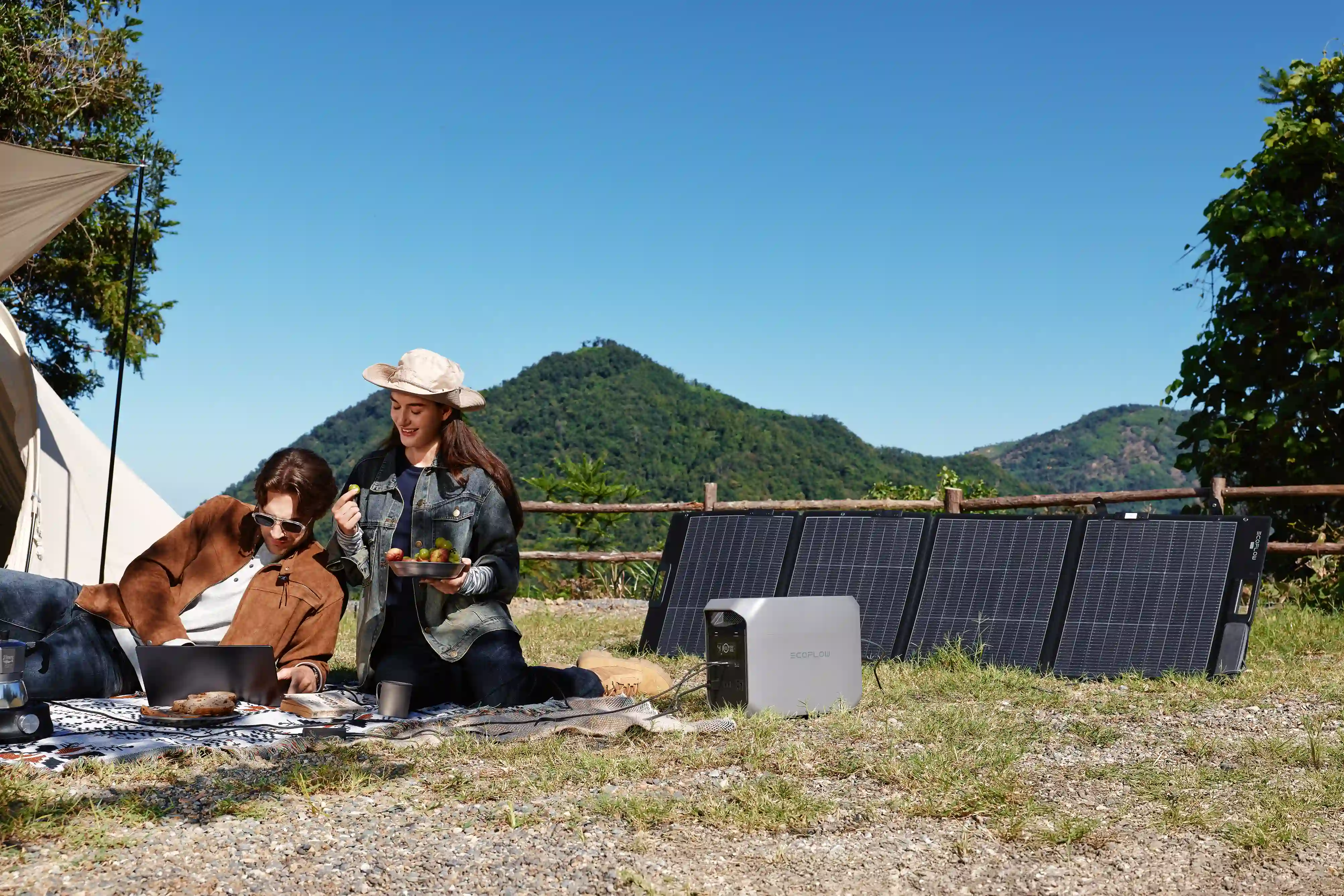
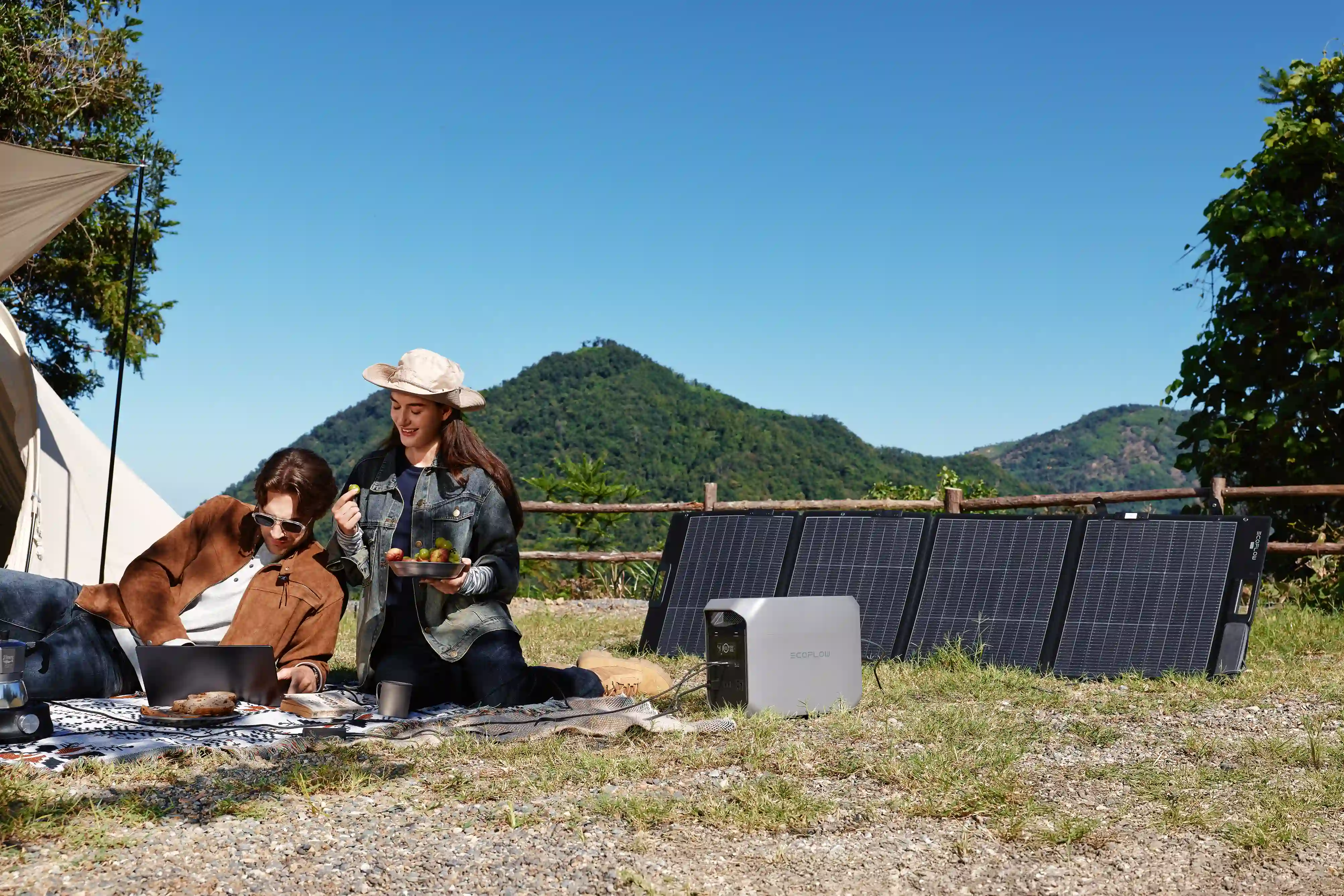
For longer stays, a portable power station like the EcoFlow DELTA 3 Max can keep lanterns, phones, cameras, laptops, and other essentials running. Its larger capacity also makes it suitable for more demanding gear, including portable refrigerators and electric cooking appliances. It can be charged before your trip or paired with compatible solar panels at camp, giving you more flexibility when staying several days without electrical hookups.
Wilderness Camping Along the Marine Trail
Backcountry camping happens at the wilderness sites strung along the trail, and no two of them are alike. Sombrio, Chin, Bear, and Mystic put you on a gravel bench above the reach of the tide, close enough to the water that the surf is the last thing you hear at night. Little Kuitsche and Payzant Creek are the forest exceptions, inland under the trees, with wooden platforms to pitch on instead. Wherever you end up, pitch above the driftwood-and-kelp line left by the last high tide, and expect pit toilets and food caches to be about all you’ll find, though keeping a portable power station at the trailhead vehicle ensures backup power for satellite communicators upon your return.
Reservations and Campsite Availability
Summer on southern Vancouver Island means real competition for campsites, and two separate systems run at once:
Vehicle Camping: China Beach Campground is booked through BC Parks from May to September. The good sites book up months ahead, and holiday long weekends are the first to go.
Backcountry Camping: Marine Trail permits become available online two weeks ahead of your trip through the BC Parks portal, or you can self-register with cash at a designated trailhead; the sites themselves stay first-come, first-served.
Campground Facilities and Basic Amenities
| Campground Type | Location | Drinking Water | Toilets | Fire Pits | Accessibility |
|---|---|---|---|---|---|
| China Beach (Frontcountry) | Highway 14 Entrance | Untreated water (seasonal hand-pumps/taps; boil or filter before drinking) | Pit toilets, plus new flush-toilet and shower buildings (2025) | Yes (campfire bans apply in dry summer) | Drive-in vehicle access |
| Backcountry Beach Sites | Beach campsites along the trail (Mystic, Sombrio, etc.) | No (stream water must be treated) | Pit toilets | Beach fires permitted below high tide (check bans) | Hike-in only |
Which Hiking Trails Are Most Popular?
You don’t need to walk all 47 kilometres to see the best of this park. Short routes reach beaches, tide pools, and viewpoints in well under an hour, and the full trail is there when you want to walk for days.
Juan de Fuca Marine Trail
The full route runs 47 kilometres, from China Beach at one end to Botanical Beach at the other, and it’s the wilder, quieter alternative to the West Coast Trail further north, where getting a permit is a project of its own. On the ground, you’re dealing with steep headland climbs, muddy ravines through rainforest, and suspension bridges slung across the gullies — the stretch from Bear Beach to Chin Beach, where the climbs come one after another, is usually the hardest day. Most people take 3 to 5 days, and two things set the schedule: some beach sections are passable only at low tide, and the rest is soft underfoot whether or not it rained this week.
Mystic Beach from Juan de Fuca East
The walk to Mystic Beach starts from the Juan de Fuca East parking lot, just up the road from the China Beach turnoff. At 2 kilometres one way, it offers an exceptionally rewarding coastal hike for the effort. The path works its way under mature spruce, crosses a suspension bridge above Pete Wolf Creek, and then drops down a steep set of timber steps to the sand. At the far end, a waterfall spills off the cliff into the surf. Aim for low tide if you can: the beach is far wider then, and you can walk right under the falls.
Botanical Beach and Botany Bay
An easy 2.5-kilometre circuit outside Port Renfrew links Botany Bay and Botanical Beach along gravel paths and stretches of boardwalk. It starts at the bluff-top lookouts above Botany Bay, where sea stacks stand off the point and there’s nothing between you and the horizon, then drops to the sandstone shelf. Timing is the whole game on this one. Botany Bay is worth the walk at any tide, but the flats and the pools only appear around low tide, so arrive while the water is falling rather than hours later.
China Beach
From the day-use lot at China Beach, it’s a 15-minute walk downhill through mature forest to pale grey sand mixed with smooth cobble. It’s the easiest walk in the park, gentle enough for small children, and people come here to picnic and skip stones. On a clear morning the fog lifts and the Olympic Mountains come into view across the Strait, and it’s worth being up early to watch it happen.
How Can You Prepare for an Outdoor Trip?
Rain, mud, limited facilities, and shifting tides shape nearly every trip here. Sorting out the forecast, the tides, how you store your food, and what’s on your feet prevents most of the problems visitors actually run into.
Check Coastal Weather Forecasts and Tide Tables
Marine weather on this coast turns quickly, and the wind picks up fast. Check the marine forecast for the Port Renfrew area rather than Victoria, and since cell coverage on the trail is spotty, download the tide table before you leave Sooke. Several sections of the Marine Trail and the walkable shelf at Botanical Beach become impassable at high tide, and at the highest tides they turn dangerous rather than merely inconvenient. Plan the day around low tide instead of the other way around.
Pack Essential Hiking and Camping Gear
Wet is the default condition out here, so good rain gear is worth every gram. You want sturdy boots with enough tread to bite on wet rock, gaiters for the mud, and both a waterproof shell and proper rain pants.
Back at camp, you'll want a tent whose rainfly reaches the ground, a sleeping bag rated colder than the forecast, a headlamp each, a water filter or purification tablets, and more food than the trip looks like it needs. If you’re camping with a vehicle, the EcoFlow DELTA 3 Classic Portable Power Station can also be useful for charging phones, cameras, GPS devices, and headlamps. It can handle small campsite appliances such as a portable cooler or electric kettle as well, which is especially handy on longer stays when there’s no electrical hookup nearby.
Store Food Safely Around Wildlife
This is bear and cougar country. Backcountry sites have metal food caches, and everything that smells goes in them: meals, toothpaste, cookware, and garbage. At China Beach, the usual mistake is leaving a cooler on the picnic table or a bin of snacks in an open truck bed while you walk down to the water. Anything scented counts among the essential items to keep in a car sealed inside a hard-sided vehicle with the windows up, and the same discipline applies at the backcountry caches, whether or not you’ve seen a bear.
Prepare for Rough Terrain and Wet Trail Conditions
Don’t read the elevation numbers and conclude the trail is easy: it hugs the coast and never climbs far above sea level. The footing is the hard part. Exposed roots, slippery boardwalks, boulder fields, and mud that comes up to your knees after a wet week are all standard. Trekking poles help on the corduroy sections and on wet rock at the tide lines; they’re worth carrying for the balance alone. Shorten your step on anything slick, and keep a pair of wool socks in a sealed bag for the end of the day.
Conclusion
Juan de Fuca works well as a day trip and rewards a longer stay. China Beach is the easy place to settle with a car, while Mystic Beach, Botanical Beach, and the Marine Trail between them cover everything from a two-kilometre walk to five days on the coast. Look at the marine forecast and the tide table before settling on a plan, expect mud, and pack for weather that can turn several times in a day.
Disclaimer: Trail conditions, camping rules, and tide schedules in Juan de Fuca Provincial Park are subject to change. Always check the official BC Parks Portal and DFO Tide Tables before your trip. Removing natural or marine life from the park is strictly prohibited.
FAQ
Is the Juan de Fuca Trail Open in 2026?
Yes. BC Parks fully reopened the Juan de Fuca Marine Trail on July 1, 2026, after storm-damage repairs, and backcountry permits can be reserved via the BC Parks Reservations Portal. Individual sections, crossings, or access points may close for repairs, so read the advisory page before you drive out and check the notices in the trailhead shelters when you arrive.
How Long Does It Take to Hike Juan de Fuca Trail?
Most hikers take 3 to 5 days for the full 47 kilometres, depending on fitness, pack weight, and how much mud the last storm left behind. People breaking it into stages usually plan around the four trailheads (China Beach, Sombrio, Parkinson Creek, and Botanical Beach), which split the route into legs of roughly 10 to 27 kilometres.
Is the Juan de Fuca Trail Difficult?
Yes, it’s rated moderate to strenuous, and the difficulty is in the footing more than the climbing. Steep headland climbs, exposed roots, and deep mud are what wear you down, and tackling them on tired legs by day four feels like a different challenge entirely. The beach access walks at China Beach and Botanical Beach are straightforward, but the full route needs stamina, proper footwear, and some experience travelling in wet backcountry.
What Is the Best Part of the Juan de Fuca Trail?
Botanical Beach and Mystic Beach are the two that come up most often, and for different reasons. Botanical Beach is all about the sandstone shelf, offering one of the most accessible ways on this coast to see what the tide leaves behind. Mystic Beach gives you the suspension bridge, the bluffs, and a waterfall that goes straight into the ocean. If you only have one day, pick Botanical Beach and time it to the low tide.