What Is a Photovoltaic Power Station? From Utility-Scale Solar to Home Systems
- What Is a Photovoltaic Power Station, and How Do They Work?
- What Components Make Up a Photovoltaic Power Station?
- What Are the Benefits of Photovoltaic Power at Any Scale?
- How Can You Bring Photovoltaic Power Into Your Own Home or Off-Grid Setup?
- Frequently Asked Questions
- Photovoltaic Power Technology Scales From Utility Grids to Personal Backup Systems
Solar technology is playing a leading role in the transition to clean energy all over the world. Photovoltaic power stations are being constructed in many countries, and they generate huge amounts of green electricity at grid-scale levels.
However, the same technology can also be used in the home, and even in portable devices. Understanding how they work demonstrates how accessible clean energy has become.
What Is a Photovoltaic Power Station, and How Do They Work?
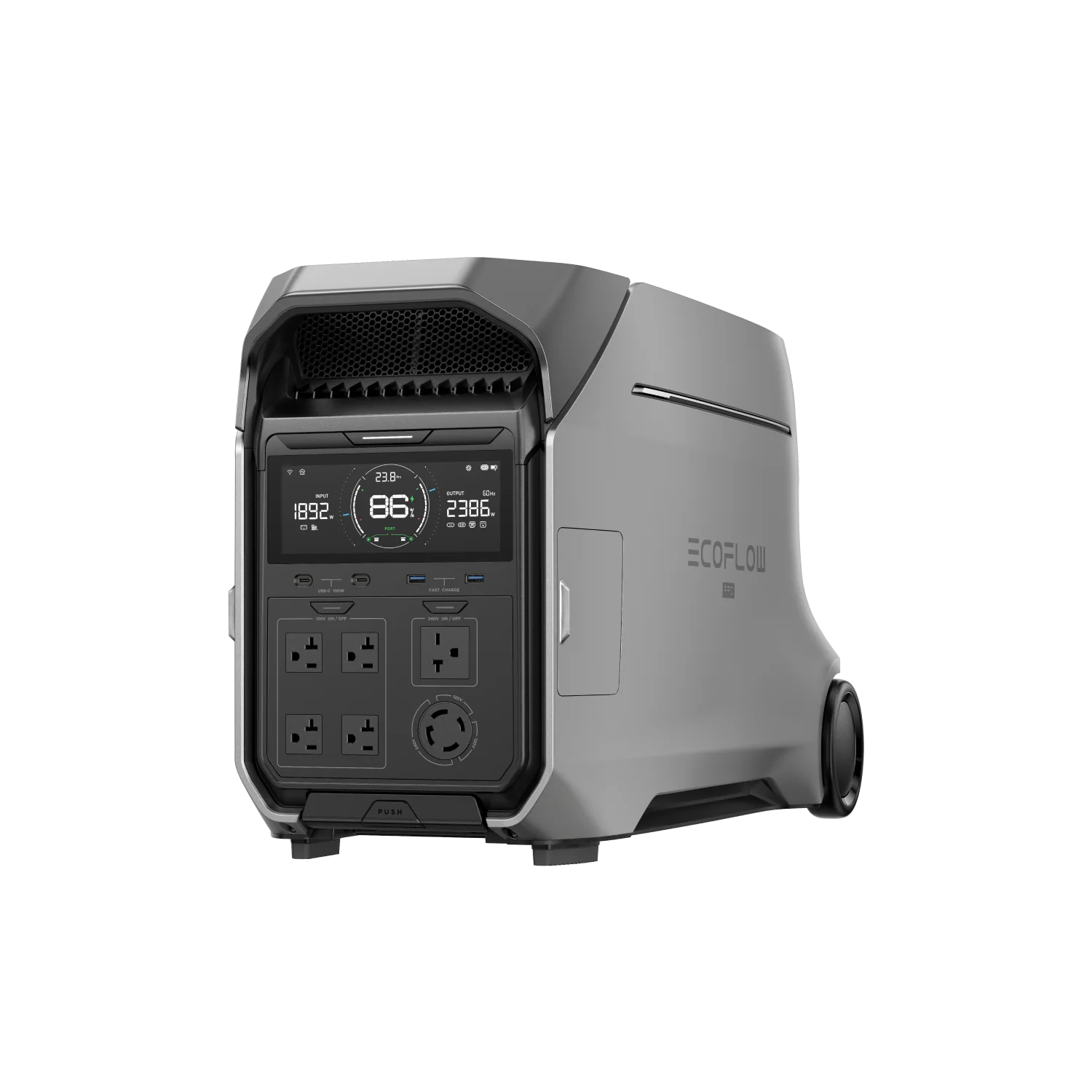
A photovoltaic (PV) power station, sometimes called a solar farm or a solar park, is an electrical facility on an industrial scale. However, it can also come in a portable format, like the EcoFlow DELTA Pro 3 Portable Power Station when paired with solar panels.
Solar thermal installations are different. These use mirrors to heat water into steam, which then turns turbines in the traditional way. PV power stations, on the other hand, use solid-state physics to generate electricity.
Solar power is made by capturing sunlight and converting it to electricity. This is a process that takes place in the photovoltaic cell. This is made from semiconductor materials, often silicon, and is right at the centre of the process.
The basic process is that photons from sunlight strike the cell and transfer energy to the electrons in the semiconductor layer, which excites the electrons. These then break free from their atomic bonds and flow through the material, and it’s this movement that creates an electrical current.
This is called the photovoltaic effect, and it forms the foundation of solar electricity generation, from huge arrays to portable power stations.
What Components Make Up a Photovoltaic Power Station?
A fully functional PV power station is a complex ecosystem that uses various hardware components to collect and distribute energy.
Photovoltaic Arrays – These are the most visible elements. Manufacturers link PV cells in series to create the solar array. The surface area of the array determines how much electricity the system can produce.
Inverters – Solar cells generate electricity in direct current (DC), but grids and household appliances use alternating current (AC). The inverter transforms this raw DC into AC using electronic switching mechanisms.
Energy Storage Systems – Daylight levels naturally fluctuate, and modern PV facilities use energy storage to manage this. Peak sunlight hours can create excess electricity, so the system routes this into battery banks, usually lithium-ion or lithium iron phosphate (LiFePO4). This stored energy is then released when needed.
Safety Equipment – High-voltage systems need defensive hardware to prevent failure. DC circuit breakers and Surge Protection Devices (SPD) keep everything safe.
What Are the Benefits of Photovoltaic Power at Any Scale?
The environmental benefit is one of the most important. By generating clean electricity from the sun, PV technology provides a clean and renewable source of energy, helping to reduce emissions and lower dependence on fossil fuels.
The operational costs are very low for a PV setup, leading to cheaper energy production.
Households get protection from rising utility rates because the sun provides a free source of energy. Homeowners can often recoup their hardware investments in a few years by paying less on their bills.
Both large and small installations add resilience to the energy grid and provide protection from blackouts caused by severe weather.
How Can You Bring Photovoltaic Power Into Your Own Home or Off-Grid Setup?
While photovoltaic power stations are often on industrial scales, the same technology can be used in your home, or even in a portable system to take with you when you go off-grid.
Whole-home backup systems are one example. While these can be used without solar power, they can also be paired with rooftop or ground-mounted solar arrays. This is essentially the same system technology as a utility-scale station, but it’s adapted for the home.
These store energy from the sun in the batteries, then switch immediately to this stored energy when the grid goes down, providing households with energy independence.
As well as getting a free source of electricity and the peace of mind of a backup, you could even benefit from government rebates, like the Ontario solar panel rebate, to make it even more affordable.
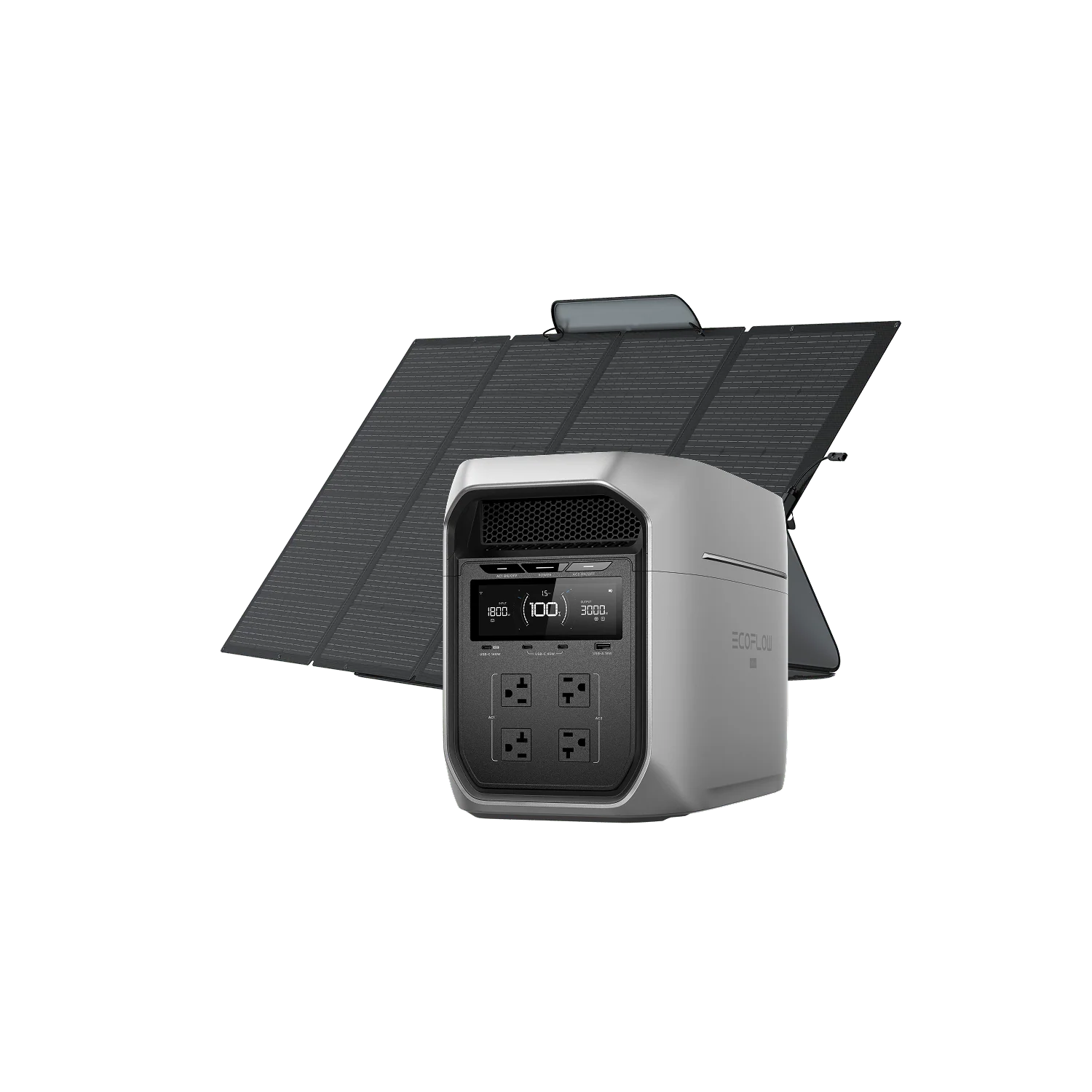
Portable power stations are another way to store and use solar energy. These small and portable devices can be paired with an EcoFlow DELTA 3 Max Plus + 400W Solar panel to charge up the battery. They can then be used to charge your devices while camping or on any outdoor adventure.
Frequently Asked Questions
Can a Home Have Its Own Photovoltaic Power Station?
Yes, you can have your own PV power station at home. By installing an array of solar panels on your roof, or even mounting them outdoors, you can generate electricity for your home using the same technology as used in industrial-scale PV power stations.
Is a Portable Power Station the Same as a Photovoltaic Power Station?
These are similar, but on a different scale. A photovoltaic power station is a permanent installation, while a portable power station is a compact device with an internal battery and inverter for plug-and-play backup you can take off-grid. It must be paired with solar panels to store solar energy.
How Much Electricity Can a Photovoltaic Power Station Produce?
It depends on the size of the system. Utility-scale installations generate far more electricity than a home setup, since they’re built to serve entire communities rather than a single household. A residential system, by comparison, is sized to cover one home’s daily energy needs, not power a whole city.
Photovoltaic Power Technology Scales From Utility Grids to Personal Backup Systems
Photovoltaic power technology has changed the energy landscape, providing power to entire communities and individual homes. The same process that is used in industrial-scale power stations can now be used in the home, so everyone can take advantage of green power.
There are many options available for generating power at home using PV solar panels. Explore the range of portable power stations at EcoFlow to get started, then enjoy generating power at home to reduce your electric bill and increase your energy independence.