How Is Solar Power Made? A Beginner’s Guide for Canadian Homeowners
- How Does Solar Power Work in Canadian Homes?
- Why Do Some Canadian Homes Produce Less Solar Power?
- What Equipment Do You Need for a Solar Power Setup?
- Typical Residential Solar System Specs in Canada
- How Do You Use Solar Power for Daily Home Needs?
- How Do You Maintain Your Home Solar System Safely?
- Conclusion
- FAQ
Solar power is playing a bigger role in how Canadian households manage energy. More homeowners are looking to cut electricity bills and use more of the power their own solar panels produce. While most people know what rooftop solar panels look like, fewer actually understand how sunlight turns into usable electricity.
This guide explains how solar energy works in Canadian homes, from electricity generation through photovoltaic cells to conversion, storage, and household distribution. It also covers system performance across Canada’s climates, essential equipment for a reliable setup, and how battery storage supports nighttime use and backup power during outages.
How Does Solar Power Work in Canadian Homes?
Switching to solar power involves a few simple steps and connects directly to your home’s existing electrical system. Even with Canada’s cold, snowy winters, strong sunlight and long daylight hours still provide solid energy production for much of the year.
Capture Daytime Sunlight Using Photovoltaic Panels
The process starts on your roof. When sunlight hits the silicon cells, it knocks electrons loose and generates an electrical current. Winter conditions can lower your output, but light reflecting off surrounding snow—a phenomenon known as the albedo effect—can significantly boost performance on clear winter days, helping offset the shorter daylight hours.
Convert DC Into Usable AC Power
Solar panels produce direct current (DC) electricity, but household appliances run on alternating current (AC). An inverter converts the DC electricity generated by your solar panels into usable AC power that can safely supply your home.
Power Household Appliances in Real Time
After conversion, the electricity moves to your main electrical panel and goes out to your appliances as needed. This allows your solar power to supply household electricity in real time.
Send Excess Energy Back to the Grid
When your panels produce more power than your home needs, the surplus goes out to the local grid. Many Canadian provinces offer net metering programs that give you credits for that extra energy, which helps lower your electricity bill.
Why Do Some Canadian Homes Produce Less Solar Power?
According to Natural Resources Canada (NRCan), most residential solar systems in Canada generate 2.5 to 4 peak sun hours per day on average, depending on province and season. This means output varies significantly between regions such as Alberta and British Columbia.
While solar technology is remarkably resilient, environmental variables and structural positioning can directly impact your system’s daily yield. Understanding these localized limitations allows you to set accurate generation expectations and mitigate losses. Let’s look at the primary reasons why your panels might experience a temporary dip in output.
Cloudy Days Reduce Power Output
Cloudy skies scatter the sunlight, so less solar radiation hits your panels. Modern systems still generate electricity, but output typically decreases by 5–25% compared with clear-sky conditions. That means seasonal weather matters when you plan out your yearly energy needs.
Wrong Roof Direction Cuts Peak Generation
Understanding the best direction for solar panels helps homeowners maximize peak production and improve system efficiency. In the Northern Hemisphere, south-facing panels get the most steady sunlight throughout the day. East or west-facing roofs cut down your peak production hours. A bad tilt angle also makes it harder for snow to slide off. Furthermore, an optimal winter tilt allows your panels to better capture the albedo effect (sunlight bouncing off the snow-covered ground), which hurts your seasonal performance if misaligned.
Tree Shade Lowers Charging Speed
Even a little bit of shade can reduce system efficiency. Solar cells connect in a series, so a single shadow from a tree or chimney can drag down output across the whole string of panels. That means less real-time power and slower battery charging.


What Equipment Do You Need for a Solar Power Setup?
Putting together a reliable, high output solar system takes a smart mix of harvesting, converting, and storage gear. For Canadian homeowners, building a resilient setup is not only a way to reduce daytime energy costs, but also a practical safeguard that keeps essential appliances operating during winter storms or ice-related grid outages. Here's the basic hardware you need to build a modern, solid solar system.
Install Photovoltaic Panels on Your Roof
The solar panels on your roof do the heavy lifting. They take sunlight and turn it into DC power. Getting the tilt and orientation right helps you get better performance through each season, especially in the winter.
Typical Residential Solar System Specs in Canada
Most Canadian residential systems fall within these ranges:
System size: 5 kW – 12 kW
Annual output: 6,000 – 14,000 kWh/year
Panel efficiency: 18% – 23% (monocrystalline panels)
Installed cost: $2.50 – $3.80 per watt
Payback period: 7 – 12 years depending on province
Understanding these core system metrics can also help homeowners better evaluate how to calculate solar power ROI before investing in a residential solar installation.
Connect Reliable Inverters to Electrical Systems
The inverter acts like the brain of your solar setup. It takes raw DC power and turns it into usable AC power for your home. Whether you go with a central string inverter or small microinverters tucked under each panel, this piece of gear makes sure the electricity flowing into your house matches exactly what your electronics need.
Integrate Whole Home Smart Battery Infrastructure
In a typical Canadian home with solar, your panels produce power during the day, but most household electricity is used in the evening and overnight. Solar batteries store excess electricity generated during the day, allowing homeowners to use it at night or during periods of low solar production. This increases self-consumption by using more solar power directly at home instead of exporting it to the grid.
For larger households requiring extended backup capacity, systems such as the EcoFlow DELTA Pro Ultra Whole-Home Backup Power provide expandable storage that can be integrated with residential solar setups. This expandable ecosystem integrates seamlessly with your solar array, and can provide backup power for essential household circuits during outages, depending on system configuration during winter storms or prolonged grid failures.
Deploy Portable Expandable Power Station Kits
Not everyone needs permanent panels bolted to their roof. Lots of Canadians want something flexible for mobile or off grid life. Think RV trips across the provinces, camping in national parks, remote job sites, or a weekend cabin. No grid out there, but you still need to keep your devices running.
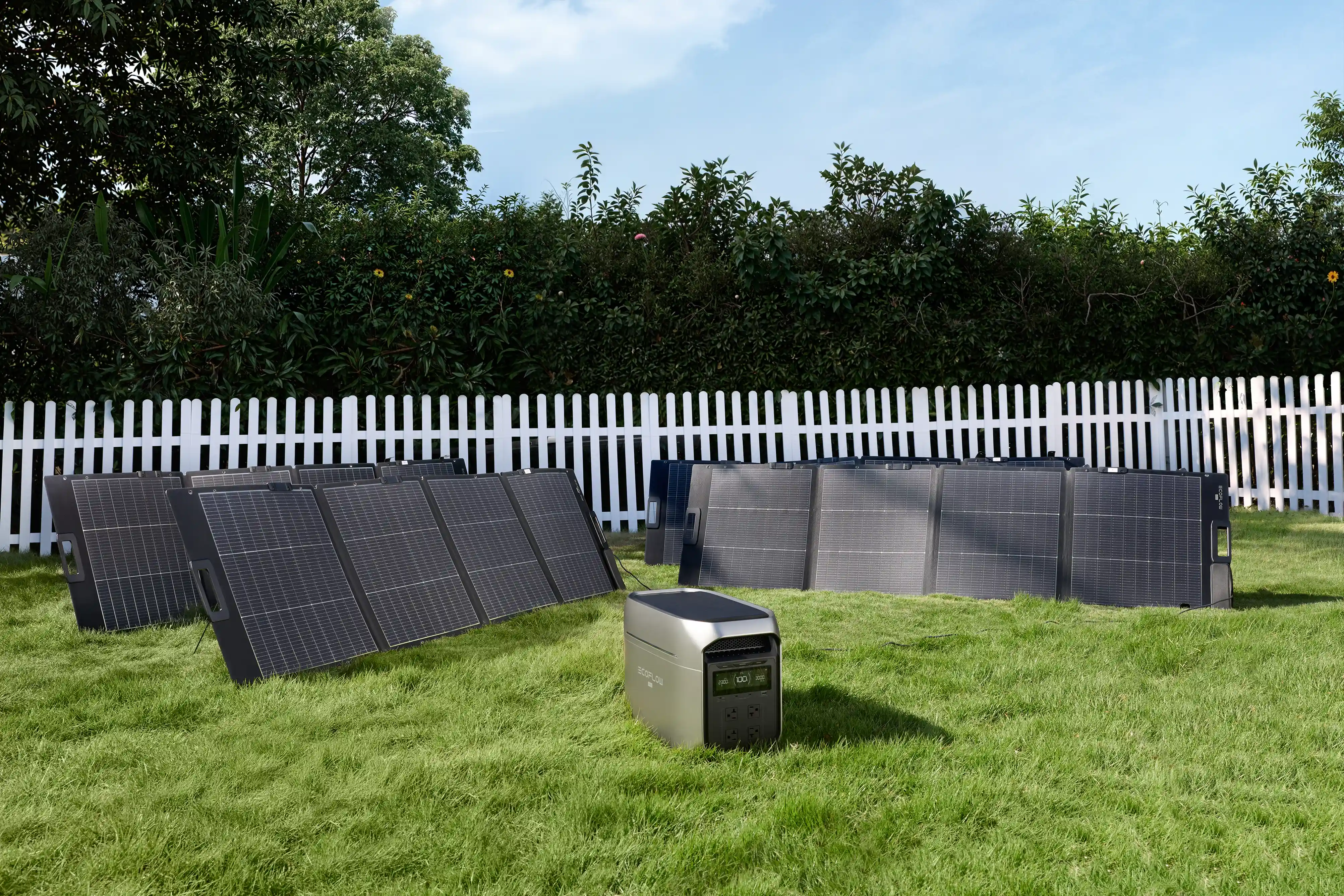
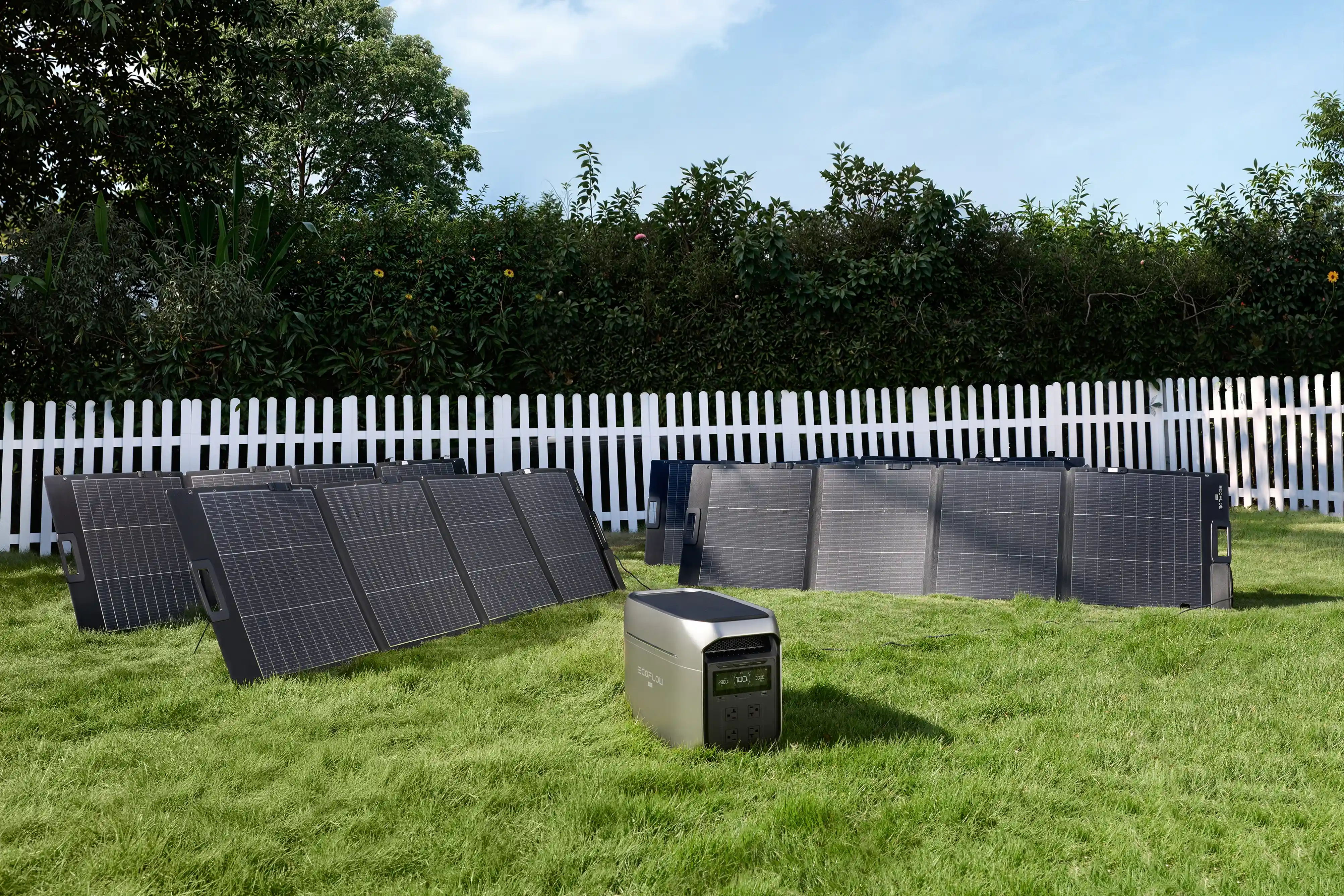
In these on-the-go scenarios, a full rooftop installation isn't practical, making a portable kit like the EcoFlow DELTA 3 Max Plus (2048Wh) + 500W Solar Kit the ideal choice. This portable, expandable power station kit allows you to collect solar energy during the day to power smartphones, laptops, portable fridges, and emergency lighting, making it a practical solution for both outdoor travel and emergency backup use in Canada.
How Do You Use Solar Power for Daily Home Needs?
Once installed, solar energy can support a range of household electricity needs, depending on system size and configuration. For added flexibility during grid outages, a portable power station can also complement your home solar setup by providing backup power for essential appliances when needed.
Run Essential Kitchen Appliances Safely
Your kitchen has some of the biggest power hogs in your house, from microwaves to full size fridges. A properly sized system, especially with a strong inverter, handles the high startup loads those appliances need. That means you can cook, keep your food cold, and run the dishwasher on clean, renewable energy.
Power Heavy Home Air Conditioning Units
Canadian summers can bring intense heatwaves, causing air conditioners to run continuously and significantly increasing household electricity costs. But fortunately, peak AC demand lines up perfectly with peak solar production in the afternoon. Running your cooling system on solar energy during these hours helps keep your home comfortably cool while limiting higher summer electricity costs.
Charge Electric Vehicles Using Clean Energy
Electric vehicles are showing up everywhere from coast to coast. Charging one at home can place a high demand on a standard electrical system. But if you plug your EV charger directly into your solar plus battery system, you can send clean solar power straight into your car. EV charging can be powered directly by on-site solar generation, reducing reliance on grid electricity.
Keep Household Lights On During Blackouts
When a bad storm or ice storm knocks out power lines in your area, a solar system with smart battery backup jumps into action right away. It disconnects your home from the downed grid and sends stored power straight to your essential circuits. Essential household systems such as lighting, internet connectivity, and home security can continue operating even during widespread neighborhood power outages.
How Do You Maintain Your Home Solar System Safely?
Solar systems generally require limited maintenance, but periodic inspection helps ensure long-term performance.
Remove Surface Debris with Soft Tools
Leaves, dust, and seasonal debris can build up on panels and block the sun. Before you know it, your system starts putting out less power. To clean them safely, just grab a soft brush or a squeegee on a long pole and do it from the ground. Don't ever use anything scratchy or harsh chemicals. Those will permanently mess up the glass that protects your panels.
Trim Nearby Trees for Maximum Exposure
Trees and bushes around your house can grow more than you expect over time and start casting shadows on your roof. Get into the habit each spring of walking around your property and cutting back any branches that hang over your solar panels. Keeping the space above your roof clear means your panels get full sun when you need it most during the day.
Inspect for Structural Damage After Severe Storms
Canada's weather can throw a lot at your solar setup: intense hail, heavy snow packs that sit on your roof for weeks, and high speed wind storms. After any major weather event, grab a pair of binoculars and do a ground level visual check. Look for cracked glass, loose racking, or panels that have shifted out of place. If you spot any damage or notice your system suddenly producing less power, call a certified technician to handle the repairs.
Conclusion
Once you get how solar works and how to run it, you're in charge of your home's energy. Install high-efficiency rooftop solar panels and pair them with a scalable backup like the EcoFlow DELTA Pro Ultra. Or keep it simpler with a portable setup like the DELTA 3 Max Plus. Either way, solar energy can reduce electricity costs and improve backup reliability during outages.
FAQ
How Many Years Does It Take for a Solar Panel to Pay for Itself?
It typically takes 7 to 12 years for a residential solar panel system to fully pay for itself in Canada. This exact payback period depends heavily on your province’s utility rates and local sun hours. While the federal Canada Greener Homes grant and loan programs have concluded, Canadian homeowners can still leverage localized incentives such as the CleanBC Better Homes program, Efficiency Nova Scotia rebates, or municipal Property Assessed Clean Energy (PACE) financing alongside specialized eco-loans from major banks.
What Time of Day Do Solar Panels Work Best?
Peak generation typically occurs around midday when sunlight intensity is highest, making this the most efficient window for running high-load appliances or charging batteries.
How Many Solar Panels and Batteries to Run a Refrigerator?
You generally need 3 to 4 standard 400-watt solar panels paired with a 2kWh to 3kWh battery storage unit to run a modern refrigerator continuously. Refrigerators consume power cyclically, requiring a higher surge capacity to start the compressor and a lower steady wattage to maintain cold temperatures. Having this expanded battery capacity ensures a safe buffer to keep the appliance running overnight, through overcast weather, and during conversion losses.
How Long Will a 300W Solar Panel Take to Charge a 100Ah Battery?
Under ideal conditions, a 12V 100Ah LiFePO4 battery stores approximately 1,200Wh of energy (12V multiplied by 100Ah). In theory, a 300W solar panel could recharge the battery in about 4 hours of peak sunlight. In practice, system inefficiencies and conversion losses of around 20% to 25% extend the charging time to approximately 5 to 7 hours.
Do Batteries Stop Charging When Solar Gets Full?
Yes, but they don't let that solar energy go to waste. Once your batteries reach full capacity, the smart solar charge controller and Battery Management System (BMS) automatically transition. Instead of shutting down, the system redirects the continuous solar power to run your household appliances in real time. Any remaining surplus is then exported back to the utility grid through net metering for electricity credits, all while safely tapering off the current entering the battery to protect its lifespan.