Hiking in Nova Scotia: Cape Breton Highlands Trails, Coastal Routes, and Portable Power Tips
- What Makes Cape Breton Highlands a Top Hiking Destination?
- 4 Best Trails in Cape Breton Highlands National Park?
- 3 Coastal Hiking Routes to Explore in Nova Scotia
- Power Challenges Hikers Face in Remote Areas
- What Gear and Devices Need Power on the Trail?
- How Can Portable Power Stations and Solar Panels Keep You Charged?
- Frequently Asked Questions
- Reliable Portable Power Keeps Your Cape Breton Hiking Adventure Safe and Fully Charged
Nova Scotia, and especially the Cape Breton Highlands, is full of some of the best hiking trails and routes in Canada. Hikes range from easy to difficult, and many offer incredible views of both mountain and sea, along with plenty of wildlife.
This guide covers some of the best hikes in the region and the power-related challenges hikers may face in remote, off-the-grid areas.
What Makes Cape Breton Highlands a Top Hiking Destination?
The diverse geography sets Cape Breton apart from other hiking destinations, from stunning sky-and-sea vistas to dense, river-lined forests.
Trail difficulties are also varied, so the area suits both new and experienced hikers, whether you want a challenging hike one day and an easier one the next.
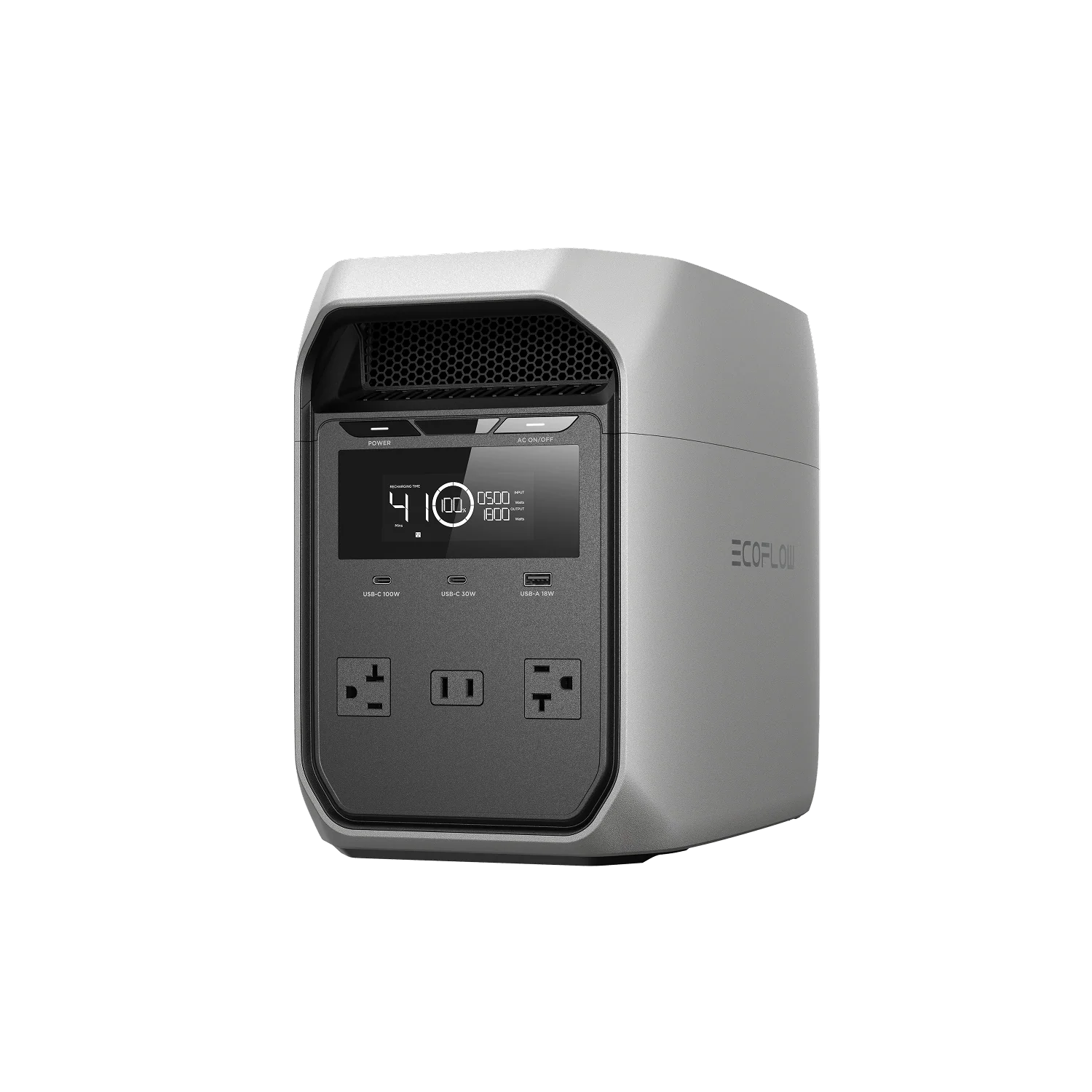
If you're venturing into the park's deeper, more challenging backcountry, bring an EcoFlow DELTA 3 Classic (1024Wh) to keep your devices and other essentials powered.
There's also plenty of wildlife throughout the area, on land and at sea. You may see seals, whales, eagles and other birds, foxes, moose, and black bears.
4 Best Trails in Cape Breton Highlands National Park?
Here's a closer look at some of the best trails in Cape Breton Highlands National Park:
Skyline Trail
The best-known trail in the park, beloved for its cliffside boardwalk. It offers beautiful views, strong whale-watching, and takes about two to three hours.
Franey Trail
Franey Trail is fairly difficult, but finishing it rewards you with views of the coastline and Clyburn Brook Canyon. A shorter loop also offers plenty of scenery.
Middle Head Trail
A great choice if you want to stay close to the water, with plenty of chances to whale and bird watch. It circles a narrow peninsula lined with dramatic ocean cliffs.
Acadian Trail
A great choice for hikers who want a challenge, climbing above the Chéticamp River to views of the river valley, coastline, and highland interior. The loop is long, but benches line the path.
3 Coastal Hiking Routes to Explore in Nova Scotia
If you prefer coastal hiking in Nova Scotia, consider one of these routes:
Cabot Trail Coastal Sections
The Cabot Trail's coastal sections offer standout water and cliffside views, with trails ranging from easy family hikes to challenging routes.
Cape Smokey
Located on top of Smokey Mountain, Cape Smokey offers a clear view of the Atlantic coastline. It's moderately challenging, and the area is also known for excellent birdwatching.
Louisbourg Lighthouse Trail
A short but scenic hike with unobstructed views of the ocean, the Fortress of Louisbourg, and the Cabot Strait, plus a natural expansion trail for those wanting more.
Power Challenges Hikers Face in Remote Areas
Hikers face several power-related challenges in remote areas, including:
Extreme weather, which can damage equipment, overheat electronics, and degrade battery performance.
Battery anxiety: the fear of your phone, GPS, or other device failing while you're out in the wilderness. A lack of outlets makes it impossible to charge devices, and even campsite electricity can fail during a Nova Scotia power outage, so portable backup power is worth having.
Managing device use so it still provides value without draining the battery too early.
What Gear and Devices Need Power on the Trail?
When you're hiking, several devices and pieces of gear need power and charging, including:
Phones and GPS Navigation
Keeping these devices charged is crucial for navigating trails and staying in contact with others if you're injured or need help.
Cameras and Photography Equipment
Given the scenery, you'll likely want a camera on hand. The last thing you want is a dead battery when the view is right in front of you.
Lighting and Campsite Essentials
If you're also camping in Nova Scotia, campsite gear like lights, portable fans, and small electric appliances also needs power.
How Can Portable Power Stations and Solar Panels Keep You Charged?
Portable power stations and solar panels aren't just useful at home for preparing for hurricane power outages in Nova Scotia. They're just as effective on hiking and camping trips, letting you generate and store electricity off the grid even with heavy use.
Typically, you'll set up solar panels at camp to generate power, though lighter panels can attach to your pack so you can charge as you hike. A power station like the EcoFlow DELTA 3 Classic (1024Wh) stores that solar energy so you have charge on hand overnight or on cloudy stretches of trail, rather than relying on direct sun alone.

Frequently Asked Questions
What Is the Best Time of Year to Hike Cape Breton Highlands?
It depends on the weather you prefer, but fall is often best: temperatures are moderate, there are fewer insects than in summer, trails are less crowded, and you get to see the fall foliage colours. Fall in Cape Breton typically runs from September through October, with the most vivid foliage appearing in early to mid-October.
Do You Need a Permit to Hike in Cape Breton Highlands National Park?
Yes. You'll need a valid Parks Canada entry pass to enter Cape Breton Highlands National Park. Passes can be purchased at park entrances, visitor centres, or online in advance, and cover access to trails, beaches, and other park facilities for the length of your stay. Rates are affordable and vary by season.
How Do You Charge Devices While Hiking in Remote Areas?
Bring a portable power solution small enough to pack in a pocket or bag. For longer multi-day trips, consider a larger power station and foldable solar panels so you don't run out of charge. Solar panels work best in open areas away from tree cover, so plan charging breaks accordingly.
What Should You Bring for Safety on Cape Breton Trails?
Bring a whistle, a headlamp or flashlight, bear spray, a GPS device, windproof clothing, and other gear to stay warm, comfortable, safe, and able to communicate with others if needed. It's also wise to carry a paper map as backup, since cell service can be unreliable in remote sections of the park.
Reliable Portable Power Keeps Your Cape Breton Hiking Adventure Safe and Fully Charged
Reliable portable power keeps your devices charged, your camp comfortable, and you safe on your next Cape Breton hiking adventure — don't forget it while packing.
Pack an EcoFlow DELTA 3 Classic (1024Wh) so you can focus on the trail, not your battery percentage.