Fire Ban: What Cottage Owners and Campers Should Know Before the Weekend
- What Is a Fire Ban in Canada?
- Where Should You Check Rules Before Leaving?
- What Activities May Be Restricted?
- How Should Cottage Owners Prepare?
- How Can Campers Cook During a Campfire Ban?
- What About Backyard Fire Pits and Urban Homes?
- What Should Be in Your Weekend Fire-Safe Checklist?
- Prepare for a Safer No-Fire Weekend
- FAQs
A fire ban can change weekend plans quickly, especially for cottage owners, campers, and families planning backyard fire pits. Rules may affect campfires, charcoal cooking, fireworks, burn barrels, and some open-flame activities. Before heading out, check local restrictions, prepare safer alternatives, and plan food, lighting, warmth, and power without relying only on fire.
What Is a Fire Ban in Canada?
A burning restriction is a temporary rule used when dry weather, wind, drought, wildfire risk, or local emergency conditions make open flames more risky. The details can vary by province, municipality, park, campground, or First Nation community.
What It Usually Means
A restriction may limit or prohibit open-air burning, campfires, fireworks, brush burning, burn barrels, and some outdoor cooking methods. In some areas, only certain approved appliances may be allowed. In others, most flame-based activities may be paused until conditions improve.
This is why you should never rely on last year’s rule or a neighbour’s memory. A fire ban can be local, regional, or province-wide, and it can change before a long weekend.
Why Rules Can Differ by Location
A provincial park, private campground, cottage road, Crown land area, and city backyard may all follow different rules. For example, a campground may allow only designated cooking equipment, while a nearby municipality may have separate backyard fire pit rules.
If you travel across regions, check each stop. A route through several counties or districts can move in and out of different restriction zones.
Why Weekend Planning Matters
Long weekends often bring more campfires, barbecues, fireworks, and travel. They can also bring hot weather and strong winds. Planning ahead helps you avoid arriving with only fire-based cooking, no backup lighting, and no clear idea of local rules.
Where Should You Check Rules Before Leaving?
The safest approach is to check official sources shortly before departure and again after arrival. Do not rely only on social media posts, old campground reviews, or search snippets.
Provincial and Territorial Sources
For Ontario trips, check official outdoor fire restriction information and regional notices. If you search fire ban Ontario, confirm that the page applies to your exact destination, not just the nearest city.
For British Columbia, check the provincial wildfire service and the relevant fire centre. A fire ban BC search can help you start, but the official map and current notices are what matter.
Municipal and Local Rules
Municipalities may control backyard fire pits, fireworks, open-air burning permits, and local emergency restrictions. Cottage owners should check their township, county, district, or municipality website before inviting guests.
If the cottage is in an unorganized area, check the provincial rules and any local authority information that applies.
Parks and Campgrounds
National parks, provincial parks, private campgrounds, and conservation areas may set their own site rules. Parks Canada generally requires campfires to be in designated areas where permitted, and restrictions can change with fire danger. Before packing firewood or charcoal, check the campground’s latest update.
What Activities May Be Restricted?
Restrictions are not always limited to a traditional campfire. They may cover several outdoor activities depending on the location and risk level.
Campfires and Fire Pits
A campfire ban may mean no recreational fires at campsites, beaches, cottage yards, or designated fire rings. Even if a fire pit is built into the campsite, it may not be usable during the restriction period.
For backyard fire pits, municipal rules matter. Some areas require permits at normal times and may pause permits during dry conditions.
Fireworks and Burn Barrels
Fireworks can be restricted because sparks can travel into dry grass, leaves, brush, or forest edges. Burn barrels, brush piles, and yard waste fires may also be restricted or prohibited.
Cottage owners should be especially careful if the property borders forest, dry grass, or unmaintained land.
Outdoor Cooking
Cooking rules vary. Some restrictions may still allow certain contained appliances, while others may limit equipment based on flame type, fuel type, location, or shut-off control. Always check the exact wording. If you planned all meals around an open fire, adjust the menu before you leave.
How Should Cottage Owners Prepare?
Cottage owners have more responsibility because guests may assume the host knows the rules. A simple preparation plan can reduce confusion.
Check Before Guests Arrive
Check the official restriction status before guests drive in. Then share a short message explaining what is allowed, what is not allowed, and what people should bring instead.
For example, tell guests whether they should skip firewood, bring extra layers, or prepare no-fire meals.
Clear the Property
Keep dry leaves, branches, cardboard, and other flammable material away from buildings, decks, fire pits, grills, and sheds. Store fuel safely and follow all label instructions. If outdoor flames are not allowed, do not keep firewood stacked beside the seating area where guests may be tempted to use it.
Plan No-Fire Evenings
A cottage evening can still feel comfortable without a fire. Use blankets, warm drinks, outdoor lights, board games, lanterns, and screened seating areas. If bugs are heavy, choose enclosed spaces or screened porches rather than smoke from a fire.
How Can Campers Cook During a Campfire Ban?
Camping meals need a backup plan because many traditional foods depend on fire. Before packing, check whether your specific stove or cooking device is allowed.
Choose Meals That Do Not Require Open Flame
Pack meals that can be eaten cold or prepared with approved equipment. Good options include sandwiches, wraps, salads, fruit, boiled eggs, pre-cooked pasta, canned foods, instant meals, and snacks. A campfire ban does not have to ruin the trip if your meals are planned around low-risk preparation.
Use Approved Equipment Only
Some areas may allow certain portable stoves or enclosed cooking appliances, while others may be stricter. Rules can depend on whether the device has a shut-off valve, where it is used, and whether it is placed on a safe surface. Do not assume all fuel-burning devices are acceptable. Read the local guidance carefully.
Prepare Power-Based Alternatives
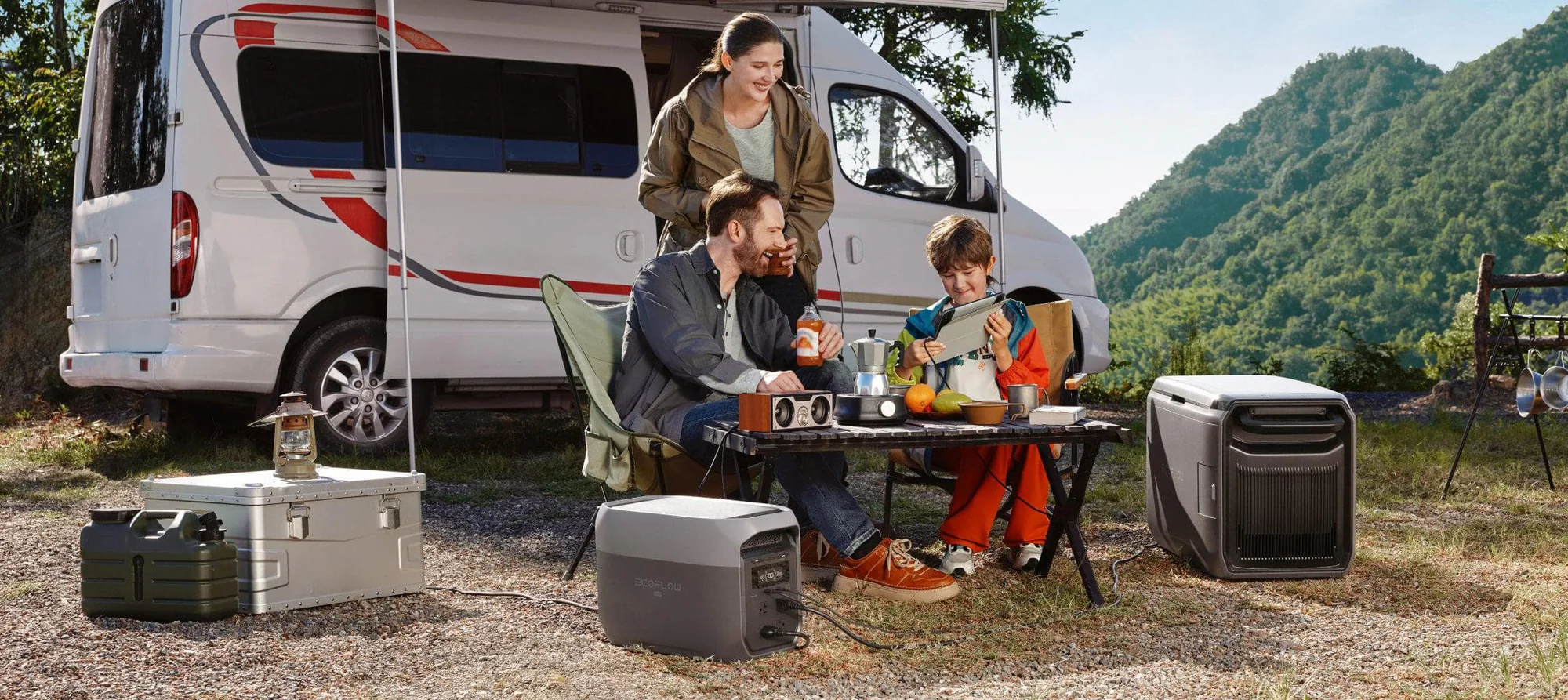
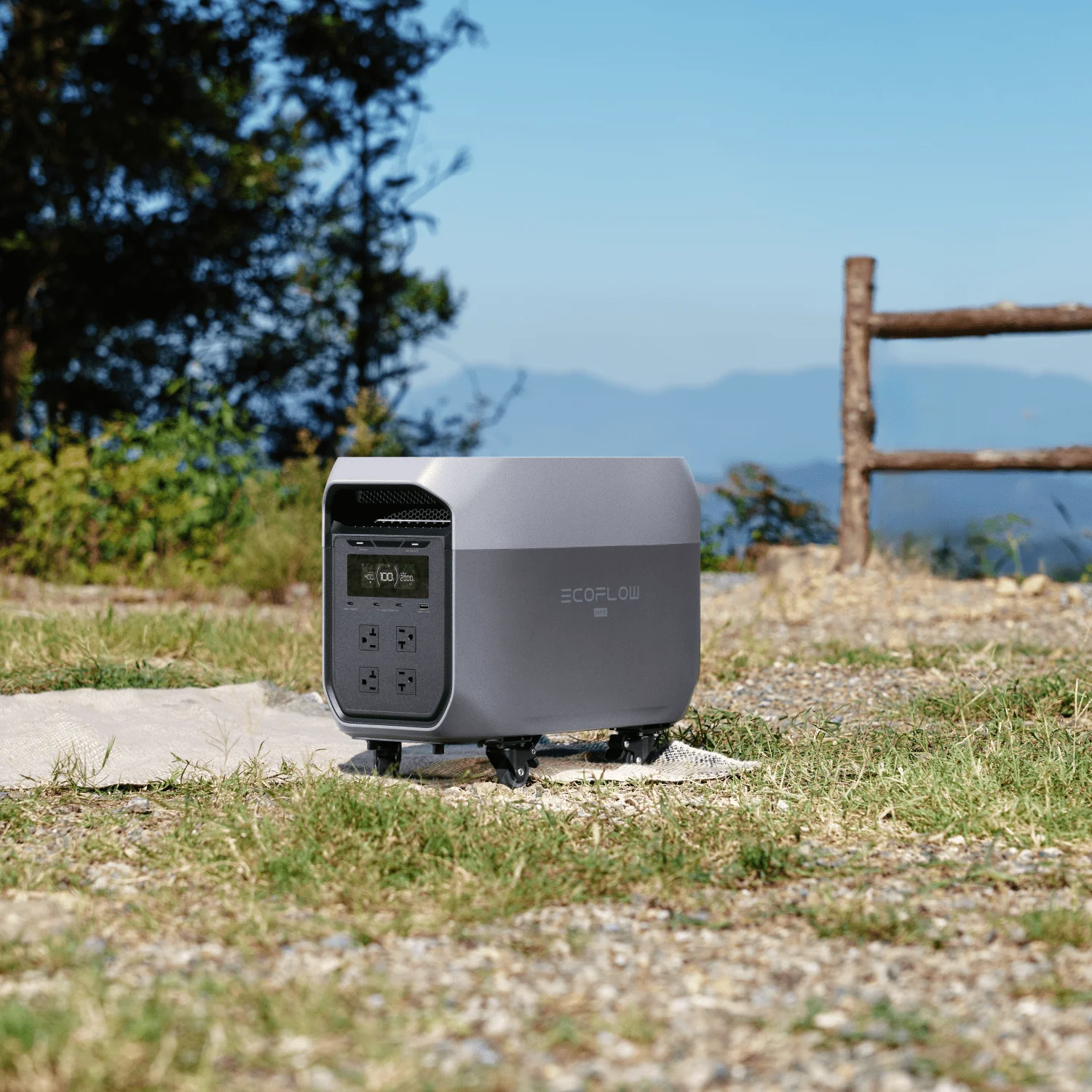
When open flame or fuel equipment is limited, EcoFlow DELTA 3 Max (2048Wh) +400W Solar Panel can support lights, phones, coolers, and small kitchen devices.
Use any electrical cooking or cooling equipment according to the product instructions and campground rules. Keep devices dry and away from walking paths.
What About Backyard Fire Pits and Urban Homes?
Urban and suburban homeowners should not assume cottage rules are the same as city rules. Backyard fire pits are often controlled by municipal bylaws.
Check Local Bylaws
Some municipalities allow backyard fire pits under specific conditions. Others require permits, limit fuel types, restrict fire size, or prohibit them during dry weather. Condos, townhomes, and rental properties may have additional rules. If a fire restriction is active, regular permits may not apply.
Consider Neighbours
Smoke, sparks, noise, and late-night gatherings can affect nearby homes. Even when a fire pit is allowed, wind direction and dry conditions matter. Keep fires small where permitted and have water or extinguishing tools nearby.
If restrictions are active, choose non-flame alternatives such as outdoor lights, patio heaters where permitted, blankets, and warm drinks.
Avoid Fireworks If Conditions Are Dry
Fireworks may be restricted or discouraged during high-risk periods. If you are unsure, choose public displays managed by local authorities or skip fireworks entirely.
What Should Be in Your Weekend Fire-Safe Checklist?
A practical weekend checklist should cover rules, food, lighting, communication, smoke, and emergency updates.
Before You Leave
Check the destination’s official restriction status
Check campground or park rules
Review municipal backyard fire pit rules
Plan no-fire meals
Charge phones and batteries
Pack flashlights or lanterns
Save offline maps
Check weather and wind
Check air quality alerts
If searching fire ban Ontario or fire ban BC, open the official page instead of relying on a short search preview.
At the Site
Look for posted signs, campground notices, and park staff updates. Rules can change after booking. If the site office gives new instructions, follow the current local guidance. Do not start a fire because other campers appear to be doing it. They may be unaware of the current rule.
During Smoke or Poor Air Quality
Wildfire smoke can affect outdoor plans even if no nearby fire is visible. Check the Air Quality Health Index and local alerts. People with asthma, heart conditions, pregnancy, young children, and older adults may need extra caution. Move activities indoors or reduce outdoor exertion if conditions are poor.
Prepare for a Safer No-Fire Weekend
A fire restriction should be treated as part of normal summer planning in Canada, especially before long weekends. Check local rules, prepare no-fire meals, and plan lighting, cooling, and charging in advance. For cottage and camping backup power, consider EcoFlow DELTA 3 Max (2048Wh) +400W Solar Panel for flexible weekend support.
FAQs
Q1. What Does a Fire Ban Mean?
It usually means some or all open-air burning is restricted because conditions may increase wildfire risk. The exact rule depends on the province, municipality, park, or campground. It may affect campfires, fireworks, burn barrels, and outdoor cooking.
Q2. Is a Campfire Ban the Same as a Total Fire Ban?
Not always. A campfire ban may focus on recreational campfires, while broader restrictions may include fireworks, burn barrels, open burning, or some equipment. Always read the exact local wording instead of assuming all restrictions are the same.
Q3. Can I Cook While Camping During a Ban?
Sometimes, but it depends on the rule and the equipment. Some areas may allow approved enclosed stoves or devices with shut-off controls, while others may be stricter. Check campground or park guidance before packing your cooking plan.
Q4. Are Backyard Fire Pits Allowed During Restrictions?
They may not be allowed, even if they are normally legal in your municipality. Check local bylaws and active notices before using a backyard fire pit. During dry conditions, rules can change quickly.
Q5. What Should Campers Pack If Fires Are Not Allowed?
Pack no-cook meals, approved cooking gear, flashlights, lanterns, charged phones, power banks, warm clothing, bug protection, and food storage. Also bring offline maps and check smoke, weather, and road updates before leaving.