Eastern Ontario Tornado Warning: Understanding Tornado Alerts and Safety Measures
- What Does an Eastern Ontario Tornado Warning Mean?
- How Can Tornadoes Impact Homes in Eastern Ontario?
- How Should Eastern Ontario Homes Prepare Before a Tornado Warning?
- What Backup Power Solutions Help During Tornado Season?
- Home Battery Storage for Longer Outages
- What Should You Do After an Eastern Ontario Tornado?
- Conclusion
- FAQ
Severe thunderstorms and tornadoes tend to develop fast in Eastern Ontario, especially once the warmer months roll around. If a tornado warning goes out, knowing where to take shelter and what to do next really can make the difference.
Storms can also knock out your power for hours sometimes. This guide walks through what those Eastern Ontario tornado alerts actually mean, where the risks show up, how to get your home ready, and why a backup power source matters when the lights stay off.
What Does an Eastern Ontario Tornado Warning Mean?
Understanding what an eastern Ontario tornado warning today actually means is essential for your household's safety. First, it helps to know what the alert is really saying and how fast you need to move. Getting the difference between a watch and a warning straight helps prevent unnecessary panic or delayed response.
Understanding Tornado Warning Levels
Environment and Climate Change Canada (ECCC) sorts out severe summer weather threats into specific alert levels. When it comes to tornadoes, there are two main types of alerts.
| Alert Type | Weather Condition | Required Action |
|---|---|---|
| Severe Thunderstorm Watch / Warning | Atmospheric conditions favor severe storms capable of producing high winds, hail, and potentially brief tornadoes. | Stay alert, monitor local radar, and secure outdoor items. |
| Tornado Watch | Weather conditions are highly favorable for the development of severe thunderstorms that could produce tornadoes. | Review your shelter plan, keep emergency supplies handy, and monitor local updates. |
| Tornado Warning | A tornado has been spotted by observers or indicated by Doppler weather radar in your area. | Take immediate cover in a basement or interior room away from windows. |
Note: Unlike the U.S., ECCC doesn’t use a “Tornado Emergency” category. Any life-threatening tornado threat in Canada sets off a Tornado Warning through the Alert Ready system.
How Tornado Alerts Are Issued
Forecasters keep an eye on severe weather using radar, observations, and other forecasting tools. When severe thunderstorm and tornado warnings issued for eastern Ontario go out, those emergency alerts reach compatible wireless devices, plus TV and radio, through Canada’s Alert Ready system.
Eastern Ontario Tornado Risk Areas
Warm, humid air rolling up from the US Midwest tends to collide with cooler fronts coming off Lake Ontario, and that mix feeds frequent storm activity along certain corridors. Eastern Ontario sees its share of severe thunderstorms and tornadoes, mostly in the warmer months. Towns through the Ottawa Valley and along the St. Lawrence River often deal with damaging winds and hail.
When to Take Immediate Safety Actions
If that piercing Alert Ready alarm goes off on your phone for a Tornado Warning — or you spot a dark, greenish sky, big hail, or hear a roar like a freight train — stop what you’re doing. Get to your chosen shelter spot right away. No delays.


How Can Tornadoes Impact Homes in Eastern Ontario?
A tornado’s damage doesn’t stop the moment the storm moves on. Strong winds, falling trees, and flying debris can wreck roofs, windows, and electrical gear — and the wider outages that follow can leave homes without the basics.
Power Outages After Severe Storms
Toppled trees and snapped hydro poles can take down the overhead lines run by utilities like Hydro One and Hydro Ottawa. Big events — the 2018 Ottawa-Gatineau tornado outbreak and the 2022 derecho, for example — left large parts of Eastern Ontario and the Ottawa region damaged and without power for a long stretch.
Damage Risks to Home Systems
A direct hit can rip off roofs and do real structural damage, but even a small touchdown can cause severe disruption and damage. Strong gusts hurl debris into your HVAC exterior units, rip off soffits, crack window seals, and trigger sudden power surges that fry unprotected electronics and appliances in seconds.
Challenges During Emergency Situations
The hours right after a tornado bring their own local headaches. Mature white pines blocking rural access roads can slow down emergency crews, and if the grid stays down without a reliable solar generator or backup power source, essential home equipment like sump pumps, water wells, and fridges start to fail fast.
How Should Eastern Ontario Homes Prepare Before a Tornado Warning?
Honestly, the time to get ready is before any warning shows up. A handful of simple steps — picking a shelter spot, keeping supplies close — can take a lot of the stress out of an approaching storm.
Create a Family Emergency Plan
Get everyone in the household together and set clear meeting spots, both inside and outside the home. Make sure people know who to call if cellular service drops, and hand out jobs such as grabbing the pets, and snagging the emergency bags.
Prepare Storm Supply Kits
Pack a couple of totes with the gear your family would need to get by for at least 72 hours. Think bottled water, canned food that keeps, a manual can opener, any prescription meds, flashlights, a compact portable power station to keep your phones and emergency radios charged, and some actual cash.
Secure Outdoor Equipment Safely
Patio furniture, barbecues, trampolines, garden tools — high winds turn all of it into flying hazards. Once a severe weather warning is posted, get in the habit of tying down the heavy outdoor stuff or stashing it in the garage or shed.
Identify Indoor Shelter Areas
Lock in the safest spot in your home well before storm season starts. Basements generally offer strong protection during severe wind events. If there is no basement, head for an interior hallway, bathroom, or closet on the lowest floor, and put as many solid walls as you can between you and the outside.
What Backup Power Solutions Help During Tornado Season?
A bad storm can cut your power even after the worst has passed. Having reliable backup power solutions for tornado season in Canada helps keep essential devices and appliances going while you wait for the grid to come back.
Portable Power Stations for Emergency Devices
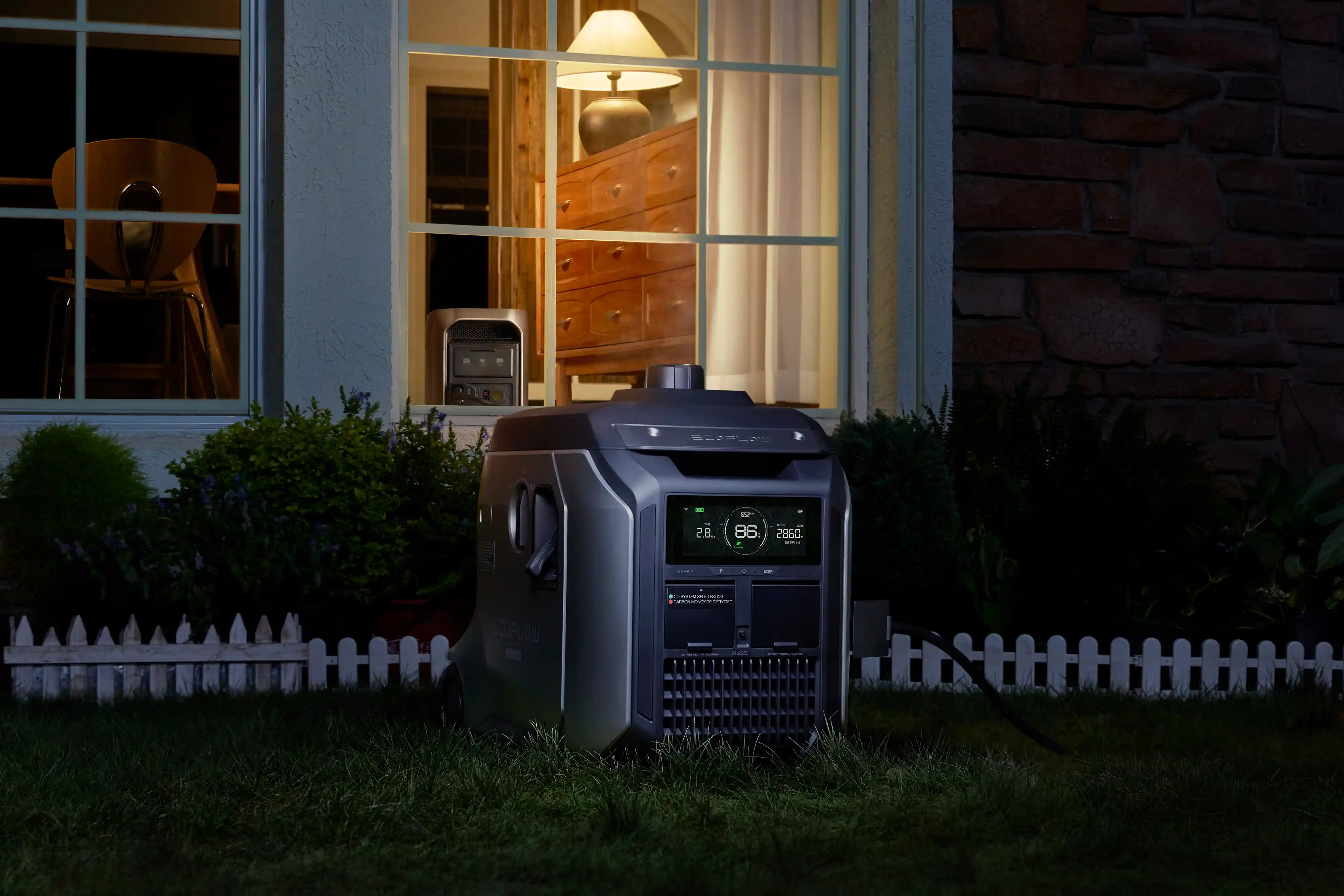
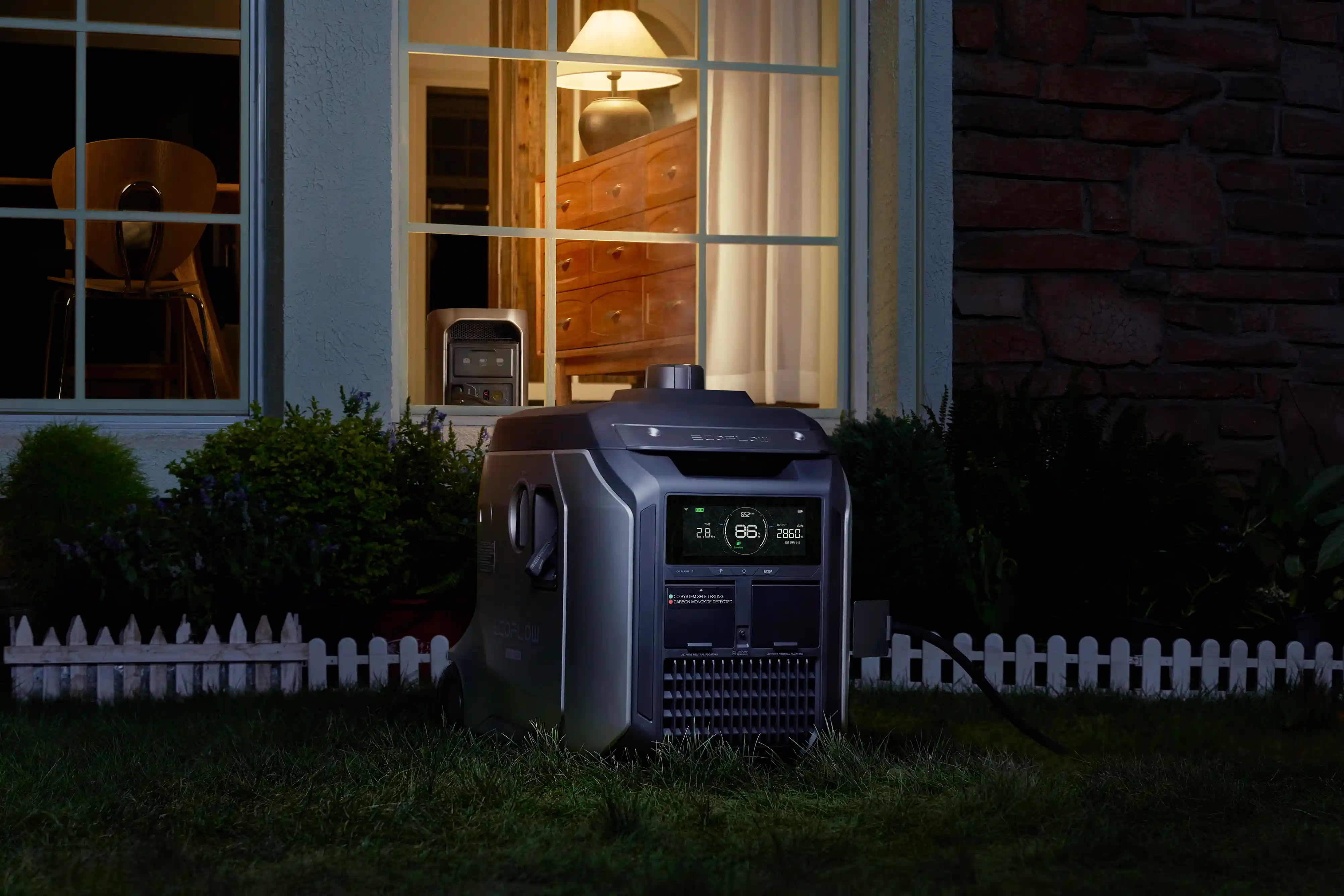
Tornadoes and the storms around them can trigger sudden local blackouts, killing your lights, cellular signal, and essential small appliances in an instant. A modern portable power station is a clean, quiet way to cover the basic electricity needs while utility crews work to bring the grid back.
Take the EcoFlow DELTA 3 Max Plus Portable Power Station as an example — it can comfortably run smartphones, Wi-Fi routers, LED lamps, and small appliances during an outage. It charges fast, so you can top up the battery as soon as a watch is posted. And because it’s compact and easy to carry, you can bring it down to your shelter, basement, or garage, keeping your communication devices online through the storm.
Home Battery Storage for Longer Outages
If you’re on a rural property or somewhere in Eastern Ontario that sees multi-day grid outages, a whole-home battery storage system gives you steady, heavy-duty energy resilience.
A full-scale system like the EcoFlow DELTA Pro Ultra Whole-Home Backup Power matches higher-demand household needs by providing scalable energy storage. It handles critical loads — full-sized fridges, heating and cooling controls, well pumps, lighting efficiently. If conditions permit, add solar panels and you can pull clean energy straight off your roof even when the grid is down, which significantly boosts long-term household independence during extreme weather seasons.
What Should You Do After an Eastern Ontario Tornado?
After major storms passed through rural Carleton Place, many residents found that while the weather cleared instantly, downed live power lines hidden beneath fallen tree branches posed severe post-storm hazards. Always assume any fallen cable could be energized and extremely dangerous.
Check Safety Before Leaving Shelter
Stay put in your basement or interior shelter room until official alerts say the threat has passed. Catch local news or check municipal weather updates on your phone to make sure no second storm is trailing behind.
Inspect Property Damage Carefully
When you do head out, go slow and watch for broken glass, exposed nails, and tree limbs hanging overhead. Stay at least 10 meters back from any downed utility lines, and report them right away to Hydro One or local emergency services.
Monitor Power Restoration Updates
Use battery-powered gear or your portable power station to follow official Hydro One outage maps or local CBC Ottawa radio. That way, you can tell whether to ration the pantry food or find somewhere else to stay if repairs drag on for days.
Restore Household Energy Systems
As you manage power outages preparing and recovering steps during the aftermath, power up your heavy appliances gradually to prevent electrical spikes. If your home sustained major electrical mast or panel damage, hire a certified electrician licensed by the Electrical Safety Authority (ESA) before flipping the main breakers back on.
Conclusion
Tornado warnings deserve to be taken seriously by Eastern Ontario homeowners, but getting ready ahead of time doesn’t need to be a big ordeal. Know your shelter spot, keep basic supplies handy, and have a power-outage plan. If a storm takes down the local grid, the right backup setup can keep the essentials running until the power’s back.
FAQ
Does a Tornado Warning Mean There Is a Tornado?
Yes, a tornado warning means a tornado has been spotted or detected by radar. Environment Canada issues this alert when severe rotation is confirmed, indicating an immediate threat to life and property in the specified alert zone.
What Is the Rarest Tornado Warning?
ECCC covers all critical life-threatening tornado threats under a standard Tornado Warning, which immediately triggers the Alert Ready system.
Where Do Most Tornadoes Occur in Ontario?
Most tornadoes in Ontario occur across Southwestern Ontario and the Ottawa Valley region. These localized corridors experience frequent severe summer thunderstorm activity due to warm moisture colliding with cooler lake breeze fronts.
Which City in Canada Is the Safest from Tornadoes?
Victoria, British Columbia, is considered one of the safest Canadian cities from tornadoes. Ocean-cooled maritime weather patterns and mountainous geography off Canada's west coast prevent the severe atmospheric instability required to spawn tornadoes.
What’s the Difference Between Tornado Watch Warning and Emergency?
A Tornado Watch means atmospheric conditions in your area favor the development of tornadoes; you should stay alert and review your safety plan. A Tornado Warning means a tornado has been spotted or detected by radar—or is imminent. A Tornado Warning requires immediate safety action: seek shelter in a basement or an interior room right away.