Electric Baseboard Heaters: Cost, Efficiency and Energy Use
If you’ve spent a winter in a Canadian apartment or basement suite, you’ve likely lived with electric baseboard heaters. They remain common because installation costs can be relatively low, they operate quietly, and each room can have its own control. A lower upfront cost does not guarantee a low hydro bill. What you pay depends on your provincial electricity rate, how well the house retains heat, and how cold it gets where you live. This guide covers how electric baseboard heaters work, how much electricity they draw, and what to consider before an outage interrupts electric heat.
What Are Electric Baseboard Heaters?
Electric baseboard heaters warm one room at a time instead of pushing heated air through ducts to the whole house, and they usually sit along an exterior wall or under a window. A power station is a separate backup option for selected electrical loads during an outage, subject to output and runtime limits.
How Electric Baseboard Heaters Work
These units rely on natural convection rather than a fan. Cold air settles near the floor, enters through the lower vents, passes over fins heated by the element, and rises into the room. With no blower, a baseboard usually operates quietly and does not actively circulate dust, although room air can still carry particles.
Where Baseboard Heaters Are Commonly Used
You’ll find them under the windows of older Canadian bungalows, down in basement suites that need heat of their own, and in additions the ductwork never reached. Plenty of modern condos use them too. Putting them under a window is deliberate: on a January night the glass sends a steady downdraft toward the floor, and the heater intercepts that chilled air before it spreads.
How Much Energy Do Electric Baseboard Heaters Use?
Running cost comes down to the wattage on the nameplate, the hours the element is energized, and the applicable electricity rate. A solar generator does not reduce the heater’s demand, so compare usable capacity and output before treating it as an outage option.
Calculate Baseboard Heater Electricity Use
Residential baseboard wattage varies by model and room requirements. Use the unit's nameplate rating rather than a general estimate. The calculation below also helps compare other resistance-heating loads:
Daily electricity use (kWh) = Wattage × Hours used per day ÷ 1,000
A 1,500 W baseboard heater running eight hours a day in total uses:
1,500 × 8 ÷ 1,000 = 12 kWh per day
Factors Affecting Baseboard Energy Use
How long a heater runs each day depends less on the heater itself than on the conditions around it. For comparison, a guide to whether space heaters use a lot of electricity applies the same wattage-times-hours method to portable units:
Home Envelope Quality: Drafty double-hung windows and an uninsulated 1970s basement will keep a unit cycling almost constantly—the heat escapes as fast as it's made.
Outdoor Temperature: A unit in Vancouver during a rainy 8°C January runs far less than the same unit facing a -25°C snap in Winnipeg.
Room Dimensions and Ceiling Height: Warm air rises, and a vaulted ceiling sends it up where nobody is sitting, stretching every heating cycle.


How Much Does It Cost to Run Electric Baseboard Heaters?
Your provincial rate and your thermostat setting decide what lands on the bill.
Electricity Rates Determine Heating Costs
Where you live in Canada changes the arithmetic more than anything else:
In Quebec, Hydro-Québec Rate D applies a lower energy price to the first 40 kWh per day multiplied by the number of days in the billing period, then a higher price to additional use. Check the current Rate D schedule before estimating heating costs.
In Ontario, regulated Time-of-Use prices in effect on September 20, 2026 range from 9.8¢/kWh off-peak to 20.3¢/kWh on-peak. The Ontario Energy Board notes that delivery charges and the customer's chosen price plan also affect the bill.
Heater Wattage and Runtime Affect Costs
That same 1,500 W heater at 12 kWh a day consumes 360 kWh over a 30-day billing cycle:
At an illustrative 7.1¢/kWh: about $25.60 CAD per month for one room.
At an illustrative 12.7¢/kWh: about $45.70 CAD per month.
For a home with several heaters, total monthly cost can be substantially higher during cold periods, but the result depends on each unit's wattage, duty cycle, electricity plan, and the building's heat loss.
Thermostat Settings Influence Heating Costs
A built-in bimetal thermostat may allow wider room-temperature swings than an electronic control. Electric baseboard heaters with thermostat controls suited to each zone can reduce unnecessary runtime by maintaining a more consistent setpoint, but savings vary with the building envelope, schedule, climate, and previous settings.
Are Electric Baseboard Heaters Energy Efficient?
Electric baseboard heaters convert the electricity they draw into heat at the point of use, but that does not necessarily make them inexpensive to run.
How Electric Resistance Heating Uses Energy
Their rated point-of-use efficiency is 100% because the electrical energy becomes heat in the room rather than leaving through a combustion flue.
Understand Why 100% Efficiency Can Cost More
A 100% point-of-use efficiency rating means resistance heat converts the electricity it draws into heat in the room; it does not indicate the lowest operating cost. When heating with electric baseboard heaters, compare the delivered heat and local energy price with other systems. Cold-climate heat pumps move heat rather than producing it only through resistance, so their coefficient of performance can exceed 1, although performance varies with temperature and equipment.
Compare Baseboard Heating With Other Options
Heating System | Purchase and Installation Cost | Operating Cost | Point-of-Use Efficiency | Best Suited For |
Electric Baseboard | Very Low | High | 100% (COP 1.0) | Additions, basements, low-rate provinces |
Ductless Mini-Split Heat Pump | Moderate to High | Low to Moderate | 200%–350% (COP 2.0–3.5) | Whole homes, high-rate provinces, hybrid setups |
High-Efficiency Natural Gas Furnace | Moderate to High | Moderate | 92%–98% AFUE | Ducted homes with existing municipal gas hookups |
Hydronic Baseboards (Boiler) | High | Moderate | 85%–95% | Consistent radiant warmth, multi-unit builds |
How Can You Prepare for Power Outages With Electric Heating?
Freezing rain, wind, snow, and falling trees can damage power lines and interrupt electric heat. A winter blackout preparedness plan should account for safe warmth, communications, food storage, and the realistic capacity of any backup source. Indoor temperatures can fall at different rates depending on outdoor conditions, insulation, air leakage, and the building type.
Assess Power Requirements for Electric Heating
Baseboard heaters can draw substantial power, often 1,000 W to 2,500 W while energized at 240 V. Because wiring electric baseboard heaters generally involves a dedicated circuit, installation or circuit changes should be handled by a qualified electrician. Before a long winter blackout, record the loads you intend to support and separate essential devices from high-draw heating equipment.
Support Selected Heating Loads With Portable Power
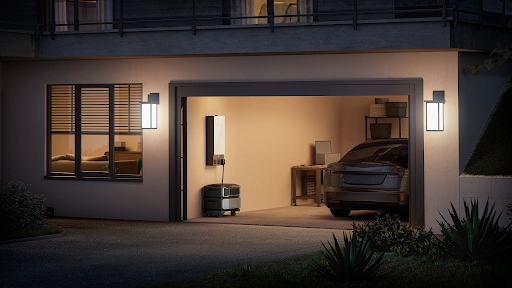
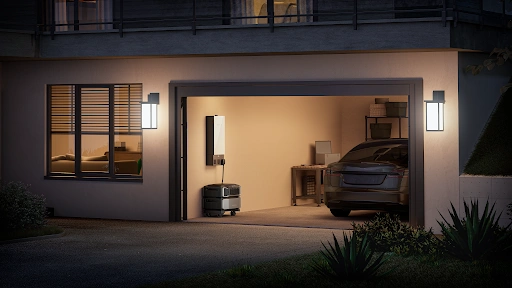
For households that need to maintain selected devices during a temporary grid failure, comparing battery output with appliance wattage is the first step. The EcoFlow DELTA 3 Max Plus Portable Power Station(2048Wh), with a 2,048Wh capacity and 3,000W rated AC output, can support communications, compatible medical equipment, task lighting, and some plug-in heaters within its limits. Confirm each heater’s rated input and expected duty cycle before estimating runtime.
Power More Home Loads With High-Capacity Backup
When a prolonged winter outage calls for broader coverage—such as a refrigerator, well pump, lighting, and compatible heating loads—a larger whole-home system may be appropriate. The EcoFlow DELTA Pro Ultra Whole-Home Backup Power supports expandable battery modules and high-output distribution options. Actual backup coverage depends on the connected loads, installation, battery capacity, and operating conditions.
Conclusion
Electric baseboard heaters have a relatively low upfront cost, operate quietly, and allow room-by-room control. Their running cost can rise where insulation is limited or electricity rates are high. Electronic thermostats, added insulation, and a cold-climate heat pump may reduce household energy use, depending on the home and climate. Outages require separate planning. Prioritize essential loads, then confirm each appliance’s wattage, expected runtime, and starting demand before relying on battery backup during cold weather.
FAQ
Are Electric Baseboard Heaters Safe?
Electric baseboard heaters can be safe when they are installed correctly and kept clear of combustible materials. They do not create combustion exhaust during normal operation, but electrical and fire risks still remain. Follow the manufacturer’s clearance and installation instructions for the specific unit.
Should I Replace Old Baseboard Heaters?
Replace them if the aluminum fins are crushed, if the unit buzzes or clicks loudly, or if you want the cleaner look and tighter control of a digital hydronic unit. Otherwise, swapping out a working heater rarely saves electricity, because a resistance element puts out the same heat per watt after twenty years as it did on day one.
What Is the Average Lifespan of an Electric Baseboard Heater?
Electric baseboard heaters typically last 20 to 25 years. With no blower motors, belts, or bearings to wear out, physical corrosion or an aging limit switch is usually what finally retires one.
What Should I Do if My Electric Baseboard Heater Isn't Working?
First, check the main service panel to see whether the dedicated 240 V double-pole breaker has tripped. If it’s on, confirm the wall thermostat is calling for heat, then kill the circuit and vacuum out any lint that may have set off the internal high-limit safety cut-off.
Do Baseboard Heaters Need to Be Off the Floor?
Not necessarily—it depends on the flooring. Most modern units draw cold air through a bottom-front intake and can sit flush with hardwood, vinyl, or tile. With wall-to-wall carpet with a thick underpad, though, the unit has to sit at least 2 to 2.5 cm (about an inch) off the floor so the pile doesn’t block airflow and trip the safety shut-off.