Boil Water Advisory: What It Means for Homes, Cottages, and Campgrounds
- What Is a Boil Water Advisory and Why It Gets Issued
- What a Boil Water Advisory Means in Practice
- Special Considerations for Children and Pets During an Advisory
- How Homes, Cottages, and Campgrounds Face Different Challenges
- How Long a Boil Water Advisory Typically Lasts
- Practical Steps to Stay Prepared Before an Advisory Hits
- Stay Safe, Stay Informed
- Frequently Asked Questions
A boil water advisory can appear with little warning, and most people are unprepared for what it actually demands. Whether you live in a suburban neighborhood, own a lakeside cottage, or spend weekends at a campground, the rules change fast when your tap water becomes unsafe. Knowing what to do, and what to avoid, keeps your household protected from the moment the alert goes out.
What Is a Boil Water Advisory and Why It Gets Issued
At its core, a boil water advisory means one thing: your water supply may be contaminated, and heat is the most reliable way to kill what's in it. Health authorities issue these alerts when testing reveals, or strongly suspects, the presence of harmful microorganisms in a municipal or private water system.
The triggers vary more than most people realize.
A water main break can introduce soil and bacteria into pressurized pipes. A flood event can overwhelm treatment infrastructure. Low chlorine residuals, equipment failures, or even routine maintenance can all prompt officials to act out of caution. The advisory is not always a sign of confirmed contamination. Sometimes it is purely preventive.
Common Causes of an Advisory
Infrastructure damage: Broken mains, cracked pipes, or pressure drops
Flooding or runoff: Surface water entering the distribution system
Treatment failures: Chemical dosing errors or filtration problems
Positive test results: Detection of E. coli, coliform bacteria, or other pathogens
Who Issues These Alerts
Local public health units, municipal water authorities, and provincial or state environmental agencies all have the power to issue a boil-water advisory. In rural areas, the responsibility often falls to regional health departments. At campgrounds and private properties, the operator or well owner may issue their own advisory based on test results.
Authorities usually issue alerts through official websites, phone systems, and local notices at water access points.
What a Boil Water Advisory Means in Practice
Once an advisory is in effect, the restrictions apply to more than just drinking water. This is where many households get caught off guard, because the list of affected activities is longer than expected.
Water should reach a rolling boil and stay there for at least one minute before it is safe for:
Drinking and making ice
Brushing teeth
Washing fruits and vegetables
Preparing infant formula or baby food
Making coffee, tea, or any hot beverage
Cooking pasta, rice, or soups
Showering and bathing may be permitted for adults, but young children and anyone with open wounds or a compromised immune system should use boiled or bottled water. Doing laundry is usually fine. Washing dishes in a dishwasher that reaches high heat cycles is typically acceptable, though hand-washing dishes requires boiled or sanitized water for the final rinse.
The Rolling Boil Standard
A rolling boil means the water is bubbling vigorously throughout, not just simmering at the edges. One minute at that point is sufficient at most elevations. At altitudes above 6,500 feet, extend the boil to three minutes, since water boils at a lower temperature in thinner air and pathogens require more time to die.
Let the water cool before storing it. Use a clean, covered container and keep it in the refrigerator if possible.
Special Considerations for Children and Pets During an Advisory
Families with young children and pets face additional challenges during a boil water advisory, because both groups are more vulnerable to contamination and less able to follow safety instructions independently.
Protecting Infants and Young Children
Infant formula must always be prepared with boiled or bottled water during an advisory. Let boiled water cool to a safe temperature before mixing formula. Do not use tap water even if you plan to heat the bottle afterward, because contamination can occur during mixing.
Bath time requires extra attention. While older children can shower with supervision and reminders not to swallow water, infants and toddlers should be bathed using boiled or bottled water, or sponge-bathed to minimize water contact. Young children often put their hands in their mouths during play, so hand-washing should also use safe water.
Avoid letting children play with water from taps, hoses, or sprinklers during an advisory. Outdoor water play, including paddling pools filled from the tap, should be postponed until the advisory is lifted.
Keeping Pets Safe
Pets need the same water safety precautions as humans. Dogs, cats, and other animals should be given boiled and cooled water, or bottled water, for drinking. Replace water in pet bowls frequently and wash the bowls with boiled water or use disposable containers.
Pets that drink from toilets should be prevented from doing so during an advisory. Outdoor pets may try to drink from puddles, ponds, or other standing water sources, which can be even more contaminated during flood events or heavy rain. Supervise outdoor time and bring fresh water with you.
When bathing pets, use boiled or bottled water if possible, especially for animals with open wounds or skin conditions. After walks or outdoor play, wipe paws with a damp cloth moistened with safe water to prevent pets from licking contaminants off their feet.
How Homes, Cottages, and Campgrounds Face Different Challenges
A single advisory affects homes, cottages, and campgrounds in very different ways. A suburban home has a kitchen full of appliances and a reliable stove. A cottage may have a propane burner and limited storage. A campground might have dozens of people sharing a single water station with no backup power at all.
Challenges for Permanent Homes
At home, the main friction is volume and habit. A family of four uses water constantly, and boiling enough for all daily needs takes time and planning. Hot water tanks and whole-house filters do not make tap water safe during an advisory. Even water softeners and carbon filters are not designed to remove biological contamination. The only reliable methods are boiling, using certified bottled water, or running water through a filter rated for pathogen removal.
Challenges for Cottage Owners
Cottages present a storage problem. Most seasonal properties lack the pantry space or refrigeration capacity to stockpile large volumes of safe water. Owners who arrive mid-advisory may not have received the original alert. It is worth signing up for local emergency notification systems tied to the cottage's municipality, not just your primary address.
Water sourced directly from a lake or river, even if it passes through a cottage filter, is not safe during an advisory unless the filter is certified to remove bacteria and protozoa at the micron level required.
Challenges at Campgrounds
Campgrounds face a logistical and liability challenge. Operators must notify every camper promptly, provide clear signage at all water stations, and often supply bottled water or direct guests to safe alternatives. Campers relying on their own well-sourced water should treat it as suspect until the advisory is lifted.
How Long a Boil Water Advisory Typically Lasts
Duration is one of the most common questions people have, and the honest answer is that it depends entirely on the cause. A precautionary advisory triggered by a pressure drop may be lifted within 24 to 48 hours once testing confirms the water is safe. An advisory caused by confirmed contamination or major infrastructure damage can last days, weeks, or longer.
Authorities must collect water samples, send them to a lab, and wait for results before lifting the advisory. Most labs require 18 to 24 hours to process bacterial cultures. That means even after the problem is fixed, the advisory stays in place until two consecutive rounds of clean test results come back.
What Happens When the Advisory Is Lifted
When the all-clear is issued, the work is not finished. Flush all cold water taps for at least two minutes before use. Run your refrigerator's water dispenser and ice maker through several cycles and discard the output. Replace any water filters that were in use during the advisory. If you have a water softener or whole-house filtration system, follow the manufacturer's instructions for sanitizing it.
Practical Steps to Stay Prepared Before an Advisory Hits
Preparation is far easier than scrambling once the alert is already active. A few simple steps taken in advance can reduce the stress significantly.
Keep a minimum three-day supply of bottled water on hand, calculated at one gallon per person per day. Store it in a cool, dark location away from direct sunlight and chemicals. Rotate the supply every six to twelve months.
Know where your local health authority posts advisories. Bookmark the page. Sign up for text or email alerts if the service is available in your area.
Planning for Power Outages and Storm Events
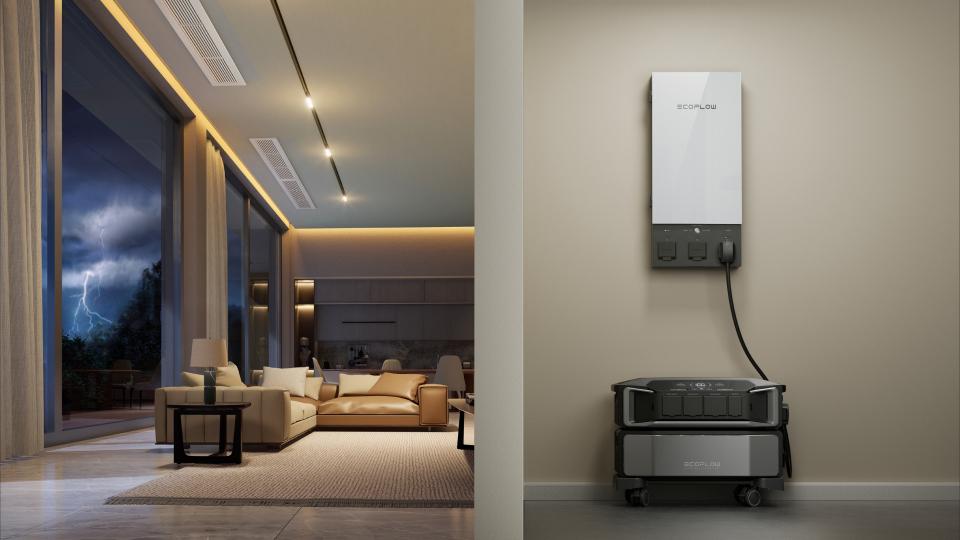
Heavy rain and flooding often trigger boil water advisories, and these same events frequently cause power outages. When storms cause power outages alongside water advisories, your ability to boil water, charge phones, run lights, or operate small water purification devices depends entirely on backup power.
Planning ahead makes a significant difference. A portable power station can keep essential devices running when you need them most. The EcoFlow Delta Pro Ultra offers up to 21.8 kWh of expandable capacity, enough to power electric kettles for boiling water, charge mobile phones for emergency communication, run LED lights during extended outages, and operate small kitchen appliances or water purification equipment. This type of preparation is especially valuable at cottages and campgrounds where grid reliability is lower and response times are longer.
At cottages and campgrounds, consider keeping a portable water filter rated for bacteria and protozoa removal as an additional safeguard. Combine this with a reliable backup power source to ensure you can respond effectively even when infrastructure fails.
Stay Safe, Stay Informed
A boil water advisory is a serious public health signal that demands a calm, informed response. Whether you are at home, at the cottage, or at a campground, the core principle is the same: treat your water before you use it, stay updated through official channels, and prepare before the next advisory arrives. Clean water is not something to take chances with.
Frequently Asked Questions
Q1: Is It Safe to Shower During a Boil Water Advisory if You Are a Healthy Adult?
Yes, with caution. Showering is generally considered safe for healthy adults, but avoid swallowing any water. Children, infants, and anyone with a weakened immune system should use boiled or bottled water for bathing.
Q2: Does Boiling Water Remove Chemical Contaminants During a Boil Water Advisory?
No, not reliably. Boiling is effective against biological threats like bacteria and protozoa, but it does not remove heavy metals, nitrates, or chemical pollutants. If the advisory involves chemical contamination, bottled water is the safer choice.
Q3: Can You Use a Coffee Maker or Electric Kettle to Meet the Boil Water Advisory Requirement?
Yes, if the appliance reaches a full rolling boil. Most electric kettles bring water to 100°C (212°F), which meets the standard. Confirm your appliance reaches that temperature rather than just warming the water.
Q4: Does a Whole-House Water Filter Make Tap Water Safe During a Boil Water Advisory?
No, not unless it is specifically certified to remove bacteria and pathogens at the required level. Standard carbon filters and sediment filters are not designed for biological contamination and should not be relied on during an advisory.
Q5: Should Pets Drink Tap Water During a Boil Water Advisory?
No, pets should be given boiled and cooled water or bottled water during an advisory. Animals are vulnerable to the same contaminants as humans, and pet water bowls should be washed with safe water as well.