Xeriscaping: Creating Beautiful, Drought-Tolerant Yards
When you live in dry, arid, or drought-prone areas like the Southwest, water restrictions and weather can make it challenging to maintain a beautiful yard and landscaping without excessive work and effort. The issue lies in the approach.
Xeriscaping is an alternative ideal for drier climates that uses the desert background as the foundation for the design, not the force you’re fighting against. It also works well for those trying to reduce utility costs and conserve water, thereby enhancing your property value with minimal long-term maintenance.
Discover how to apply xeriscaping principles to transform your yard into a low-maintenance oasis.
What is Xeriscaping?
Xeriscaping combines the Greek word xeros (meaning “dry”) with landscaping and was first coined by the Denver Water Department in the 1980s. It refers to a water-conserving landscaping method that can reduce irrigation needs by 50% or more, utilizing drought-tolerant plants that are already adapted to the local climate, rather than water-intensive options.
Xeriscaping commonly evokes mental images of desert landscaping with rocks and cacti, but it can be so much more. You can create a diverse and colorful landscape using native plants, ornamental grasses, and flowering shrubs while still saving on water and building a weather-resistant design.
Xeriscaping is a stylistic or eco-friendly choice for some. Still, for others, especially residents of the Southwest U.S., facing water restrictions, rising utility costs, and harsh dry weather, it’s more of a necessity than a want.
Planning Your Xeriscape Design
When planning your xeriscape design, begin with a comprehensive evaluation of your property to inform your selection of materials and plants. Map out the current conditions of your land, including the soil type, water drainage patterns, and exposure to sun and shade throughout the day. Don’t forget to account for seasonal changes in water and light patterns.
Site Assessment
Consider getting a professional site assessment to test your soil, identify natural water flow patterns, and map microclimates on your land. Factors such as south-facing slopes, pooling areas, and sun exposure can significantly impact many of your choices.
Check the USDA Hardiness Zone requirements and see where you fall. The Southwest ranges from Zone 4 to 9. Using this information can help you choose plants that can withstand local conditions and temperature extremes, making your selections more sustainable and environmentally friendly.
Design Principles
Here are some core xeriscaping design principles to keep in mind as you plan out your final creation:
Hydrozoning: Group plants by their water requirements, categorizing them as high, moderate, or low in separate areas.
Visual interest: Vary plant height, texture, and seasonal color changes.
Focal points: Establish focal points using architectural plants, such as agaves or yuccas.
Sight lines: Design high-visibility areas, such as pathways, to showcase different hardscape features and plants.
Year-round planning: Consider which plants bloom in the spring, which produce fall color, which have high summer heat tolerance, or require protection in winter.
Space: Balance planted areas with open space to prevent overcrowding; plants need room to grow and mature.
Tools and Equipment Needed
To DIY a xeriscape renovation, you’ll need specific tools and equipment. These include:
Sod cutters to remove the lawn without damaging irrigation lines or adjacent plants
Tillers and cultivators
Mini skit steers to moving heavy materials
Wheelbarrows
Hand tools like shovels, spades, mattocks
Plate compactors for hardscape foundations and stable pathways
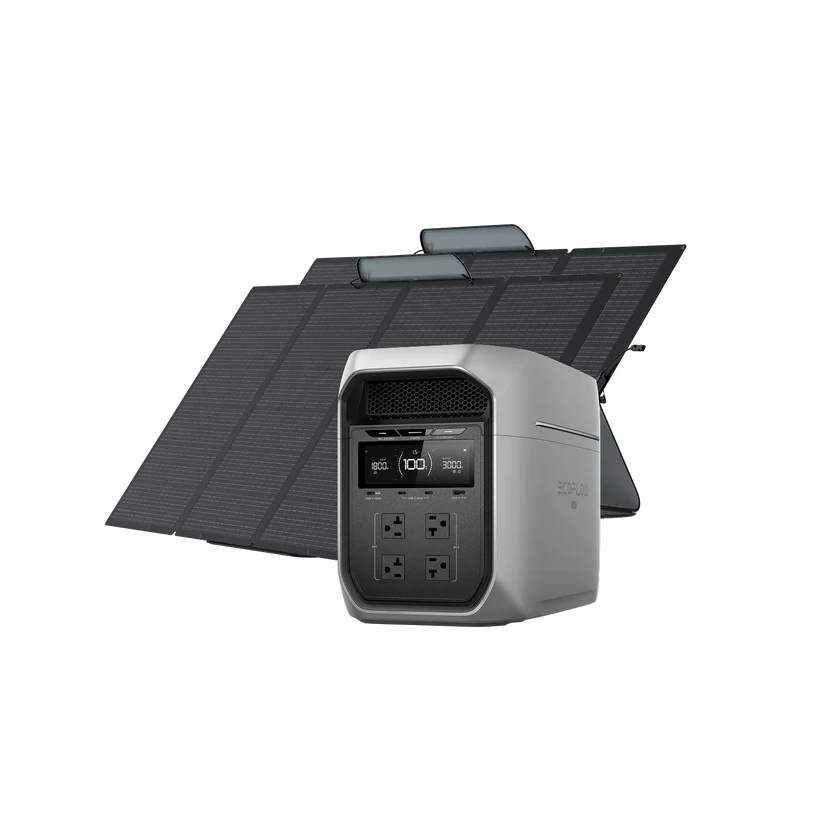
Choosing battery-powered equipment will help you stay mobile during work, but if you need a power source, don’t rely on long extension cords and AC outlets; use a portable power station like the EcoFlow DELTA Pro Ultra X to keep your tools charged. Consider the runtime requirements for multi-day conversion projects.

Selecting the Right Plants
Choosing your plants is the fun part. You should research native plants that are already adapted to the local rainfall patterns and temperature extremes. A good place to start is identifying any plants that grow natively in your area that look good year-round. It could be your yard, neighborhood, or local landscaping.
You should make selections for various styles of plants, including trees and shrubs, ornamental grasses, groundcovers, and accents.
Some popular Southwest trees include the Desert Willow, Palo Verde, and Texas Live Oak. For mid-level shrubs, consider Texas Sage, Red Yucca, and Mexican Brush Sage. Textured ornamental grasses, such as Blue Grama, Mexican Feather Grass, and Muhly Grass, are also great options.
If you want to attract butterflies, Lantana is an excellent choice as a perennial shrub. Prickly Pear Cactus will add architectural interest, while Desert Marigold is beautiful for year-round blooms.
Research the mature sizes of all the plants to avoid overcrowding your landscaping. Desert plants often grow much larger than anticipated.
Long-Term Benefits
The benefits of converting to a xeriscape approach are long-lasting. You’ll immediately start reducing your water consumption, saving you money and conserving the vital resource in arid climates. You’ll also drastically reduce the maintenance work needed to keep it looking beautiful. No more weekly mowing, edging, fertilizing, and applying pesticides!
The switch is also amazing for the environment. Xeriscaping supports local wildlife, pollinators, and the health of the natural ecosystem.
Your unique landscaping will add visual interest to your home, enhancing property value through improved curb appeal and sustainability benefits.
Droughts and emergency water restrictions will have little to no impact on your beautiful xeriscaped lawn. It will maintain its stability and growth, gaining strength from its natural environment rather than fighting against it.
Practical Southwest Living with Xeriscaping
Xeriscaping might be the solution to your struggling Southwest lawn design. If you’re interested, start small by testing your plant and design selections in pilot areas. Always conduct a thorough site assessment to ensure your choices will work well for your land with minimal maintenance. Once ready to get to work, ensure you have all the necessary equipment and a reliable power source, such as the EcoFlow DELTA 3 Max. Then, once it’s done, give it time to integrate and thrive.
For press requests or interview opportunities, reach out to our media team
media.na@ecoflow.com