What Is Cold Air Damming and How Does Cold Air Affect You
Cold air damming occurs as a weather event where a shallow layer of freezing air gets trapped against a mountain range. The resulting effect creates freezing rain, sleet, and severe temperature drops. You need to learn how cold air behaves to stay safe during winter storms. The trapped freezing conditions catch many households off guard and lead to severe infrastructure damage. Knowing the signs helps you protect your home and family.
What Exactly Is Cold Air in Weather Terms
Meteorologists define cold air as a dense air mass with lower temperatures than the surrounding environment. This heavy air sinks to the surface and pushes warmer air out of the way, creating specific weather patterns. You will notice immediate changes in wind direction and temperature when these masses arrive. The sudden drop in temperature impacts local agriculture, delays daily commutes, and forces utility companies to generate extra electricity.
The Density Factor
Cold air molecules are packed tightly together, making the air mass physically heavy. This high density causes freezing temperatures to hug the ground, flow into valleys, and settle into low-lying areas. The weight prevents the freezing air from easily mixing with warmer layers above.
High Pressure Systems
Freezing temperatures usually arrive with massive high-pressure systems originating from the Arctic. These systems bring clear skies but drastically lower the temperature across large geographic regions. The high pressure acts as a giant engine, constantly driving freezing winds southward toward warmer climates.
Movement and Fronts
As a cold front advances, it forces warmer, lighter air to rise rapidly into the atmosphere. The sudden atmospheric lift often triggers heavy precipitation, dropping snow or freezing rain right along the boundary line. The clash between these differing air masses generates intense winter storms.
Cold air operates as a heavy, ground-hugging force that greatly shapes regional climates. Recognizing its physical properties explains why certain areas experience drastic and sudden temperature plummets during the winter months.
What Is Cold Air Damming and How Does It Happen
People often ask what cold air damming is when they experience unexpected, long-lasting freezing rain. This phenomenon occurs when a high-pressure system pushes a shallow layer of freezing air against a massive topographic barrier like a mountain range. The interaction between the terrain and the weather system creates a perfect storm.
- The Trap: A strong dome of high pressure supplies a steady, continuous stream of freezing air toward a mountain range.
- The Barrier: The physical bulk of the mountains blocks the heavy air from moving forward, forcing it to pool and pile up along the lower slopes. This pooling effect creates an invisible lake of freezing air.
- The Overrunning: Warmer, moist air from the ocean or Gulf rides up and over the trapped freezing layer at the surface. The contrast between the warm upper air and the freezing surface layer triggers massive condensation.
- The Precipitation: As the upper moisture falls through the sub-freezing layer below, it turns into sleet or freezing rain right prior to hitting the ground.
The terrain physically holds the freezing temperatures in place while liquid moisture falls from above. The resulting interaction creates a stubborn, highly disruptive weather event that regularly lingers for days.

Why Cold Air Damming Can Make Winter Weather Worse
Many forecasters struggle to predict the exact severity of trapped cold air. Among all winter weather patterns, cold air damming represents a severely underestimated risk for power outages, often proving more deadly than blizzards. The unique mechanics of cold air damming create hazards that standard snowstorms rarely produce. While heavy snow can be plowed, ice from cold air damming coats everything evenly and adds immense weight to vulnerable structures. The sheer weight of the ice caused by this trapped cold air leads to massive destruction that takes weeks to repair.
Weather Feature | Typical Winter Storm | Cold Air Damming |
Primary Threat | Heavy snow accumulation | Heavy ice accumulation |
Duration | Passes within hours | Lingers for several days |
Temperature Profile | Gradual regional cooling | Sudden, trapped surface freezing |
Infrastructure Impact | Manageable road clearing | Widespread, severe grid failure |
Massive ice accumulation on tree branches and utility lines leads to catastrophic infrastructure damage. The prolonged freezing conditions make subsequent recovery efforts incredibly difficult and highly dangerous for local crews.
Where Cold Air Damming Is Most Likely to Occur
Specific geographical features make certain regions highly susceptible to trapped cold air. The United States has a few prime locations where cold air damming happens frequently during the winter months. Knowing your local geography helps you anticipate these dangerous cold air setups.
- The Appalachian Mountains: The eastern slopes of the Appalachians are the most famous location for cold air damming. High pressure over New England funnels freezing temperatures southward down the East Coast, trapping them against the mountains.
- The Rocky Mountains: The eastern side of the Rockies frequently traps shallow, dense air masses coming down directly from Canada. The steep elevation change creates a massive wall that halts the advancing weather fronts. Local communities nestled at the base of these mountains face sudden and severe temperature drops.
- The Cascade Range: Valleys and basins in the Pacific Northwest catch freezing air at the surface while warmer Pacific moisture flows continuously overhead. The setup regularly causes severe ice storms in the Portland and Seattle areas. The Columbia River Gorge acts as a funnel, forcing freezing winds directly into heavily populated coastal regions.
Any region with a high mountain range adjacent to a moisture source can experience these freezing traps. Local residents living in these geographical bowls must stay alert to specific forecast warnings regarding ice accumulation.
How Cold Air and CAD Affect Everyday Winter Life
The immediate impacts of cold air damming go far beyond a simple chill. Heavy ice buildup causes massive power outages, disrupting everything from your heating system to your daily work routine.
Total Grid Vulnerability
Ice storms created by trapped freezing air snap power lines under immense weight. You might face days without electricity, leaving your home freezing and dark while utility crews struggle to navigate icy roads. The prolonged lack of power creates a desperate situation for households relying on electric heat. Food spoils in refrigerators, and burst pipes cause tens of thousands of dollars in water damage.
Keeping Your Home Warm and Powered
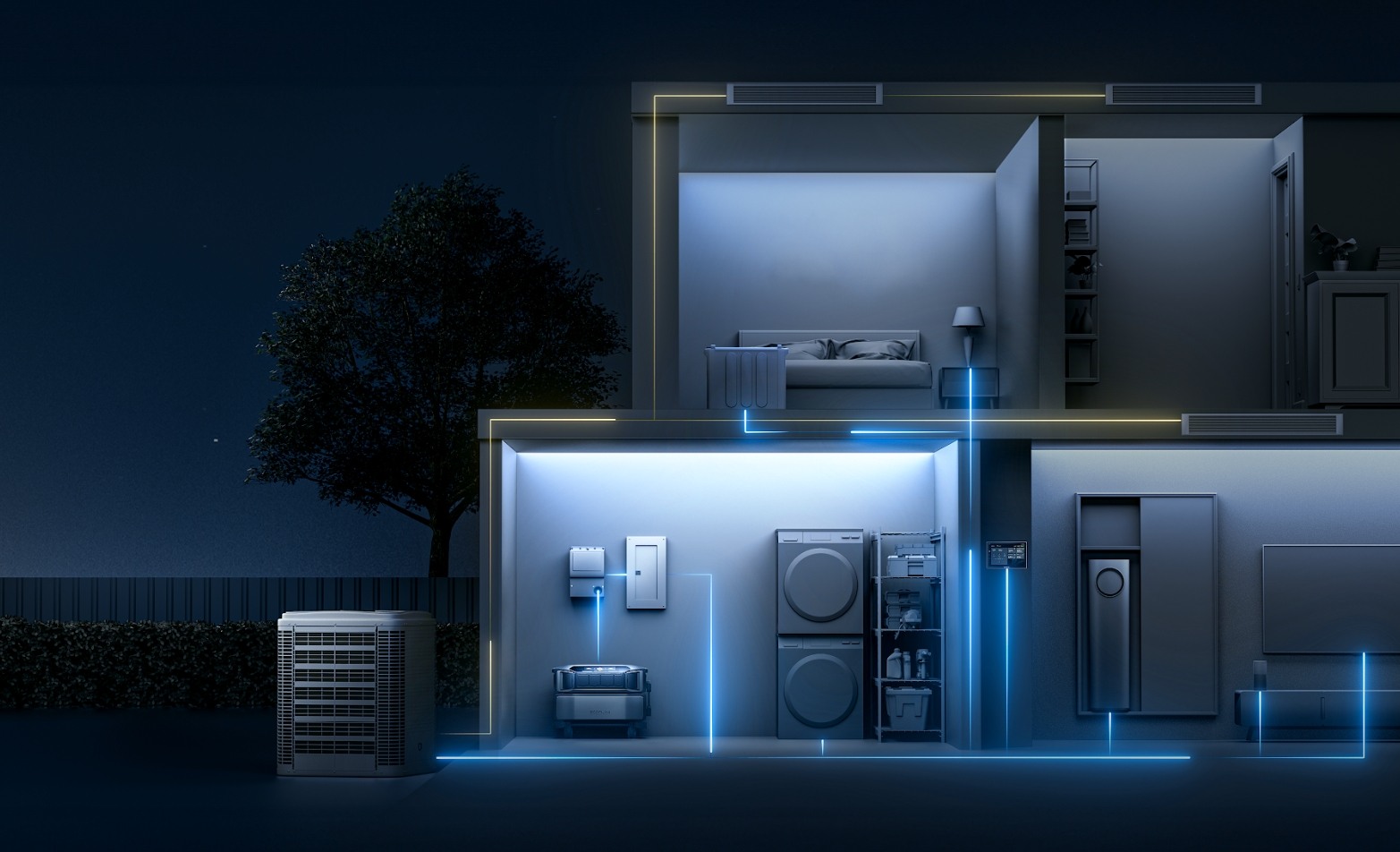
You need a reliable way to run heavy-duty heating appliances when the grid fails. The EcoFlow DELTA Pro Ultra X provides massive 12kW to 36kW output, easily powering your large AC units or heavy space heaters without breaking a sweat. The setup proves incredibly convenient because the plug-and-play design allows you to get a full home backup without waiting for a massive construction project. You get the peace of mind to keep your entire house warm and well-lit during days-long outages. The system protects your family from plunging indoor temperatures and keeps your daily life running smoothly.
Travel and Safety Hazards
Roads become impassable sheets of ice, trapping people indoors for extended periods. Attempting to drive during an active cold air damming event often leads to severe accidents due to zero traction. Emergency services also face massive delays reaching those in need, leaving neighborhoods entirely isolated.
An ice storm triggered by terrain and freezing temperatures stops modern life entirely. Reliable home backup power and staying off the roads serve as your absolute best defenses.
Stay Ready for Winter Weather
Preparing for severe cold air and massive ice accumulation requires actionable steps. Secure your home insulation, stock up on non-perishable supplies, and ensure your backup power stands ready. Keeping an EcoFlow DELTA Pro Ultra X charged guarantees your heating systems will function when the utility grid collapses under heavy ice. Stay warm, monitor local weather updates closely, and never underestimate the destructive impact of trapped freezing temperatures.
FAQ
Q1: How is Cold Air Damming different from the Polar Vortex?
The Polar Vortex is a large-scale circulation of cold air that normally stays confined over the Arctic. When it weakens, it allows Arctic air to spill south. Cold Air Damming is what happens when that cold air physically gets trapped against a mountain range at ground level. The Polar Vortex can be the source of the cold, but the damming describes how mountains contain it.
Q2: How long does a Cold Air Damming event usually last?
CAD events are persistent. A wedge can last anywhere from 12 hours to several days. The dense cold air resists being pushed out, and it typically requires a strong cold front from the west or a major wind shift to finally "scour out" the wedge. Until that happens, freezing rain and low temperatures continue.
Q3: Can Cold Air Damming happen in the summer?
Technically, air damming against mountains can occur year-round. In warmer months, this is sometimes called "backdoor cold fronts." However, the term "cold air damming" is almost exclusively used during late fall through early spring, when the resulting freezing rain, sleet, and ice accumulation create dangerous conditions for both people and infrastructure.
Q4: What are the early warning signs of a CAD event?
If you live east of the Appalachians, watch for high pressure positioned to your north (over New York or Canada) combined with northeasterly winds. The telltale sign is when forecasts call for rain but temperatures stay near or below freezing without rising—often colder than areas farther north or west.
Q5: Why is the ice from CAD more dangerous than snow?
Snow accumulates on power lines and trees, but it's relatively light and can blow off. Freezing rain from CAD events coats surfaces in solid ice, adding enormous weight that infrastructure isn't designed to support. On roads, this creates black ice—nearly invisible and far more treacherous than visible snow.
For press requests or interview opportunities, reach out to our media team
media.na@ecoflow.com