Top 10 Worst Hurricanes in US History and How to Get Ready
A hurricane can force a family to evacuate, flood a home, cut off roads, and leave essential systems without power for days. By death toll, the worst hurricane in US history was the 1900 Galveston Hurricane. Looking back has practical value: the worst hurricanes reveal where people were most vulnerable, from storm surge and flooding to weak communication and long outages.
What Were the 10 Worst Hurricanes in US History?
The word “worst” can point to deaths, property damage, wind speed, or pressure. For this topic, the death toll gives the clearest answer. The ranking below focuses on mainland U.S. hurricanes, so Puerto Rico and other U.S. territory storms belong to the broader U.S. hurricane record but are usually separated in historical hurricane tables. On that basis, Galveston 1900 remains the worst hurricane in US history, while Katrina remains one of the deadliest modern storms.
Rank | Hurricane | Year | Main Area Hit | Estimated Deaths |
|---|---|---|---|---|
1 | Galveston Hurricane | 1900 | Texas | About 8,000 |
2 | Lake Okeechobee Hurricane | 1928 | Florida | About 2,500 |
3 | Hurricane Katrina | 2005 | Louisiana, Mississippi, Florida | Nearly 1,400 total fatalities |
4 | Cheniere Caminada Hurricane | 1893 | Louisiana | 1,100 to 1,400 |
5 | Sea Islands Hurricane | 1893 | South Carolina, Georgia | 1,000 to 2,000 |
6 | Georgia/South Carolina Hurricane | 1881 | Georgia, South Carolina | About 700 |
7 | Hurricane Audrey | 1957 | Louisiana, Texas | At least 416 |
8 | Labor Day Hurricane | 1935 | Florida Keys | 408 |
9 | Last Island Hurricane | 1856 | Louisiana | About 400 |
10 | Great Miami Hurricane | 1926 | Florida, Gulf Coast | 372 |
1. Galveston Hurricane, 1900
The Galveston Hurricane is the worst hurricane in US history by death toll. About 8,000 people died, and some estimates reach as high as 12,000. The storm struck Galveston, Texas, as a powerful hurricane with devastating storm surge across a low-lying island city. At the time, warning systems, communication channels, and evacuation planning were far weaker than they are today. Many residents had little chance to understand the danger before water and wind reached their homes. Galveston later built a seawall and raised parts of the city, a lasting sign of how deeply the storm changed coastal risk awareness.
2. Lake Okeechobee Hurricane, 1928
The Lake Okeechobee Hurricane caused about 2,500 deaths in Florida, with some estimates reaching 3,000. Its deadliest impact came from water, especially flooding around Lake Okeechobee after hurricane winds pushed lake water over nearby areas. The disaster hit communities with limited protection from rising water, and many victims lived in low-lying agricultural regions south of the lake. This storm is a strong reminder that hurricane danger does not stop at the beach. Inland flooding, lake surge, and poor drainage can become deadly long after landfall, especially for homes near large bodies of water.
3. Hurricane Katrina, 2005
Katrina remains one of the worst hurricanes in modern U.S. memory. It caused nearly 1,400 total fatalities, including 520 direct deaths, 565 indirect deaths, and 307 deaths with undetermined cause. The storm’s impact was not limited to the hours around landfall. Surge-driven flooding, levee failures, damaged roads, hospital strain, heat, displacement, and long outages turned Katrina into a prolonged crisis for Gulf Coast families. Many households lost power, safe housing, transportation, and access to basic services at the same time. Katrina still shapes the way U.S. families think about evacuation, vulnerable relatives, and backup planning.
4. Cheniere Caminada Hurricane, 1893
The Cheniere Caminada Hurricane struck Louisiana in 1893 and caused an estimated 1,100 to 1,400 deaths. It devastated a coastal barrier community that had little physical protection from storm surge. Fishing families, workers, and residents living close to the Gulf faced extreme exposure once water pushed inland. Communication was limited, and the emergency response moved slowly by modern standards. The storm shows how a narrow coastal settlement can suffer catastrophic losses when a surge arrives quickly, and evacuation options are limited. For today’s coastal homeowners, the lesson remains clear: low elevation and water exposure can matter as much as wind speed.
5. Sea Islands Hurricane, 1893
The Sea Islands Hurricane hit South Carolina and Georgia in 1893, killing an estimated 1,000 to 2,000 people. Many affected communities were isolated along low-lying islands and coastal areas, where warning access and evacuation options were limited. The disaster caused severe flooding and destroyed homes across communities that had few resources for fast recovery. Its large death toll shows how geography can deepen hurricane risk. When roads, boats, bridges, and communication links fail, help may arrive too late for families already trapped by water. Modern coastal residents still face similar concerns when storms threaten barrier islands and remote shoreline communities.
6. Georgia/South Carolina Hurricane, 1881
The 1881 Georgia/South Carolina Hurricane caused about 700 deaths. Records from that period are less complete than modern storm reports, yet the scale of loss places it among the worst hurricanes in U.S. history. The storm struck before satellite monitoring, emergency alerts, and reliable mass communication, which meant many people had little warning. Coastal homes and working communities were also more exposed to wind, water, and structural failure. Older hurricanes like this one deserve attention because they reveal a repeated pattern: weak warning systems and vulnerable housing can turn a major storm into a deadly community-wide disaster.
7. Hurricane Audrey, 1957
Hurricane Audrey struck Louisiana and Texas in 1957 and caused at least 416 deaths. The storm intensified quickly before landfall, creating a dangerous gap between official concern and household action. Many people did not leave early enough, and storm surge reached coastal areas with deadly force. Audrey is especially important for modern families because fast-changing storms still happen. A plan built during calm weather gives a household room to act when a forecast changes overnight. Waiting until a warning feels frightening can leave too little time for fuel, traffic, pets, medications, older relatives, and a safe evacuation route.
8. Labor Day Hurricane, 1935
The Labor Day Hurricane hit the Florida Keys in 1935 and killed 408 people. It was a Category 5 storm and remains one of the most intense hurricanes to strike the United States. The Florida Keys had limited evacuation routes, and the storm’s strength left little room for error once conditions deteriorated. Rail and road access were major issues, which made escape difficult for many people in the storm’s path. The Labor Day Hurricane shows why island and coastal households need earlier decisions, not last-minute movement. One closed bridge or flooded road can change the entire safety picture.
9. Last Island Hurricane, 1856
The Last Island Hurricane devastated a Louisiana barrier island in 1856 and caused about 400 deaths. The island was a resort destination, which meant many people were gathered in a vulnerable coastal setting with little protection from a major storm. Water, wind, and isolation combined to produce severe loss of life. The storm’s place in the ranking shows that hurricane exposure is not limited to permanent residents. Vacation homes, rental properties, beach communities, and seasonal destinations need the same level of planning as year-round neighborhoods. Barrier islands can become dangerous fast when surge rises and transportation options disappear.
10. Great Miami Hurricane, 1926
The Great Miami Hurricane killed 372 people across Florida and the Gulf Coast. It hit during a period of rapid coastal growth, when many new residents had limited experience with major hurricane risk. The storm damaged homes, businesses, and infrastructure across a region that was still learning how severe South Florida hurricane impacts could be. Its legacy speaks directly to modern coastal development. As more people move into hurricane-prone areas, evacuation routes, building strength, insurance readiness, communication, and backup power become larger household concerns. The Great Miami Hurricane remains a warning for fast-growing communities with rising exposure.

How to Prepare for the Next Hurricane at Home
History gives the warning; your home plan turns that warning into action. Safer households usually know their evacuation route, keep supplies within reach, protect communication, and prepare for power loss before a storm is named.
Know Your Evacuation Zone Before Hurricane Season
Storm surge zones matter because a strong house can still become unsafe when roads flood and emergency access disappears. Check your local evacuation zone, save the route on your phone, and keep a printed copy in your vehicle. Once local officials order your zone to leave, go early enough to avoid fuel shortages, traffic gridlock, and closed bridges.
Build a Hurricane Kit Around Real Household Needs
A useful kit should keep your household functioning for several days. Water, shelf-stable food, flashlights, batteries, first aid supplies, hygiene items, cash, pet supplies, and copies of key documents belong in an easy-to-reach place. Add personal items that generic checklists miss, such as baby formula, prescription details, mobility supplies, spare glasses, and special food for pets.
Protect Documents, Phones, and Communication Channels
After one of the worst hurricanes, paperwork can become urgent. Insurance claims, medical care, hotel stays, repairs, and family check-ins all depend on access to records and communication. Store IDs, insurance policies, property photos, prescriptions, and emergency contacts in a waterproof pouch and a secure digital folder. Charge phones before landfall and keep backup charging available.
Prepare for Food, Water, Medication, and Cooling Needs
Power loss can turn routine needs into urgent problems. A refrigerator can keep food safe for up to 4 hours if the door stays closed. A full freezer can hold safe temperatures for about 48 hours, while a half-full freezer lasts about 24 hours. Anyone with refrigerated medicine should ask a healthcare provider for a written outage plan before hurricane season.
Make a Critical Load List for Power Outages
The worst hurricane in US history killed through surge and exposure, yet modern storms also create long recovery problems through power loss. Write down the devices and systems your household cannot lose. Common priorities include phones, lights, refrigerator, freezer, Wi-Fi router, medical devices, fans, sump pump, well pump, garage access, and a small cooking appliance.
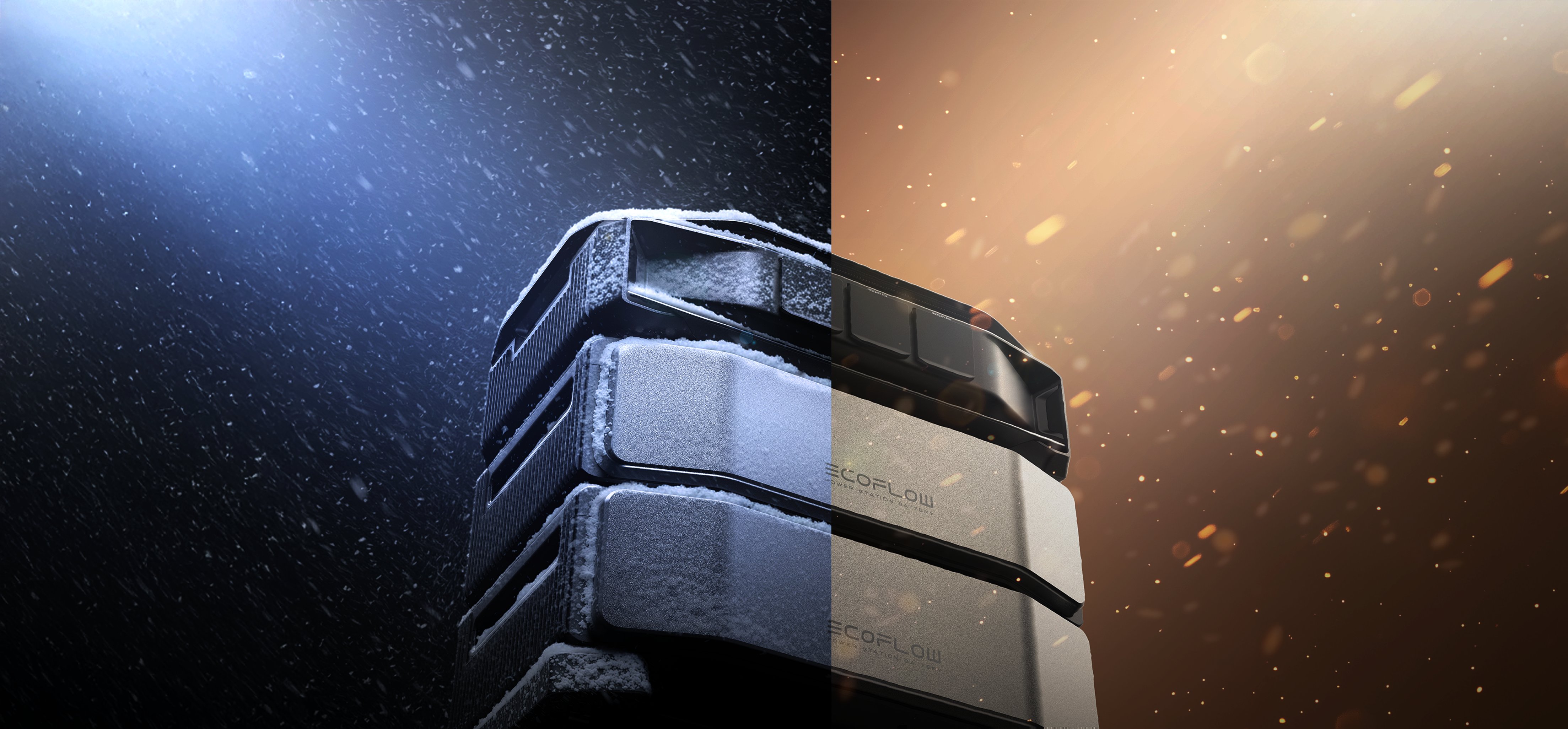
For larger homes, a small battery may only cover a few devices. EcoFlow DELTA Pro Ultra X fits households that want a stronger whole-home backup plan for hurricane outages. A standard setup provides 12kW output and 12kWh capacity, with expansion options up to 36kW output and 180kWh capacity, depending on configuration. Its Storm Guard Mode can send real-time alerts through the app and charge the system to 100% using solar or grid power before severe weather arrives. Before hurricane season, match the setup to your refrigerator, Wi-Fi, lights, medical devices, pumps, cooling needs, and other essential loads.
Plan for the Next Hurricane With Better Home Backup
A strong hurricane plan should match your location, evacuation risk, family needs, and essential loads. Safe shelter and evacuation always come first. For the outage stage, EcoFlow DELTA Pro Ultra X can fit into a larger-home backup plan by helping support essential needs such as food storage, communication, lighting, medical devices, pumps, cooling, and daily comfort during extended power outages.
FAQs
Q1. Is a Category 5 Always the Most Dangerous Hurricane?
No. Category 5 storms are extremely dangerous, but the category only reflects sustained wind speed. A lower-category hurricane can still cause deadly surges, rainfall flooding, tornadoes, and long service disruptions. Your local risk depends on landfall angle, storm size, forward speed, elevation, drainage, and how exposed your home is to water.
Q2. What Is the Difference Between a Hurricane Watch and a Hurricane Warning?
A hurricane watch means hurricane conditions are possible in your area, usually with time to prepare. A hurricane warning means hurricane conditions are expected, so protective action should already be underway. Use a watch to secure outdoor items, check supplies, and review plans. Use a warning to follow local instructions immediately.
Q3. Should Renters Prepare Differently From Homeowners?
Yes. Renters should prepare with mobility and documentation in mind. Keep lease information, renter’s insurance details, medication lists, IDs, and photos of belongings in a waterproof folder and secure digital storage. Ask your landlord about shutters, drainage, parking, generator rules, and post-storm repair procedures before hurricane season begins.
Q4. Can Home Energy Storage Help During Hurricane Recovery?
Yes. Home energy storage can help keep critical daily functions running when the grid is down. It is most useful when sized around essential loads such as refrigeration, communication, lighting, medical devices, pumps, and limited cooling. A storage system should be charged before severe weather and placed according to product safety instructions.
Q5. When Is It Safe to Return Home After a Hurricane?
Return only after local officials say your area is safe. Flooded roads, weakened structures, downed power lines, gas leaks, contaminated water, and hidden debris can remain dangerous after skies clear. Take photos before cleanup, avoid standing water near electrical equipment, and do not enter a damaged home if you smell gas or see structural movement.
Disclaimer: This article is for informational purposes only and does not constitute professional weather, emergency management, electrical, or safety advice. Hurricane conditions, flood risk, evacuation orders, and power outage impacts can change quickly by location and storm path. Always follow official local alerts, evacuation instructions, and safety guidance during severe weather. For official safety information and historical hurricane data, please refer to The Deadliest, Costliest, and Most Intense United States Tropical Cyclones, Hurricane Katrina Tropical Cyclone Report, Ready.gov Hurricanes, Ready.gov Build A Kit, Ready.gov Power Outages, and How to Prepare for a Hurricane.
For press requests or interview opportunities, reach out to our media team
media.na@ecoflow.com