Winter Glamping in Yurts: Heating and Power Tips with EcoFlow DELTA 3 Series
Let’s face it, cowboy camping is not for everyone. And that’s okay. Yurts are the perfect option for anyone seeking the great outdoors, but still wanting creature comforts. Glamping in a yurt has become a popular camping experience, especially in the winter when no one wants to battle the cold all day and night. Keep reading to learn how to efficiently heat a yurt in the winter with reliable, off-grid electricity options like EcoFlow’s DELTA 3 Max Plus.
Winter Yurt Heating Essentials
Insulation
Proper insulation is essential for keeping a yurt warm in the winter. The floor, walls, and roof create a rustic glamping experience, but they often lack sufficient insulation.
Floors: Add rugs or mats to minimize heat loss through the floor.
Roof: Heat escapes the fastest through the central ring (crown). An insulated yurt hat covers the crown and keeps heat in longer.
Walls: The canvas walls block wind, but there’s no insulation. Add it yourself with reflective insulation or thick wool felt.
Seal Gaps: Use weatherstripping to cover any remaining gaps between the door and window seals.
Ventilation
In a yurt with wood-burning or fuel stoves, ventilation is necessary for proper air quality. Combustion-based heat sources can generate carbon monoxide and consume oxygen. You’ll need a small, deliberate opening to the outside for carbon monoxide to escape and oxygen to flow in.
Sources
Since a yurt mimics a tent and a tiny house, there’s a range of heating options to choose from.
Wood and Pellet Stoves: They have a small footprint and are great for smaller yurts. And, you can’t overlook the cozy wood cracking sounds.
Propane Heater: A low-maintenance alternative to wood stoves. You don’t need to keep up with wood logs or ash, just gas tanks.
Radiant Floor Heating: Hydronic tubes under the wooden platform heat floors by circulating hot water or electrical heat.
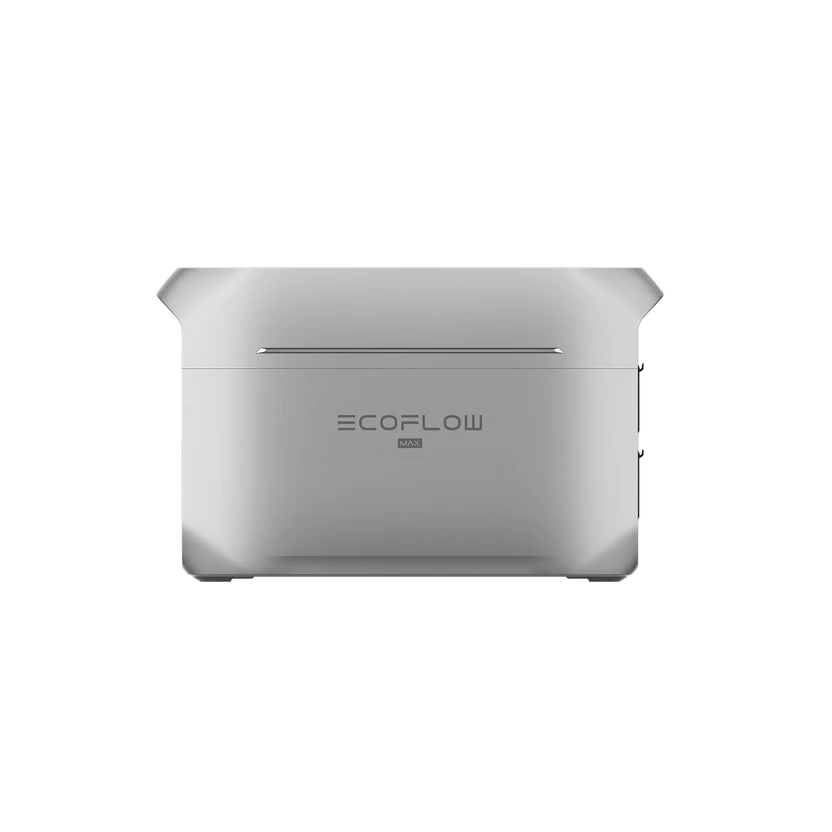
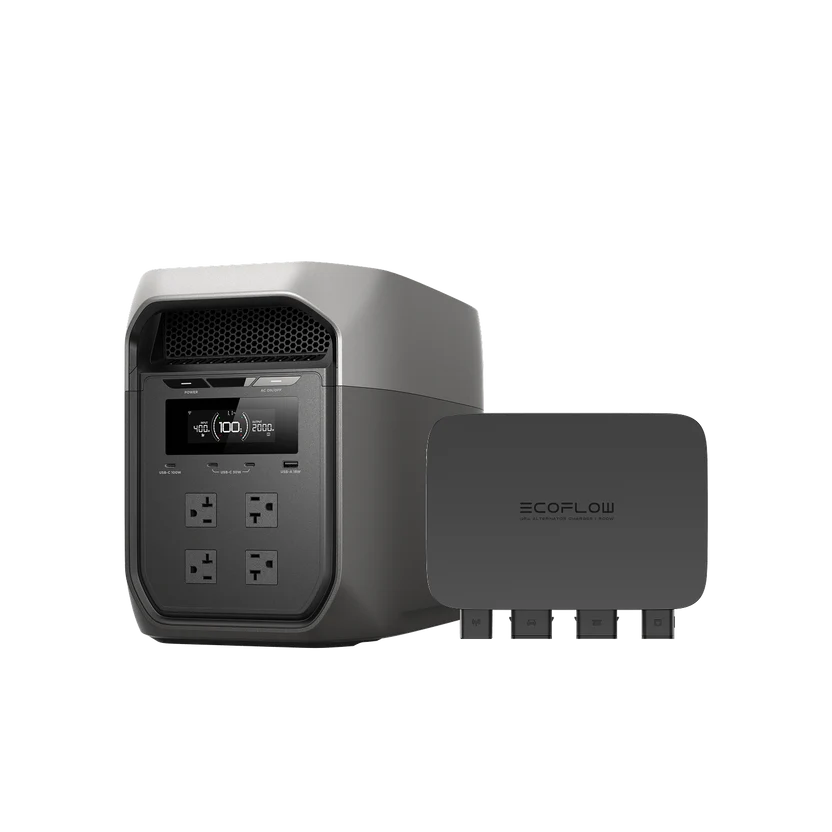
Electric heater: There are many sizes of electric heaters, but they require a consistent electricity source; consider picking up a reliable home generator like the EcoFlow DELTA 3 Max Plus, which works without fumes or noise.
Designing a Safe, Efficient Heating Plan: Sizing, Hybrid, Maintenance
Yurts aren’t perfectly still shelters. Instead, they move slightly with the wind, and the air moves the canvas walls. Heating a yurt requires balancing sufficient heat generation to counteract heat loss while not setting the fabric on fire.
Step 1: Calculate BTU Needs
Yurt BTU needs are different than a house with non-fabric, insulated walls. An average winter yurt needs 30-50 BTU per square foot, but it depends on how cold it is and how well insulated the yurt is.
Calculate the area of the yurt and multiply by your desired BTU/ sq ft.
The result? The necessary BTU rating to look for when shopping for a heat source.
Step 2: Heating Sources
The most efficient yurts combine multiple heat sources for reliability. Normally, one heat source is best for output while the other is more convenient.
A classic combo is a wooden stove with high and fast heat output, coupled with a propane or electric heater. The latter are convenient to use when the primary goes down or needs more wood.
Step 3: Maintenance and Safety
Put chimneys through a silicone stove jack; otherwise, the canvas tarp will melt.
Use a carbon monoxide detector for propane heaters and a smoke alarm for wood stoves.
An ABC fire extinguisher is a must.
Have a small vent purposefully open for ventilation. You need to replenish the oxygen inside. Open the top dome or crack a window.
Keep extra wood outside under a tarp
Modern Heating Outcomes: Comfort, Efficiency, Resilience
Upgrade your yurt experience with modern, electric heating. Classic heating options like stoves lead to temperature fluctuations, and you're left switching between shivering and sweating.
Modern systems use smart technology like smart thermostats, mobile apps, and zoned settings to efficiently apply heat when needed so you’re never uncomfortable. Solar panels can charge power stations like the EcoFlow DELTA 3 Max Plus or directly power electrical heating systems, so you never worry about running out of power.
EcoFlow DELTA 3 Powered Solutions: Modular, Smart, Off-Grid Ready
Portable battery systems store electricity for stress-free, off-grid use. The EcoFlow DELTA 3 Series brings reliable electricity to any yurt location, with enough juice for electric heating setups. With a modular plug-and-play design, you can customize the size and layout for your needs. Monitor energy usage and generation from your phone. When the charge runs low, top it off with solar panels to keep the heat flowing.
Frequently Asked Questions
How To Keep a Yurt Warm in Winter?
Retaining heat in a yurt requires a heat source, insulation, and ventilation. There are many heat source options, like wood stoves and electric heaters. Use insulation techniques on the floor, walls, dome, and seals to retain generated heat. Create a small vent for fresh oxygen to flow in and carbon monoxide to flow out.
What Is the Best Heater for a Yurt?
The best yurt heater depends on the level of convenience and ambiance desired. Wood stoves are cozy, but keeping up with the wood supply can be annoying. Electric heaters don’t have a wood crackling sound, but they are easier and safer to use, while still putting out plenty of heat.
Can You Live in a Yurt During the Winter?
With the right setup, anyone can live in a yurt during the winter. Yurts are great shelters, but the winter exposed some of their weaknesses, like a lack of insulation. You’ll need to add layers to the floor, roof, and walls to keep comfortably warm inside.
Ready to Power Your Winter Yurt with EcoFlow?
Yurts are a unique way to escape the outdoors but still keep indoor comforts nearby. In the winter, camping in a yurt requires careful planning for the glamping experience. You’ll need the three essentials to create and retain heat: insulation, ventilation, and a source. Choose from a wood stove, pellet stove, propane heater, electric heater, radiant floors, or a combination for efficient heating.
The most reliable and easy heating option is electric. Power all sizes of electric heaters with an EcoFlow DELTA 3 Ultra Plus for stress-free warmth your entire trip.
For press requests or interview opportunities, reach out to our media team
media.na@ecoflow.com