Camping in California 2026: Best Sites, National Parks, and Off-Grid Power Tips
- What to Know About California Camping Before You Pick a Spot
- Choose Your Camping Style: Dispersed, Campground, or Wilderness Permit Trips
- Where to Camp: Iconic Parks and Quieter Alternatives Across Coast, Desert, and Mountains
- How to Find and Reserve Campsites (and Build a Backup Plan)
- Off-Grid Power for California Camping: Solar Charging, Quiet Nights, and Reliable Essentials
- Frequently Asked Questions
- Camp Longer, Waste Less, and Stay Comfortable Off-Grid
California features many biomes, including forests, deserts, beaches, and mountains, offering a wide variety of camping experiences. Whether you’re looking for a deep connection to nature or a luxurious stay, California boasts endless campsites that can accommodate your plans.
Our guide covers everything you need to know about camping in California—the best sites, what to look out for, and how to stay powered with clean energy.
What to Know About California Camping Before You Pick a Spot
Camping rules and regulations vary based on the area and the managing government body. Wilderness zones typically require permits to access, and dispersed camping is not allowed for more than 14 days within a 28-day period. Some campgrounds are closed to campers during certain months due to extreme temperatures or weather.
A California Campfire permit is required to light campfires and gas stove fires on public lands. Even with a permit, check local regulations to ensure fires are permitted. During periods of high fire danger, campfires may be restricted to prevent wildfires.
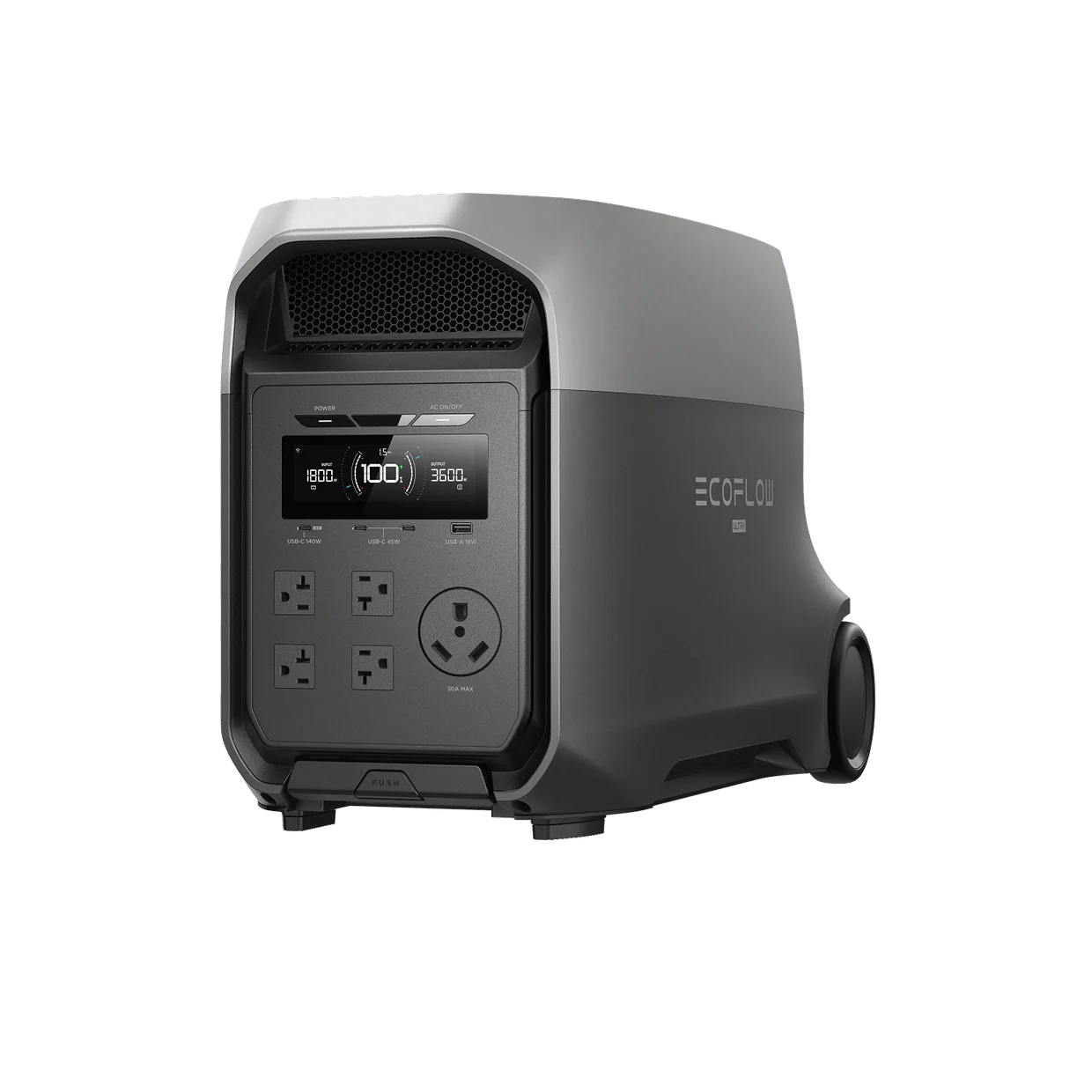
To keep your essential devices powered, consider bringing an alternate power source. The EcoFlow DELTA 3 Ultra is designed to support multiple devices at once, including mini fridges, lights, and stoves. These units have a base 3,072Wh capacity that’s expandable to up to 11kWh and have solar power compatibility for endless energy.
Choose Your Camping Style: Dispersed, Campground, or Wilderness Permit Trips
Dispersed camping is the act of camping on public lands outside of a campground. This primitive style of camping relies on self-sufficiency, as the site lacks amenities such as running water, restrooms, or trash collection. Perfect for RV boondocking, these sites are typically free and very isolated, but they still come with rules and regulations.
California also has wilderness areas available for primitive camping. These federally protected areas don’t have drive-up access, so campers will need to hike to access them. Wilderness camping can cost anywhere from $5 to $40, and visitor numbers are limited.
The most beginner-friendly method of camping is to settle down in an established campground. These sites have many amenities, such as running water, bathrooms, picnic tables, trash bins, and fire rings. Campgrounds are generally flooded with other campers, especially during the peak season, so privacy and seclusion will be rare to find. Camping costs range from $20 to $100 per night, depending on the experience.
Where to Camp: Iconic Parks and Quieter Alternatives Across Coast, Desert, and Mountains
California is home to some of the most visited national parks. Because of its diverse nature, California offers many camping options, whether you want to go the classic camping-in-the-woods route or have a more relaxed stay with a beach view.
Yosemite National Park is a hotspot for California camping, offering sites in wooded areas in the valley and in meadows at the base of the mountains.
Joshua Tree National Park is a popular camping spot for its desert environment. Because of extreme heat dangers, partial or full closures may occur in the summer.
Point Mugu State Park features two campgrounds along five miles of ocean shoreline. Sycamore Canyon Campground offers a traditional camping experience with a short walk to the beach, while Thornhill Broome Campground sits directly on the beach.
Inyo National Forest offers high-altitude camping with stunning views. Recreation includes hiking along mountain ranges, fishing in frozen lakes or along rivers, and viewing local wildlife along scenic routes.
How to Find and Reserve Campsites (and Build a Backup Plan)
Decide on the camping style and environment you’re looking for. Once you find the perfect park or forest for your trip, national park and forest sites can be reserved through Recreation.gov, while state park reservations can be made through ReserveCalifornia. Reservations are available up to six months in advance, and many spots get fully booked within minutes. Plan well in advance, or be flexible with your dates and locations.
Having a backup plan ensures your camping trip isn’t canceled in the event of site closures. Check the access road conditions before departure to ensure you can reach your campsite. Wildfire activity can cause closures at a moment’s notice, so keeping a backup campsite in mind means an unexpected closure won’t ruin your trip.
Off-Grid Power for California Camping: Solar Charging, Quiet Nights, and Reliable Essentials
Whether you’re going primitive or taking advantage of all the amenities, backup power is essential for any camping trip. While generators are typically allowed at campsites, there are many restrictions, including hours of operation and noise levels. For this reason, a portable power station paired with solar panels makes for a more practical solution.
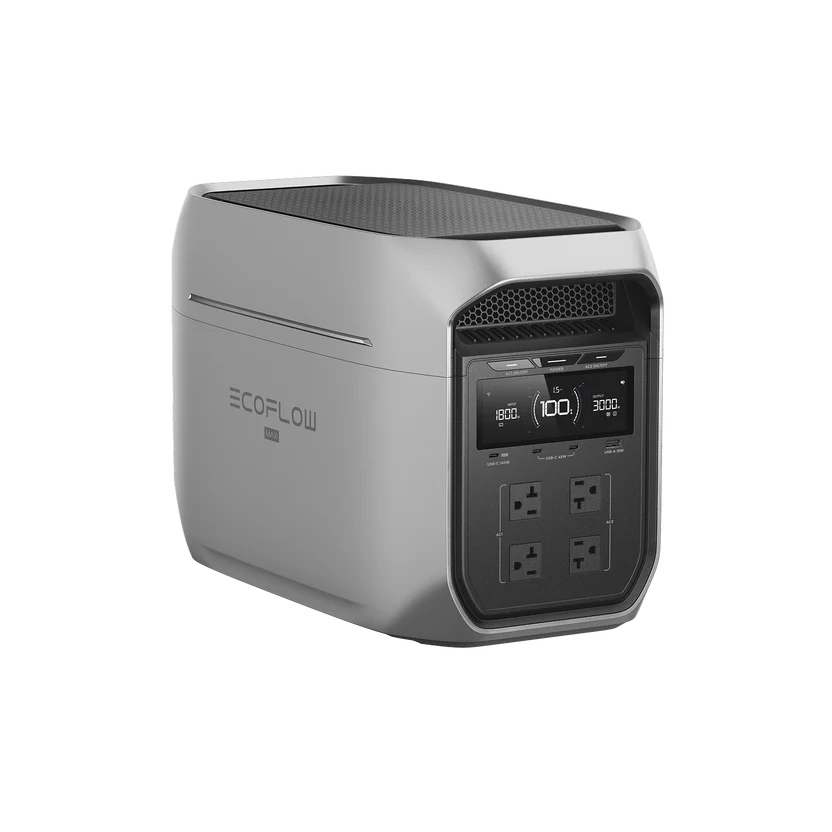
The EcoFlow DELTA 3 Max is a more lightweight and portable set of stations designed for weekend trips. They handle lights, fans, phones, and small appliances with ease, covering the essentials and saving valuable space.
Frequently Asked Questions
Do I need a permit for dispersed camping in California?
Permits are not typically required for dispersed camping on public lands in California. However, you must obtain a free California Campfire permit if you wish to light a campfire or use a gas stove.
Where can I legally camp for free on public land in California?
Free dispersed camping is available on most public lands managed by the Bureau of Land Management and the U.S. Forest Service as long as you are a sufficient distance from water sources, roads, and developed facilities.
What size portable power station do I need for a weekend camping trip?
For a weekend trip, a 1,000Wh power station is typically enough to power essentials. If you plan to run appliances, consider one with a 2,000Wh capacity. Pairing any station with solar panels can extend your power indefinitely.
Are campfires allowed while camping in California?
Campfires may be restricted in your camping area to prevent wildfires. Check with local rules and regulations for any fire bans in effect. If no ban is in effect, you will still need a California Campfire permit to light a campfire.
Camp Longer, Waste Less, and Stay Comfortable Off-Grid
California has something for every camper. Securing a spot at a developed campsite is often a gamble, but dispersed and wilderness camping offer alternatives. Even with the lack of amenities, off-grid power can make the camping experience well worth it. The EcoFlow DELTA 3 Ultra Series opens up a world of possibilities. Never worry about running out of power again with expandable battery capacity and solar panel compatibility.
For press requests or interview opportunities, reach out to our media team
media.na@ecoflow.com