Holiday Charity & Giving Back: Winter Volunteer Ideas
During the winter, many vulnerable people and animals have to deal with very difficult conditions. Because of the extreme cold, higher chances of getting sick, and lack of food, communities need to come together to help those who are vulnerable, like seniors, the homeless, and animals during this time of year.
During these cold months, saving lives and giving warmth matter more than simply counting volunteer hours. You can help people have a better, safer, and more hopeful winter by volunteering and showing kindness.

Winter Charity Ideas to Make a Difference
When the weather gets cold, community support is vital. Good winter charity ideas often have to do with warmth, food, and clothes. But the giving season is also about connection.
This season, there are a number of meaningful ways you can make a difference:
Coat and Blanket Drive: Look in your closet for heavy coats, scarves, or wool blankets that you could donate. Before the first freeze, many shelters set up special volunteer opportunities to help sort and distribute these items.
Help Community Food Banks: During the winter holidays, food banks feel a lot of pressure. Donating non-perishable items is helpful, but the best way to make a difference is to volunteer to help pack or serve meals.
Check on Senior Neighbors: During the winter, elderly adults might end up isolated. You can make an immediate impact through acts of charity, like shoveling snow or bringing a neighbor a hot meal.
Create "Warmth Kits": Put together small packages that have thick socks, lip balm, hand warmers, and high-calorie snacks. These are great to keep in your car for when you see someone who needs help.
These practical tips for winter charity make it easier to take action this season.
How to Help Homeless People in the Winter
In the winter, the most urgent need is right in front of our homes. Helping those experiencing homelessness in the cold requires preparation and compassion. For those experiencing homelessness, cold weather poses the greatest immediate danger: frostbite and hypothermia are real dangers.
Essential Items to Donate
A good way to help homeless people in the cold is to give them coats, hats, and blankets. However, avoid donating cotton items. When cotton clothing gets wet, it becomes a safety hazard because it loses its insulating properties. Instead, focus on these items:
Thermal Socks and Underwear: Wool and synthetic blends are examples of fabrics that can wick away moisture. These are essential.
Waterproof Tarps and Sleeping Bags: Keeping moisture away is the most important thing for maintaining body heat.
Disposable Hand and Foot Warmers: On very cold winter nights, these warmers are extremely helpful.
Gift Cards: Gift cards to coffee shops or fast food restaurants provide not just a hot meal but, more importantly, a few hours of indoor shelter.
Providing Hot Food and Water
Many people think that you can't get dehydrated when it's cold, but that's not true. Cold air can reduce thirst signals and even freeze water sources.
Distribute Hot Drinks: A warm mug of hot cocoa, tea, or soup can help both body and soul.
Offer High-Calorie Foods: The body uses more energy to keep the core body temperature steady. Peanut butter, soft granola bars, and beef jerky are all good choices.
Respect and Connection
In the winter, one of the most important but often ignored ways to help homeless people is to acknowledge them and treat them with dignity. Simple gestures like making eye contact, smiling, and saying "hello" go a long way.
When you volunteer in places where you need to interact with the public, you should always travel with others for safety. Also, remember that conversation can be just as comforting as offering material help.
How to Help Homeless Cats in the Winter
During the winter, people aren't the only ones who feel the cold—animals do too. Snow makes things very hard for both pet and stray cats. One meaningful way to keep the spirit of the season alive is to learn how to help stray cats during the winter.
Building Winter Shelters
You don't have to be a builder to help a cat. A simple DIY shelter protects them from the snow and wind.
Use a Styrofoam Box: Take a large Styrofoam box, cut a 6-inch entrance hole in the side, and seal it well.
Straw, Not Hay: This is the most important rule for winter preparation for outdoor animals. Straw is good at insulating while repelling moisture. Hay, blankets, and rags will absorb water, freeze into a solid block, and draw heat away from a cat's body.
Food and Water Management
A cat that is well-fed has an easier time staying warm.
High-Protein Diet: Cats need high-protein food, like dry cat food or high-calorie canned food, to boost their energy levels.
Preventing Water from Freezing: In the coldest part of winter, animals might die from dehydration without anyone noticing. Use a thick, deep plastic bowl instead of a metal one, as metal freezes faster than plastic.
Support TNR Projects
A great way to volunteer long-term is to help your local TNR (Trap-Neuter-Return) group. Spaying or neutering community cats is an effective way to prevent kittens from being born outdoors in harsh winter conditions.
Powering Your Outdoor Events Safely
In the winter, it might be challenging to hold outdoor charity events like a food station, a mobile coat drive, or a hot chocolate stand. To keep your volunteers warm and safe in cold weather, you should avoid using gas generators, which are noisy and produce harmful fumes.
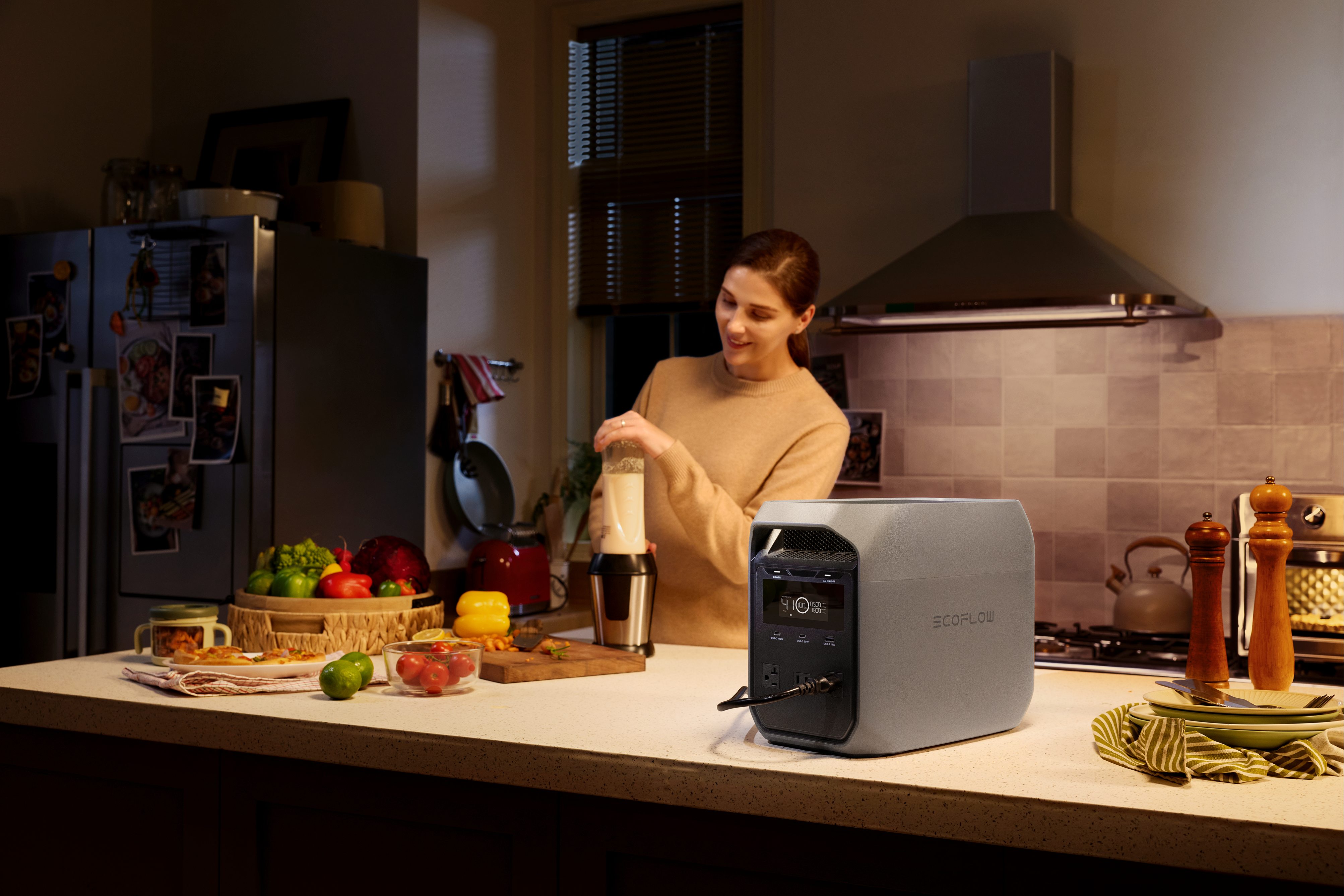
The EcoFlow DELTA 3 Classic, which can serve as the power source for your mobile station, solves these problems when you're on the go:
Create a Bright and Welcoming Atmosphere: After it gets dark, you can power LED floodlights to keep the area safe. You can also run a space heater and an electric kettle. Its powerful output ensures that everyone gets steaming hot tea without interruption.
Ready to Help Anytime: You can volunteer whenever you want. If you need to set things up quickly, the DELTA 3 Classic charges rapidly when plugged into a wall outlet. You can charge it while you're packing so you never have to worry about running out of power.
Quiet Operation: A loud generator is not helpful when working with vulnerable people or nervous animals. The DELTA 3 Classic creates an ideal environment for calm interaction because it operates quietly.
Managing the details of power will allow you to focus on what really matters: enduring the cold, helping more people, and spending more time outdoors making a difference.
Spread Warmth This Winter
Winter can be harsh, but people tend to be at their best during this season. Whether you're organizing a neighborhood drive, exploring ways to help the homeless in winter, or building shelters for cats without homes, your actions matter.
When you combine your time and kindness with the right tools, like the EcoFlow DELTA 3 Classic to power your outdoor projects, you can create a warm and bright atmosphere even on the darkest days of the year. Don't let the cold weather stop you this winter. Instead, may our love for each other be a lasting legacy.
FAQ
Q1: What can I donate to help homeless people in the winter?
Focus on "survival gear" instead of "just clothes." New underwear, long underwear, and high-quality wool thermal socks are the most important items. When it's cold and dry outside, it's easy to forget things like lip balm, wet wipes, and sunscreen, but these items are important for maintaining hygiene. Gift cards to restaurants that are open 24 hours a day are also very helpful because they provide food and a safe, warm place to stay indoors for a few hours away from the elements.
Q2: When money is tight in the winter, how can we help people who are homeless?
You can offer your time. Donate heavy coats to a shelter or volunteer to serve hot food at a soup kitchen. Another good idea is to offer to shovel snow for elderly neighbors or clear paths for community centers. Simply talking to a homeless person is an easy way to fight isolation during the winter. If you have extra yarn and know how to knit or crochet, you could make scarves to give away.
Q3: How can we make sure that stray cats stay warm when they are outside during the winter?
First and foremost, provide a shelter that is dry and wind-resistant. Use straw inside a plastic container or a Styrofoam cooler. Don't use hay or blankets because they will absorb water, freeze, and become solid. To retain body heat, the entrance shouldn't be more than six inches wide. When it's cold, you should provide extra food. High-protein cat food or canned wet food can help stray animals get the extra calories they need to survive the night.
Q4: Why is cotton clothing not a good choice to donate to organizations that help people in the winter?
There is one rule you should always remember when trying to survive outdoors: "Cotton kills." Cotton absorbs water, so it doesn't keep you warm when it's wet from snow, rain, or sweat. The result is a rapid drop in the body's core temperature, similar to applying ice directly to the skin. Only donate wool, fleece, or synthetic thermal blends. These fabrics are perfect for people who don't have permanent shelter because they repel moisture and retain heat even when wet, making them much safer.
Q5: How can I help someone who is freezing?
First, assess how serious the situation is. If they appear conscious, ask if you can help them get in touch with a shelter. In the United States, it's often as simple as calling 2-1-1 to connect with outreach teams who assist homeless individuals and provide rides to warming centers. However, if they don't respond, have difficulty speaking, or are shaking severely, they may be experiencing or about to experience severe hypothermia. Do not wait—call 911 right away. This is more than a social service issue; it's a medical emergency that could be life-threatening.
For press requests or interview opportunities, reach out to our media team
media.na@ecoflow.com