Why Wind Chill Matters More Than You Think
The jet stream does not care that you plan on having fun over the weekend. It doesn't care that you just purchased groceries that would last you the whole week and that your kids have school tomorrow. As the huge river of air known as the jet stream changes position, it can lock Arctic air into your city for days, break power lines from ice, and turn your comfortable house into an alive situation. Knowing the jet stream gives you the warning that makes the difference.
How to Calculate Wind Chill and Why It Feels Colder
Wind chill involves the quick loss of body heat as the wind pulls the heat away. Just think of the process of blowing over hot soup to cool it. That’s exactly how the wind works on your skin.
On a calm day at -5°C, your body creates a thin layer of warmth around your skin that acts like insulation. Add wind, and that protective barrier vanishes. Your body works overtime just to maintain normal temperature.
The calculation combines air temperature with wind speed to show what it actually feels like on exposed skin. At -5°C with no wind, you might feel fine. At -5°C with 30 km/h winds, your skin experiences conditions closer to -15°C.
Here's the real-world impact:
| Actual Temperature | Wind Speed | Wind Chill Temperature |
| -5°C | Calm | -5°C |
| -5°C | 20 km/h | -13°C |
| -5°C | 40 km/h | -16°C |
| -10°C | 40 km/h | -23°C |
Each drop represents increased risk. This is why checking current wind chill before heading out matters more than just glancing at temperature. When you see "wind chill today: -20°C" on your app, that's what your body will face.

Wind Chill Dangers That Catch People Off Guard
Wind chill creates dangers that catch people off guard. Your body can handle cold, but wind chill compresses the timeline for serious injury from hours to minutes.
Frostbite and Hypothermia Risks
Frostbite becomes real when wind chill drops below -27°C. At that point, exposed skin can freeze in 10 to 30 minutes. Your fingers, toes, nose, and ears go first, as they're farthest from your core. At -40°C wind chill, you're looking at frostbite in under 10 minutes.
Hypothermia (when core body temperature drops below 35°C) develops faster in high wind chill. Your body burns energy reserves trying to stay warm. Shivering intensifies, then eventually stops—a bad sign. Confusion and slurred speech follow.
Real-World Scenarios
A hiker plans a three-hour walk on a -8°C day, dressed for that temperature. But exposed ridges with 50 km/h winds create -22°C wind chill. What seemed manageable becomes dangerous. Even everyday situations carry risk, waiting for a bus, walking the dog, or clearing snow can turn hazardous.
The Device Problem Nobody Mentions
Your phone, your lifeline for navigation and emergency calls, becomes unreliable in extreme cold. Lithium-ion batteries lose capacity fast. A phone showing 80% at room temperature might shut down at 20% in severe cold. GPS devices and headlamps face the same issue. Chemical reactions inside batteries literally slow down, reducing power right when you need it most.
Why Wind Chill Preparation Goes Beyond Warm Clothes
Checking the wind chill factor before going out needs to be an afterthought. But preparation goes well beyond grabbing the warm jacket. You have to consider the elements that most people tend to forget.
Smart Layering Strategy
You need three layers working together:
Base layer: Wicks sweat away (wet plus cold equals danger)
Middle layer: Traps heat
Outer layer: Blocks wind
That outer shell matters most in high wind chill. Wind cuts through cotton, fleece, and wool. Only windproof materials stop heat loss.
Don't neglect your extremities. Your body prioritizes keeping your core warm, which means your hands, feet, and face get sacrificed first. Quality gloves, a hat that covers your ears, and a scarf or neck gaiter to protect your face aren't optional. They're essential safety equipment when current wind chill drops significantly.
Protecting Your Electronics
Your gadgets are important and deserve prep. Having no phone if you are lost and injured makes bad situations worse.
Cold affects the batteries negatively. The battery dies, and the gadget works harder. For a phone that would last the whole day, it would last two hours if it were put in severe cold.
Keep your cell phone inside your breast pocket. In the case of hiking, ski excursions, and other lengthy activities, powering your cell phone becomes necessary.
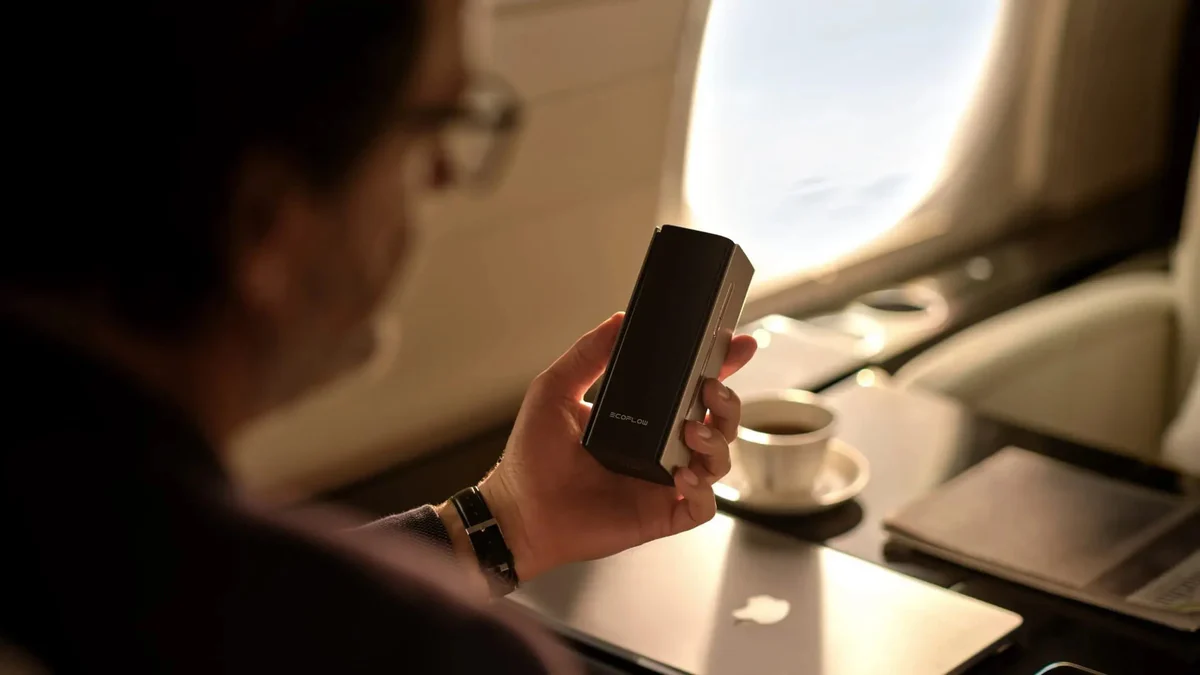
The EcoFlow RAPID Pro Power Bank (20,000mAh, 230W, 100W Built-in Cable) handles cold weather challenges well. Its 20,000mAh capacity recharges a phone four to five times. The 230W output charges multiple devices fast: phone, GPS, headlamp. The 100W built-in cable means no fumbling with cold fingers. Small enough for a jacket pocket, keeping it body-warm helps maintain its efficiency.
Timing Matters
Plan your outdoor activities around wind chill peaks too. Early morning and late afternoon often see the worst conditions. If you're flexible with timing, that midday window might offer significantly better wind chill readings.
When Wind Chill Becomes More Dangerous Than You Realize
Most people know cold is dangerous, but specific wind chill numbers reveal threats that happen faster than you'd expect.
Know the Danger Zones
At -27°C wind chill, exposed skin can get frostbite in 10 to 30 minutes. Activities are possible but need vigilance. Check skin frequently. Limit time outside.
At -40°C wind chill, frostbite happens in under 10 minutes. Some organizations cancel outdoor activities entirely. If you must go out, full face coverage and frequent warm-up breaks are essential.
Different activities carry different risks. Cross-country skiing generates body heat and keeps you moving. Standing still at a bus stop? Much more dangerous at the same wind chill.
Warning Signs
Watch for these:
Frostbite: White or gray skin, numbness, waxy texture
Early hypothermia: Uncontrollable shivering
Advanced hypothermia: Shivering stops, slurred speech, confusion
If these appear, get to shelter immediately. Remove wet clothing. Warm gradually with body heat or warm (not hot) water. Don't rub frostbitten areas. And keep your phone charged—emergency services need to reach you.
Stay Safe This Winter
Wind chill makes manageable cold temperatures into true danger. Before your next foray outdoors, check the wind chill factor, not just the temperature. Get your winter sports equipment together now by assembling the following items: wind-resistant layers, warm gloves, and portable power for your gadgets. Don't find yourself stuck without your cell phone and learn the value of preparation the hard way. Check the wind chill score for the current day.
FAQs
Q1. Does Wind Chill Affect How Fast My Car Engine Cools Down?
No. Wind chill measures the heat loss from living skin, not objects. Your car cooling is dependent on the actual temperature. Extreme cold affects your car. The oil becomes thicker, the batteries lose strength, and the fluids are less mobile, but that’s independent of wind chill. The wind chill factor only works for warm-blooded animals that produce their own heat.
Q2. Can I Get Frostbite Indoors if There's a Strong Draft?
Very unlikely. In order for frostbite to happen, the skin must be below freezing (0°C). This low temperature would not normally be reached inside drafty rooms. In drafty rooms close to the window, it would certainly not be low enough for it to freeze. This would not be the case indoors, where the base temperature would be much warmer.
Q3. Why Does My Weather App Show Different Wind Chill Values Than TV?
The values differ based on the sources that use various weather stations and the timing of the updates. Formulas for the wind chill factor are standard. So the difference would be based on slightly varying factors such as the reading of the temperature and wind. In most cases, the difference won't make any difference in the preparation that needs to be followed.
Q4. Do Children Experience Wind Chill More Severely Than Adults?
Yes. They do possess larger surface areas proportional to their mass, hence losing heat faster. They are also located close to the ground, where the winds are faster. At times, young kids are not conscious of discomfort until it becomes severe. You dress them warmly, check them often, and limit their exposure times compared to adults. Infants are most prone and require the least exposure to strong winds.
For press requests or interview opportunities, reach out to our media team
media.na@ecoflow.com