Power Grid Overload: Why Summer Blackouts Are Increasing
- What Is Grid Overload and Why Does It Cause Blackouts?
- Why Is Electricity Demand Rising So Fast Across the US?
- How Is Aging Infrastructure Making the Grid More Vulnerable?
- Which Regions Face the Highest Risk of Summer Blackouts?
- What Should You Power First During a Blackout?
- How Does Backup Power Help You Ride Out Grid Overload Events?
- Frequently Asked Questions
- Backup Power Keeps Your Home Running When the Grid Can't Keep Up
If you've felt that blackouts are becoming more common in the summer, you're not just imagining things. Power grid overload is real and impacting many communities across the country. This guide goes over what grid overload is, why it causes blackouts, why electricity demands are rising, and why America's power grid is becoming more vulnerable.
What Is Grid Overload and Why Does It Cause Blackouts?
Grid overload is when the demand for electricity goes beyond the capacity of the power grid, and can result in equipment failure, damage, and blackouts.
The grid needs supply and demand to balance to operate properly. When demand exceeds supply, protective devices automatically disconnect parts of the grid to prevent equipment damage, which leaves some people without power.
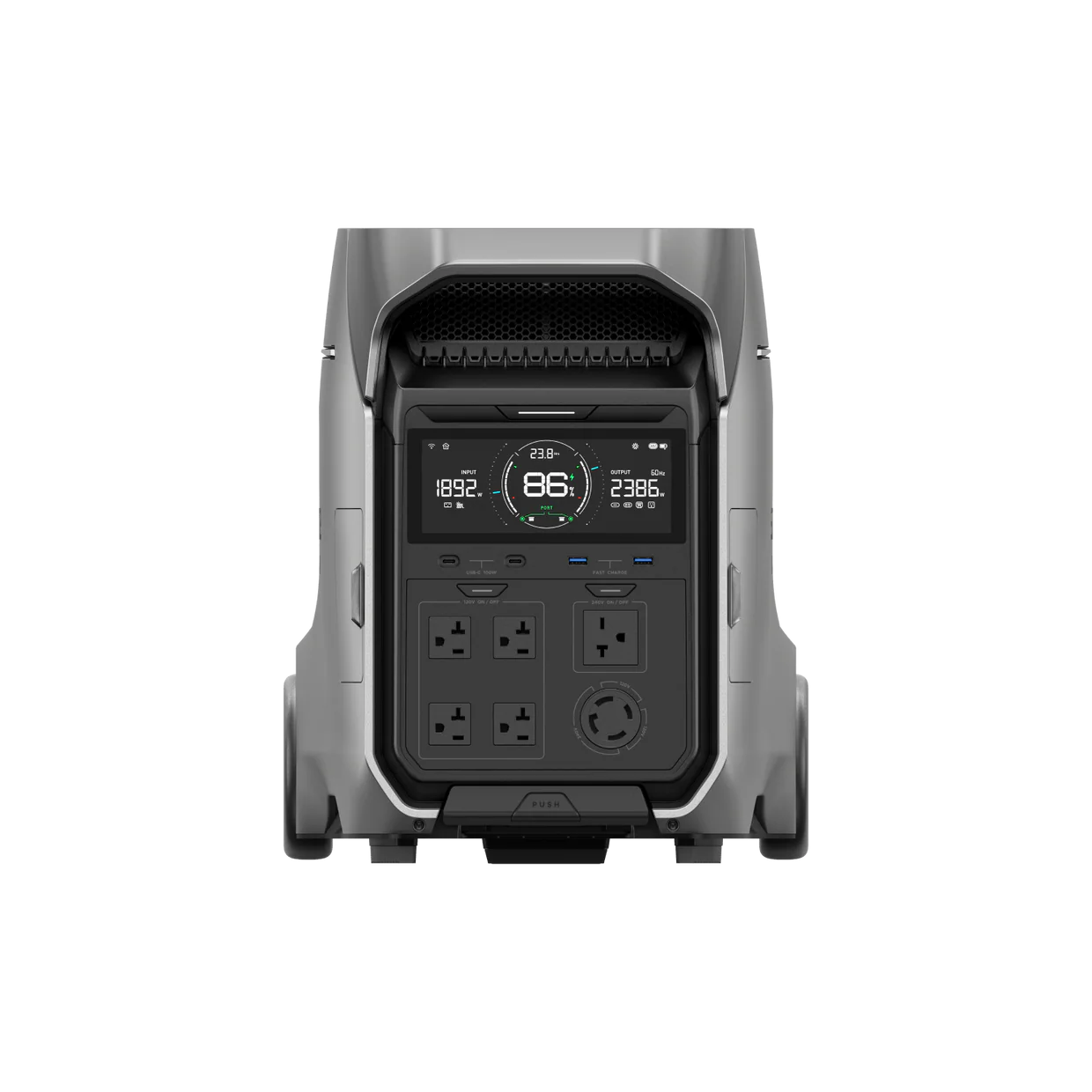
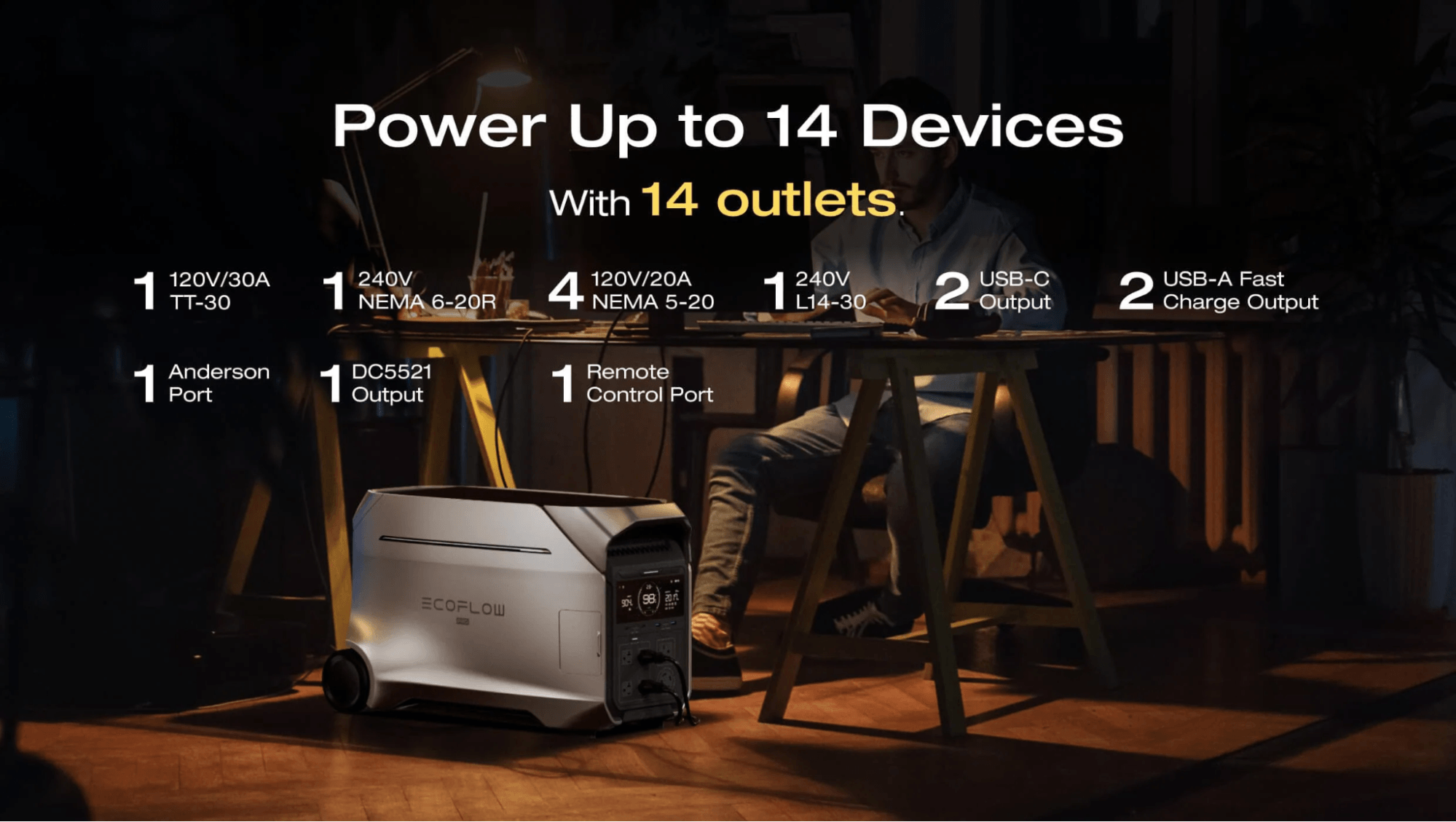
Because grid overload can cause blackouts at any time, especially during peak summer usage, consider picking up some form of backup power, such as an EcoFlow DELTA Pro 3 Portable Power Station, to keep your devices and appliances running even when the grid overloads.
Why Is Electricity Demand Rising So Fast Across the US?
There are several reasons why electricity demand is rising so fast across the USA. First, the recent AI and data center boom is having a huge impact on power usage. According to the Congressional Research Service, some hyperscale data centers now draw as much power as 80,000 to 800,000 homes.
The growing shift toward electric vehicles is also contributing, as is building electrification. More technology and modern appliances are increasing base electricity needs both residentially and commercially.
Finally, hotter summers are also to blame, as more people run their air conditioners more frequently and for longer durations to manage the extreme heat.
How Is Aging Infrastructure Making the Grid More Vulnerable?
Older infrastructure struggles to handle the extreme storms much of the country sees in summer, especially heat waves, flooding, heavy rain, and hailstorms.
Many legacy grids were also designed for one-way power flow from fossil-fuel power plants, and struggle to integrate modern energy sources, which can lead to grid congestion and bottlenecks. That strain compounds with the heightened demand from AI, EVs, and data centers.
Finally, according to the Congressional Research Service, the use of older technologies in grid operational systems can increase cyber vulnerabilities, since companies face more challenges patching and updating aging equipment.
Which Regions Face the Highest Risk of Summer Blackouts?
Summer blackouts can happen across the USA for a variety of reasons. According to the North American Electric Reliability Corporation's (NERC) Summer Reliability Assessment, the regions facing the highest risk of summer blackouts include:
Texas
The Midwest
New England
The Southwest
California
What Should You Power First During a Blackout?
When a blackout hits, you need to prioritize what you power first. Start with anything related to health and safety, including medical equipment or devices you rely on, such as CPAP machines, and safety lighting to prevent trips and injuries inside the home.
Next, focus on communication and information, such as your phone, to keep in contact with others and stay updated on the blackout. A hand-crank radio is also good to have around for alerts if your other devices fail or lose power.
After that, you can focus on comfort. Running a central air conditioner or furnace uses plenty of electricity, so fans and smaller space heaters are a better option. If heavy rain or flooding caused the blackout, you may also want to power your sump pump to keep your basement dry.
Avoid powering unnecessary things during a blackout so you can better prepare for long-term power outages. Since it's often impossible to know how long power outages last, it's better to be safe and preserve your power.
How Does Backup Power Help You Ride Out Grid Overload Events?
Having backup power is crucial for riding out grid overload events without losing access to the appliances, electronics, and systems you rely on every day. Systems that kick on and off automatically when the power goes out and comes back can also protect your electronics from fluctuating voltage.
Whether you use a whole home backup power solution that kicks in instantly, or a small portable charger for more basic needs or blackouts in tiny homes, both can help you keep your essentials powered during an outage.
Without backup power, you may lose access to your home's most essential components, like lights, appliances, and the HVAC system, for anywhere from an hour or two up to multiple days.
Frequently Asked Questions
What Causes Most Summer Power Outages in the US?
Extreme weather and storms are common causes of summer power outages in the USA, along with grid overload from rising electricity demands throughout the country. Heat waves also push air conditioners to their limits, while severe storms can damage power lines and transformers, both of which quickly overwhelm the grid.
Is the US Power Grid Getting Worse?
Yes, the grid is facing increased strain due to rising electricity demands, and is also becoming more vulnerable due to more extreme weather and aging infrastructure. Much of the country's transmission and distribution equipment was built decades ago and wasn't designed for today's higher demand, which makes upgrades and modernization efforts increasingly important.
How Long Do Summer Blackouts Usually Last?
Summer blackouts can range from under an hour to several hours, though huge storms or massive grid emergencies can lead to multi-day blackouts. Localized outages caused by equipment failure or a downed line are typically the quickest to restore, while widespread damage from a major storm can take utility crews several days to fully repair.
How Can You Prepare Your Home for a Blackout?
To prepare for a blackout, you can build yourself an emergency kit that includes water, some food, a flashlight, and other essentials. You can also invest in a backup battery system or portable power, and ensure you're staying updated about weather alerts so you know when a major storm is coming that could potentially cause mass outages.
Backup Power Keeps Your Home Running When the Grid Can't Keep Up
With summer blackouts increasing due to extreme weather, dated infrastructure, and greater demand from EVs and AI/data centers, having backup power is more important than ever.
It gives you peace of mind that even during the outages your area will likely face, you'll still be able to keep your home operational.
If you want to learn more about portable power solutions, or even a whole home battery backup capable of running your entire home during an outage, don't hesitate to check out the various options that EcoFlow provides.
For press requests or interview opportunities, reach out to our media team
media.na@ecoflow.com