How Long Do Power Outages Last? Average Duration by Cause & Season
- What Is a Power Outage, and Why Do Durations Vary?
- What Causes Outages and How Long They Last
- How Does Restoration Happen, and What Affects Timing?
- Why These Durations Matter for Preparedness
- The Smarter Solution: Modern Backup Power For Resilience
- Frequently Asked Questions
- Prepare Sooner, Stay Safer, Power Through Outages
Power outages can last anywhere from a few minutes to several weeks, depending on what's causing the disruption. A fallen tree branch is a quick fix, but hurricanes and major grid failures can leave entire communities without power for days or weeks.
Understanding how long outages typically last and what affects restoration times can help you prepare for the unexpected when the grid goes down.
What Is a Power Outage, and Why Do Durations Vary?
A power outage happens when electricity stops flowing from the utility company to your home. Some outages are brief, while others can leave you without power for days or weeks.
That’s a big range, so why do outages vary so much? It comes down to what caused the outage in the first place.
Crews can fix power lines downed by tree limbs pretty quickly, but something more severe, like a hurricane, can destroy infrastructure and make it significantly harder for crews to work. If the utility company has to rebuild infrastructure, restoration takes a lot longer.
But planned outages can also happen. Your utility company might schedule rolling blackouts to protect the grid during periods of high demand. While inconvenient, losing power for 1–2 hours as part of a rolling blackout plan can prevent much bigger grid failures.
Outage durations vary a lot. That’s why it’s smart to prepare for both short and extended disruptions.
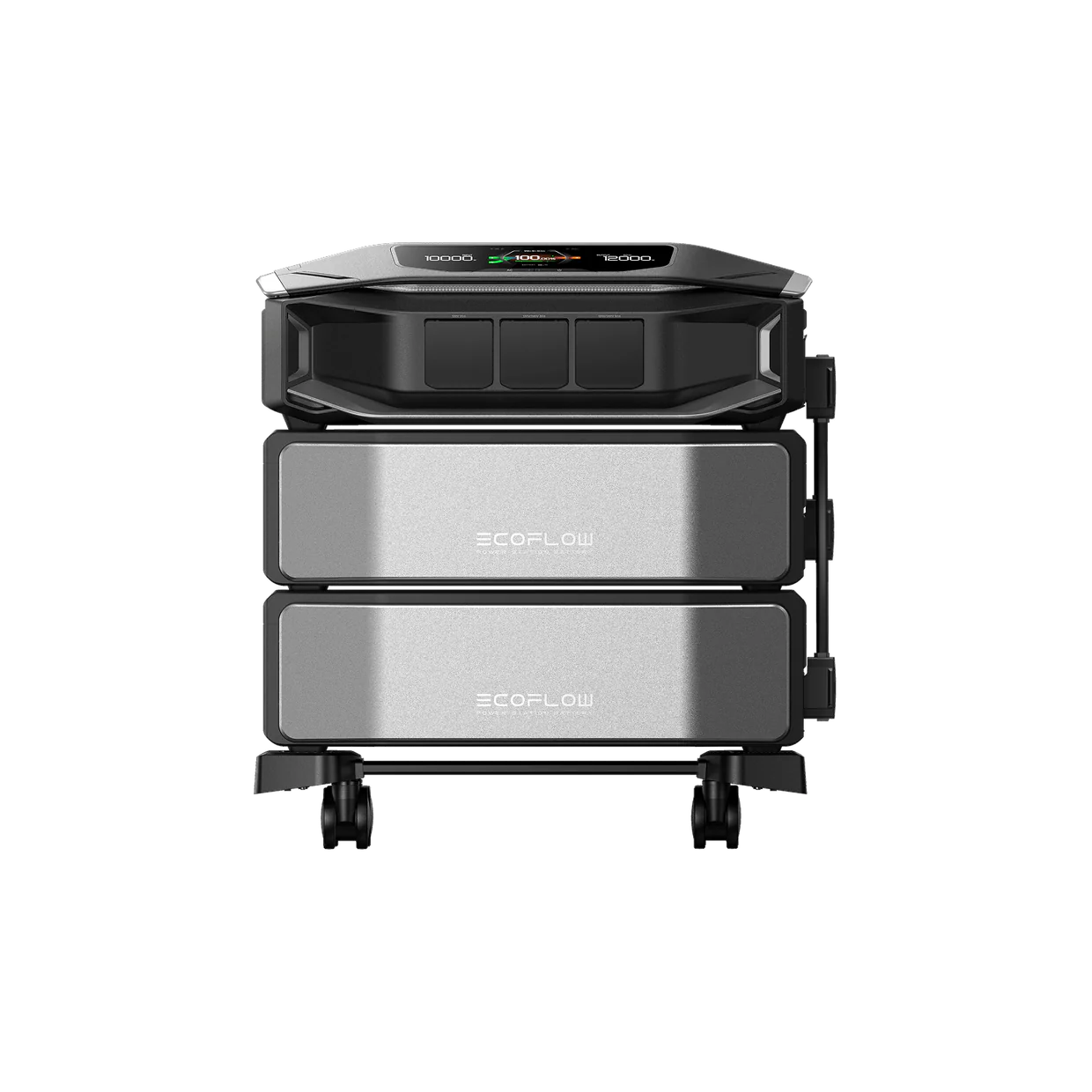
Something as robust as a whole-home generator will keep you prepared for anything, and the EcoFlow DELTA Pro Ultra X provides enough power to back up your whole house during an outage. Alternatively, smaller, battery-powered portable options can also keep you safe when the electricity goes out.
What Causes Outages and How Long They Last
If you’re wondering how long a power outage will last, it all comes down to what’s causing it. Outages happen for all kinds of reasons, including:
Severe weather: Hurricanes, tornadoes, ice storms, wildfires, and severe thunderstorms can knock down power lines and damage substations.
Equipment failures: Transformers, substations, power lines, and other equipment can fail unexpectedly. Equipment issues are more common in areas with older infrastructure, so you’ll see more interruptions if your area has old equipment.
Human error: It’s not unheard of for construction crews to accidentally cut electrical lines or for cars to crash into utility poles.
Grid overload: Electricity demand spikes during extreme heat or cold. If the grid is under too much stress, utility companies will schedule rolling blackouts to protect the system.
According to the U.S. Energy Information Administration, most individual outages not caused by major weather events are resolved within a few hours. But that’s just the average. Large-scale outages caused by hurricanes, wildfires, tornadoes, or other major disasters can last for days or weeks, depending on the extent of the damage.
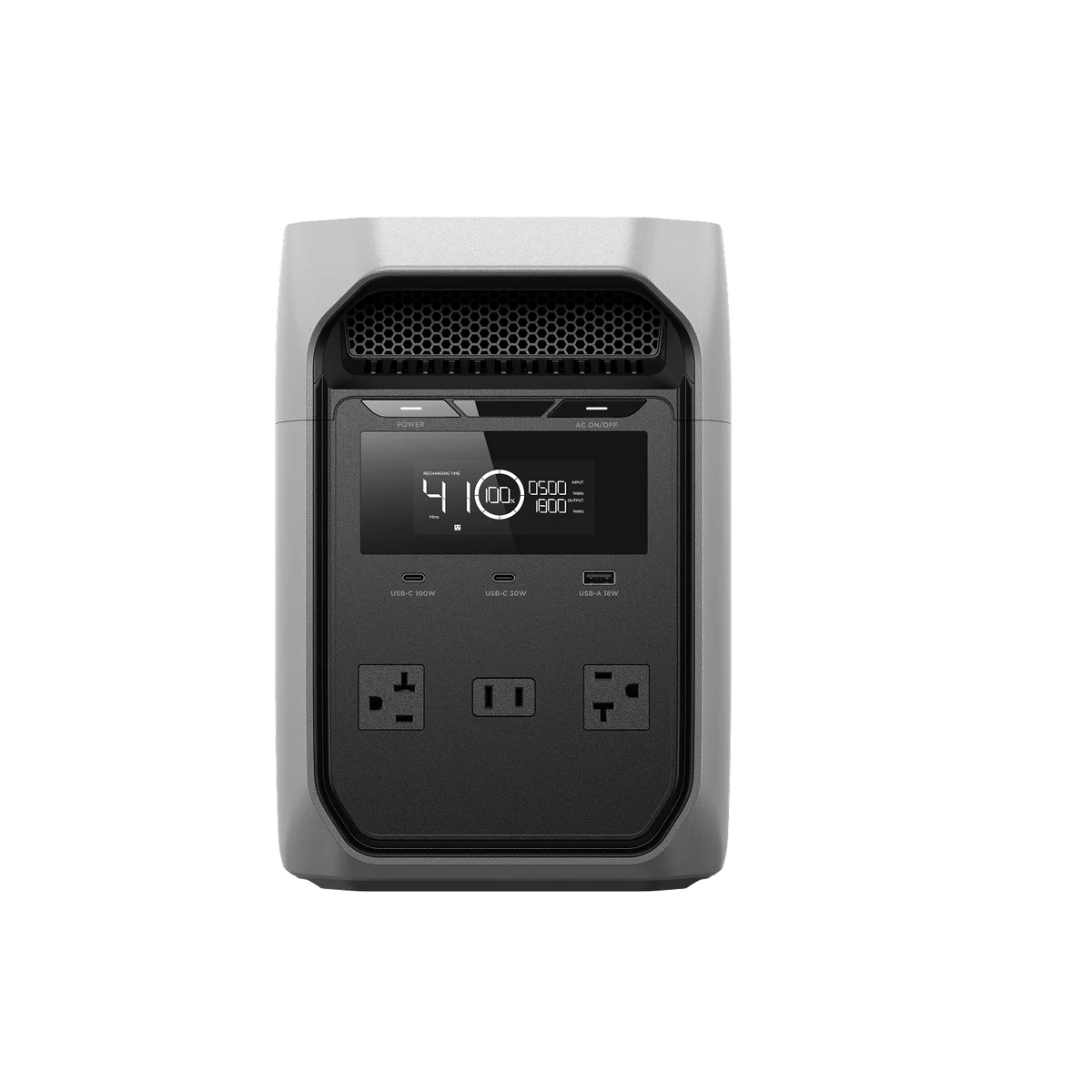
That's why it's smart to prepare for more than just a short interruption. A backup power solution like the EcoFlow DELTA 3 Classic can keep essential devices running whether the lights are out for 20 minutes or several days.
How Does Restoration Happen, and What Affects Timing?
Utility companies can’t magically flip a switch to power recovery. They have to carefully plan restoration to provide the most service for the largest number of customers. Restoration usually follows this process:
Crews identify the cause of the outage.
Next, they assess the damage to see what repairs are needed.
Sometimes they wait until conditions are safe before beginning repairs.
The size of the outage has a big impact on how long restoration takes. If there are downed trees, flooding, damaged substations, or other unsafe conditions, expect to be without power for at least a day or two.
Why These Durations Matter for Preparedness
You can’t predict how long restoration will take, so it’s best to prepare for power outages ahead of time. The lights might be out for an hour, or it could be three days.
Since you don’t know how long the outage will last, self-reliance is a must. A few simple steps can help protect your home while keeping your family safe:
Check your circuit breaker after the power goes out.
If everything looks normal, see whether neighboring homes have also lost power. This step helps you determine whether the issue is isolated to your home or affecting the wider area.
Report the outage to your utility company or check its outage map for updates.
Protect your electronics by unplugging sensitive devices like computers, gaming consoles, televisions, and internet routers.
For lighting, use flashlights, lanterns, or battery-powered string lights instead of candles.
If the outage lasts more than a few hours, keep refrigerator and freezer doors closed as much as possible.
The Smarter Solution: Modern Backup Power For Resilience
Power outages are becoming more frequent across the US, driven by extreme weather and an aging grid. Whether it's a thunderstorm that knocks out local power lines or a major hurricane that disrupts service across an entire region, having backup power can make a stressful situation much easier to manage.
But you need more than just a portable phone charger to get by. The EcoFlow DELTA Pro Ultra X can provide complete home backup thanks to its expandable capacity and high power output. You can run critical appliances, climate control, and medical devices through extended multi-day outages.
The biggest advantage is peace of mind. When an outage lasts longer than expected, you're not scrambling for extension cords, fuel, batteries, or a place to charge your devices. You already have reliable backup power ready to keep your home running.
Frequently Asked Questions
How Long Does It Usually Take to Fix a Power Outage?
Most power outages are restored within two hours, though the exact timeline depends on the cause. Utility crews can fix minor equipment failures in less than an hour, while outages caused by downed trees often take one to four hours. Severe storms, hurricanes, wildfires, and other major disasters can extend restoration times to several days or even weeks in the hardest-hit areas.
What Is the Leading Cause of Power Outages?
Downed power lines are one of the most common causes of outages across the United States. Tree branches that fall during storms frequently damage overhead lines and disrupt service. Other common causes are equipment failures, vehicle accidents involving utility poles, severe weather, and overloaded power grids.
Prepare Sooner, Stay Safer, Power Through Outages
Most power outages are resolved within a few hours, but major storms, equipment failures, and natural disasters can leave you without electricity for days or even weeks. Understanding what causes outages can help you make smarter decisions before the lights go out.
If you're looking for a long-term solution for outage preparedness, the EcoFlow DELTA Pro Ultra X provides powerful, expandable backup energy for everything from essential devices to whole-home support during extended outages. Explore the EcoFlow DELTA Pro Ultra X to build a backup power system that's ready whenever the grid isn't.
For press requests or interview opportunities, reach out to our media team
media.na@ecoflow.com