Why Is Gas so Expensive in California?
If you’ve had to fill your gas tank up in California lately, you know costs are high and even heading higher. California consistently tops the charts for the highest fuel prices in the nation, leaving drivers wondering why California’s prices are so steep. In this article, we’ll break down the unique combination of high taxes, strict environmental mandates, and geography that drives these costs up. We’ll also explore how these prices impact your daily budget and provide actionable tips, from driving habits to smart home battery backups.
Why Is California Gas so Much More Expensive?
California gas prices are really in a league of their own. The average national gas prices fluctuate, but California’s prices always seem to stay among the highest. This is due to several structural and regulatory factors that don’t apply to the rest of the country.
Higher State Gas and Environmental Taxes
California has some of the highest gasoline taxes in the U.S. The state excise tax alone has reached roughly $0.60 per gallon in recent years. This is compared to the U.S. average state tax of around $0.30–$0.40 per gallon. (According to data compiled from the U.S. Energy Information Administration (EIA) and state tax agencies.) When you look at the total price per gallon, a significant portion of the cost goes straight to state excise taxes and additional environmental fees that many other states don’t have. To reduce dependence on rising fuel and utility costs, many Californians are also exploring a solar generator as part of a broader home energy-saving strategy.
California’s Expensive Summer Fuel Mandate
California requires a special summer-blend of gasoline to reduce smog during the warmer summers. This gas blend is cleaner-burning but more expensive to produce. This transition typically happens in the spring, and leads to predictable seasonal price hikes that continue into autumn.
Limited Supply from Local Refinery Shutdowns
California’s refining capacity has declined noticeably over the past decade following several refinery closures and conversions. There have been multiple refinery closures and conversions, according to reports from the U.S. Energy Information Administration (EIA) and the California Energy Commission (CEC). This reduction has increased reliance on in-state supply chains.
Since there are fewer refineries producing the specific California-grade gasoline, any minor maintenance issue or unexpected breakdown at a local refinery can trigger sharp short-term price increases.
Hidden Costs of Cap-and-Trade Rules
California’s aggressive climate goals include a Cap-and-Trade program designed to lower greenhouse gas emissions. While great for the environment, the compliance costs for fuel producers are often passed down to customers as higher prices. This adds a hidden premium to every gallon you buy.
California’s "Energy Island" Supply Limits
Geographically and regulatory-wise, California is essentially an “energy island.” The state isn’t connected to the massive pipeline networks that serve the Midwest or East Coast. Transferring gas into the state is more limited. Also, since California requires a unique fuel blend, it cannot easily source replacement fuel from neighboring states.
How Do Gas Prices Affect Your Wallet?
High gas prices don’t mean you only pay more at the pump, they create a ripple effect that touches almost every part of your life. When it costs $80 to fill up, that money has to come from somewhere else in your monthly budget.
Higher Daily Commuting Costs
For the millions of Californians navigating the freeways every day, high gas prices act like a commuter tax. This daily drain on your bank account means less disposable income at the end of the month. This reduces disposable income for many daily commuters.
Higher Delivery Fees for Online Orders
Maybe you have noticed fuel surcharges or higher delivery fees on your favorite shopping apps. Delivery drivers and logistics companies also have to cover their rising fuel costs. This means they will pass along higher delivery costs to you.
Rising Prices for Local Grocery Shopping
It’s not just the trip to the store that costs more, it’s the food itself. Almost everything on your grocery shelf was brought in by a truck burning fuel. Hence, those higher transport costs are impacting the price of your milk, eggs, and California-grown produce.
Costly Weekend Road Trips
If you’re planning a getaway to the desert or up the coast, you have to consider the cost of fuel in the planning budget. The round-trip fuel cost rivals the price of a hotel stay. That’s why many families are finding themselves “stay-cationing” instead.
Less Money for Dining Out
The math is simple, the more you spend on gas, the less you have for fun. When your monthly fuel bill jumps by $100 or $200, families must decide what to cut back on. This usually means fewer nights dining out or going to the movies.


How to Save Money on Gas in California
You can’t control the global oil market, but you can definitely control how efficiently your car runs. A few small adjustments to your driving can add up to significant savings over a year.
Check Tire Pressure for Better Mileage
Under-inflated tires create more rolling resistance, which forces your engine to work just a little harder and burn more fuel. Keeping your tires at the manufacturer-recommended PSI is one of the easiest ways to boost your MPG without spending money.
Use Navigation Apps to Avoid Traffic
Stop-and-go traffic uses a lot of gas. Use apps like Waze or Google Maps to find the most efficient route, even if you know the way. These apps can help you avoid unexpected heavy traffic, and avoid wasting fuel, i.e. money.
Join Local Gas Station Reward Programs
Many major chains like Shell or Chevron offer loyalty programs that shave a few cents off every gallon. When combined with grocery store reward programs, like those from Vons or Ralphs, you can often see a noticeable discount at the pump.
Remove Heavy Items from Your Trunk
Carrying around an extra 100 pounds of “stuff” in your trunk can reduce your fuel economy by 1% or more. Carrying more weight takes more fuel energy to move it around. If you don’t need those clubs or camping supplies in the car, it’s best to leave them home and lighten the load.
Drive at Steady Speeds on Highways
Aggressive driving, rapid acceleration, and frequent braking can lower your gas mileage by as much as 30% at highway speeds. Using cruise control at posted speeds makes driving safer and your engine runs most efficiently when steady.
How Home Battery Backup Offsets Gas Costs
The cost of living is rising, so many Californians are looking for alternative, broader ways to save. One alternative way is to lower your home energy monthly costs.
Save with Off-Peak Electricity Storage
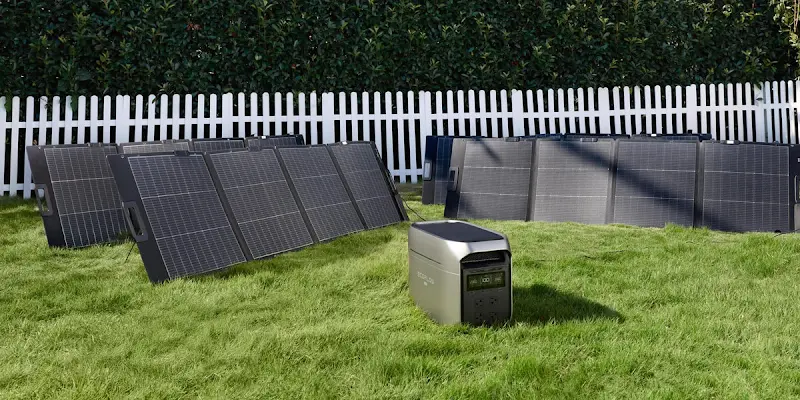
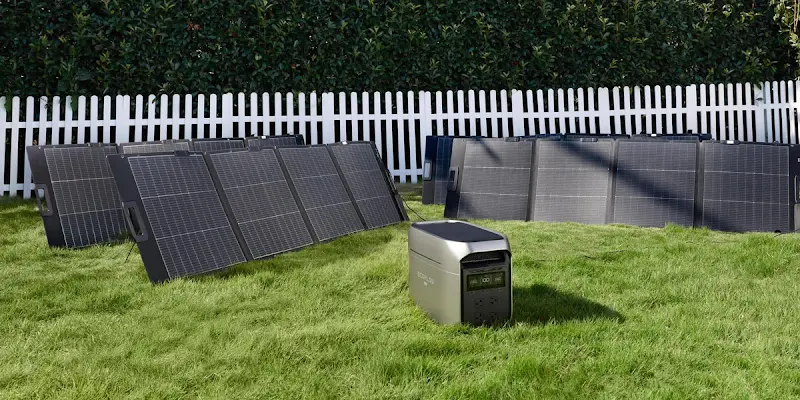
Since gas prices and utility rates are rising, installing the EcoFlow DELTA 3 Ultra Plus Portable Power Station (3072Wh) for “peak-shaving” is a smart move. This setup is even more effective when paired with a EcoFlow DELTA 3 Ultra Plus + 500W Solar Panel kit to harvest energy during the day. Its standout feature is called “Smart Output Priority.” This feature lets you decide via the app which circuits get power from the backup batteries and when. During those expensive “Time-of-Use” windows, the unit can automatically take over and supply your fridge or home office. When it does, it’s using the cheap electricity you stored earlier. This detailed management lets you avoid the high rates and put that saved cash right back into your budget.
Running Heavy Appliances off the Grid
Large appliances use a lot more energy, and the EcoFlow DELTA 3 Max Plus + 2 × 220W Solar Panel can help reduce this. It has a massive 3000W output, and can easily handle your washer, coffee maker, or refrigerator during peak hours. Plus, it supports ultra-fast charging, where you can reach 80% charged in just 43 minutes. This way you can quickly top it off whenever power is cheapest. Using this top performing unit to manage your heaviest loads helps you avoid tiered pricing penalties and can save you some money.
Add Extra Batteries for Longer Runtimes
One of the best things about modern battery systems is that they can grow with your needs. You can add extra battery modules to store enough power to run your entire home through the evening. This makes sure you can significantly reduce your exposure to high peak electricity rates.
Integrate Solar Panels for Zero-Cost Power
The ultimate way to offset costs is to go solar. When you combine your battery backup with solar panels, you’re essentially making your own fuel for free. In a state with as much sun as California, it’s the most logical way to achieve true energy independence.
What Can You Do Today to Lower Energy Costs?
Lowering your overhead doesn’t have to be a massive weekend project. You can start by making small changes and build on those towards a more efficient lifestyle.
Track Your Weekly Electricity Use
Many Californians searching for electricity prices rising and lower bill solutions are starting by identifying unnecessary overnight energy use. Most California utilities offer an online portal where you can see your hourly usage. If there’s measurable usage at night, look through your home for devices that stay on all night. These are easy ways to reduce your next bill.
Seal Air Leaks Around Doors and Windows
For homeowners struggling with why their electric bill in California is so high, poor insulation is often one of the biggest hidden causes. A drafty house makes your AC or heater work overtime. Investing in a little weatherstripping from any home improvement store can save you hundreds a year in heating and cooling costs. These savings can help offset other higher energy and gas costs.
Calculate the ROI on Battery Storage Systems
Look at your monthly bills and see how much you’re losing to peak pricing. Often, a home battery system pays for itself faster than you’d think. Investing in a high-quality solar battery can provide long-term financial relief by storing energy when rates are lowest. Plus, you can factor in the peace of mind you get during the occasional power outage.
Claim Local Renewable Energy Cash Rebates
California offers various incentives and federal tax credits for installing battery storage and solar panels. These programs can significantly lower the upfront cost of your energy-saving system.
Conclusion
Living in California comes with what you might call a “sunshine tax.” This shows up when you look at high gasoline prices. The combination of state taxes, environmental rules, and geography keeps prices high. But there are ways to lessen their impact. By optimizing your driving habits and using smart energy solutions like the EcoFlow DELTA 3 series, you can take control of your expenses. Every dollar saved on your electric bill is a dollar you can spend on enjoying everything else the Golden State has to offer.
FAQ
What Is the Tax on 1 Gallon of Gas in California?
The total tax is approximately 58 to 60 cents per gallon for the state excise tax alone, not including federal taxes and other environmental fees. When federal taxes, sales taxes, and environmental program costs are included, the total added cost per gallon can be substantially higher.
Why Is Gasoline More Expensive in California Than in Texas?
California requires a unique, cleaner-burning fuel blend and has significantly higher state taxes and environmental fees than Texas. Additionally, Texas is a major hub for oil production and refining and has a vast network of pipelines, whereas California operates as an “energy island.”
Is It Cheaper to Drive an EV in California?
Generally, yes, driving an EV is cheaper per mile than a gas-powered car in California, especially if you charge during off-peak hours. Using a home battery system to store cheap electricity for your EV charging can increase those savings even further.
What Will Gas Prices Be in 2026 in California?
Experts expect California gas prices to remain well above the national average. This is due in part to evolving emissions regulations, refinery transitions, and ongoing supply constraints. Staying informed on local energy and gas pricing trends in 2026 will help you budget properly.
For press requests or interview opportunities, reach out to our media team
media.na@ecoflow.com