Standby Generator Installation Cost in the U.S.: A Complete Price Breakdown
Almost everywhere you live in the U.S., you will experience power outages caused by weather, fires, or system breakdowns. Losing power impacts not only your comfort and quality of life but also your safety. If you’re tired of your food spoiling or sitting in the dark, you’ve probably already looked into a whole-home standby generator. But before you buy the backup system, know that there’s more than you think to install and run the system. This guide will break down the real-world costs of installation, hidden fees, and modern alternatives that might save you a massive headache.
How Much Does a Full Installation Cost?
Setting up a standby generator is more than a DIY weekend project. It requires coordination between various equipment and skilled tradespeople to make sure your system is installed properly. For many homeowners, evaluating whether home backup generators are worth the investment starts with understanding these initial labor requirements. Here is where your money actually goes during the process.
Budget for the Base Generator Unit
The unit itself is your biggest upfront expense. This cost depends on the size of your home and whether you want to power just the essentials or the whole house. Typically, you’re looking at anywhere from $3,000 to $6,000 for a standard 10kW to 26kW air-cooled gas generator. Investing in a whole home generator ensures your entire property remains functional during a grid failure.
Pay Licensed Electricians for Electrical Wiring and Hookups
You can’t just plug these into a wall outlet. An electrician must install a transfer switch and integrate the unit into your home’s main service panel. This typically adds $1,000 to $2,500 to your total cost. But this makes sure that when the power goes out, your generator turns on without back-feeding to the power lines.
Hire Certified Plumbers for Gas Connections
If you’re installing a gas generator system, you need a natural gas or liquid propane connection to the system. A licensed plumber needs to run a dedicated line from your meter, or tank, to the generator. Expect to pay between $500 and $1,500 depending on the distance and complexity of the piping required to meet local safety codes.
Budget for Required Local Building Permits
Most U.S. municipalities require electrical and mechanical permits to ensure the install is up to code. The inspections are a cost, but they do protect you and you know the system meets current safety codes. The permit fees vary by county but usually cost between $100 and $500, plus the cost of a final inspection.
Why Does Your Total Installation Cost Vary so Much?
While the basic steps are standard, every property has its own unique needs that can cause total costs to skyrocket. Often there are other issues discovered when working on the existing home and panel.
Upgrade Outdated Electrical Service Panels
If your home is a little older, chances are it has a 100-amp main electrical panel. For a generator, you’ll likely need to upgrade to a 200-amp panel to handle a standby system. This hidden cost can easily add another $2,000 to your project total before the generator even arrives.
Extend Fuel Lines from Meter Locations
The farther the generator sits from your gas meter, the more piping you’ll need to install. Sometimes your home and yard layout requires the generator and connections to be on opposite sides of the house. If so, the additional piping and the labor will increase costs, especially if the pipe is buried.
Prepare Level Concrete Pads for Placement
A standby gas generator is heavy and vibrates during operation, so it needs a solid foundation. If your yard isn’t perfectly level, you may need to pay for ground leveling and a poured concrete or pre-cast base.
Add Specialized Cold Weather Protection Kits
For those in the Northern states, you will need to prepare for the cold weather. To make sure your engine starts when it’s -10°F, a cold weather kit (battery warmers and oil heaters) is needed, which costs an additional $200 to $500 installed.


Is a Standby Generator Worth the Full Installation Cost?
Once the system is installed, there are still ongoing costs. Owning a combustion-based generator is a long-term financial commitment that requires ongoing attention to remain reliable.
Schedule Mandatory Annual Professional Service Visits
Just like a car, the gas generator engines need oil changes, spark plug replacements, and filter replacements. A professional maintenance contract usually runs $200 to $500 per year. It’s worth it to make sure the unit actually starts when the next outage hits.
Pay Recurring Natural Gas Meter Fees
Larger gas generators demand more gas and may require you to upgrade your gas meter to a high-pressure version. The utility company may charge a higher monthly base rate in this case, even in months when you don’t use any backup power. This adds to the long-term cost to run whole house generator systems.
Monitor Volatile Natural Gas and Propane Prices
Running a generator for several days during a major outage can be surprisingly expensive. Fuel prices fluctuate, and a large unit under load can burn through a significant amount of fuel, hitting your wallet right when you’re already dealing with storm damage.
Account for Excessive Operational Noise
Even with “quiet” enclosures, these gas generators are internal combustion engines and they make noise. You can add surrounding enclosures to dampen the noise, but the constant drone can be a nuisance to you and your neighbors. The constant noise can sometimes lead to complaints or the need for expensive sound-dampening measures including landscaping.
What Backup Power Options Avoid Installation Completely?
After looking at gas generator back up systems, you might ask if there are simpler alternatives. Ones that don’t require digging up the yard and spending thousands on labor. Many American homeowners are now switching to cleaner backup solutions such as whole-home battery systems and solar generators that offer reliable power with far less installation hassle.
Install Powerful Plug-and-Play Battery Systems
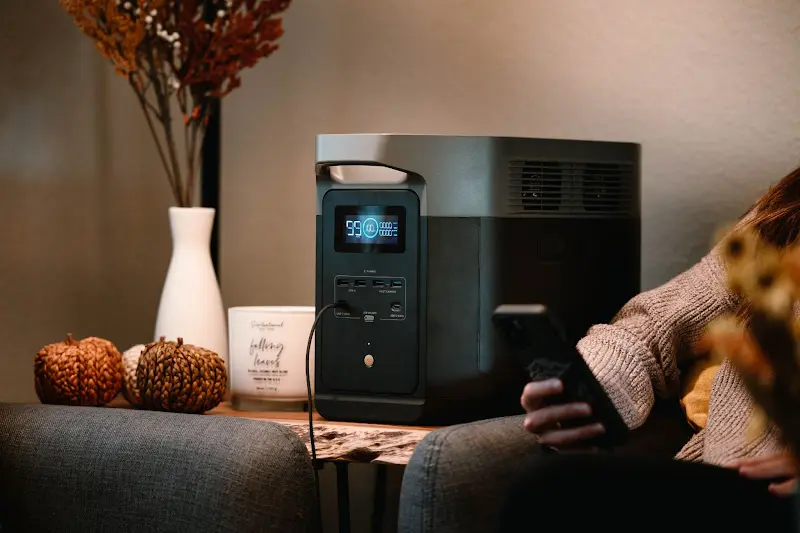
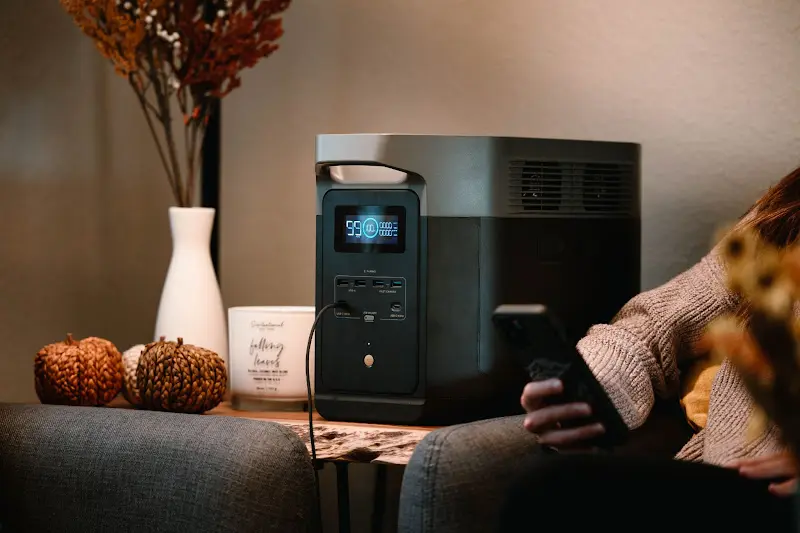
If you’ve ever looked into traditional standby gas generator installations, you’ve likely been scared off by the multi-week lead times and the thousands of dollars in labor. Consider the EcoFlow DELTA Pro Ultra X Whole-Home Backup Power, as an easy, viable alternative. It features an innovative plug-and-play, easy start up design. It doesn’t require a new gas line or trenching, or a complex electrical system overhaul.
For the typical American homeowner, this means you can avoid construction crews tearing up your lawn and dealing with noise dampening measures. Plus, you can have a full-home power deployment ready in as little as one week. The battery backup system has a massive output of 12–36kW, and can handle everything from central AC in the summer to electric heaters in the winter. Best of all is the 20ms auto-switchover time. This means when a hurricane or blizzard knocks the grid out, the system can restore backup power within milliseconds, helping keep many essential appliances running with minimal interruption.
Switch to Modular Solar Storage
Beyond heavy-duty backup, many families now prefer flexible, plug-and-play solutions like the EcoFlow DELTA 2 Max With 2 x 220W Solar Panel. It allows homeowners to generate and store clean energy without professional installation. In regions affected by wildfire-related outages or rising utility prices, it offers a practical way to reduce grid dependence while still remaining portable enough for camping trips or outdoor events.
Bypass Expensive Professional Gas Line Trenching
By choosing a battery-based system, you completely avoid the need for a plumber to dig up your landscaping. This saves you the $1,500 gas line fee and preserves the curb appeal of your home.
Claim Federal Residential Clean Energy Tax Credits
Unlike gas generators, solar-integrated battery systems like those from EcoFlow often qualify for the 30% Federal Residential Clean Energy Credit. This can effectively cut thousands of dollars off your total investment.
Use Portable Units Without Permanent Construction
If you rent or plan to move in a few years, a permanent standby generator is a sunk cost. Portable battery systems can move with you when you relocate and provide reliable backup power for essential household devices without requiring permanent construction.
Before deciding which type of system to purchase, it’s good to compare the true cost of traditional standby gas generators versus modern battery systems. Here’s a quick side-by-side breakdown:
| Category | Gas Generator | Battery System |
|---|---|---|
| Installation | $2,000–$5,000 | $0–$500 |
| Maintenance | High (annual service required) | Low |
| Noise | Loud (engine noise) | Silent |
| Fuel Cost | Ongoing (gas/propane) | Free (with solar) |
How to Choose the Right Backup Plan?
Ready to decide? Take a step back and look at your specific needs before signing any contracts.
Calculate Peak Household Power Wattage Requirements
Make a list of your “must-haves”. If you only need to keep the lights, Wi-Fi, and fridge running, a smaller battery system is perfect. If you need to power the whole house at once, look into the modular capacity of the DELTA Pro Ultra X.
Compare Ten-Year Total Ownership Expenses
Don’t just look at the initial cost. Also consider the cost of ten years of fuel, maintenance, and repairs for a gas unit versus the generally lower maintenance requirements and “free” solar fuel of a battery system.
Check Local HOA Noise Regulations
In many U.S. suburbs, Homeowners Associations have strict rules about engine noise. A battery system is silent, meaning you won’t get any nasty letters from the board during a blackout.
Request Free Quotes for Side-by-Side Comparison
Get a quote from a local generator installer and then compare it to the price of an EcoFlow system. You’ll likely find that the lack of installation labor makes the high-tech battery option much more competitive than you thought.
Conclusion
Installing a standby gas generator in the U.S. is a major investment and total operating costs go far beyond the price tag of the machine. When you add up the electricians, plumbers, permits, and ongoing maintenance, the traditional gas generator can be both expensive and complicated. However, with the rise of plug-and-play systems like the EcoFlow DELTA Pro Ultra X, you can now get reliable, whole-home backup power without the construction headaches. Whether you decide to go with gas or battery, the goal is reliable power and peace of mind. Make sure you choose the solution that fits your budget and your lifestyle.
FAQ
How Much Does a Standby Generator Increase Home Value?
A standby generator typically increases home value by about 3% to 5%, according to real estate reports. Many buyers in storm-prone areas view it as a premium safety feature that allows sellers to recoup a significant portion of the installation cost during a sale.
How Long Can a Standby Generator Run Continuously?
Many standby generators are designed to operate for extended periods during outages, though actual runtime depends on fuel supply, load conditions, ambient temperature, and manufacturer maintenance recommendations. Manufacturers often recommend periodic inspections during extended operation, including checking oil levels and overall system condition.
How Far Does a Generator Need to Be from a Window or Door?
A gas generator must be at least 5 feet away from windows, doors, and vents to prevent carbon monoxide contamination. Always check your local building codes, as some U.S. jurisdictions require a distance of 10 feet or more from any structural opening.
Is It Safe to Leave a Generator Running When Not Home?
It is generally safe to leave an automatic standby generator running when you are away because they are designed to self-monitor and shut down if there’s a problem. However, battery-based systems like EcoFlow are even safer for unattended use, as they have no risk of exhaust leaks or fuel-related fires.
For press requests or interview opportunities, reach out to our media team
media.na@ecoflow.com