How to Save Money on Electric Bill: Simple Tips for Reducing Energy Costs
For many American families, opening the monthly utility bill now comes with a moment of hesitation. Whether it’s a record-breaking heatwave in Arizona pushing the air conditioner to run day and night, or a harsh Nor’easter in New England driving up heating demand, electricity costs are taking a noticeably bigger bite out of household budgets. Even homes that try to be mindful about usage often see higher totals than expected, which can feel frustrating and confusing.
The truth is, rising energy rates, changing utility pricing models, and everyday habits all quietly add up. This guide breaks down what’s really driving higher electric bills across the U.S., highlights the most common hidden energy drains inside the home, and walks through practical, realistic ways to cut costs. By combining small daily adjustments with smarter energy choices, it’s possible to lower your bill without sacrificing comfort or convenience.
How Much Is the Average Electric Bill?
Before you can meaningfully lower your electric bill, it helps to know what “normal” actually looks like. Having a clear benchmark makes it easier to tell whether your spending is in line with national trends or whether your home may be quietly wasting energy in the background.
1. Average Monthly Electric Bill in the U.S.
As of early 2026, the average U.S. household pays roughly $150 to $170 per month on electricity, based on national residential power rates and typical household usage, and different climate zones across the country. That said, it’s only a starting point. Larger suburban homes, especially those with electric furnaces, heat pumps, or multiple air conditioning units, can see monthly bills climb well beyond this range during peak seasons.
2. Average Electric Bill by State
Where you live plays a major role in how much you pay. Hawaii consistently tops the list, largely because most of its electricity is generated from imported fuel. On the mainland, states like California and Massachusetts often see higher bills due to elevated delivery charges, grid upgrades, and clean energy mandates. In contrast, states with abundant hydropower or lower distribution costs, such as Washington, Idaho, or Tennessee, typically enjoy some of the lowest average electricity rates in the country.
3. Average Electricity Costs by Season
How much is your average apartment electric bill? For most U.S. households, electric bills follow a predictable seasonal pattern rather than staying steady year-round. Summer months, particularly July and August, tend to bring sharp increases as air conditioners work overtime. Winter can create a second spike, especially in colder regions where electric heating, space heaters, and longer lighting hours drive up usage. This “double peak” effect is why many families feel financial pressure both in the hottest and coldest parts of the year.
What Factors Are Causing Your Electricity Bill to Rise?
If your electric bill feels like it’s climbing faster than your income, the cause is rarely a single issue. In most American homes, rising costs usually come from a mix of energy-hungry appliances, and when that electricity is being used throughout the day.
1. Common High-Energy Appliances in Most Homes
According to the U.S. Department of Energy, heating and cooling together can account for roughly 40–50% of total household energy use, making HVAC one of the biggest contributors to high electric bills.
It’s worth noting that this figure reflects the entire HVAC system, including space heating, air conditioning, and ventilation. Other sources, such as the U.S. Energy Information Administration (EIA), often report air conditioning alone at closer to 15–20% of household electricity use, which explains why estimates can vary depending on what is being measured.
The impact is especially pronounced in homes with older systems, which are common in rental units and pre-2000 suburban builds. Aging air conditioners, furnaces, water heaters, and refrigerators tend to run longer and less efficiently, quietly driving up costs every time they cycle on.
2. Peak Vs Off-Peak Electricity Usage
Across much of the United States, utilities are shifting to Time-of-Use (TOU) pricing to manage grid demand during high-stress hours. In states like California, Illinois, and parts of Texas, electricity used during peak windows, often between 4:00 PM and 9:00 PM, can cost significantly more than power used late at night or early in the morning. Everyday habits like running the dishwasher after dinner or charging devices in the evening may feel routine, but they often occur during the most expensive hours of the day.
3. Seasonal Changes and Energy Costs
Seasonal shifts also play a bigger role than many homeowners realize. During winter, shorter days and colder weather mean more time spent indoors, which increases the use of lighting, entertainment systems, gaming consoles, and kitchen appliances. In summer, air conditioners, pool pumps, and extra refrigeration take over. Even without changing your habits, these seasonal patterns can cause a steady rise in total kilowatt-hour (kWh) usage that quietly inflates your monthly bill.
How to Save Money on the Electricity Bill (Proven Tips)
Lowering your electricity bill doesn’t require drastic lifestyle changes or constant monitoring of every outlet. Instead, the most effective approach combines cutting unnecessary energy waste with being more intentional about when your home pulls power from the grid.
1. Reduce Standby Power and Unplug Unused Devices
Often called “vampire loads,” everyday electronics like coffee makers, desktop computers, TVs, and idle phone chargers continue drawing electricity even when they appear to be turned off. Over time, this background usage quietly adds up. Using smart power strips or unplugging devices you rarely use can eliminate this hidden drain, potentially saving $100 to $200 per year without changing how you live day to day.
2. Use Energy-Efficient Appliances and LED Lighting
If your home still relies on incandescent bulbs, you’re essentially paying to generate heat instead of light. Switching to LED lighting dramatically reduces energy use while improving brightness and longevity. The same applies to upgrading old appliances. ENERGY STAR-certified refrigerators, washers, and dishwashers are designed to perform better using far less electricity, lowering your baseline consumption month after month with minimal effort.
3. Optimize Heating and Cooling Settings
Heating and cooling decisions have an outsized impact on energy costs. During a typical American summer, setting your air conditioner to 78°F instead of 72°F can reduce cooling expenses by nearly 15% without sacrificing comfort. In winter, lowering the thermostat slightly at night provides similar savings. A programmable or smart thermostat automates these adjustments, ensuring savings even when your schedule gets busy.
4. Shift Electricity Use to Off-Peak Hours
Shifting electricity use to off-peak hours is one of the most reliable ways to lower energy costs, but real life doesn’t always cooperate. Waiting until 11:00 PM to run laundry, cook meals, or power a home office isn’t realistic for many households with busy schedules. That’s why more homeowners are looking for ways to stay flexible without paying peak-hour prices.
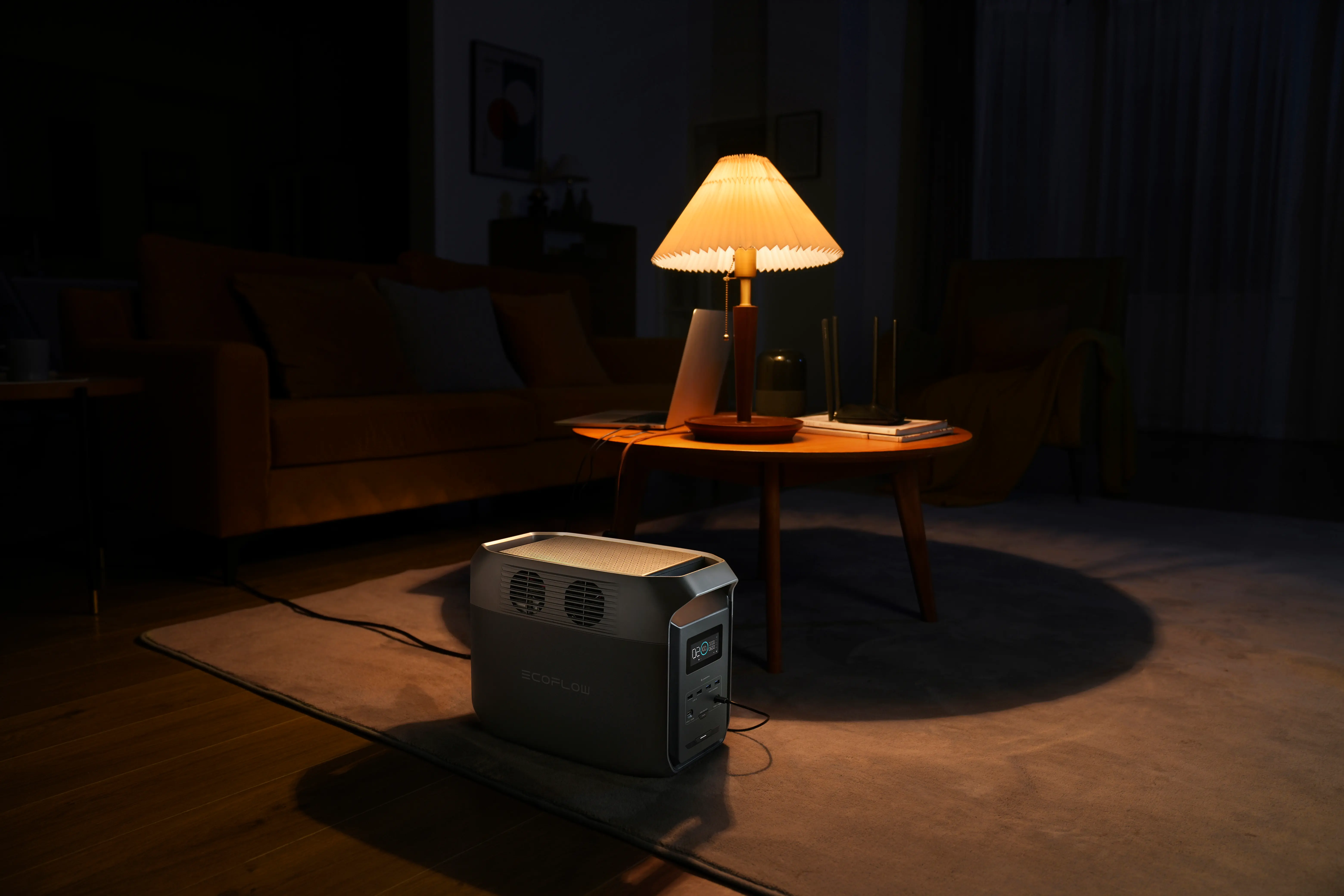
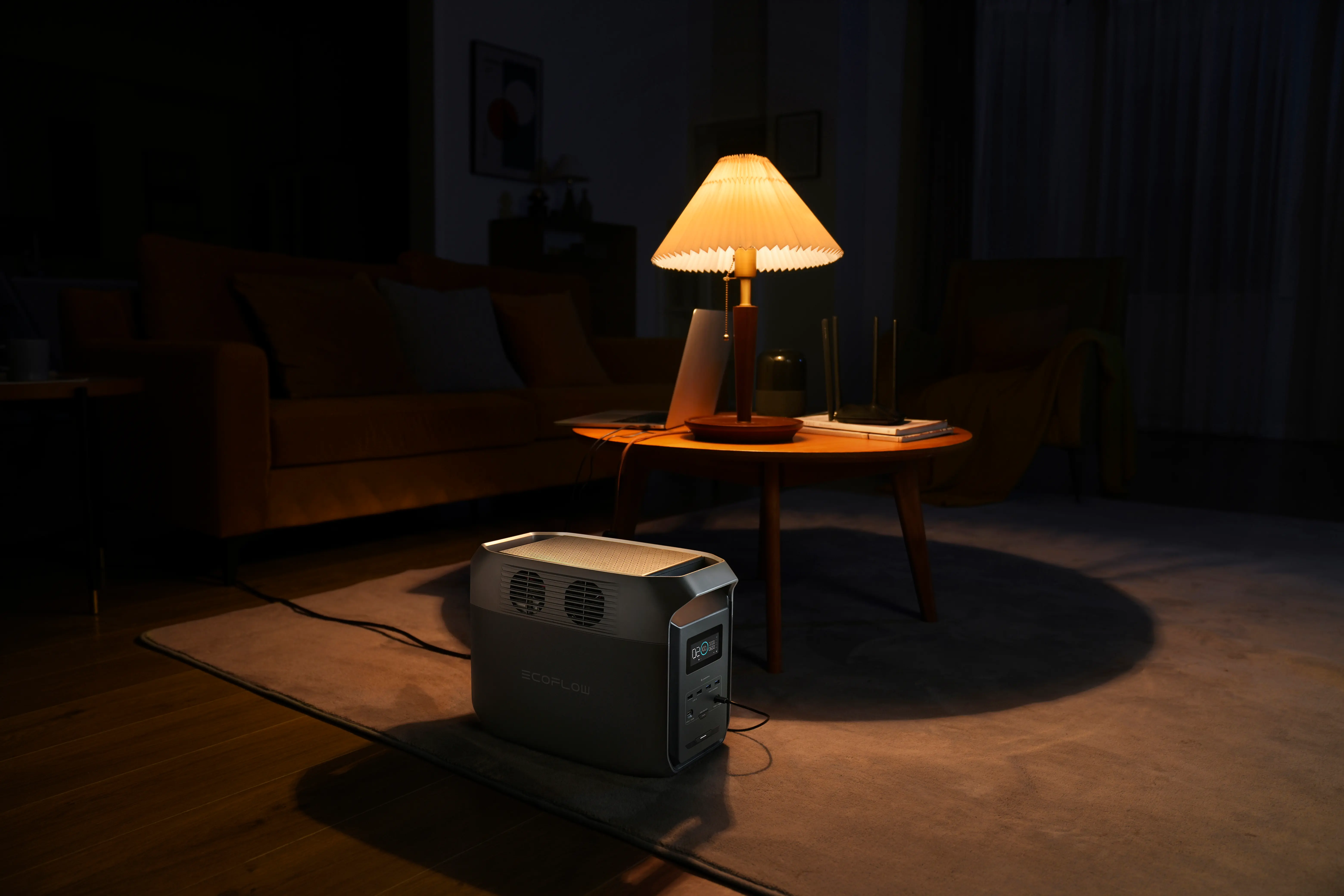
Portable energy storage offers a practical middle ground. The EcoFlow DELTA 3 Ultra Series Portable Power Station can be charged during low-rate off-peak hours and then used later when electricity prices spike. By running everyday essentials like laptops, monitors, or small kitchen appliances on stored energy during peak windows, you reduce reliance on the grid when rates are highest. This approach allows you to keep your routine intact while gaining more control over when and how much you pay for electricity.
Long-Term Strategies for Lower Energy Costs
For homeowners who want to break free from the cycle of rising utility bills, long-term upgrades offer the most reliable path forward. While habits help in the short term, investing in your home’s efficiency creates lasting savings year after year, regardless of seasonal rate hikes.
1. Improve Home Insulation and Energy Efficiency
Many American homes built before the early 2000s lose a surprising amount of energy through drafty windows, aging doors, and underinsulated attics. Sealing these weak points helps keep cooled air inside during hot summers and warm air indoors during winter, reducing how hard your HVAC system has to work.
2. Monitor and Manage Electricity Usage
Understanding where your electricity goes is one of the most powerful cost control tools available. Smart energy monitors that sync with your phone let you track real-time usage by circuit or appliance, helping you spot inefficient devices or unexpected spikes before they show up on your bill.
3. Consider Solar Power and Home Energy Storage
For homeowners searching for a long-term answer to rising energy costs, solar paired with whole-home battery backup is quickly becoming the gold standard. These systems allow you to generate clean electricity during the day or store low-cost grid power for later use, reducing your reliance on expensive peak-hour rates and improving overall energy stability.
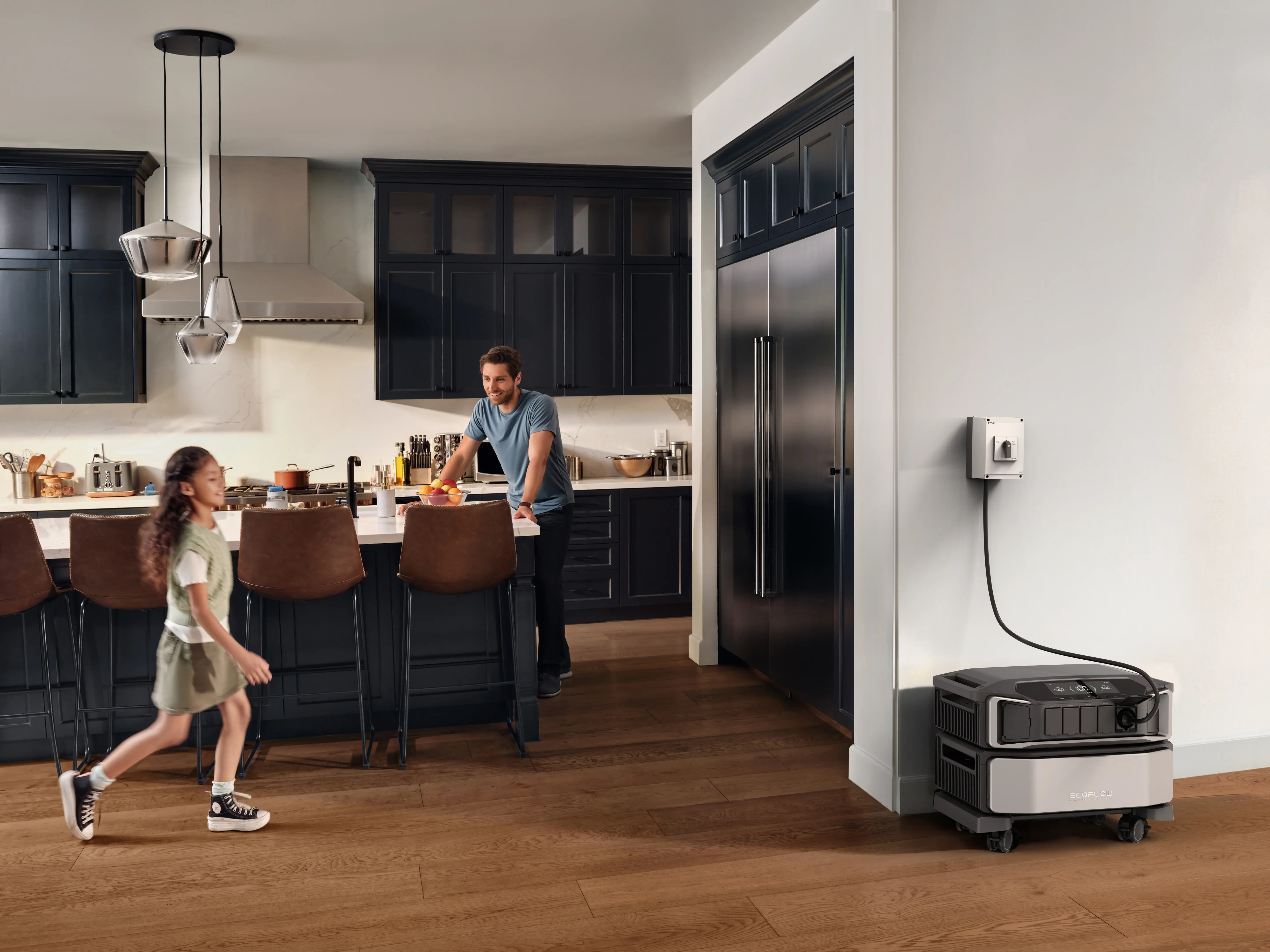
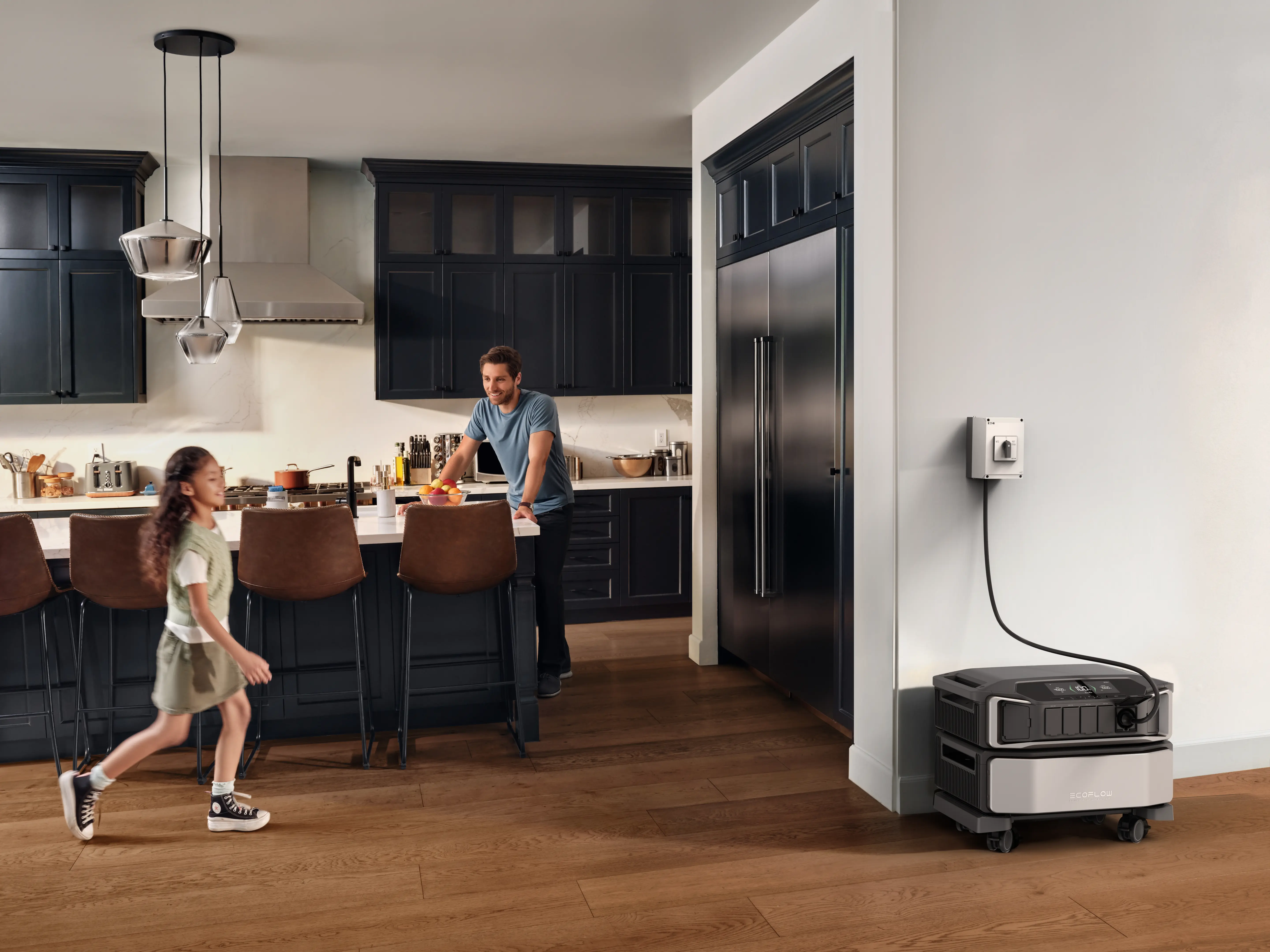
A leading option in this space is the EcoFlow DELTA Pro Ultra Whole-Home Backup Power. Designed to support an entire household, it can handle energy-intensive appliances like central air conditioning, electric dryers, and kitchen equipment without interruption. Combining solar input with intelligent energy management, it helps families move toward real energy independence. Whether your goal is to dramatically lower your monthly electric bill or stay powered during weather-related outages, this approach offers a dependable and future-proof way to keep your home comfortable while keeping long term costs under control.
4. Upgrade to Smart Home Energy Solutions
Smart home technology adds another layer of efficiency. Automated blinds, smart thermostats, and intelligent water heaters adjust energy use based on time of day and occupancy. By responding automatically to weather and daily routines, these systems help lower consumption without requiring constant manual adjustments.
Common Misconceptions About Electricity Bills
Many homeowners rely on well-meaning but outdated advice that can quietly inflate their monthly energy costs. Clearing up these common myths helps you focus on changes that actually make a measurable difference on your electric bill, especially as pricing structures evolve across the U.S.
1. Unplugging Devices Completely Eliminates Energy Use
Unplugging a toaster or table lamp does stop its power draw, but unplugging everything isn’t always realistic or necessary. Some built-in appliances, such as microwaves, smart ovens, and cable boxes, are designed to remain in standby mode. While so-called “vampire energy” can account for up to 10% of household usage, the biggest wins come from managing high-draw electronics like desktop computers, gaming consoles, and older televisions. In most homes, smart power strips provide a more practical and consistent solution than manually unplugging devices every day.
2. Turning Appliances On and Off Uses More Electricity
This myth dates back to older industrial equipment, not modern household electronics. Today’s appliances are designed to handle frequent power cycles efficiently. Whether it’s an LED bulb, a laptop, or a coffee maker, leaving something running “just in case” almost always costs more than turning it off. If you’re stepping away for more than a few minutes, switching it off is still the most energy-efficient choice.
3. Energy-Efficient Appliances Don’t Make a Big Difference
Upfront costs can make efficiency upgrades feel optional, but the long-term savings are significant. An aging refrigerator from the early 2000s can use three to four times more electricity than a modern ENERGY STAR-certified model. When you combine upgrades across major appliances like refrigerators, dishwashers, and HVAC systems, the cumulative reduction can reach 30% or more on your monthly bill, often paying back the initial investment over time.
4. Electricity Rates Are the Same All Day
In many parts of the U.S., including California, Texas, and New York, flat-rate electricity pricing is quickly disappearing. Utilities now rely on Time-of-Use (TOU) schedules, where power can cost two to three times more during peak hours, typically between 4 PM and 9 PM. If you assume electricity costs the same at noon as it does during dinner prep, you’re likely paying more than necessary. Shifting energy-heavy tasks to off-peak hours, or using a home solar system like the EcoFlow DELTA 3 Ultra to offset peak usage, helps take advantage of these price gaps without changing your daily routine.
5. Small Devices Don’t Affect Your Electric Bill
One phone charger might seem insignificant, but modern households are always filled with electronics. Between multiple smartphones, tablets, game consoles, smart speakers, routers, and security devices, dozens of small loads draw power around the clock. Individually, they use little energy, but together they create a constant baseload that keeps your meter running even when the house feels idle. Managing these small draws adds up faster than most people expect.
Conclusion
Reducing your electric bill doesn’t mean sitting in the dark or sweating through the summer. It’s about working smarter, not harder, and making energy choices that align with your day-to-day life. By understanding the real reasons behind rising costs, whether that’s seasonal demand in the Midwest, aging appliances, or peak hour pricing in the Sunbelt, you can take targeted steps that deliver real savings without sacrificing comfort.
From small adjustments like fine-tuning your thermostat or shifting usage times, to longer-term investments such as home energy storage solutions like the EcoFlow DELTA series, you have more control than you might think. With the right mix of habits, tools, and planning, your home can become more efficient, resilient, and affordable, keeping more of your hard-earned money exactly where it belongs: in your pocket.
FAQ
1. What Is the Most Energy-Wasting Device in the Home?
In most U.S. households, the HVAC system is the single biggest energy consumer, often responsible for close to 50% of total electricity use over the year. Heating and cooling demand rise sharply during hot summers and cold winters, especially in older homes with poor insulation. Water heaters and clothes dryers typically follow next, which is why focusing on efficiency upgrades on these systems usually delivers the fastest and most noticeable savings.
2. Does Leaving a TV Plugged in Use Electricity?
Yes, leaving a TV plugged in does continue to use electricity through what’s commonly called “phantom” or “standby” power. Smart TVs stay partially active to maintain Wi-Fi connections, download updates, and respond instantly to a remote signal. While one television may only add a small cost, multiple TVs in bedrooms or basements can quietly raise annual electricity expenses by $20 to $50 without most homeowners realizing it.
3. What Is the Best Temperature to Set My Thermostat?
According to guidance from the U.S. Department of Energy, the most cost-effective indoor temperature is around 68°F in winter while you’re awake, and slightly cooler while sleeping or away. In summer, setting the thermostat to 78°F balances comfort and efficiency. Even small adjustments matter; each degree of change can reduce energy use by roughly 1% to 3%, adding up over the course of a season.
4. Is It Cheaper to Turn Up the Heat or Use a Space Heater?
The answer depends on how much of your home you’re trying to warm. If everyone is spending the evening in one room, a single space heater can make that area comfortable while allowing you to lower the central thermostat. However, using multiple space heaters across several rooms quickly becomes more expensive than running a central heating system, especially in all-electric homes.
5. How Can I Save Money on the Electric Bill in Winter?
To effectively save electricity in winter, focus on passive heat retention rather than forcing your heating system to run longer. Sealing drafty windows with plastic film, adding door sweeps, and using heavy curtains at night can significantly reduce heat loss. Another overlooked tip is ceiling fan direction; setting fans to rotate clockwise at a low speed pushes warm air back down from the ceiling, improving comfort without increasing energy use.
For press requests or interview opportunities, reach out to our media team
media.na@ecoflow.com