Tri-Fuel Generators vs. Home Battery Backup: An In-Depth Analysis for Whole House
- What Are Tri-Fuel Generators
- The Real Costs of Tri-Fuel Generators
- How Home Battery Backup Works
- Battery Backup vs. Tri-Fuel Generator: Direct Comparison
- Real-World Examples
- The EcoFlow Delta Pro Ultra X Solution
- Battery Beats Generators: Silent, Smarter Power
- Frequently Asked Questions Of Battery Backup & Generator
Tri-fuel generators can run on propane, gasoline, or natural gas—whichever fuel you have available. That sounds perfect for backup power, right? But there's a newer option that's changing how homes handle power outages: battery backup systems that work without any fuel at all.
What Are Tri-Fuel Generators
Tri-fuel generators are regular generators with one special feature: they can switch between three different fuel types.
The three fuel options:
- Gasoline (regular gas station fuel)
- Propane (the same fuel used for BBQ grills)
- Natural gas (piped directly to your home)
Most tri-fuel units start as gasoline generators but include conversion kits that let them run on the other fuels. You pick whichever fuel is cheaper or easier to get at the moment.
Power for your whole house: Tri-fuel generators that can power an entire home usually put out 8kW to 12kW or more. That's enough to run your air conditioning, water heater, refrigerator, and other major appliances during an outage.
Why people like them: The main appeal is fuel flexibility. If gas stations run out of gasoline during an emergency, you can switch to propane tanks. If propane gets scarce, homes with natural gas lines can use that instead. You're not stuck with just one fuel option.
The idea makes sense—having backup fuel options feels safer during emergencies when supply chains break down.
The Real Costs of Tri-Fuel Generators
Tri-fuel generators cost more than you might expect, and the expenses don't stop after you buy one.
Initial purchase and setup: A quality tri-fuel generator for whole-home use costs more than a single-fuel model because of the conversion equipment. Then you need professional installation including transfer switch setup, electrical work, and possibly gas line connections if you want the natural gas option. This professional work adds thousands to your total cost.
Fuel expenses add up: Even with three fuel options, you're still buying fuel every time you use the generator. Gasoline costs vary but you'll burn through it quickly during multi-day outages. Propane requires buying and storing tanks. Natural gas costs less per hour but still adds up. No matter which fuel you choose, extended outages mean significant fuel expenses.
Maintenance gets complicated: Tri-fuel generators need more maintenance than standard generators because they have more conversion hardware. Regular maintenance includes oil changes, air filter replacements, spark plug changes, and carburetor servicing. The tri-fuel system adds complexity, which means more things that can need adjustment or repair. Skip maintenance and your generator might not start when you need it.
The noise never stops: Tri-fuel generators are just as loud as regular generators—the fuel type doesn't change the noise level. Expect constant sound similar to a lawn mower or loud vacuum running outside your house 24/7 during outages. Your neighbors will hear it. Some neighborhoods have rules against this kind of noise, especially at night.
Installation takes time: Getting a tri-fuel generator professionally installed takes weeks under normal conditions. During storm seasons when everyone wants backup power, you might wait months. Some people order generators after one hurricane season and receive them just in time for the next one.
You can't upgrade them: When your power needs grow—maybe you add an electric car charger or build an addition—you can't just expand a generator. You have to buy an entirely new, bigger unit. Your old tri-fuel generator becomes useless and you invest in a replacement.
The tri-fuel flexibility doesn't eliminate these problems—it just gives you three fuel options for dealing with them.
How Home Battery Backup Works
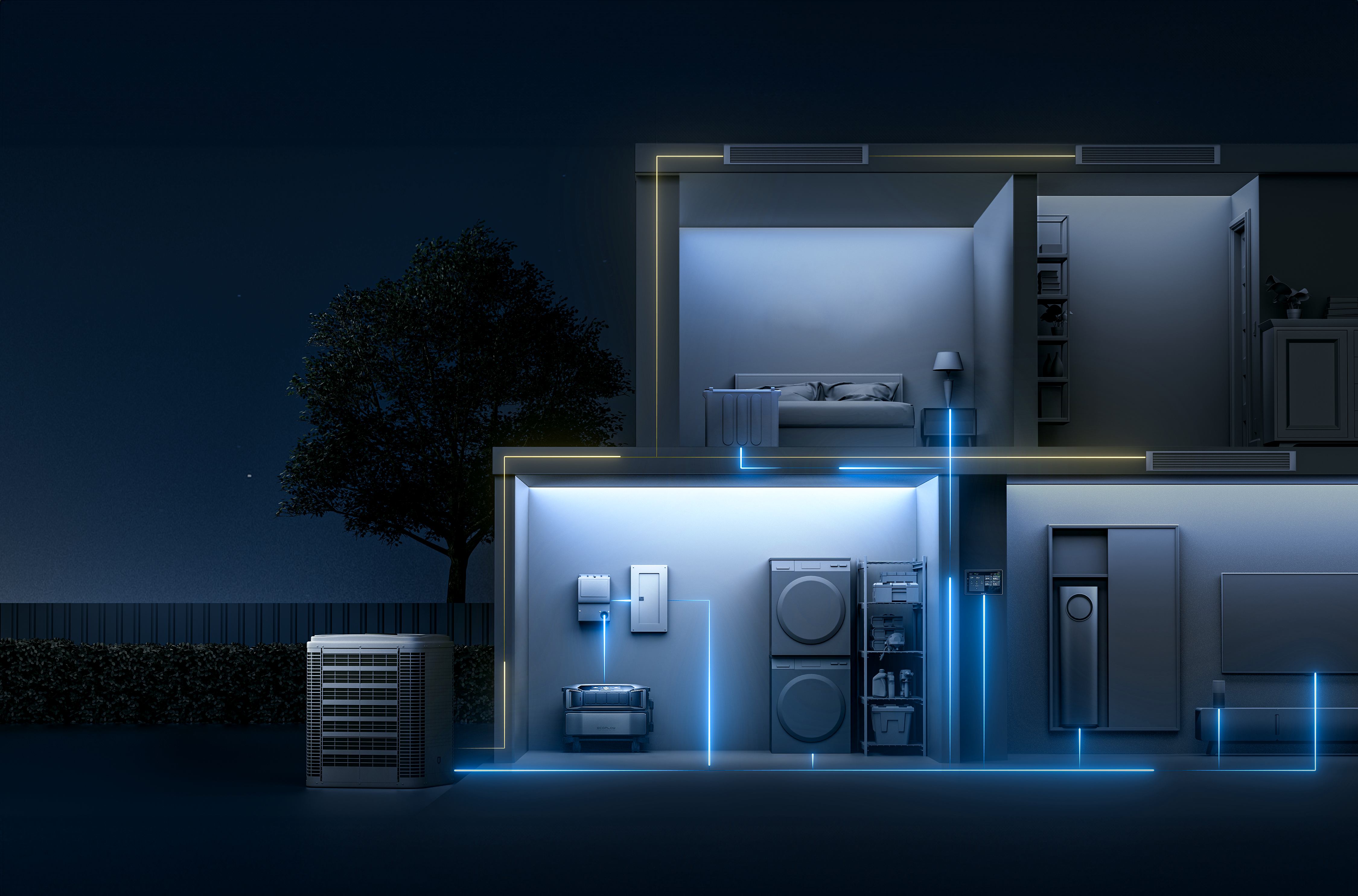
Home battery backup systems work completely differently from generators. No fuel, no engine, no noise.
The basic idea is simple: The battery charges up from your electrical outlet (or solar panels) and stores that electricity. When the power goes out, the battery automatically starts powering your home. When power comes back, it charges up again automatically.
Whole house coverage: Modern battery backup systems for home deliver enough power to run your entire home, not just a few circuits. Systems with 12kW output handle the same loads as whole-house generators—air conditioning, water heaters, kitchen appliances, everything running at once.
Multiple charging sources: Battery systems charge from your regular electrical outlet during normal times. Add solar panels and they charge from the sun during the day. You can even connect a generator (including tri-fuel generators) to charge the batteries when needed. This gives you more options than a generator alone.
Completely silent: Battery systems make zero noise. No engine, no exhaust, nothing. Your neighbors won't know you have backup power until they notice your lights are still on during an outage.
Easy expansion: Need longer backup time? Just add more battery packs that clip onto your existing system. Most systems let you add 5-10 battery packs per unit. Need more power? Add another inverter unit. Everything works together and nothing gets replaced or wasted.
The battery approach eliminates fuel dependency and delivers the same whole-home power as generators.
Battery Backup vs. Tri-Fuel Generator: Direct Comparison
Here's how these two options compare across the factors that matter most:
| Feature | Tri-Fuel Generator | Home Battery Backup |
| Noise Level | Loud—constant engine noise | Completely silent |
| Fuel Needed | Must buy gas, propane, or use natural gas | Zero fuel—uses stored electricity |
| Maintenance | Regular oil changes, filters, tune-ups needed | Zero maintenance required |
| Installation Time | Weeks to months | About one week |
| Initial Cost | Generator + installation costs | Battery system + panel installation |
| Ongoing Costs | Fuel every use + annual maintenance | Zero ongoing costs |
| Can You Expand | No—must buy new unit | Yes—add battery packs anytime |
| Indoor Placement | No—must be outside | Yes—safe for garage or basement |
| Works With Solar | No | Yes—charges from solar panels |
| Smart Features | Basic on/off | Circuit control, energy monitoring, AI optimization |
| Emissions | Produces exhaust fumes | Zero emissions |
| Moves With You | Permanent installation | Portable system |
The comparison shows that tri-fuel generators solve the fuel flexibility problem, but battery systems eliminate the fuel problem entirely and add benefits generators can't match.
Real-World Examples
- Extended winter outage: A storm knocks out power for five days in freezing weather. With a tri-fuel generator, you're running it constantly, refueling every 8-12 hours, and dealing with noise day and night. With a battery backup system expanded to 36kWh or more, you run essential loads for days. Add solar panels and you recharge during daylight even in winter. Connect a small generator for brief charging sessions if needed—but the generator runs for an hour or two instead of five days straight.
- Daily energy savings: Tri-fuel generators just sit there until outages happen. Battery backup systems save you money every single day. They charge when electricity rates are low (like 2 AM) and power your home when rates are high (like 6 PM). In areas with time-of-use rating, this cuts your electric bill every month. Add solar panels and you're generating free power during the day, storing it, and using it at night.
- Battery plus generator approach: Here's an interesting option—use a battery system as your primary backup, but keep a small generator (including tri-fuel) for extreme scenarios. The battery handles 95% of situations silently. If an extreme multi-week outage happens, the generator charges the battery in an hour, then shuts off. You get unlimited backup without constant noise and fuel consumption. This hybrid approach gives you the best of both worlds.
The EcoFlow Delta Pro Ultra X Solution
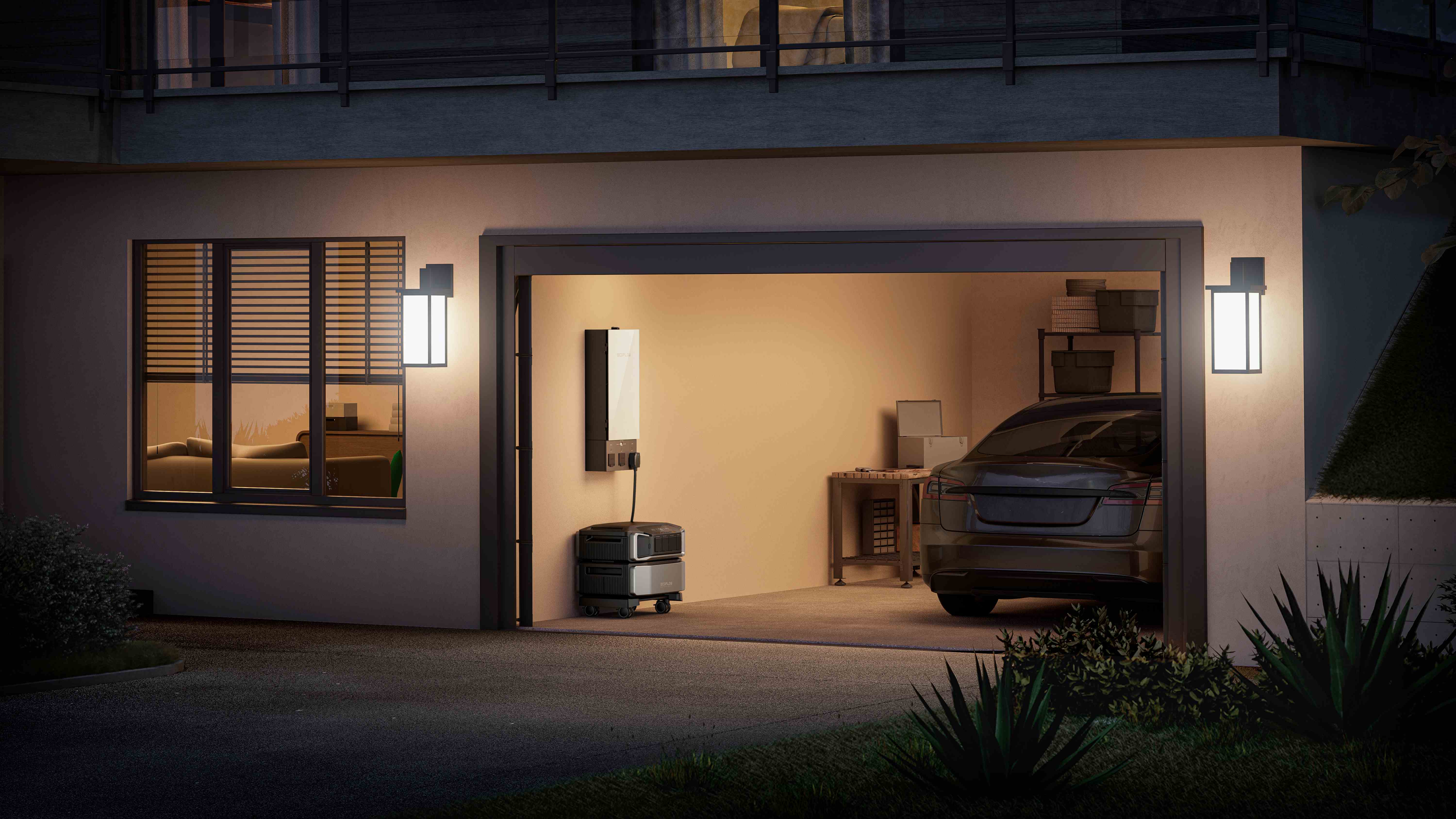
EcoFlow's Delta Pro Ultra X brings all these battery backup benefits together in one complete system designed for whole-home power.
The system puts out 12,000 watts of split-phase power—enough to run a 5-ton central air conditioner plus water heater, refrigerator, and other appliances all at once. It starts with two 6kWh battery packs (12kWh total) but expands all the way up to 180kWh for multi-day backup during extended outages.
Installs in about one week: Only the Smart Home Panel 3 needs professional installation. The inverter and battery packs just plug in—no complex wiring or permits for the battery components themselves. EcoFlow's nationwide installer network handles the panel work with clear, upfront pricing.
Smart Home Panel 3 makes it intelligent: Available in 24-circuit or 32-circuit versions, this replaces your regular electrical panel and gives you total control. See exactly what every circuit is using on your phone. During outages, the system automatically prioritizes your most important circuits and extends backup time by over 40% compared to running everything at once.
Works with solar and generators: The system accepts up to 10kW of solar input, charging the batteries to 80% in about 70 minutes from a full solar array. It also connects to any generator up to 12kW (including tri-fuel generators) through EcoFlow's Generator Rectifier. This gives you silent battery operation as your primary backup with generator charging available for extreme situations.
The Delta Pro Ultra X delivers whole-home battery backup that matches or exceeds what tri-fuel generators provide, and eliminates fuel costs, maintenance, noise, and installation delays.
Battery Beats Generators: Silent, Smarter Power
Tri-fuel generators offer valuable fuel flexibility—switching between propane, gasoline, and natural gas during supply disruptions. But this doesn't solve constant noise, ongoing maintenance, fuel expenses, and installation delays.
EcoFlow's Delta Pro Ultra X takes a different approach: zero noise, zero fuel, zero maintenance, with smart energy management that saves money daily. For most homeowners seeking reliable whole-home power with lower long-term costs, battery backup is the smarter choice.
Frequently Asked Questions Of Battery Backup & Generator
Q1. Is it possible for a battery backup to power an entire house like a generator?
Yes. Like generators, modern 12kW battery systems can power whole homes. The Delta Pro Ultra X can power all of your major appliances at once, including big air conditioners, water heaters, and more. Batteries store electricity, while generators burn fuel to make electricity.
Batteries and generators both power your home, but batteries are quiet and don't release any emissions.
Q2. How long does the battery backup last when the power goes out?
It depends on how big the battery is and how you use it. A 12kWh system that powers basic things like the fridge, lights, and WiFi lasts for 8 to 12 hours. AC uses more power and shortens runtime. Add battery packs to make them last from hours to days. During the day, solar panels get power. Connect a generator to get unlimited power. It charges batteries for 1 to 3 hours and then stops.
Q3. What happens to tri-fuel generators when the power goes out for a long time?
Long outages cause problems with fuel. When you need gas, you have to go to the gas station and wait in line. You need more than one tank and supplier for propane. Natural gas works until the service stops. Plus, the constant noise bothers the neighbors. Generators run all day and night, using fuel.
But solar-powered battery systems last longer and only need to be charged by a generator for a short time.
Q4. Are battery systems more expensive than generators that run on three fuels?
The costs of starting are about the same. The difference lasts a long time. Tri-fuel generators need fuel every time they are used and maintenance once a year. This costs hundreds of dollars each year and thousands over ten years. But battery systems don't need any fuel or maintenance.
Plus, smart charging and solar power save money on batteries every day. Most of them pay back in 3 to 4 years, which makes batteries cheaper in the long run.
Q5. Can generators that run on three fuels charge batteries?
Yes. This makes a great hybrid backup. Delta Pro Ultra X works with generators that run on three fuels. Batteries don't make a sound when there are normal power outages. When there is a long power outage, the generator runs for one to two hours to charge the batteries and then stops. You can back up as much as you want without having to pay for gas or deal with noise all the time.
The battery works 95% of the time, and the generator is available when you need it.
For press requests or interview opportunities, reach out to our media team
media.na@ecoflow.com