Whole-House Battery Backup: Cost, Sizing, and Setup
- What Is a Whole-House Battery Backup System?
- How Much Does a Whole-House Battery Backup Cost?
- What Factors Affect the Cost of a Whole-House Battery Backup System?
- How Do You Size a Whole-House Battery Backup System?
- How Is a Whole-House Battery Backup System Installed?
- How Can You Lower the Cost of Whole-House Battery Backup?
- Frequently Asked Questions
- Whole-House Battery Backup Delivers Reliable Power Through Smart Sizing and Setup
If you want extra peace of mind knowing your home can stay powered during a long outage, a whole-house battery backup may be right for you. But how much do these systems cost, how do you know what size you need, and how are they installed?
In an effort to help you learn the answers to these questions and many others, this guide goes over all you need to know before buying and setting up a whole-house battery backup.
What Is a Whole-House Battery Backup System?
A whole-house battery backup system is a large-capacity electricity storage system that’s capable of powering your entire home during a power outage. It stores electricity either from the grid or from a solar panel, and as soon as the power in your home goes out, the system kicks in instantly to keep your appliances operating as normal.
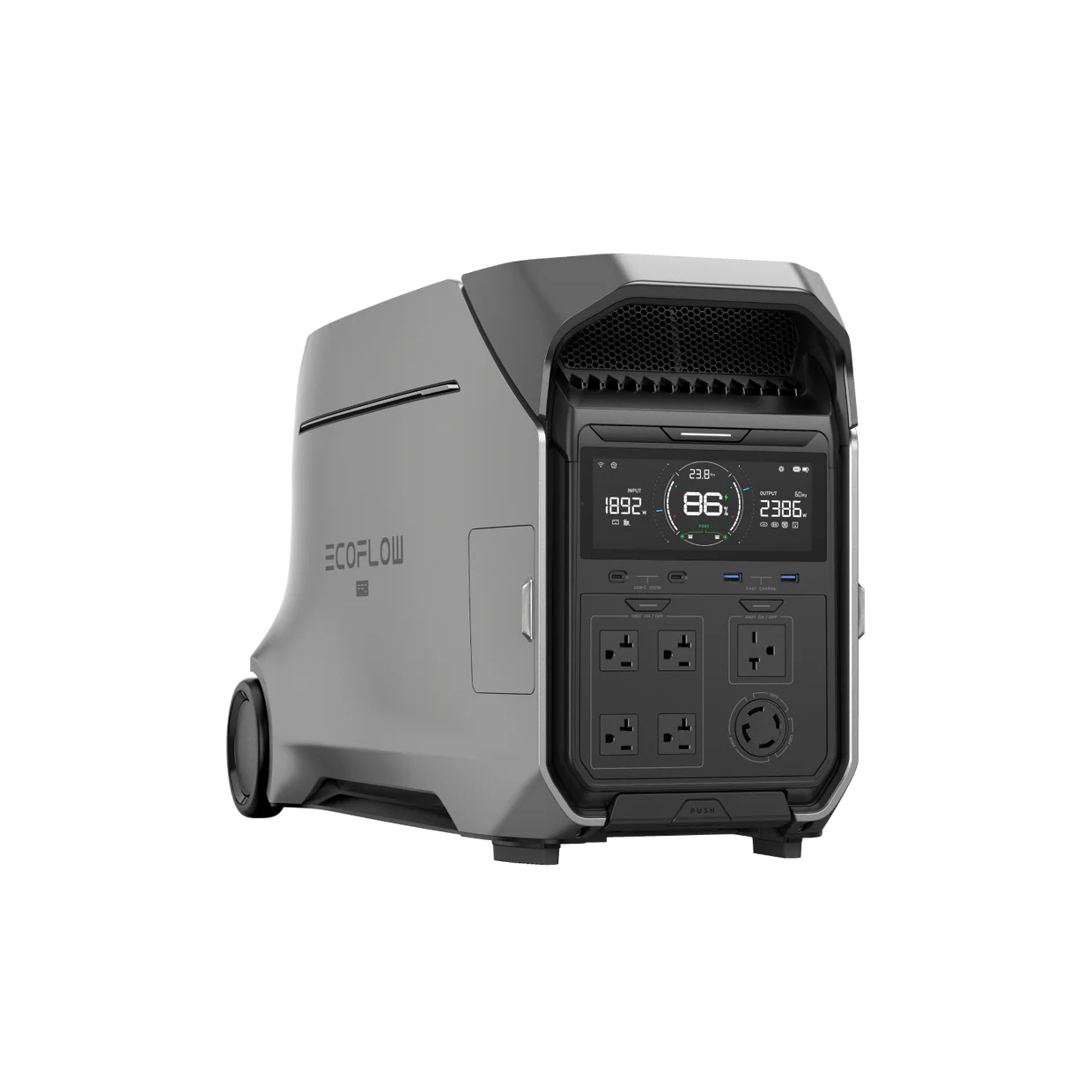
In addition to large systems capable of powering your entire home at once, there are also smaller and more portable battery backup setups, like the EcoFlow DELTA Pro 3 Portable Power Station that you can easily move throughout your space and power a variety of electronics and appliances during outages.
How Much Does a Whole-House Battery Backup Cost?
If you’re in the market for a large and reliable home battery backup capable of powering your whole home, it may cost anywhere from a few thousand to $10,000 or more before installation.
What Factors Affect the Cost of a Whole-House Battery Backup System?
The exact cost depends on a variety of factors. First, the size, capacity, and output of the system have a huge impact on how much it costs. Larger systems that are capable of storing more energy, running appliances longer, and powering many heavy appliances at once are generally more expensive than systems with less power and lower capacity.
For example, many of the larger and higher capacity options that are among the best generators for two-floor houses may be more expensive than more compact generators meant for smaller homes or less intensive needs.
Also, what’s included in the system and the type of accessories you have that go along with it may also dictate the cost. For example, if it comes with solar panels, chargers, subpanels, hybrid inverters, and more, expect to pay more than a system that just features a standalone battery.
Finally, the complexity and work involved in the installation can also change the price dramatically. A simple and straightforward installation may not be too expensive, but if you need to run a ton of wire or upgrade your electrical panel to support the system, the costs can quickly add up.
How Do You Size a Whole-House Battery Backup System?
To properly size a battery backup system, you need to calculate how much power you use, which is often included on your electric bill. It’ll often show you how many kWh you use each day, and you simply need to get a system with enough capacity to handle that.
However, you may want to add 10 to 20% extra to cover for hidden power use, or just to be safe in case things fluctuate a bit.
Also, if you want the backup system to be able to operate for more than just a single day, simply multiply your daily power needs by the number of days you want the backup to be able to operate for.
How Is a Whole-House Battery Backup System Installed?
In general, a whole-house battery backup system will need to be installed by a professional. Before installation takes place, you’ll need to ensure your home’s electrical panel can support the system and that you have all the proper permits in place.
Once all of those boxes get checked, the installation process is fairly straightforward.
You and the installers choose a mounting location for the battery units that power the system. This should generally be a dry, well-ventilated, and temperature-controlled place that’s easy to access.
Next, installers connect and wire the battery either to your main electrical panel or a critical load subpanel, depending on your preferences and needs.
After that, if you have solar panels, installers can integrate the system with the panels so you can recharge the system with the sun, rather than just from the grid.
Once everything gets mounted, installed, and connected, the installer will likely test the system a few times to ensure it’s working as it should.
How Can You Lower the Cost of Whole-House Battery Backup?
While these whole home battery backup systems may be expensive, there are some ways you can lower the cost of buying and installing them. First, depending on the city or state you live in, there may be some incentives or rebates available that can reduce the purchase and/or installation costs of the system.
This often comes in the form of a direct reimbursement payment from the government or a utility provider, but may also be a tax credit or other incentive, such as waived taxes on equipment purchases.
Next, shopping around and considering different batteries, systems, and installers may also help you save. Not every system has the same price, and different installers may charge varying amounts for the work. If you take time to compare offers and prices, you may end up spending less than if you simply went with the very first option presented to you.
You can also consider modular plug-and-play setups that don’t require complex, major, and expensive installations. Finally, if you’re really set on spending less on your system, consider focusing on critical loads only, rather than getting a system capable of backing up your entire home.

Frequently Asked Questions
How Much Does a Whole-House Battery Backup System Cost?
A whole-house battery backup may cost anywhere from a few thousand dollars to $10,000 or more before installation. But the exact price depends on the capacity, output, features, and whether you have access to any rebates or incentives.
What Size Battery Do You Need to Power a Whole House?
While the exact size depends on how many things you need to power, a small home often needs a 10 to 15 kWh battery, a medium house needs 20 to 30 kWh, and larger homes may need a battery that’s 30 to 50+ kWh.
Can You Install a Whole-House Battery Backup System Yourself?
While you may be able to install a plug-and-play system or one that uses portable power stations, a hardwired whole-house system generally requires a licensed professional. Also, keep in mind that things like warranties or rebates may require professional installation, so make sure you do your research before taking on the project yourself.
Whole-House Battery Backup Delivers Reliable Power Through Smart Sizing and Setup
Having a whole-home battery backup gives you peace of mind and ensures your home can run reliably even during outages. Of course, make sure your system is right for you and your needs by getting the right size and capacity, and setting it up properly. Also, make sure it fits your budget, as these systems can vary in terms of price.
EcoFlow's whole home battery backup collection includes systems suited to a variety of home sizes and budgets.
For press requests or interview opportunities, reach out to our media team
media.na@ecoflow.com