What Is a Heat Dome? Causes, Risks, and How to Prepare Your Home
A heat dome can make summer feel relentless, bringing hotter rooms, higher cooling costs, poor sleep, and growing concern over outages. As extreme heat becomes a more familiar part of summer weather in many parts of the US, households need clear, practical ways to prepare. Knowing how this pattern forms, who faces the greatest risk, and what to do at home can help families stay safer when dangerous heat settles in.
What Is a Heat Dome?
A heat dome is a weather pattern in which a strong, persistent high-pressure system traps hot air over a region. The high pressure acts like a lid in the atmosphere, pushing air downward and keeping heat near the surface. As the air sinks, it compresses and warms, while clear skies allow sunlight to heat the ground for several days in a row.
A heat dome often leads to a heat wave, but the two terms are not the same. A heat wave refers to a period of unusually hot weather. A heat dome refers to the atmospheric setup that can lock the heat in place and make it last longer. This is why temperatures may stay high during the day and remain uncomfortably warm overnight.
What Causes a Heat Dome to Form?
A heat dome begins with a stubborn high-pressure ridge. This ridge can slow or block normal weather movement, keeping cooler air, clouds, and storms away from the affected region. Air under the ridge sinks toward the surface. As it descends, pressure increases, and the air warms.
Several conditions can make the pattern stronger:
A stalled high-pressure system: Heat remains concentrated over the same area.
Limited cloud cover: More sunlight reaches the ground.
Warm nights: Homes and pavement release stored heat slowly.
Dry soil: Less moisture is available for evaporation, so surface temperatures can rise faster.
Urban surfaces: Asphalt, rooftops, and concrete absorb heat during the day and hold it into the evening.
Hot spells can come from different weather patterns, depending on region, season, and local geography. The “dome” effect helps explain why some events feel especially persistent. Once the atmosphere locks into place, the heat can repeat day after day.
How Can a Heat Dome Affect Your Health, Home, and Power Use?
Extreme heat affects people first. The body works harder to regulate temperature, especially during long stretches with warm nights. Heat exhaustion may cause weakness, dizziness, heavy sweating, nausea, headache, or muscle cramps. Heat stroke is far more serious and can involve confusion, fainting, very high body temperature, or hot skin. Older adults, babies, pregnant people, outdoor workers, and people with chronic health conditions face a higher risk during prolonged heat.
Heat also builds up inside the home. Attics can become extremely hot, and west-facing rooms may feel harsh in the late afternoon. Poor insulation, air leaks, uncovered windows, and old AC filters can make indoor cooling less effective. During a heat dome, air conditioners may run for longer hours, refrigerators work harder, and fans stay on throughout the day.
Power use often rises because thousands of homes and businesses need cooling at the same time. That heavier demand can strain local systems. An outage in mild weather is frustrating. An outage during extreme heat can affect food safety, communication, indoor comfort, and medical devices. This is why heat planning needs to include health, home comfort, and electricity use as connected risks.
How Can You Stay Safe During a Heat Dome?
The safest heat routine is simple, steady, and early. Waiting until dizziness or exhaustion appears can put people in danger. During a heat dome, treat cooling and hydration as daily habits, especially for children, older family members, pets, and anyone spending time outdoors.
Use these steps during high-heat days:
Stay in air-conditioned spaces during the hottest hours.
Drink water regularly, even before strong thirst sets in.
Move exercise, yard work, and errands to early morning or evening.
Wear lightweight, loose-fitting clothing.
Take cool showers or apply cool cloths to the neck and wrists.
Keep pets indoors or in shade with fresh water.
Check on older relatives, neighbors, and anyone living alone.
Keep children and pets out of parked cars at all times.
Treat confusion, fainting, or signs of heat stroke as an emergency.
Fans can help when indoor air is only moderately warm. They work best with air conditioning, shaded rooms, or cooler evening air. When indoor air becomes dangerously hot, a fan may blow warm air around and give a false sense of comfort. In that situation, a cooled public location, a neighbor’s home, or a community cooling center may be safer.
Food and medication also need attention. Some prescriptions must stay within safe temperature ranges. During an outage, keeping refrigerator and freezer doors closed helps preserve cold air. A refrigerator can generally keep food cold for about four hours if unopened, while a full freezer can hold its temperature longer.
How Can You Prepare Your Home Before a Heat Dome?
Good home preparation reduces heat gain before the worst hours arrive. Many improvements are low-cost and practical. The goal is to keep cooled air inside, block direct sun, protect essential supplies, and plan for possible power interruptions.
| Area | Practical Step | Why It Helps |
| Windows | Close blinds or curtains during peak sun | Reduces radiant heat indoors |
| Cooling | Clean or replace AC filters | Improves airflow and efficiency |
| Air leaks | Seal gaps around doors and windows | Keeps cooled air inside |
| Appliances | Avoid oven use during peak heat | Limits extra indoor heat |
| Communication | Charge phones and power banks early | Keeps alerts and contacts available |
| Food | Freeze water bottles before the event | Supports cooling and backup refrigeration |
| Health | Refill key medications ahead of time | Reduces urgent trips in high heat |
Choose one “cool room” for the hottest part of the day. A shaded room with closed curtains, sealed gaps, and good airflow can feel noticeably better. Keep interior doors closed if some rooms do not need cooling. If you use a window AC unit, confirm that it is secure and sized for the room. If you rely on central air, check vents, filters, and thermostat settings before the heat peaks.
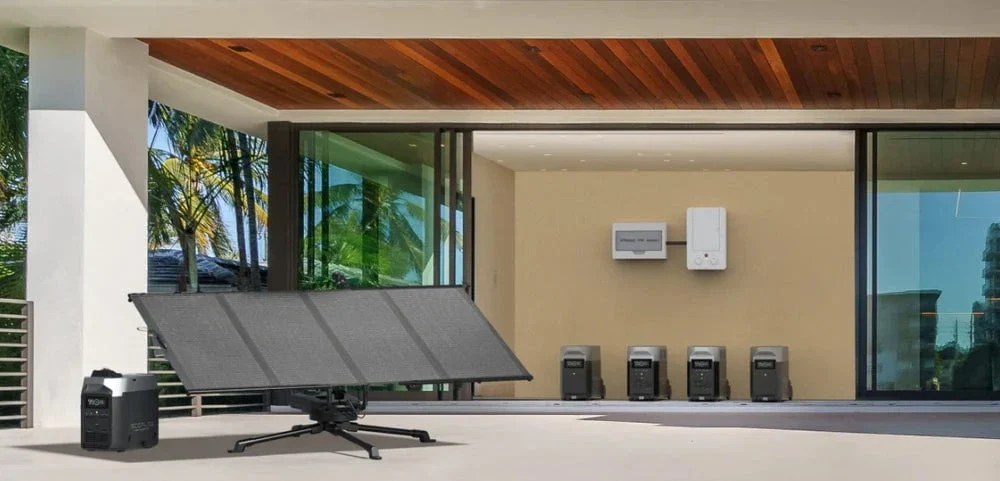
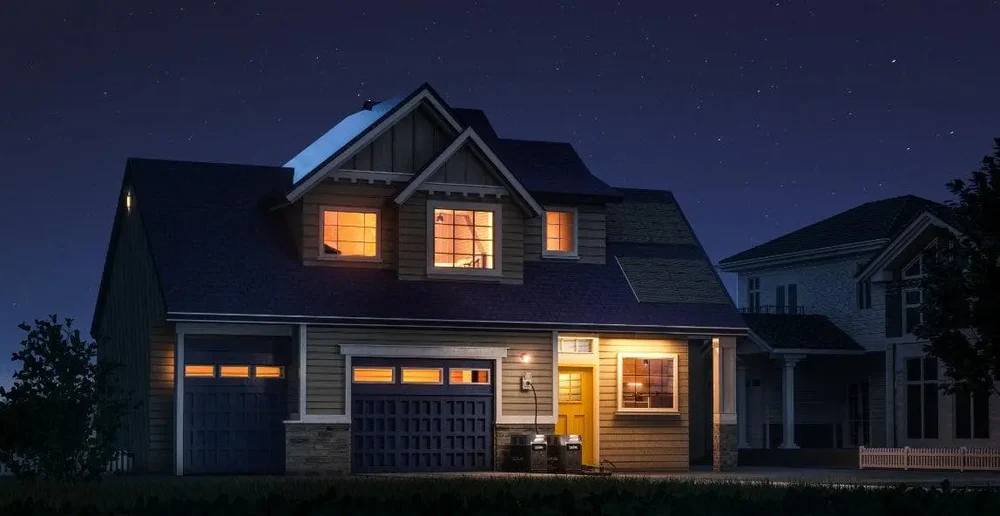
Backup power also belongs in the plan. During a prolonged heat dome, a short outage can become stressful if your household depends on phones, routers, fans, refrigeration, or medical equipment. Solar battery storage can store electricity for later use, and solar input can help extend backup time during sunny conditions. Actual runtime depends on battery capacity, appliance wattage, solar conditions, and how many devices are connected.
For households that want a more flexible backup power option during prolonged heat, the EcoFlow DELTA Pro Portable Power Station is worth considering. It starts with a 3.6kWh capacity and can expand up to 25kWh with additional batteries, giving families a practical way to support essentials such as fans, refrigerators, phones, routers, lights, and certain medical devices during an outage. With 3600W AC output, expandable up to 7200W in supported configurations, it can also fit broader home backup needs when paired with the right setup.
Build a Safer Home Before Extreme Heat Arrives
A heat dome becomes easier to manage when your household understands the risk and prepares early. Focus on health, indoor cooling, food safety, communication, and reliable power for essentials. Extreme heat can feel overwhelming, yet a clear home plan gives families more control before temperatures climb and conditions become harder to handle. For families looking to strengthen their outage plan, the EcoFlow DELTA Pro can help keep essential devices powered when extreme heat puts extra pressure on the grid.
FAQs
Q1. Can a Heat Dome Happen Outside the Summer?
Yes. Heat domes are most common and most dangerous in summer, but similar high-pressure patterns can occur in late spring or early fall. The impact depends on local climate, humidity, soil moisture, and how prepared people are for unusual heat. Early-season events can be risky because households may not have tested their cooling systems yet.
Q2. How Far in Advance Can a Heat Dome Be Forecast?
Many heat dome patterns can be identified several days in advance, especially when a strong high-pressure ridge appears in forecast models. Confidence usually improves as the event gets closer. Homeowners should watch local heat alerts, overnight temperature forecasts, and power outage updates, since nighttime heat and grid strain can change the risk level.
Q3. Can a Heat Dome Make Air Quality Worse?
Yes. A heat dome can worsen air quality by trapping pollutants near the ground and encouraging ozone formation on hot, sunny days. If wildfire smoke is present, stagnant air may keep the smoke over an area longer. People with asthma, heart disease, or respiratory sensitivity should check local air quality levels before outdoor activity.
Q4. Are Heat Domes Equally Dangerous in Every Part of the US?
No. Risk varies by region, housing quality, humidity, local infrastructure, and access to cooling. A temperature that feels manageable in one state may be dangerous in another if homes lack air conditioning or nights stay warm. Dense urban neighborhoods can also hold extra heat because pavement and buildings release stored heat slowly.
Q5. Should You Use a Gas Generator Indoors During a Heat Dome Outage?
No. A gas generator should never be used indoors, in a garage, or near open windows. It produces carbon monoxide, an invisible and potentially deadly gas. If using one, place it outside and far from doors, vents, and windows. Battery-based backup power avoids indoor exhaust risks, though capacity and load limits still matter.
Disclaimer: This article is for informational purposes only and does not constitute professional emergency management, medical, electrical, or installation advice. Heat conditions vary by region, household situation, and local infrastructure. Always follow the guidance of local authorities during an extreme heat event. For official safety information, please refer to Extreme Heat | Ready.gov, Power Outages | Ready.gov, CDC Heat and Health, and NOAA resources on heat domes and heat safety.
For press requests or interview opportunities, reach out to our media team
media.na@ecoflow.com