Carbon Monoxide Safety: Gas Generator Alternatives
- Why Carbon Monoxide Safety Matters During Power Outages
- The Risks of Traditional Gas Generators
- Gas Generator Alternatives That Reduce Carbon Monoxide Risk
- How Dual Fuel Generators Improve Safety and Flexibility
- Frequently Asked Questions
- Gas Generator Alternatives Improve Carbon Monoxide Safety and Indoor Protection
A power outage during an extreme weather event can put your family at risk if your backup power solution creates even more hazards. Traditional gas generators are popular because they're robust and reliable. However, they also cause hundreds of carbon monoxide poisoning cases each year, including many preventable deaths.
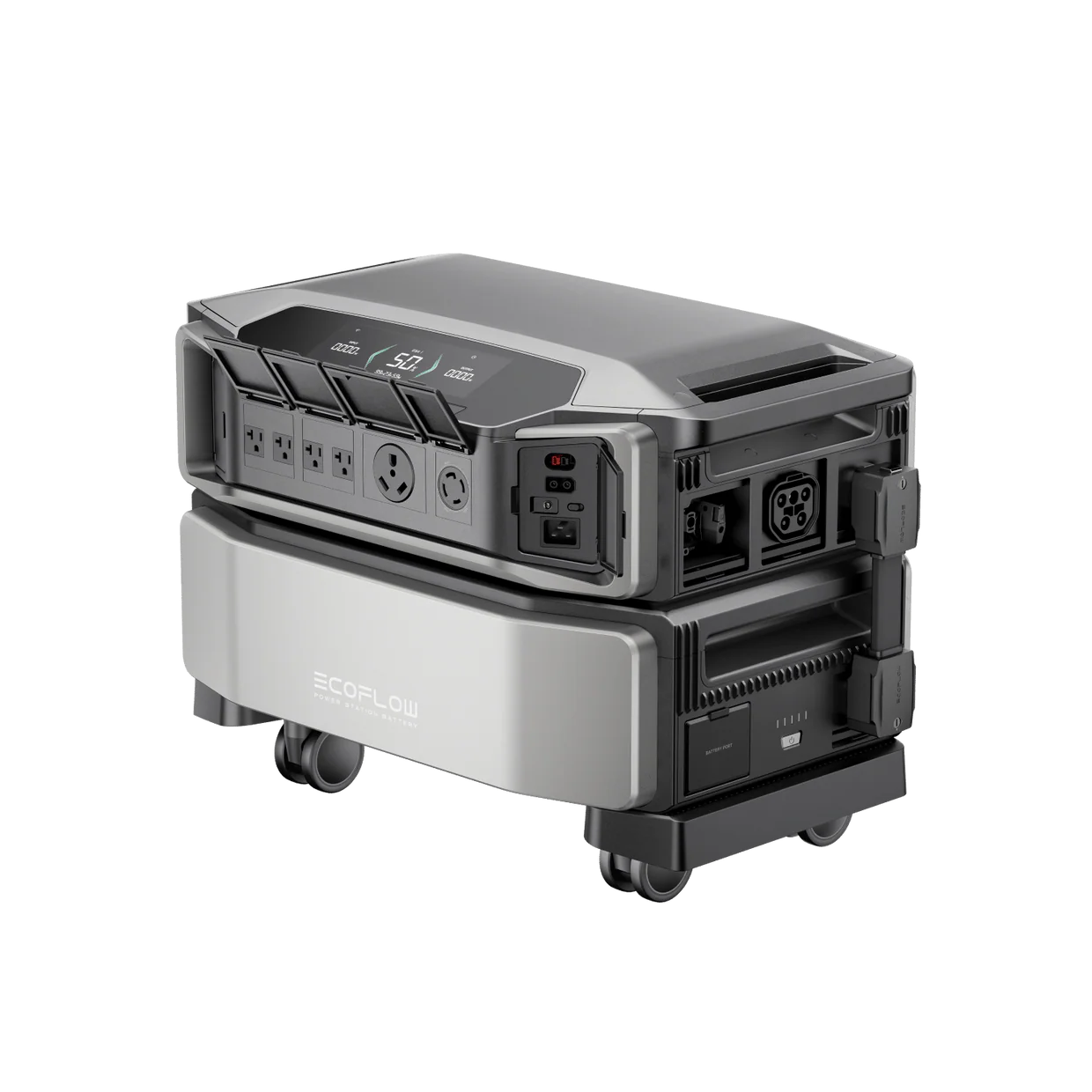
A safer alternative would be a portable power station, like the EcoFlow DELTA Pro Ultra, and a battery system that does not produce toxic emissions and can be safely used indoors. Understanding the risks of carbon monoxide can help you, as a homeowner, choose the right backup power solution that protects, not endangers, your family.
Why Carbon Monoxide Safety Matters During Power Outages
Carbon monoxide monitoring is critical during outages when operating gas generators for extended periods.
Carbon monoxide is an odorless and colorless gas that can accumulate quickly in semi-enclosed or fully enclosed spaces. Symptoms of carbon monoxide poisoning may appear like the flu, making it hard to detect during emergencies. Children and the elderly are particularly vulnerable to lower levels of carbon monoxide exposure, so protect these individuals carefully.
Battery-powered carbon monoxide detectors are essential at all times, but especially when your main power fails.
The Risks of Traditional Gas Generators
CO poisoning — Unlike portable power stations, gas generators can’t be safely used indoors or in any poorly ventilated space due to the risk of carbon monoxide poisoning. Gas generators produce carbon monoxide even when operating properly outside, and wind patterns can push the exhaust toward any open doors, windows, or ventilation systems. That's why maintaining a 20-foot buffer around your home is critical.
Fire hazards from fuel storage and burn risk from hot exhaust components — Safe gasoline storage requires proper containers, ventilation, and environmental temperature control. Fuel spillage can pose an ignition risk, especially near hot generator surfaces. Improper refueling during operation can also cause severe burns or flash fires. Be careful around hot exhaust components, which can reach temperatures over 300ºF during operation.
Starting difficulties in cold weather — When temperatures are low, oil can thicken, making it nearly impossible to start a gas generator manually. This doesn't even account for the difficulty of operating pull cord mechanisms with winter gloves or freezing fingers. Carburetors can also accumulate ice, preventing reliable ignition if temperatures drop below freezing. Note that battery-powered electric start systems can still fail without regular maintenance charging.
Fuel degradation over time — Gasoline starts to degrade after 30 days without stabilizer additives, and stale fuel can clog carburetors, injection systems, or fuel filters. Even ethanol in blended fuels can attract moisture, creating corrosion in your fuel system. Often, emergencies reveal fuel quality issues when generators fail to start. To properly rotate your fuel for safety, it requires regular testing and replacing stored gasoline.
Environmental impact of toxic emissions — Even if not indoors, gas generators create direct exhaust containing nitrogen oxides, carbon monoxide, and particulate matter into the air. Just one gas generator can produce emissions equivalent to dozens of vehicles. This ground-level pollution worsens the air quality in your immediate area. Additionally, any fuel spills will contaminate the soil and groundwater sources directly below it.
Limited access to fuel inventory during emergencies — Gas stations need electricity to operate their fuel pumps, which can be a problem during widespread outages. Additionally, fuel delivery trucks may not be able to reach affected areas during severe weather. Pre-storm panic buying can create shortages even when stations remain operational, leaving you without fuel and potentially without backup power.
Gas Generator Alternatives That Reduce Carbon Monoxide Risk
While some homeowners may still opt for traditional gas generators, which can be perfectly safe if used correctly, there are better alternatives on the market today that can reduce or eliminate the risk of carbon monoxide poisoning.
Popular alternatives include battery-powered systems that produce zero emissions during operation, such as the EcoFlow DELTA Pro Series. Adding solar panels to these battery systems enables solar charging, reducing your dependence on the grid or limited fuel supplies. When capacity and output are large enough, these can serve as whole-home generator systems that integrate with your existing electrical panels and automatically turn on when a power failure is detected.
Modular battery configurations allow you to scale your system, from essential devices to complete home power, by adding extra batteries.

How Dual Fuel Generators Improve Safety and Flexibility
A dual-fuel generator is a great option for those who enjoy using fuel for power but want to mitigate the risks of carbon monoxide. It's a backup power source with two fuel options, giving you the flexibility to choose the one that suits you best. They use a combination of propane, diesel, natural gas, and gasoline, and typically switch between fuels, either automatically or manually, based on your required power output or fuel levels.
Propane burns much cleaner than gasoline, which reduces the carbon monoxide output significantly. Propane tanks also store indefinitely without concerns of quality degradation. Natural gas has benefits because it eliminates the need for fuel storage and concerns about degradation. And by minimizing liquid fuel handling and storage, you also reduce fire risk.
Modern dual-fuel generators use automatic fuel switching to maintain operation even if one of your fuel sources depletes. This alternative also has much lower maintenance requirements compared to gas-only generators.
Frequently Asked Questions
Are Gas Generators Dangerous To Use During Outages?
Gas generators can be dangerous to use during outages because they pose significant risks of carbon monoxide exposure, fire, and injury during operation. Placing your gas generator in the proper location, ensuring it's well ventilated, and using safety equipment can reduce hazards, but won't eliminate them.
Is There a Generator You Can Use Inside Your House?
You should not use any combustion generator inside your home, garages, or enclosed spaces. However, battery-powered stations and whole-home battery systems or solar generators can safely operate indoors. If you want permanent backup power, be sure to properly integrate your whole-home battery into your existing electric panel.
Gas Generator Alternatives Improve Carbon Monoxide Safety and Indoor Protection
There's no way to completely avoid the carbon monoxide risk of gas generators. That is, unless you opt for a safer generator alternative. A battery backup system such as the EcoFlow DELTA Pro Ultra produces zero emissions, can be safely used indoors, and protects families from carbon monoxide poisoning, fire, and injury risks. Pairing this equipment with solar creates an even more sustainable option, providing power independence during extended outages.
For press requests or interview opportunities, reach out to our media team
media.na@ecoflow.com