Wedge Tornado vs Regular Tornado: Size, Differences, and Dangers
- What Is a Wedge Tornado?
- How Is a Wedge Tornado Different From a Regular Tornado?
- Why Are Wedge Tornadoes So Dangerous?
- How Do Tornadoes Cause Power Outages and Infrastructure Damage?
- What Should You Do During a Tornado Warning?
- How Can Backup Power Improve Tornado Preparedness?
- Frequently Asked Questions
- Severe Tornadoes Make Emergency Power and Preparedness More Important
Have you ever seen a tornado that appeared to be wider than it was tall? These colossal twisters are colloquially known as wedge tornadoes by storm spotters. Often measuring miles in width, these tornadoes have historically been some of the most destructive in North America.
In this guide, we take a closer look at wedge tornadoes, how they compare to regular tornadoes, and their obvious and hidden dangers. We’ll also see why the increasing frequency of severe weather events like tornadoes makes home backup power solutions indispensable.
What Is a Wedge Tornado?
Wedge tornadoes are among the rarest type of tornadoes, but they’re still ranked as some of the most destructive in recorded US history thanks to their colossal size. The term ‘wedge tornado’ originated as a slang term used by storm spotters due to the unique shape of these monstrous twisters.
Unlike the familiar cone-shaped tornadoes that look like a spinning column, wedge tornadoes can be as wide, or wider, than they are tall. The current record holder of widest tornado is El Reno, a 2.6-mile-wide monster that struck Oklahoma in 2013.
Many of the USA’s deadliest tornadoes have been wedges, including those that hit Kansas in 2007 and Missouri in 2011.
However, the immense width of wedge tornadoes doesn’t always translate to extreme wind speeds. Many are rated as relatively mild EF1 tornadoes. Regardless, ensuring you’re ready to respond rapidly to the threat of a tornado is a crucial aspect of preparing your home for spring storms.
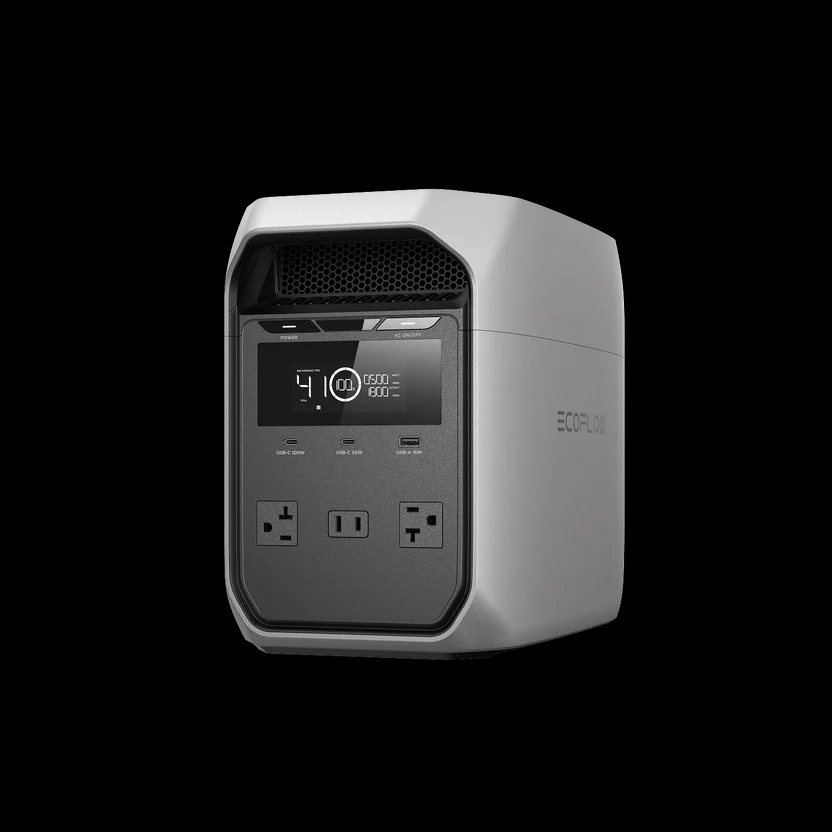
With a portable backup power solution like the EcoFlow DELTA 3 Classic, you can secure peace of mind that you always have several hours of backup power for your essential items and light appliances. This can give you enough time to plan and evacuate in the event of a prolonged power outage.
How Is a Wedge Tornado Different From a Regular Tornado?
The key difference between a wedge tornado and a regular tornado is their appearance. The most common type of tornado is the cone tornado. These twisters stretch upwards from the ground as a cone-shaped column. Wedge tornadoes, on the other hand, can be wider than they are tall.
However, just like cone tornadoes, wedge tornadoes form when moist air collides with stable dry air in an area of strong vertical wind shear and enhanced lift. Researchers still don’t fully understand why wedge tornadoes reach such incredible widths. It’s possible that multiple mini twisters form around a main funnel.
Why Are Wedge Tornadoes So Dangerous?
Wedge tornadoes, compared to other tornado types, can be particularly dangerous due to their size. As they’re able to stretch miles wide, they can engulf vast swaths of area, often destroying much of what lies in their path.
These sprawling twisters can easily drag down power lines, damage power infrastructure and property, and even topple trees. Moreover, what makes them more dangerous is, despite their size, they can often hide in plain sight.
Because they’re relatively rare, wedge tornadoes can appear like low-lying clouds to those unfamiliar with them. Also, sheets of heavy rain can surround these giant twisters, making them virtually invisible to the naked eye. Both of these factors can cause people to overlook the risks of wedge tornadoes.
How Do Tornadoes Cause Power Outages and Infrastructure Damage?
Tornadoes pose a variety of threats to crucial elements of energy infrastructure that can result in regional power outages. For starters, some tornadoes have wind speeds of up to 300 mph, strong enough to tear down poles, power lines, and anything else in their path.
Flying debris from tornadoes poses a major risk to power infrastructure. These twisting menaces can essentially transform vehicles, tree branches, and building fragments into projectiles that can strike cables, substations, and transformers.
What Should You Do During a Tornado Warning?
Here’s what you should do if the local authorities broadcast a tornado warning:
Seek safe shelter immediately: Make sure you have a room on the lowest floor or your cellar prepared for a severe weather event. Avoid staying near windows due to the threat of flying debris.
Stay informed: Stay on top of local alerts and updates so that you can monitor the situation and keep up to date with any safety instructions.
Emergency kit: Whenever there’s a risk of a tornado, you should keep an emergency kit packed with medications, essential clothing, water, non-perishable food, etc.
Backup power: Power outages are highly likely during a tornado, which could knock out your critical communications and appliances. Make sure you have a reliable source of backup power.
How Can Backup Power Improve Tornado Preparedness?
As discussed above, tornadoes pose a variety of threats to the grid, often causing power outages that can last for several days or more. Without a source of backup power, this could leave you without heating, the ability to charge essential devices like phones, appliances to preserve and cook food, and more.
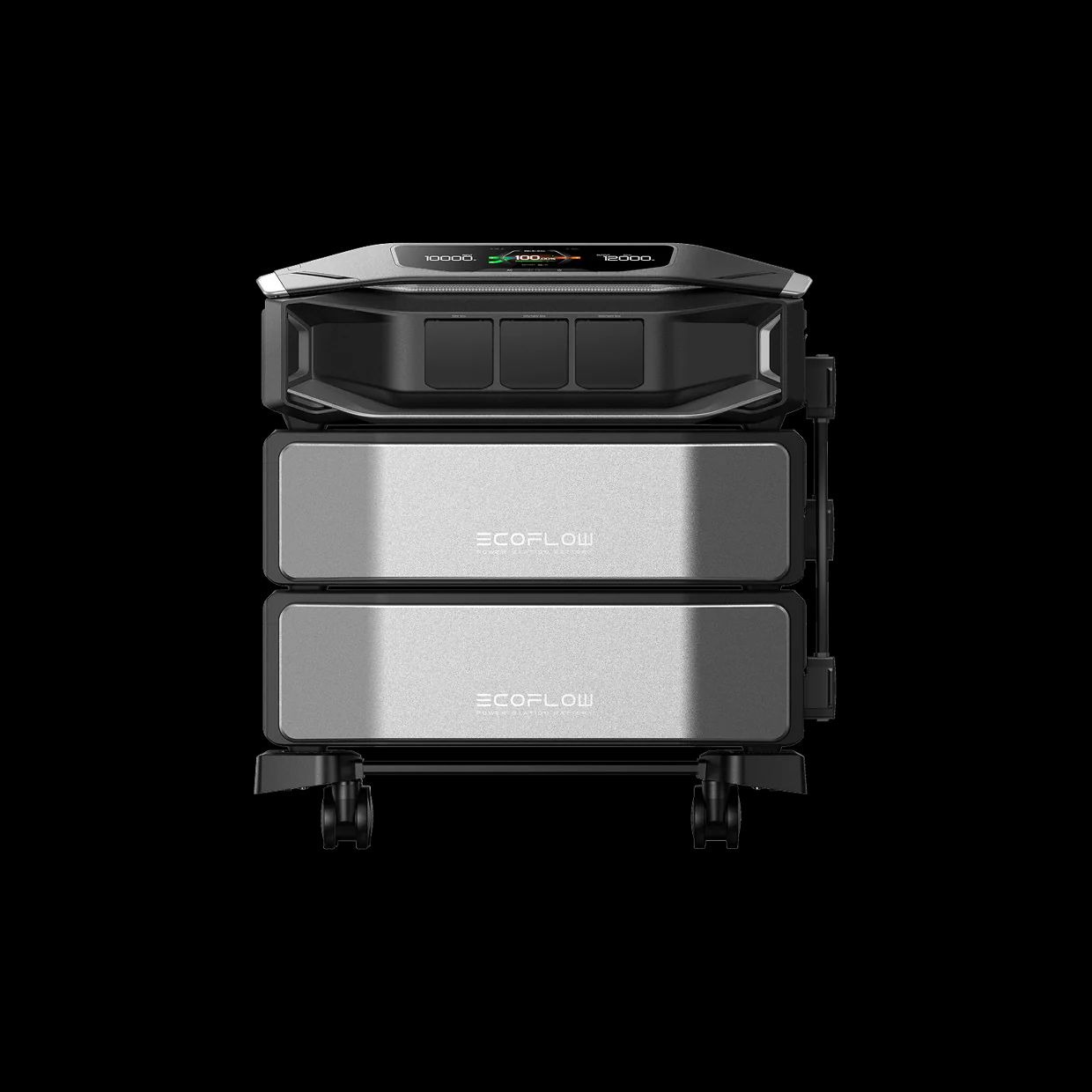
If you want to prepare your home for a potentially weeks-long outage, you might be interested in the EcoFlow DELTA Pro Ultra X. With expandable battery options, this system can power your entire home, including heavy appliances and HVAC units, for several days to weeks.
Both of those backup battery options can be integrated with solar panels, making them extremely versatile when the grid fails. They’re also useful for more than just preparing for tornadoes. These systems can help you prepare for high-rain outages, wildfire season, and just about all other severe weather events. They can also reduce your utility bills significantly.
Frequently Asked Questions
What Makes a Tornado a Wedge Tornado?
Unlike the most common type of tornadoes that look similar to columns in the shape of a long cone stretching from the ground to the sky, wedge tornadoes can be as wide or even wider than they are tall. In fact, wedge tornadoes are typically wider than a mile in diameter. The biggest one in US recorded history struck Oklahoma in 2013 and measured 2.6 miles in width.
Are Wedge Tornadoes More Powerful Than Other Tornadoes?
Even though wedge tornadoes look monstrous, often boasting a width of several miles, they’re not necessarily more powerful than the more commonly seen cone tornadoes. Some wedge tornadoes have been given a relatively weak EF1 rating. However, wedge tornadoes have historically been among the most destructive types of tornado, even if they are. Many of the USA’s top ten deadliest tornadoes have been wedge tornadoes, including the 2.6-mile-wide twister that hit Oklahoma in 2013.
Severe Tornadoes Make Emergency Power and Preparedness More Important
With severe weather events such as tornadoes becoming increasingly frequent, now’s the time to establish a home power plan so that you’re always prepared for the worst. Whether you need a portable backup battery to keep essentials powered on the go or a whole home generator with solar panels to cope with a prolonged grid failure, we have the perfect solution.
Discover the range of EcoFlow whole home backup power solutions to learn about the possibilities.
For press requests or interview opportunities, reach out to our media team
media.na@ecoflow.com