Severe Weather Awareness Month: Build Your Home Power Plan
March is Severe Weather Awareness Month, a timely reminder to review how prepared your home is for unexpected storms, outages, and extreme weather events. Power interruptions can happen without warning and leave families vulnerable and daily routines disrupted.
Building a reliable home power plan is about ensuring safety, comfort, and peace of mind when severe weather strikes. Learning how to prepare for severe weather like floods, hurricanes, thunderstorms, tornadoes, and blizzards can help you stay calm during severe weather. Read on to find out more and discover how the EcoFlow DELTA Pro Ultra X can help.
Why Severe Weather Demands a Home Power Plan
A home power plan for extreme weather is a proactive strategy designed to protect your household from the unpredictable effects of severe weather. Tornadoes, thunderstorms, and flooding can strike suddenly, and disrupt electricity, communications, and essential daily functions.
By connecting these risks to deliberate planning, homeowners can reduce danger, maintain critical systems, and act with confidence during emergencies and severe weather.
The Risk Landscape: Tornadoes, Thunderstorms, and Flooding
Severe weather varies by region and season, but statistics show the risks are real and quite significant. In the U.S., the average annual tornado count exceeds 1000, with peak activity in spring and early summer.
Thunderstorms are far more frequent, producing large hail, damaging winds, and lightning strikes that result in thousands of injuries and billions of dollars in property damage each year.
Flooding remains the nation’s most common natural disaster, with flash floods accounting for about 100 deaths annually.
Rapid Onset and Impacts: Storms in Minutes
Severe storms can develop in minutes and leave very little time to react. High winds can topple trees and power lines, hail can damage roofs and vehicles, and lightning can start fires or disable electronics.
Heavy rainfall often leads to flash flooding, and it can wash out roads and isolate homes. These rapid-onset events highlight the critical need for a home power plan that ensures lighting, refrigeration, communication devices, and emergency systems remain operational.
Knowing how fast storms and severe weather can cause problems can help you stay calm during power outages and prevent panic emergencies.
Foundational Safety Behaviors: Plan, Shelter, and Alerts
Effective preparation begins long before a storm arrives. All prepared households should:
Plan ahead: Identify safe shelter areas, backup power options, and essential supplies.
Monitor alerts: Follow the National Weather Service (NWS) and local emergency notifications.
Prepare emergency kits: Include water, non-perishable food, first aid, batteries, and tools.
Account for pets: Ensure pets have food, water, and safe shelter.
Practice drills: Regularly review plans with all household members to ensure swift and coordinated responses.
Core Components of a Home Power Plan
A home power plan relies on three key building blocks: shelter and access to supplies, backup power capability, and systems to monitor weather and manage loads. Each component ensures that households can maintain safety, communications, and essential functions.
Essential Loads and Backup Foundations
Not all household devices require equal attention during a power outage. Prioritizing essential loads ensures that vital systems remain operational. Typical priorities include:
Refrigeration: Refrigerators and freezers prevent food spoilage (average load 700–800W at 120 V, 60 Hz).
Essential lighting: Focus on areas for navigation and safety.
Communications: Phones, laptops, radios, and other devices (smaller electronics often draw 5–20W each).
When planning home backup power solutions, consider the total wattage of prioritized devices and select generators, battery systems, or UPS solutions accordingly. A carefully sized backup ensures you maintain core functionality without overloading your system.
Shelter, Supplies, and Quick Access
A safe location is the cornerstone of effective planning. Shelters (whether it’s a basement, interior room, or designated storm-safe space) should be:
Easily accessible: Quick access reduces exposure during dangerous weather.
Well-stocked: Include non-perishable food, water, first aid kits, flashlights, and other emergency supplies.
Equipped with battery-operated devices: Radios, TV receivers, or weather alert devices maintain access to information when power is out.
Alerts and Information: Monitoring the Storm
Staying ahead of a storm requires real-time monitoring and understanding alerts:
Watch vs. warning: A watch means conditions are favorable for severe weather. A warning indicates imminent danger.
Track by location: Follow updates that reference your parish, county, or city to know when action is needed.
Trusted sources: Use National Weather Service (NWS) alerts, local broadcast systems, and battery-powered devices for continuous updates.
Immediate action: Once a warning is issued, seek shelter indoors and ensure your essential systems are powered.
The Smarter Solution: Modern Home Power for Resilience
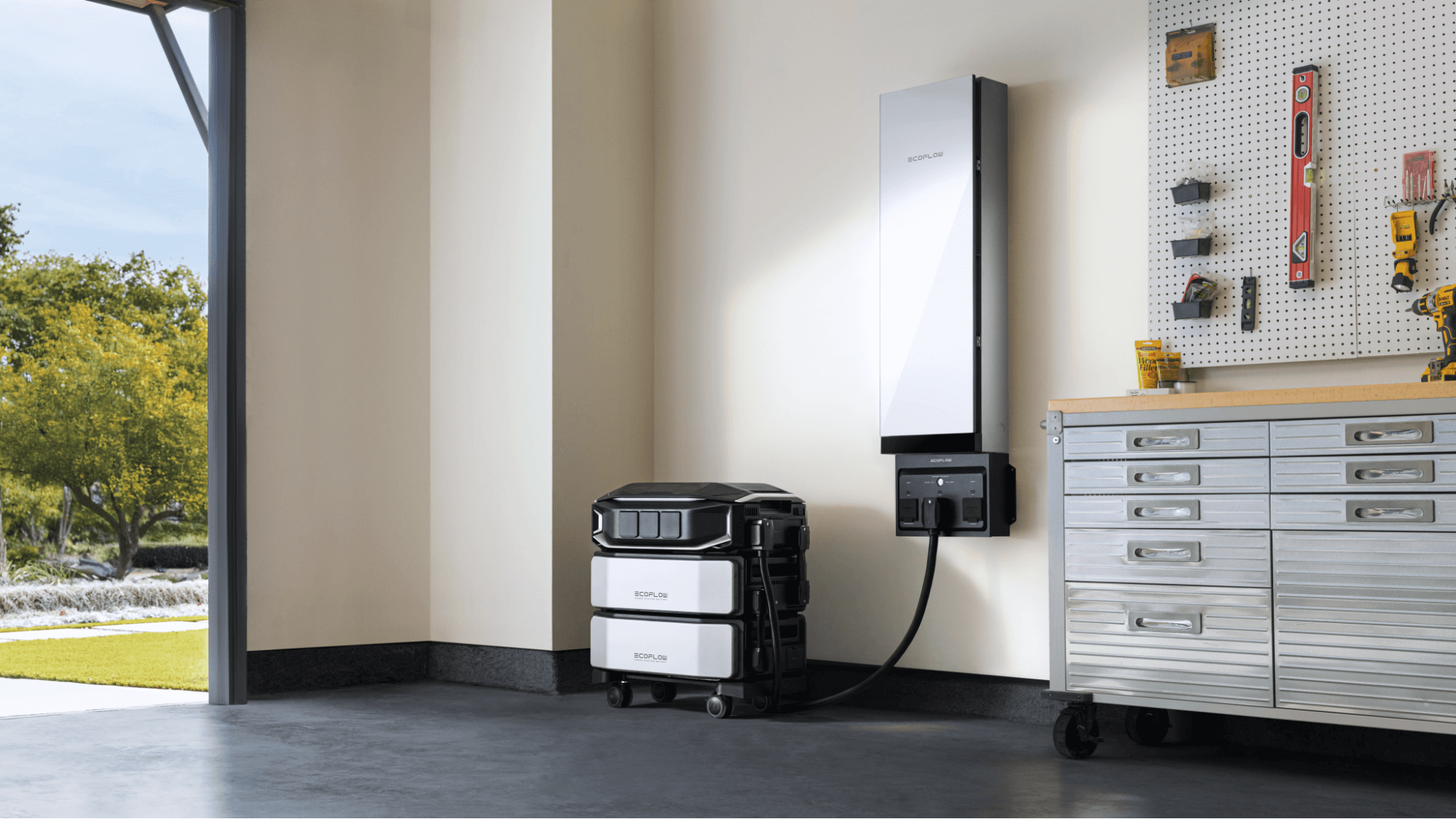
Building a resilient home today means going beyond flashlights and canned food. Modern backup power systems like the EcoFlow DELTA Pro Ultra X offer reliable, quiet, and efficient solutions that keep essentials running through storms and outages. By integrating smart energy management, homeowners can prioritize critical loads, monitor usage remotely, and recharge safely, all without the guesswork of traditional setups.
Also, designing weatherproof backup power and learning how to make your home ready for anything nature throws your way goes a long way during floods and heavy rain.

Frequently Asked Questions
What Are the 5 Ps of Preparedness?
The 5 Ps of preparedness focus on People, Places, Plans, Processes, and Products. Covering who’s in your household, where to shelter, how to respond, and what supplies you need to stay safe during emergencies.
What Are the 5 Levels of Severe Weather?
Severe weather is classified by risk levels: 1-Marginal (dark green), 2-Slight (yellow), 3-Enhanced (orange), 4-Moderate (red), and 5-High (magenta). Each level signals increasing severity, which helps you decide when to stay alert, take precautions, or seek shelter immediately.
A Home Power Plan Protects Households During Severe Weather Outages
Severe Weather Awareness Month is a reminder that storms can strike quickly, and leave homes vulnerable to outages and disruptions. Building a home power plan that covers essential loads, shelter, emergency supplies, and real-time weather monitoring turns uncertainty into preparedness.
For reliable, resilient backup power, solutions like the EcoFlow DELTA Pro Ultra X provide the flexibility and capacity to keep your household running safely through any storm. Taking action now ensures peace of mind when severe weather strikes and prevents panic during times when you should stay calm.
For press requests or interview opportunities, reach out to our media team
media.na@ecoflow.com