The Complete Van Life Power Setup Guide for 2026
- What Does a Complete Van Life Power Setup Include?
- How Much Power Do You Need for Van Life?
- What Are the Core Components of a Van Power System?
- How Do You Choose the Right Battery Capacity?
- How Do Solar Panels Fit Into a Van Setup?
- What Are the Best Ways to Charge Your System?
- How Do You Install and Manage a Van Power System?
- Frequently Asked Questions
- Reliable, Expandable, and Safe Van Power For 2026
Demand for van life power has grown significantly as remote workers, full-timers, and weekend adventurers are all hitting the road to create new memories and take advantage of their freedom. The common thread is that all of these van users need reliable and potentially expandable energy on board.
This guide takes you through a complete power setup for your van, including interconnected systems for energy storage, solar input, charging, and distribution. Use it to get your setup right before you travel to avoid expensive mid-trip fixes or system mismatches.
What Does a Complete Van Life Power Setup Include?
A van life power setup has four core components:
A battery bank for storage
Solar panels for power generation
Inverter/charge controller for conversion and regulation
DC/AC distribution panel
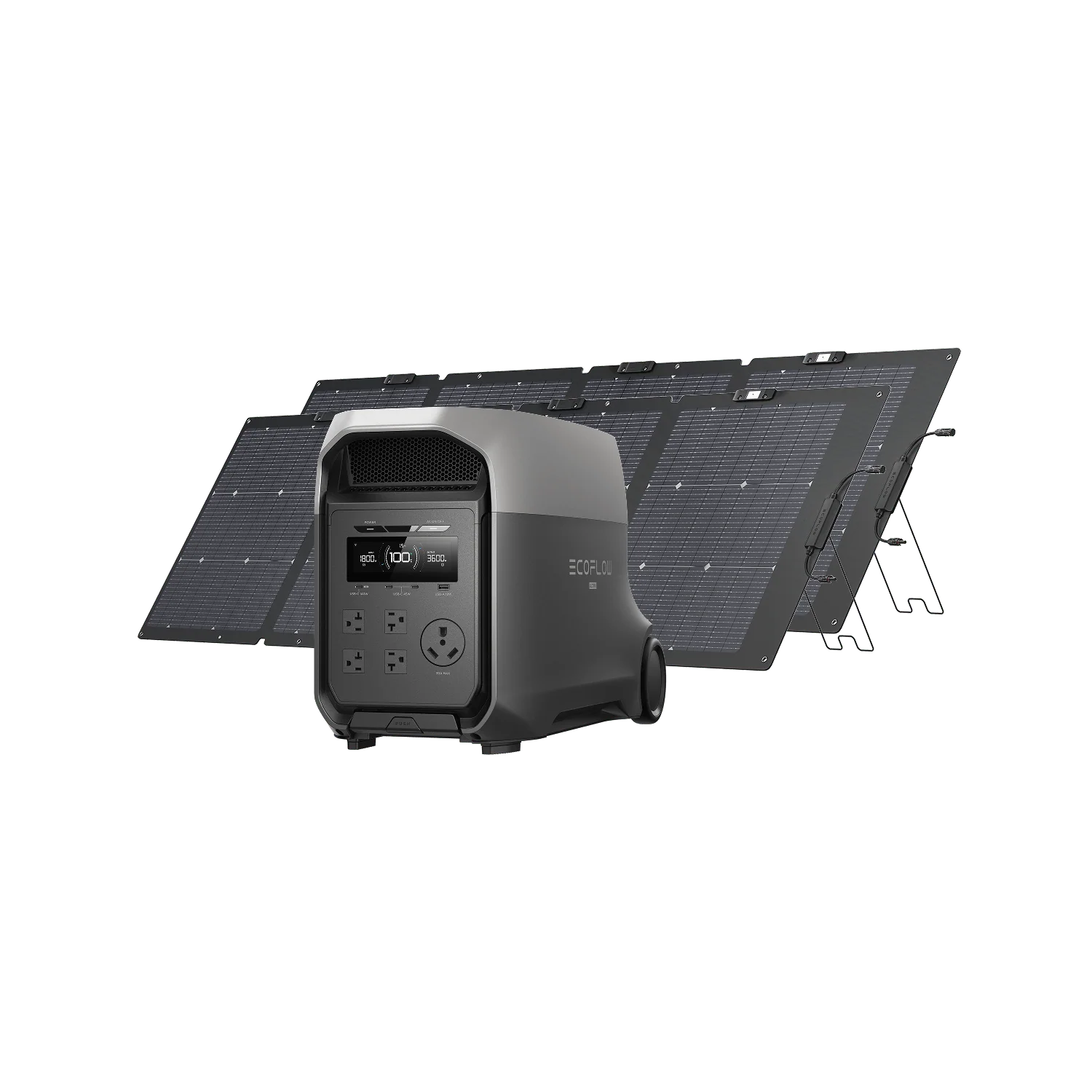
The EcoFlow DELTA 3 Ultra +2×220W Solar Panel bundle provides a convenient and reliable all-in-one solution, complete with 220W solar panels, an integrated battery for storage, and an inverter for energy conversion, all in a single portable system.
How Much Power Do You Need for Van Life?
In van life, your daily energy needs can vary widely. Minimalists can use as little as 700 to 1,100 Wh/day, whereas full-time van campers with a fridge and a laptop can average 1,200 to 2,000 Wh/day. On the highest end of the spectrum, power users who run AC constantly or use Starlink for work or entertainment connections can hit 2,500 Wh+.
To estimate what your daily use is, add up the total wattage of all your devices and multiply it by the hours of use per day for each appliance.
Look out for key high-draw appliances and electronics, like compressor fridges, laptops, phone charging, lighting, and a ventilation fan. You may also want to factor in the 5–15% power loss when inverters convert the energy from DC to AC (depending on inverter quality).
For an average two-person van build, a good starting point is roughly 1,000 to 2,000 Wh/day. But figure out your own number before buying batteries and panels to prevent costly under- or oversizing.
What Are the Core Components of a Van Power System?
Most van power systems are made up of battery storage, solar panels, and an inverter or charging system. Some are comprehensive within one solution, and others require separate components paired together.
Battery Storage
LiFePO4 batteries are now the standard choice for van-build battery storage because they have a usable depth of discharge of 80–100%. They also provide 2,000 to 5,000+ cycles, or roughly up to 10+ years of daily use.
They may cost more upfront, but their lightweight portability, long lifespan, and impressive depth of discharge all make this battery well worth it.
Solar Panels
When you need solar power on the move, you have three main options to choose from:
Rigid monocrystalline panels, which offer high efficiency and the great long-term value.
Flexible panels, which are lower profile, but have a shorter lifespan and can build up heat.
Portable panels, which are useful as supplemental input or if you want a stealth setup.
Inverter and Charging Systems
A pure sine wave inverter is compatible with sensitive electronics, laptop chargers, and motor-driven appliances. To size it correctly, match it to the maximum AC load that you'll run simultaneously, rather than theoretical maximums.
How Do You Choose the Right Battery Capacity?
To outfit your camper van with the right battery capacity, start by taking your daily Wh total usage and then convert it to amp-hours at 12V.
Wh / 12 = Ah
Size the battery to cover at least two full days without charging, to account for low solar production or more indoor time.
For example:
1200Wh/day x 2 days = 2,400Wh needed
With 80% usable DoD, a 3kWh battery can cover this comfortably.
How Do Solar Panels Fit Into a Van Setup?
Solar is the best primary charging source for a van setup because it allows you to replenish your battery bank at least as fast as you drain it on a sunny day. A sustainable van setup can pair roof-mounted panels with an MPPT charge controller and alternator charging as a backup for cloudy stretches.
What Are the Best Ways to Charge Your System?
Solar should be your primary recharge source because it's free and passive.
However, because it's weather-dependent, you should also have alternatives such as alternator charging, which allows you to charge passively while driving and doesn't rely on the sun.
Shore power is another good option that provides the fastest recharge, but does require a hookup.
How Do You Install and Manage a Van Power System?
Think of your van power solution the same way that you think of a whole-home generator. When the van is your home, your electrical system will need to cover every function reliably, from refrigeration to climate control and device charging.
Start with a wiring diagram before you purchase the components. That will help you define wire gauge, fuse placement, and component locations, so you prevent costly mistakes while building. Always keep your fuses within inches of the battery positive terminal, and choose the correct wire size.
A battery monitor or internal battery management system can track the state of charge in real time, so you always know when to switch charging sources or reduce your load.
Frequently Asked Questions
What Size Battery Do I Need for Van Life?
Weekend van life builds are usually well-covered with a 100 to 200Ah LiFePO4 battery for basic needs. Full-timers should instead look for a 200 to 400Ah standard battery. If you need to work remotely or run AC, a 400Ah+ is a better option.
How Much Solar Power Is Enough for a Van?
Full-time van adventurers with alternator charging typically need 400W solar power as the starting point. But without reliable alternator charging or shore power, 600W or more is recommended, especially in cloudy climates.
How Do I Safely Charge Batteries While Driving?
You can charge batteries while driving using a DC-DC charger, which provides multi-stage charging and protects the starter battery. This is also called alternator charging when recharging a portable power station.
Reliable, Expandable, and Safe Van Power For 2026
A van power setup works best when you size it for your daily use and build it with room to expand as your needs change and evolve. The most reliable system has redundancy built in, so consider a setup that combines solar, alternator charging, and shore power so you’re always prepared for variable weather and travel.
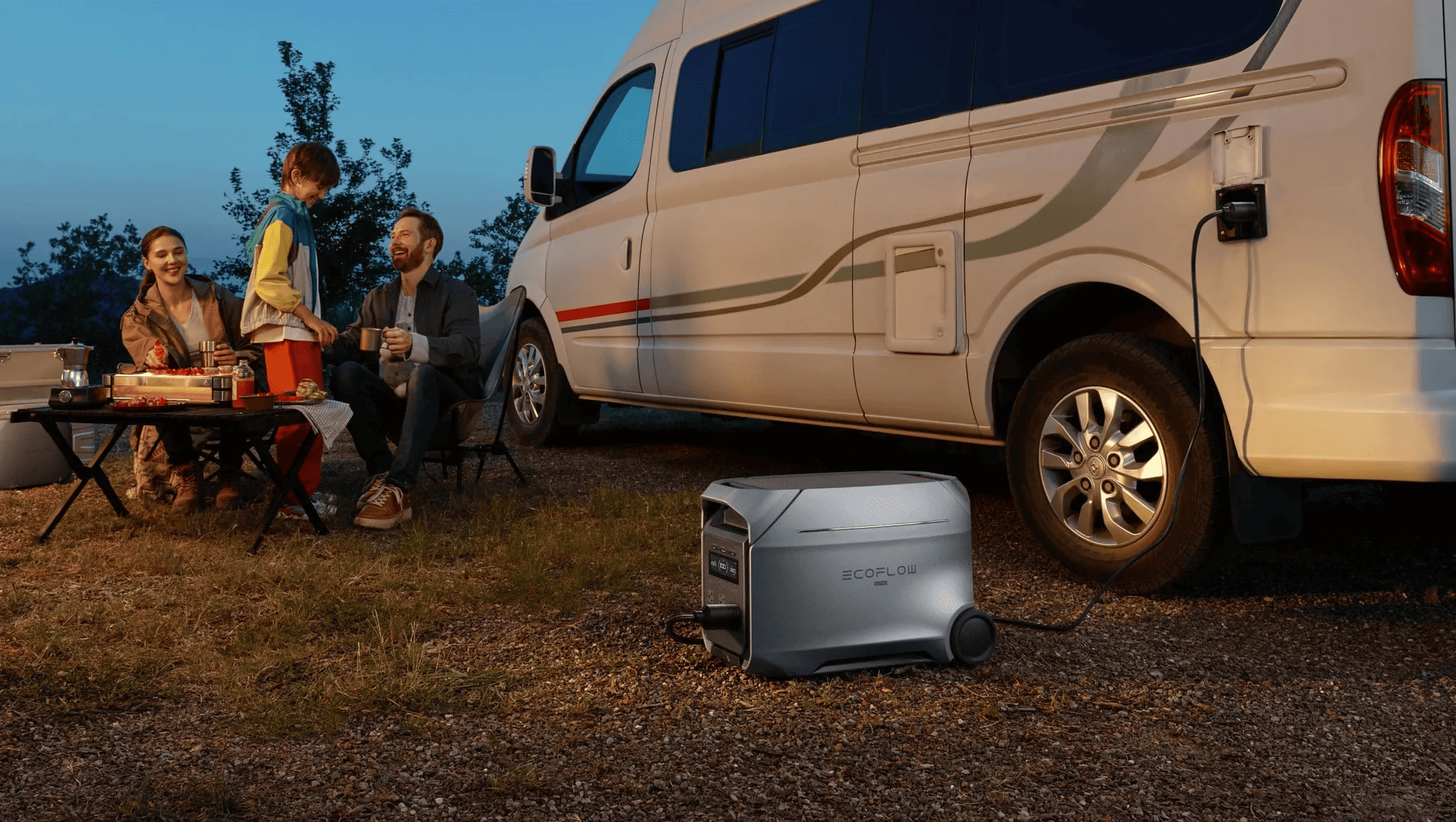
The EcoFlow DELTA 3 Ultra +2×220W Solar Panel bundle is a great starting point for most van lifers, combining a quality LiFePO4 battery bank and solar panels.
For press requests or interview opportunities, reach out to our media team
media.na@ecoflow.com