Why Campers Are Ditching Gas Generators for Solar in 2026
- Gas Generators vs Solar Power for Camping: What’s Changed in 2026
- The Biggest Reasons Campers Are Switching to Solar Instead of Gas
- How Portable Solar Generator Systems Work (Without the Tech Headache)
- When Solar Beats Gas at the Campsite and When It Doesn’t
- How to Choose the Right Solar Setup for Your Camper or RV
- Frequently Asked Questions
- Quiet, Clean Power That Fits More Trips and More Campsites
Solar power is rapidly revolutionizing the camping experience for committed RVers, camper enthusiasts, and off-gridders. It has plenty of advantages over gas, not least of which is that it's free, so it can cut your travel costs.
Gas Generators vs Solar Power for Camping: What’s Changed in 2026
The silent revolution of solar power is nothing new in the home; more people are switching to clean energy for their domestic needs and transport.
Now, as portable solar power becomes more capable and efficient, it’s easy to take stored power and independent charging with you on a camping trip, ditching that noisy fuel generator.
However, that’s just one of many good reasons to switch.
The Biggest Reasons Campers Are Switching to Solar Instead of Gas
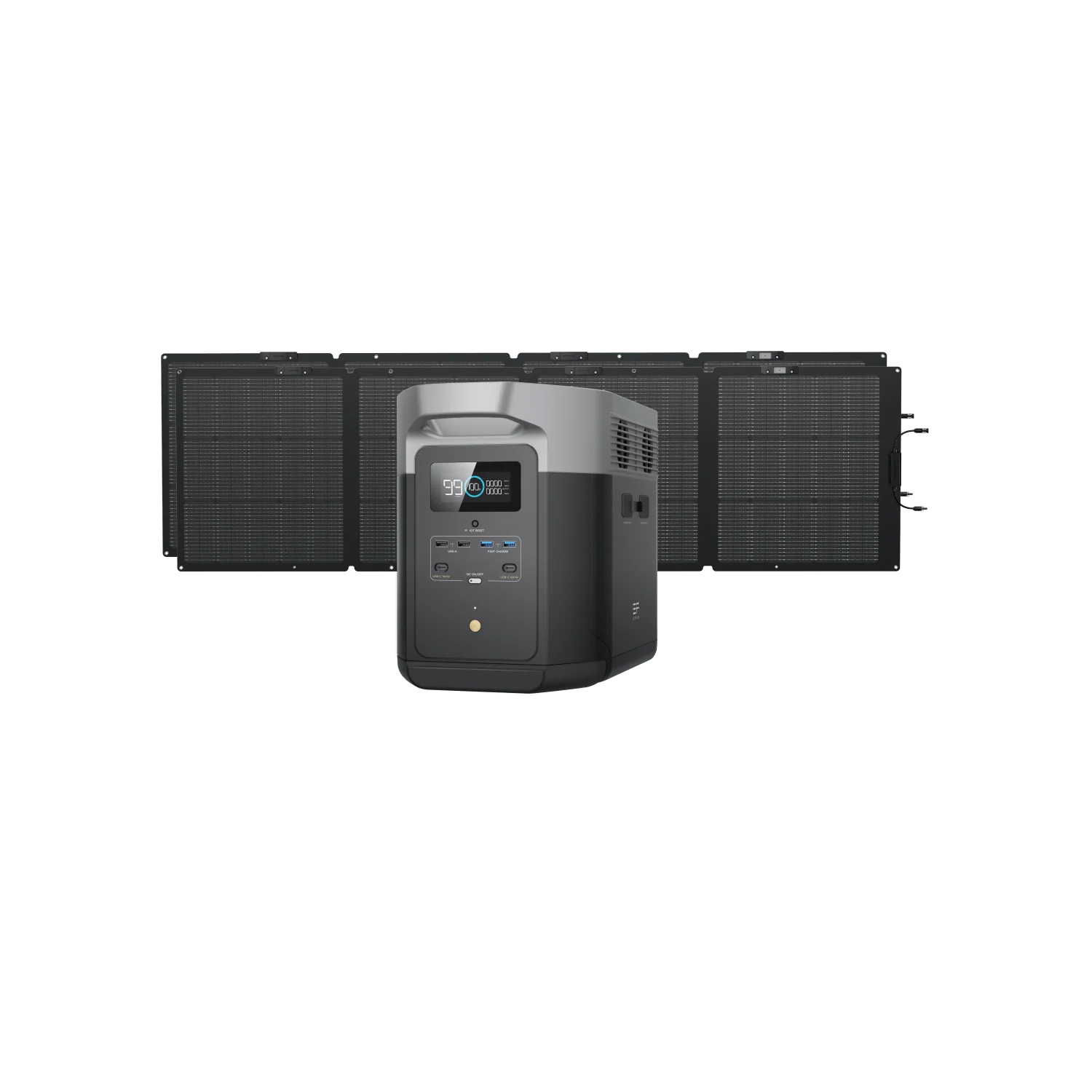
Choosing solar for camping has so many advantages, and modern solar generators make the switch more practical than ever. Options like the EcoFlow DELTA 2 Max Solar Generator + 200W Solar Panel give you a capable, all-in-one setup that handles everything from a weekend trip to an extended off-grid stay.
Aside from the fact that it’s clean power, it's much quieter than gas options, ideal for that remote camp spot where you want to enjoy the serenity and the wildlife.
There are also fewer fumes, like no carbon monoxide, so it’s much safer and allows access to sites where there are environmental restrictions on fuel generators.
The generators are easy to set up, and it’s cheaper too. Remote sites become accessible with rechargeable panels, removing the need to carry fuel.
How Portable Solar Generator Systems Work (Without the Tech Headache)
If you’ve only ever stayed at powered parks and sites, then going off-grid may seem intimidating, but it really doesn’t have to be.
A solar generator is a portable power station, essentially a large battery, which provides clean energy obtained from the grid or via solar panels and stored ready for use.
These generators can plug into the wall socket at home for a full charge prior to your trip. Once you’re at the campsite, connect your portable panels to top it up using captured sunlight. It’s helpful to read up on how to use solar panels for camping before you head out.
The right generator for your trip depends on how much power you need.
The EcoFlow DELTA 2 Max Solar Generator + 200W Solar Panel is well-suited to shorter trips. It runs a fridge, lights, laptops, and device charging without the bulk of a larger system.
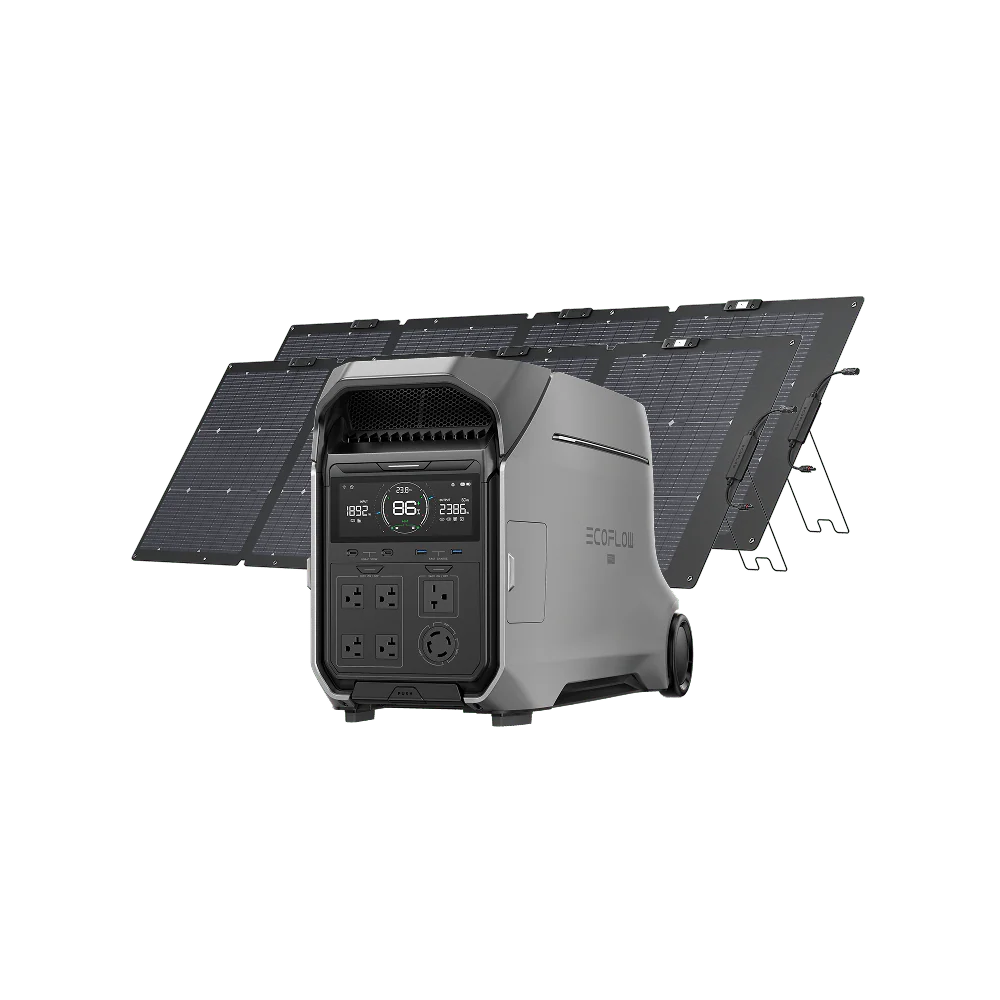
For longer adventures or higher power demands, the EcoFlow DELTA Pro 3 Solar Generator + 2×220W Solar Panel offers greater capacity and faster recharge options, including the ability to top up at an EV charging station, which is useful when sunlight isn’t guaranteed.
Both units provide a full range of AC and DC ports for different devices and appliances. An inverter inside converts the DC electricity stored in the battery into standard AC power — the same as your wall socket at home — so you can run everyday appliances without any adapters.
When Solar Beats Gas at the Campsite and When It Doesn’t
Solar is quiet (campsite rules), free, and largely available — it’s a great choice for a couple of days camping, and if you only need to charge devices and run small appliances like fridges, CPAPS, laptops, and lights.
However, gas can have the edge if you’re camping for several days with no access to another power source, and you need to run high-draw or AC appliances.
If you’re in a cloudy or wet location, it’ll also be harder to recharge a solar generator using portable panels to create enough power.
How to Choose the Right Solar Setup for Your Camper or RV
RV solar sizing is about creating the right size system for your camper or RV. Too small, and you’ll end up running out of power: too big, and you’ll waste money on gear you don’t need.
First, you’ll need to quick-size your watt-hours; this means doing a simple calculation to work out the total energy consumption of all the devices you want to use and then multiplying it by the total hours of use. This total helps you match your needs with the correct device that has the right total solar wattage and battery capacity.
Don’t forget to take into account your average trip duration and locations. You’ll need to factor in shady conditions and adverse weather, both of which will impact your ability to recharge a generator using portable panels.
Frequently Asked Questions
How Do I Replace a Gas Generator With a Solar Generator for Camping?
When you’ve had easy access to gas, the switch to solar can seem daunting. Use an online RV calculator to calculate your watt hours to source a generator with the right capacity and wattage. You can keep topping this up by using portable panels or by using the battery in your RV.
How Much Solar Power Do I Need to Run a 12V Fridge, Lights, and Device Charging?
Sizing solar power requirements is a key calculation before you set off on your road trip. You’ll need to add up the total daily energy consumption of your lights, fridge, and devices, essentially watts x number of usage hours. Knowing your watt-hours helps select a generator with the right solar wattage. You’ll also need to estimate peak sunlight hours. A solar calculator can help.
Can I Safely Use a Portable Power Station Inside an RV, Tent, or Truck Bed?
Portable power stations are safe to use in domestic and enclosed environments. Unlike gas alternatives, there are no fumes and hardly any noise, so it won’t disturb sleeping or any other campers nearby. Because of their clean and silent operation, you’ll have access to sites that restrict or prohibit gas generators.
How Long Do Lifepo4 Portable Power Stations Typically Last?
EcoFlow LiFePO4 portable power stations are rated for up to 3,000–4,000 charge cycles depending on the model, which translates to around a decade of regular use with proper care. Lifespan is affected by factors like extreme temperatures, charging habits, and load management. But follow the recommended maintenance guidelines, and you can expect long-term, reliable performance.
Quiet, Clean Power That Fits More Trips and More Campsites
Solar makes camping quieter, cleaner, and more flexible, and the right setup makes the switch straightforward.
Whether you're starting out with the EcoFlow DELTA 2 Max + 200W Solar Panel or stepping up to the EcoFlow DELTA Pro 3 + 2×220W Solar Panel for longer, more demanding trips, there’s a solar option that fits the way you camp.
For press requests or interview opportunities, reach out to our media team
media.na@ecoflow.com