What Is Unit Power? Understanding Household Power Consumption and Usage
Managing a modern home, whether it’s a single-family house in suburban Texas or a compact apartment in New York City, requires a basic grasp of how electricity is actually used behind the scenes. From the quiet, constant draw of a refrigerator that runs all day to the heavy demand of a central air conditioner during a peak summer heatwave, every appliance plays a role in shaping your monthly utility bill. Understanding unit power helps connect those everyday habits to real energy costs, making it easier to track consumption, estimate usage, and find practical ways to improve efficiency without changing how you live.
Overview of Unit Power
Before looking at individual appliances or calculating usage, it helps to understand the basic terms that appear on your electricity bill and on the labels attached to everyday devices around your home. Once these ideas are clear, the numbers start to make sense instead of feeling abstract or technical.
Definition of Unit Power
In simple terms, power describes how quickly electricity is being used or generated at any given moment. When people talk about “unit power,” they’re usually referring to this rate expressed in a standard measurement. That number printed on the back of a blender, coffee maker, or microwave, followed by a “W”, is its power rating, showing how much electricity the device draws while it’s running.
Difference Between Power and Energy
While the terms are often used interchangeably in everyday conversation, power and energy describe two different things:
Power (P): Refers to the immediate demand for electricity or the ability to do work at a specific moment. It indicates how much electricity a device needs while it’s operating and is measured in Watts (W) or Kilowatts (kW).
Energy (E): Describes the total amount of electricity used over time. This is the figure that appears on your utility bill and is measured in Watt-hours (Wh) or kilowatt-hours (kWh).
Easy comparison: Power is like the speed of a car (miles per hour), while energy is the total distance the car travels during the trip.
Common Power Units Used in Homes
Most American households encounter three main electricity units when looking at appliances or reviewing a utility bill:
Watt (W): Used to describe the power draw of small electronics and lighting, such as a 10-watt LED bulb or a phone charger.
Kilowatt (kW): Equal to 1,000 Watts, this unit is typically used for larger appliances and systems like microwaves, ovens, or air conditioners.
Kilowatt hour (kWh): Measures total electricity consumption over time and is the unit your utility company uses to calculate and bill your monthly energy usage.
Typical Household Appliances and Their Unit Power
Every room in your home has its own energy profile, shaped by how often certain devices are used and how much power they draw while operating. Understanding which appliances consume the most electricity makes it easier to manage your overall load and avoid surprises on your utility bill.
Kitchen Appliances
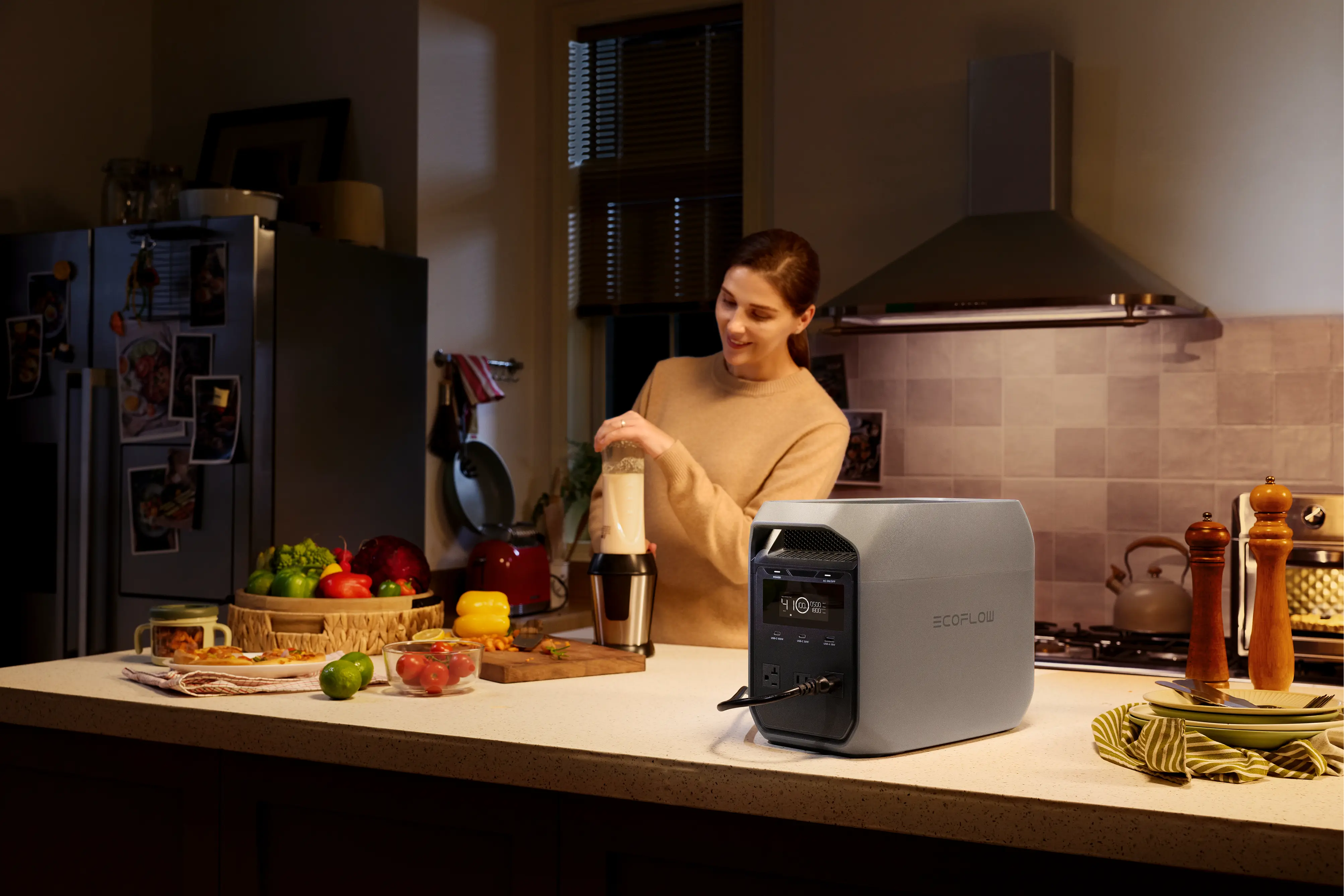
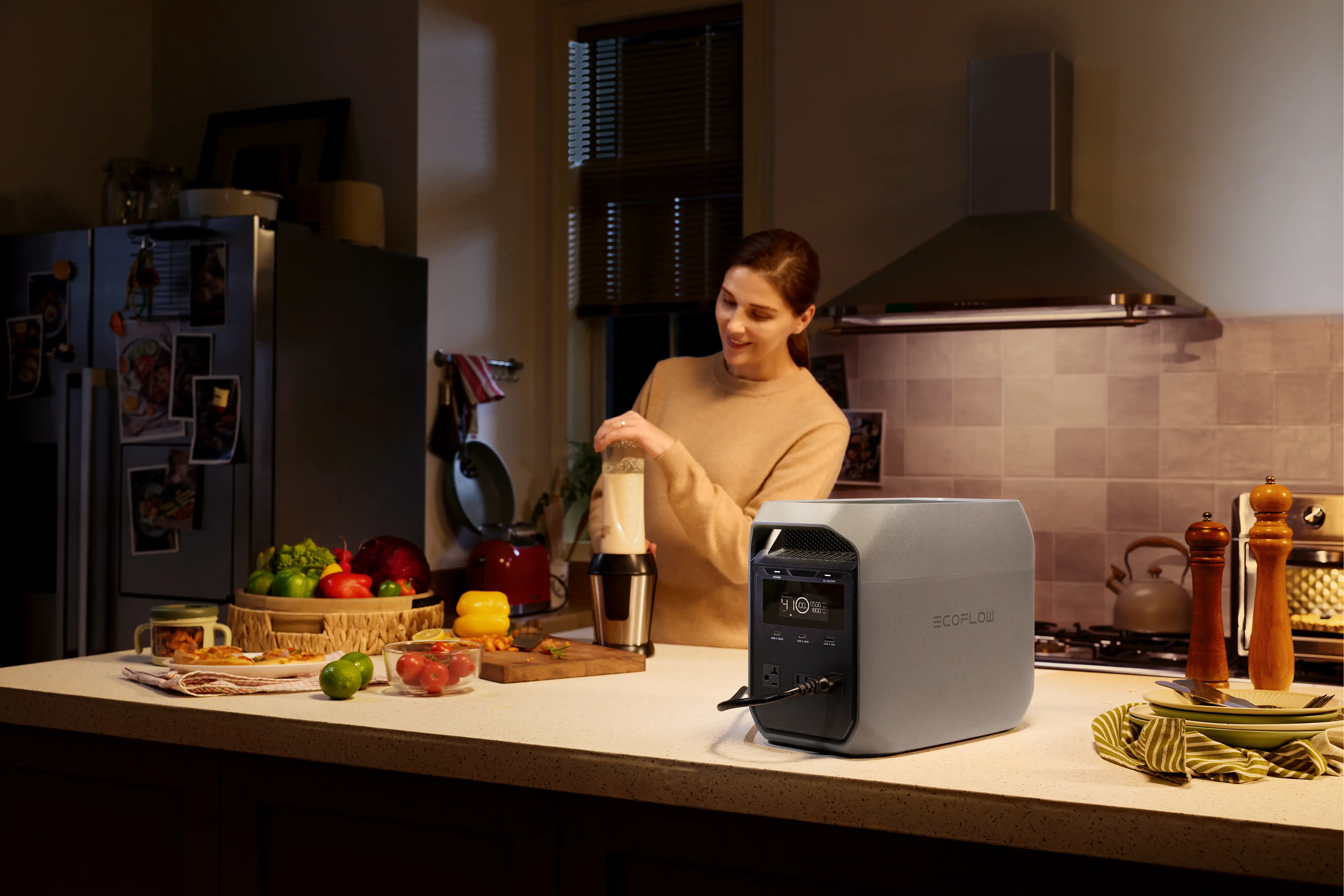
The kitchen is often the most power-hungry area in a home. A standard dishwasher typically uses between 1,200 and 1,500 Watts during a cycle, while microwaves commonly range from 600 to 1,200 Watts, depending on size and output. Even small appliances can be demanding; something as simple as a toaster can briefly pull around 1,000 Watts when heating.
Heating and Cooling Systems
Heating and cooling account for the largest share of electricity use in many US homes. A central air conditioning system can draw anywhere from 3,000 to 5,000 Watts while running. In colder regions, electric space heaters are also common and usually operate at a steady 1,500 Watts when in use.
Electronics and Daily Devices
Home offices and entertainment areas generally rely on lower-wattage devices, but these tend to stay powered on for longer periods. A typical laptop uses roughly 50 to 100 Watts, while a large 4K television may consume between 150 and 200 Watts during regular viewing.
High-Power Appliances You Should Watch Out For
Some appliances place especially heavy demands on your electrical system. Electric clothes dryers often exceed 3,000 Watts, and electric water heaters can reach 4,500 Watts or more. Running several of these high-load appliances at the same time can strain your home’s circuits and may trip breakers if the electrical panel isn’t designed for high amperage.
How to Calculate Household Electricity Consumption
Figuring out how much electricity your home actually uses isn’t just a math exercise; it’s one of the most practical ways to anticipate your next utility bill and avoid that end-of-month sticker shock. Once you understand the basics, the numbers on your bill start to feel a lot more predictable.
Understand the Basic Electricity Consumption Formula
At its core, electricity usage comes down to a simple relationship between power and time. This tells you how much energy an appliance uses based on how powerful it is and how long it runs. The formula looks like this:
Energy (Wh) = Power (W) × Time (hours)
Convert Unit Power from Watts to Kilowatts
Because utility companies bill in kilowatt hours (kWh), you’ll need to convert Watts to kilowatts. This is done by dividing by 1,000. For example, a 1,500-watt hair dryer becomes 1.5 kilowatts when converted.
Estimate Daily Usage Time for Each Appliance
The key here is realism. Some devices run briefly, while others stay on for hours. A coffee maker may only operate for about 10 minutes a day (roughly 0.16 hours), while a ceiling fan or router could run for most of the day without you noticing.


Calculate Daily and Monthly Electricity Consumption
Once you have power and time, the math is straightforward. If a TV uses 0.5 kW and runs for 4 hours a day, that equals:
0.5 kW × 4 hours = 2 kWh per day
Over a 30-day month, that adds up to:
2 kWh × 30 days = 60 kWh per month
Add Up Total Household Electricity Usage
By repeating this process for your major appliances, you can estimate your household’s total monthly electricity use. Multiply that number by your local utility rate, such as $0.16 per kWh, to get a close estimate of what your next bill will look like before it even arrives.
Unit Power and Home Energy Planning
Understanding your home’s power needs is the starting point for building a realistic and resilient energy plan. This is especially important in parts of the country where extreme weather, aging infrastructure, or seasonal demand can put stress on the grid. When you know how much power your home actually requires, planning becomes practical instead of reactive.
Choosing the Right Appliances Based on Power Ratings
When shopping for new appliances, power ratings matter just as much as features. Appliances with the Energy Star label are designed to deliver the same performance while using less electricity, which can translate into meaningful savings over time. Choosing a lower wattage model for something you use every day, like a refrigerator or washing machine, can easily save hundreds of dollars over the life of the appliance.
Power Limits of Household Circuits
Most American homes rely on 15-amp or 20-amp circuits for standard outlets. When several high-wattage appliances are plugged into the same circuit, it’s easy to exceed those limits and trip a breaker. Knowing the unit power of your devices helps you spread loads more evenly and avoid overloads, especially in kitchens, garages, or home offices where demand is higher. This awareness is also important when integrating supplemental power sources, such as a power station, into your household electrical setup.
Planning Backup Power and Emergency Usage
When thinking about backup power, it’s important to look beyond basic lighting. A reliable emergency setup needs to support high-demand essentials such as refrigerators, HVAC systems, medical devices, or home networking equipment, especially during extended outages caused by storms or grid failures. Knowing your household’s unit power requirements helps ensure your backup solution can handle real-world loads without constant juggling or shutdowns.
For homes that need serious output and flexibility, the EcoFlow DELTA Pro Portable Power Station is designed to cover those demands. With a 3.6 kW continuous output and expandable battery capacity, it can run key appliances like refrigerators and small heating or cooling systems during a blackout. Its app-based monitoring also allows you to track usage and manage loads in real time, making it useful not only for emergencies but also for everyday energy planning.
For homeowners or renters looking for a more compact option, the EcoFlow DELTA 3 Classic Portable Power Station offers dependable backup without the commitment of a full home system. Built with long-lasting LFP battery cells and a smart battery management system, it provides quiet, safe operation and is well-suited for indoor backup, RV travel, camping, or general emergency preparedness. Its portable design makes it easy to deploy power exactly where and when it’s needed.
Practical Tips to Optimize Household Power Usage
Once you understand where electricity is actually being used in your home, reducing consumption becomes far less disruptive than most people expect. Optimizing energy use isn’t about giving up comfort or changing your lifestyle; it’s about moving from passive consumption to intentional habits that lower costs while keeping everything running smoothly.
1. Identify and Reduce High-Power Appliance Usage
Start with the biggest energy users, especially appliances that generate heat. Dishwashers, clothes washers, and dryers consume far more power than most people realize. Using built-in “Eco” or low temperature settings can noticeably reduce unit power draw by adjusting water temperature and cycle length. Since heating water accounts for the majority of a washing machine’s energy use, switching to cold-water laundry cycles is one of the simplest ways to cut kWh usage without sacrificing cleaning performance.
2. Avoid Peak-Hour Electricity Consumption
In many parts of the U.S., electricity isn’t billed at a flat rate. Utilities often charge more during peak hours, typically between 4 PM and 9 PM, when demand on the grid is highest. Shifting energy-heavy tasks like running the dishwasher, dryer, or charging large devices to early mornings or late evenings can help lower costs. In states with extreme temperatures, such as Texas or Arizona, pre-cooling or pre-heating your home during off-peak hours can also reduce the need to run high-wattage HVAC systems when electricity is most expensive.
3. Optimize Heating and Cooling Power Usage
Heating and cooling systems typically account for the largest share of household electricity use, which makes them the most impactful place to focus. Using a programmable or smart thermostat to adjust temperatures when you’re asleep or away can significantly reduce unnecessary runtime, and even a shift of 7 to 10 degrees for several hours a day can lower annual energy costs by up to 10%. Regular maintenance also matters; something as simple as replacing dirty air filters helps your HVAC system circulate air more efficiently, reducing strain and preventing it from drawing more power than necessary.
4. Use Smart Devices to Monitor and Control Power Consumption
Managing electricity becomes far easier when you can actually see how it’s being used. Smart plugs and monitoring devices provide real-time insight into how many Watts individual appliances are drawing, helping turn energy use from a guessing game into something measurable. They’re especially useful for spotting “vampire loads,” such as game consoles, office equipment, or older TVs that continue pulling power even when turned off. By identifying and cutting these hidden drains, you can reduce wasted energy and regain control over your home’s overall efficiency with minimal effort.
Conclusion
Understanding unit power goes beyond technical definitions; it gives you real control over how your home uses electricity every day. By knowing the difference between Watts and kilowatt hours, recognizing which appliances place the biggest demands on your system, and planning for usage more intentionally, you can improve both efficiency and safety. When paired with flexible home battery backup options like the EcoFlow DELTA series, this knowledge helps ensure your home stays reliable, efficient, and prepared for unexpected outages or changing energy needs.
FAQ
1. What Units Do You Use for Power?
The standard metric unit for power is the Watt (W), named after James Watt, the Scottish engineer whose work helped shape modern electricity. In everyday household use, power is usually described at a few different scales:
Watts (W): Used for individual devices and small electronics. For example, a typical LED light bulb uses around 9-12 Watts.
Kilowatts (kW): Equal to 1,000 Watts and commonly used for larger appliances. A central air conditioner, for instance, might be rated at 3.5 kW or 5 kW.
Megawatts (MW): Rarely seen in residential settings. One megawatt equals 1,000,000 Watts and is usually used to describe power plant output or the total demand of an entire neighborhood or small town.
2. How Many Watts Is 1 Unit of Power?
In utility billing, the term “one unit” is commonly used as shorthand for one kilowatt hour (kWh). This means that one unit equals 1,000 watt-hours of electricity used over time, regardless of how quickly or slowly that energy is consumed. To make this more tangible, running a 1,000-watt vacuum cleaner for one full hour uses exactly one unit of electricity. The same unit is also consumed by leaving a 100-watt light bulb on for 10 hours, or by operating a high-efficiency 10-watt LED bulb for 100 hours. Understanding this relationship makes it much easier to read your monthly energy bill and pinpoint which high-wattage appliances are contributing most to your overall electricity costs.
3. What Is a Watt-Hour?
A watt-hour (Wh) is a way of measuring electricity use over time. Instead of showing how much power a device draws at any single moment, it tells you the total amount of energy consumed or stored while that device is running.
This unit is especially important when looking at portable power stations. A model like the EcoFlow DELTA 3 Classic lists its capacity in Watt-hours, which helps you estimate runtime. For example, a 1,000 Wh battery can theoretically power a 100-watt laptop for about 10 hours, assuming ideal conditions.
On your electricity bill, the same concept applies at a larger scale. Every watt-hour used by appliances throughout your home is added up over the month, then converted into kilowatt-hours (kWh), which is the number your utility uses to calculate what you owe.
4. How Do I Calculate Power?
If an appliance doesn’t list its wattage but shows voltage and amperage instead, you can easily calculate its power draw using a simple formula:
Power (Watts) = Voltage (Volts) × Current (Amps)
In the United States, standard household outlets supply 120 volts. If you plug in a device that draws 10 amps, its power usage would be:
120 V × 10 A = 1,200 Watts
Knowing how to calculate power like this is more than a technical detail; it helps you understand what your circuits can safely handle. This awareness can prevent overloading common 15-amp or 20-amp circuits, reducing the risk of tripped breakers and avoiding potential electrical safety issues in your home.
5. What Is the Cheapest Time of Day to Use Electricity?
Electricity pricing often changes throughout the day based on overall demand. Many U.S. utilities, including providers like PG&E and Con Edison, use Time-of-Use (TOU) rates, meaning when you use power can matter just as much as how much you use. Understanding these pricing windows helps households minimize electricity bills with off-peak usage by shifting flexible activities away from high-demand hours.
Off-peak (cheapest): Usually late at night, around 11 PM to 7 AM, and sometimes midday when demand is lower or solar production is high.
Peak (most expensive): Typically 4 PM to 9 PM, when households are most active and air conditioning use spikes.
Partial peak: Mid-range pricing is often seen during morning or early afternoon hours.
Shifting energy-heavy activities, like laundry, dishwashers, or charging large devices, into off-peak windows can noticeably reduce your electricity bill without changing your overall usage.
For press requests or interview opportunities, reach out to our media team
media.na@ecoflow.com