Types of Panfish: A Beginner’s Guide & Powering Your Fishing Trips
- What Counts as a Panfish and Why They’re Perfect for Beginners
- Types of Panfish to Know First (and How to Tell Them Apart)
- Where Panfish Hold: Depth, Cover, and Seasonal Movement
- Simple Panfish Setup: Baits, Lures, Rods, and Beginner-Friendly Rigs
- Powering a Comfortable, Safer Full-Day Trip
- Frequently Asked Questions
- Longer Trips, Better Catches, More Confidence
Fly-fishing for panfish is a great entry into the exciting world of angling. They’re easy to catch, and you don’t need a vast amount of equipment or experience.
This guide will show you why panfish are perfect for beginners and the essential kit you need for a day of fishing. We'll also cover how the EcoFlow DELTA 3 Ultra Plus with 500W Solar Kit keeps you powered through a full day on the water.
What Counts as a Panfish and Why They’re Perfect for Beginners
Panfish are freshwater fish, typically found in slower-moving sections of rivers and creeks, which is where they feed.
Panfish is a generic phrase for fish that are no bigger than the size of a frying pan, so is easy to cook. They’re abundant and bite often, so they’re ideal for beginners or novice anglers.
Types of Panfish to Know First (and How to Tell Them Apart)
You’ll want to know what you’ve caught, so here are some essential details on the main types of panfish:
Bluegill: Small, not much more than 6 inches on average, with distinctive deep blue and purple on the face and a yellow/orange belly.
Crappie: Coloration varies according to diet and environment. Crappies are green/olive on top, shading down to silver, but with different patterns, either blotches or bars, depending on whether they’re black or white crappies.
Pumpkinseed: Easy to spot as it has a distinctive pumpkin seed shape and bold colors. This fish has green, yellow, orange, or blue coloration, sometimes speckled, and a bright red spot at the top of the ear flap, which makes identification super easy.
Perch: Has an elongated and compressed body with vertical stripes on the side and commonly orange or red-tipped fins.
Rock bass: Characterized by a dark green or brown body, red eyes, and a white or silver belly. Rock bass often have dark spots along their sides as camouflage.
Warmouth: Very distinctive with a large mouth that goes past its eye. There’s also a dark red or brown line running from the back of the eye. The body is olive or dark brown with a cream/yellow belly.
Where Panfish Hold: Depth, Cover, and Seasonal Movement
Understanding how panfish move seasonally helps anglers target the right locations to fish, with movements affected by environmental conditions and breeding patterns.
In spring, panfish are found in shallow areas where they spawn; this includes water at around 2–6 feet in depth with plenty of vegetation like shoreline weeds.
In hot weather, they retreat to cooler, deeper water, typically 8–15 feet.
Fall locations are often the same as spring breeding grounds.
In winter, panfish group together in deep water near the bottom where temperatures are more stable. Depths may be 15 feet or more.
Panfish often congregate near fishing docks. Docks provide shelter and are the perfect cover to ambush their prey. Crappies and bluegill are often found around docks.
Panfish also like drop-offs, areas where the water depth changes rapidly. Drop-offs are popular during spawning season as they provide food and shelter.
Simple Panfish Setup: Baits, Lures, Rods, and Beginner-Friendly Rigs
You can catch panfish with simple equipment — you just need some bait and a rod, and you’re good to go. However, as you gain experience, there are various other pieces of fly-fishing equipment you could buy.
Bait
For live bait, the best choice is worms, but you can use crickets or minnows. For worms, you’ll need to use a small hook.
The other option is a lure or artificial bait. Both work for panfish, so it’s down to personal preference.
Rods & Rigs
An ideal rod length is 6–8 feet (1.8m–2.4m), which will work from a boat, the shore, or a dock. Partner this with a line weight of 2–6lb (0.9–2.7kg). This rig is easy for a beginner to use.
Don’t forget you’ll also need a fishing license.
Powering a Comfortable, Safer Full-Day Trip
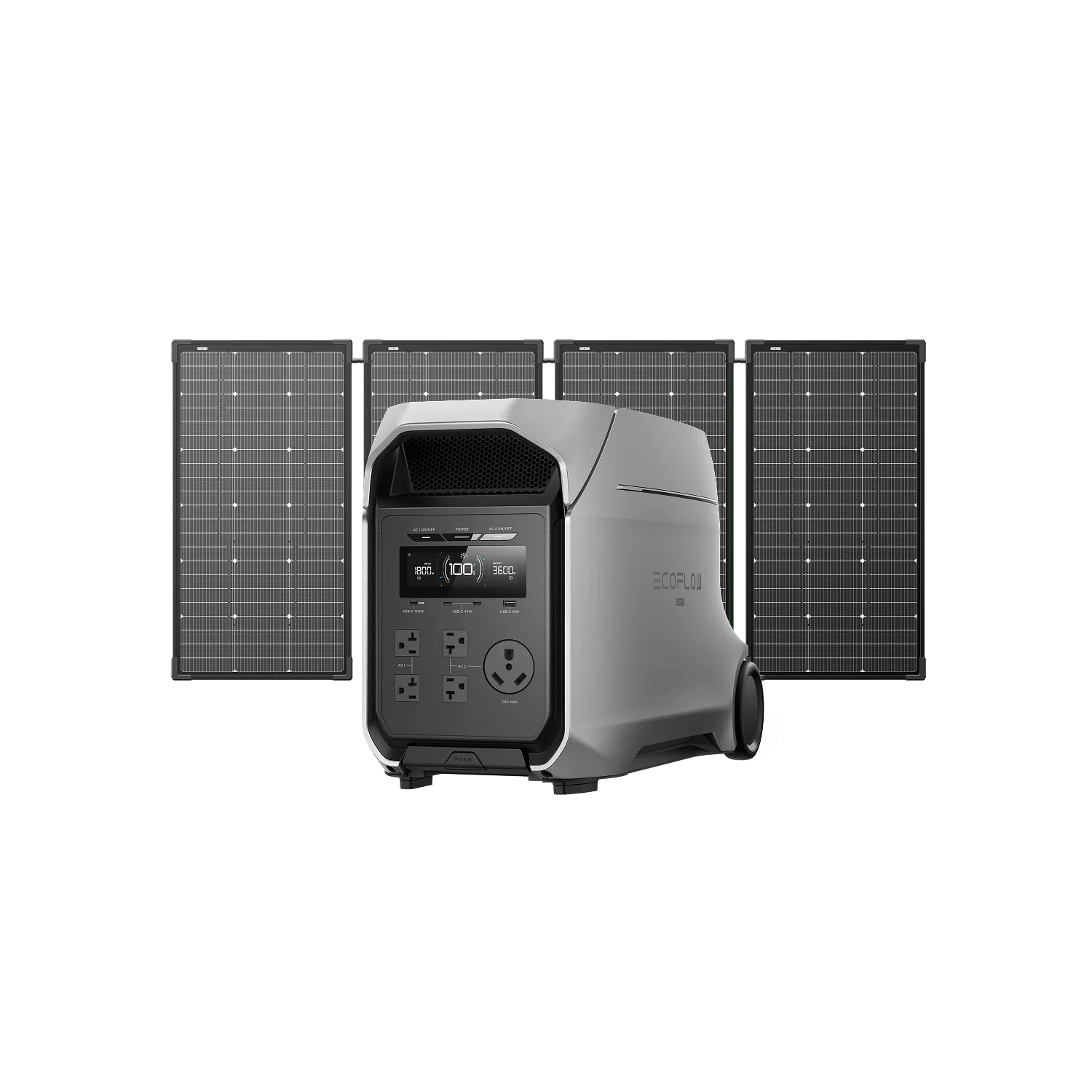
A solar generator like the EcoFlow DELTA 3 Ultra Plus with 500W Solar Kit provides the perfect portable power source, powering anything anywhere for long, safe, and comfortable fishing day trips.
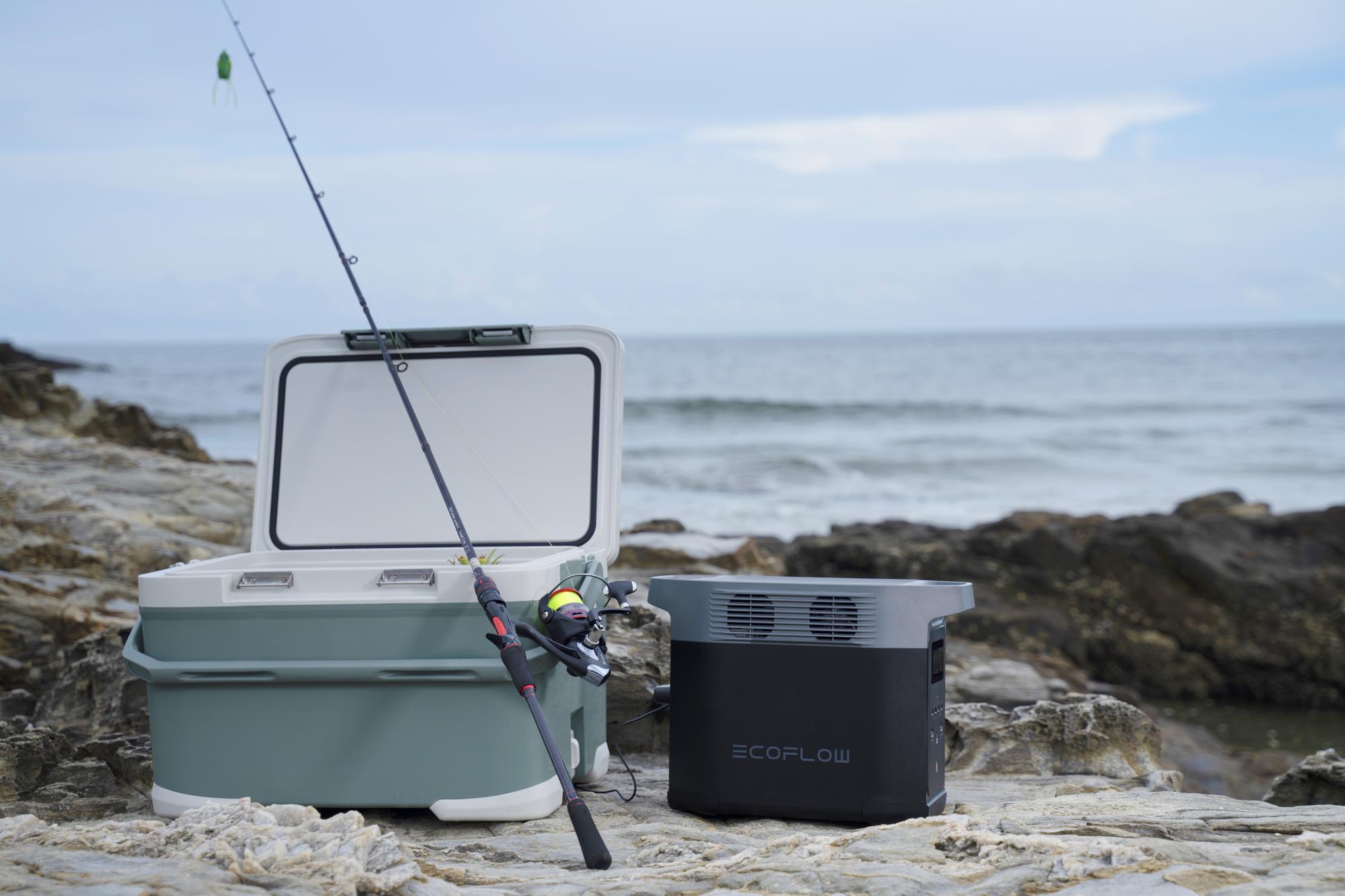
Keep your cell phones charged, set up lighting, power an aerator or bubbler to keep live bait healthy, and enjoy the benefits of a cooler to keep your catch fresh and your drinks chilled.
The solar panel means you can recharge all day and stay on power if your fishing day trip turns into night fishing.
Frequently Asked Questions
What Is the Easiest Panfish to Catch?
During spawning season, crappies and bluegills are abundant, they’re not shy, and are easily enticed by simple baits, perfect for a beginner or novice. It pays to spend a little time understanding the different species and the conditions they prefer season by season.
Do I Need a Fishing License?
In most states, adults (over 16) require a fishing license. There’s no separate license for fly fishing; it’s just one fishing license. You’ll need a license for each state, so if you’re on vacation and moving around, make sure you purchase a new license for each state. Also, check local regulations as they vary.
What Gear Is Best for Beginners and Kids?
You can buy fishing rod-and-reel combos for beginners and sets for kids. If you’re starting off, you don’t need loads of equipment. It’s best to start simple and then, as you progress, you’ll work out what you need and also what you prefer.
How Do I Keep Bait and Catch Fresh on a Long Trip?
Using a cooler can solve the problem of keeping bait and catch fresh on long days of fishing. Use insulated containers within the cooler or dry ice. If you don’t have a cooler, then aerated buckets are another option, as they allow air to circulate, which also minimizes odors.
Longer Trips, Better Catches, More Confidence
Portable power allows you to fish for longer, keeps your catch fresh, and provides the comfort of phones, safety equipment, and lighting when visibility is low.
Safe, portable power allows you to focus fully on the fishing, maximizing enjoyment, and protecting you with the ability to power safety devices and phones should conditions unexpectedly change.
Explore EcoFlow’s range of portable power solutions, perfect partners for day, night, and longer fishing trips.
For press requests or interview opportunities, reach out to our media team
media.na@ecoflow.com