Freshwater Fishing: Essential Gear and Tips for a Successful Day on the Water
There’s something about early mornings on the water that never really gets old. Light fog over the lake, barely any noise, just waiting for that first hit on the line. Whether you’re exploring quiet spots in the Ozarks or casting into a local Great Lakes tributary after work, freshwater fishing has a rhythm to it. Part patience, part adrenaline, sometimes nothing happens for an hour, and then suddenly everything does.
This guide walks you through what actually makes a difference out there. The fish worth targeting, the gear that saves you frustration, and how to keep your setup running when you’re off grid and far from any easy power source.
Understanding Freshwater Fishing in the U.S.
The U.S. is one of the best places to fish, no question. You’ve got everything from small mountain streams to huge reservoirs that feel more like inland seas. But before you start casting, it helps to know what you’re actually fishing for, and where those fish tend to hang out. That alone saves a lot of time (and frustration).
Popular Freshwater Fish Species
Before you even bait your hook, it’s worth knowing your target. Different fish behave differently, and once you understand that, things start to click.
Largemouth & Smallmouth Bass: These are the go-to for most anglers. Aggressive, strong, and fun to fight. You’ll find them almost everywhere, from Florida’s lily pads to rocky areas around places like Lake Erie. Reviewing a few bass fishing tips before your trip can help you understand their aggressive behavior and choose the right lures.
Trout (Rainbow, Brown, Brook): If you’re into rivers and cooler water, trout are the move. They’re more sensitive, a bit harder to fool, and usually require a quieter, more precise approach.
Catfish: Reliable and strong. They hang out in deeper, murky areas, river bends, lake bottoms and they’re perfect if you enjoy slower, more patient fishing.
Panfish (Bluegill, Crappie): Easy to catch, great for beginners, and honestly just fun. If you’re fishing with kids or just want steady action, these are hard to beat.
Choosing the Right Fishing Location
Location makes a bigger difference than most gear upgrades. In early spring, bass tend to move into shallow water, usually around 2 to 5 feet deep, especially near sunlit shorelines in the afternoon. That’s where things start warming up first. For those using electronics to scout spots, a portable power station ensures your fish finders and tablets stay operational throughout the day. Lakes give you space to explore, especially if you’ve got a boat. Rivers are different, moving water brings oxygen, which attracts active fish, especially predators. And then there are local ponds. Easy to overlook, but sometimes they’re the best option for a quick session. Season matters too. Once water temperatures climb above about 77℉, many fish move deeper to stay cool. You’ll notice it, suddenly the shallow bite slows down, and you have to adjust.
Must-Have Freshwater Fishing Gear
You don’t need to empty your wallet at the tackle shop. But having the right basics, rod, reel, and line, makes a bigger difference than people think. It’s usually the gap between enjoying the day, and getting frustrated after a few bad casts.
Fishing Rods and Reels
For most people, a spinning setup is the easiest place to start. A medium-action rod paired with a spinning reel covers a lot of situations and doesn’t take long to get used to. Once you get more comfortable, you might switch things up. If you’re pulling bass out of thick weeds or heavy cover, a baitcasting setup gives you more control and power, but it takes a bit more practice.
Lines, Hooks, and Terminal Tackle
This is where small details start to matter. A common mistake is sticking with a basic “10lb test” for everything. It works, but it’s not always ideal. Matching your line to the conditions makes a noticeable difference.
Line Selection: In clear water, lighter fluorocarbon (around 6-8lb) stays nearly invisible and sinks quickly. In heavy vegetation, a braided line (30-50lb) gives you the strength to pull fish out without losing them.
Tungsten vs. Lead: Tungsten weights cost a bit more, but you feel everything, mud, rocks, subtle bites. Once you use them, it’s hard to go back.
Hooks: Keeping a few 1/0 to 3/0 offset EWG hooks on hand covers most soft plastic setups. Simple, reliable, and hard to mess up.
Baits and Lures
Live bait works, no surprise there. Worms and minnows catch fish almost anywhere. But artificial lures let you move faster and cover more water. Soft plastics, crankbaits, spinners, each one gives you a different way to trigger a strike. A good rule is to match what fish are already feeding on. If your lure looks like the local baitfish, your chances go up without much extra effort.
Accessories for Comfort and Safety
Some things don’t seem important until you forget them. Polarized sunglasses are one of those. They cut the glare and actually let you see into the water, which helps more than you’d expect. A pair of pliers, a basic multi-tool, and somewhere comfortable to sit can turn a long day from tiring to enjoyable. For those planning multi-day trips, bringing a solar generator ensures a quiet, reliable way to keep your small electronics and cooling fans running without any engine noise. Small items but you notice them.
Essential Tips for a Successful Day on the Water
Catching fish isn’t really about luck, at least not most of the time. It’s more about paying attention. The water, the temperature, the way fish move, once you start noticing those patterns, things change.
Reading the Water and Fish Behavior
Finding structure is a good start, but it’s only part of it. What really helps is understanding how fish move throughout the day and across seasons.
Spring (Spawn): As the water warms up, fish move into shallow areas, usually 2 to 5 feet deep, looking for calmer, protected spots to build nests. If you’re still fishing deep, you’re probably missing them.
Summer (Post-Spawn): Once temperatures push past about 77℉, bass tend to slow down. They move deeper or look for cooler, oxygen-rich areas. That’s where you want to focus.
River Strategy (Eddies): In moving water, casting right at the fish usually doesn’t work. A better approach is to aim slightly upstream and let your lure drift naturally into slower water. It mimics real movement, and fish are more likely to commit.
Casting and Retrieval Techniques
Accuracy matters more than people expect. When you’re fishing around docks, rocks, or fallen trees, being off by even a foot or two can mean no bite at all. Most strikes happen right after the lure lands, especially if it drops quietly near the structure. If you’re practicing, try aiming at a small target (something like a bucket). It sounds simple, but it builds the kind of precision you actually need on the water. Once your lure is in, don’t stick to one speed. Sometimes a steady retrieve works, but often a simple stop-and-go triggers more strikes.
Timing and Catch Practices
Timing makes a difference, sometimes more than gear. Early morning and late evening, the “golden hours,” are usually the most productive. Fish move into shallower water and feed more actively during those times. And when you land one, handling it properly matters. Keeping the fish in the water as much as possible and using wet hands helps protect it before release. Small habit, but it keeps the fish healthy for the next trip.
Planning and Preparing for a Full-Day Fishing Trip
A full day on the water sounds relaxing, and it is, but only if you’re prepared. Otherwise, small things start adding up. Dead phone, no snacks, gear acting up, it takes the focus away from fishing pretty quickly. Getting a few basics right upfront makes the whole day easier.
Powering Your Adventure: Why You Need Portable Power
Out on the water, power becomes one of those things you don’t think about, until you need it. Between running a fish finder, keeping your phone alive for photos (or navigation), and maybe even using a small cooler or fridge, everything depends on having a reliable source behind it.
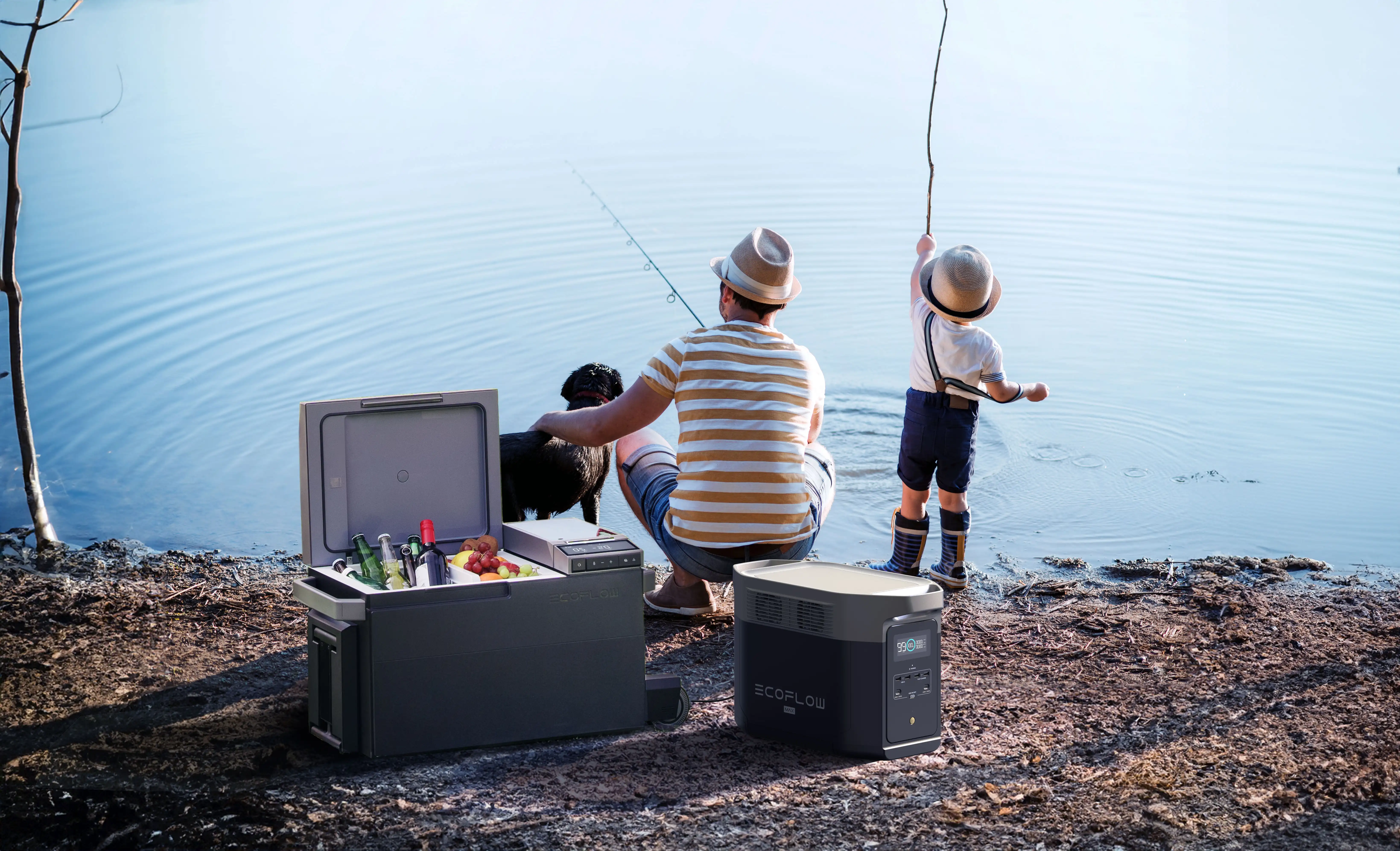
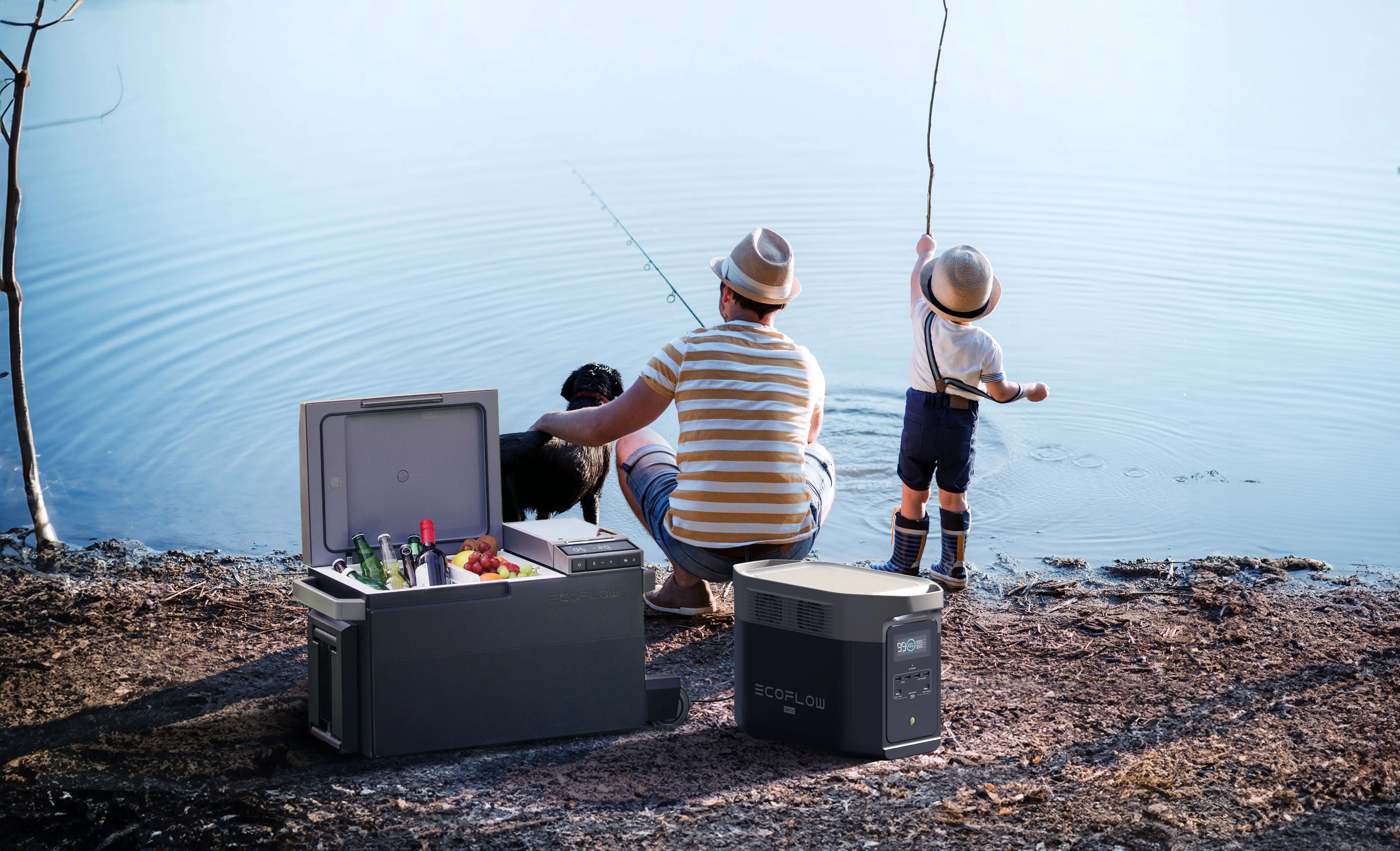
For longer or more demanding trips, something like the EcoFlow DELTA 2 Max Portable Power Station makes a big difference. With 2048Wh capacity, it handles multiple devices at once without you having to constantly manage what’s plugged in. You just use your gear normally, no second guessing.
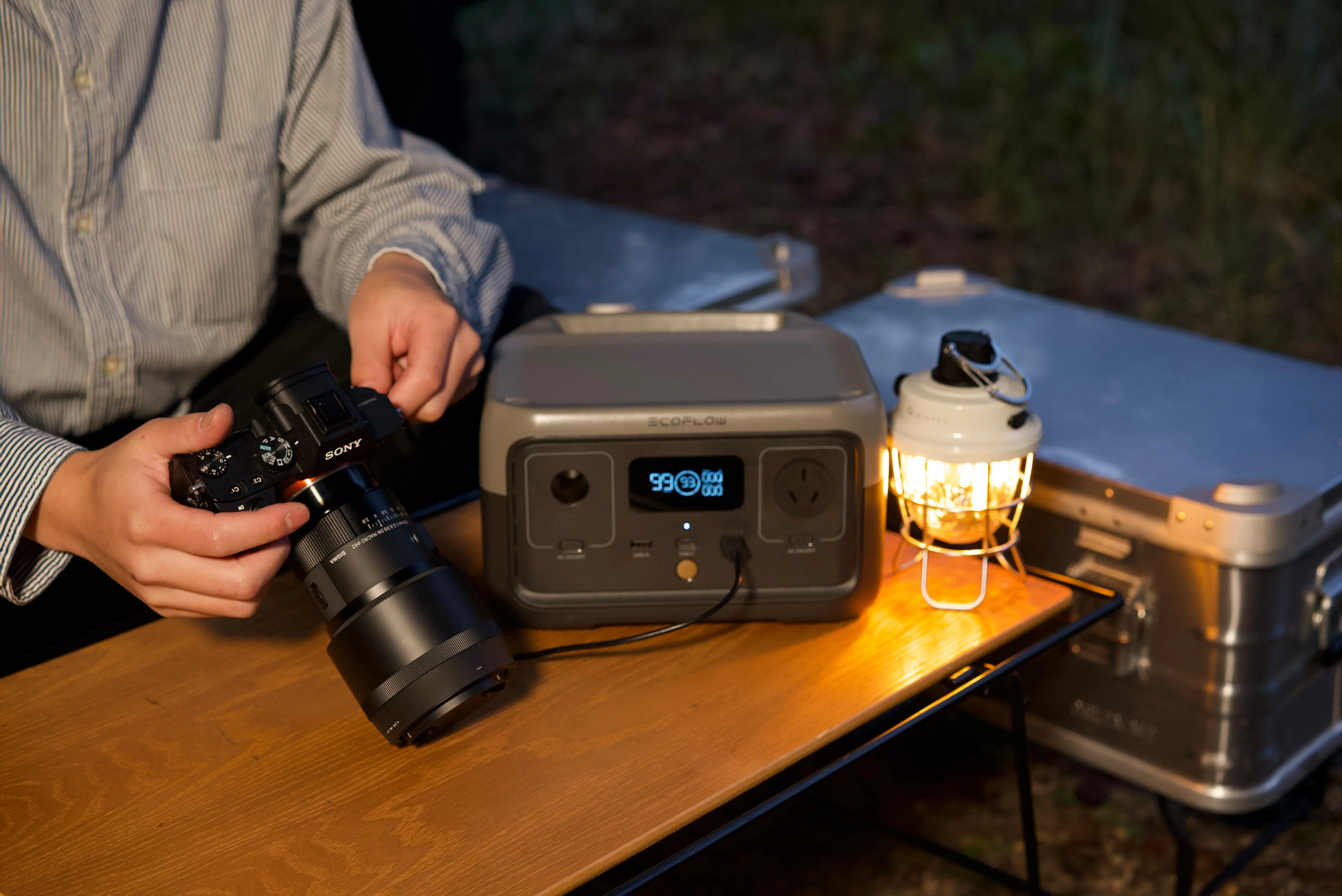
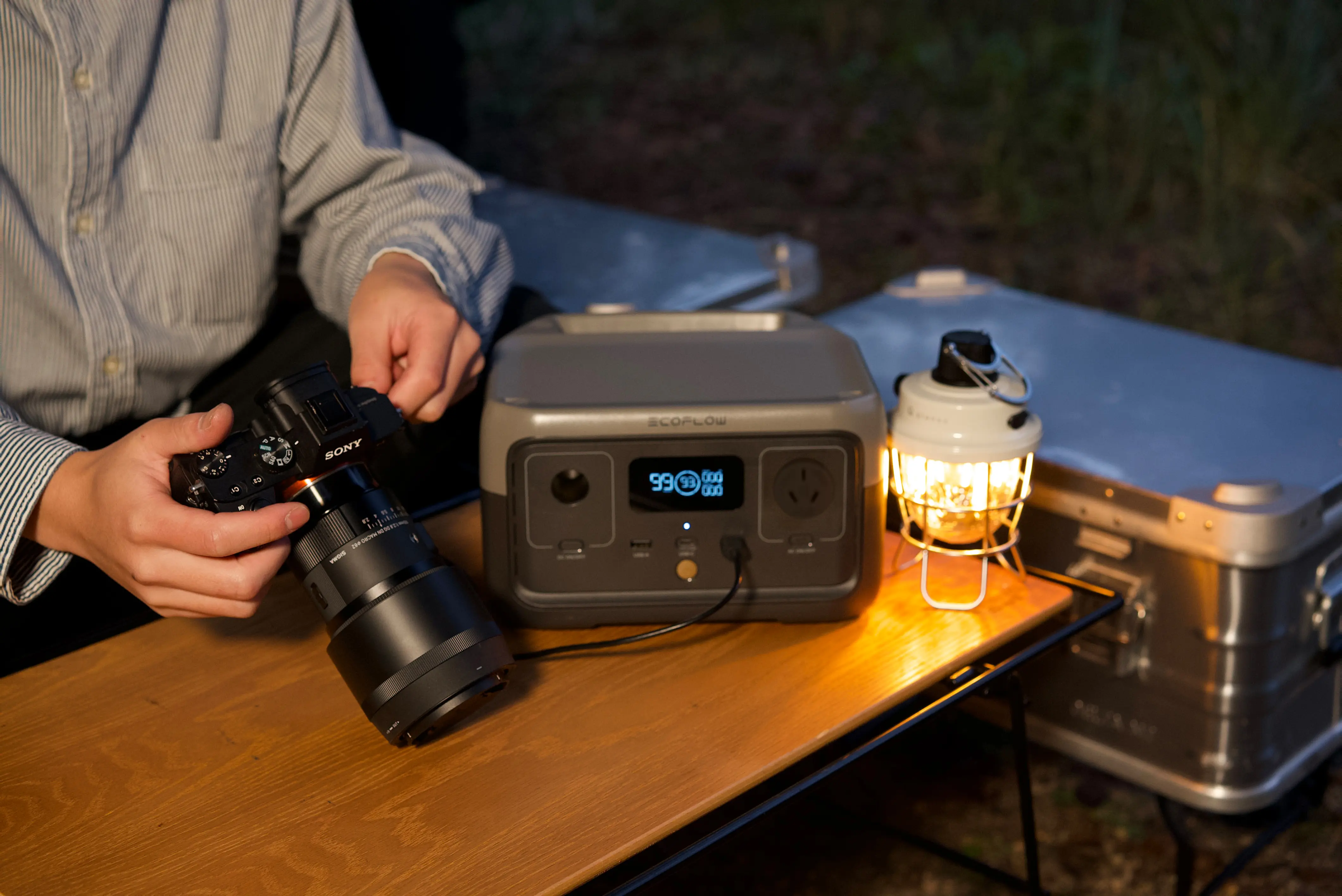
If you’re traveling lighter or just heading out for a shorter trip, the EcoFlow RIVER 2 Portable Power Station is easier to carry and still covers the essentials. It fits in a backpack, charges quickly, and works well for lights, phones, and smaller electronics. Plus, with solar charging, you can top it up during the day without much effort.
Packing Essentials and Navigation
A few simple things make a long day much more comfortable:
Hydration & Snacks: Bring more water than you think you’ll need. Seriously. Add some easy snacks like jerky or trail mix so you’re not cutting the trip short.
Safety First: If you’re on a boat, a U.S. Coast Guard-approved life jacket isn’t optional. A small first aid kit is also worth having, hooks and fingers don’t always get along.
Basic Maintenance: After the trip, take a minute to rinse your gear and check your line. It’s quick, but it helps avoid that frustrating moment when something fails on your next cast.
Conclusion
Freshwater fishing is one of those things that’s simple on the surface, but the more you do it, the more you appreciate the details. The spot you pick, the gear you bring, even how prepared you are going into the day. It all adds up. Having a reliable setup including a solid power source like an EcoFlow portable power station, just makes everything easier. You’re not worrying about your gear dying halfway through the day or cutting your trip short. At that point, it’s really just about being out there. Finding a good spot, making a few clean casts, and seeing what happens.
FAQs
1. What is the easiest freshwater fish to catch for beginners?
Panfish, especially Bluegill and Crappie, are usually the easiest to start with. They’re everywhere, not too picky, and they bite often. Learning how to catch crappies in advance helps you master the simple setup of a small hook and bobber needed to get going. It’s the kind of fishing where you actually see results quickly, which helps a lot when you’re just starting out.
2. Do I need a fishing license in all states?
In most cases, yes. Almost every state requires a fishing license once you’re over a certain age (usually around 16). The process is pretty simple now. You can buy a short term pass, like a 7-day license online through the state’s Department of Natural Resources. And the fees usually go back into conservation and fish stocking, so it supports the system.
3. How can I prevent my line from tangling?
A lot of tangles come down to small mistakes. Overfilling your reel is a big one. Keeping slight tension on the line while reeling helps too. And if your lure is spinning constantly during retrieval, it can twist your line without you noticing. Adding a small swivel between your line and lure can fix that quickly.
4. What’s the difference between spinning and baitcasting reels?
Spinning reels are easier to use and better for lighter lures. They’re a good starting point if you want something simple and versatile. Baitcasting reels take more practice but give you more power and control, especially when you’re fishing in heavy cover. Think of spinning as the easier option, and baitcasting as something you grow into over time.
5. Can I eat the fish I catch?
Yes, in many places you can, but you always want to check local consumption advisories first. Some waters have limits due to mercury or other contaminants. Fish like Walleye or Crappie are popular for eating, while species like Bass are often released to keep populations healthy.
6. How should you store your catch during a long day?
Keeping fish fresh matters, especially on longer trips. A basic method is using a stringer in the water. For better results, a cooler with ice works well. If you want to step it up, running a small 12V portable fridge with a power station keeps everything at a stable temperature, no melting ice, no mess.
7. What is the best time of day to go freshwater fishing?
Early morning and late evening, often called the “golden hours” are usually the best times. Fish are more active when the light is lower and the water is cooler. You can still catch fish in the middle of the day, but it usually takes more effort and deeper casting.
For press requests or interview opportunities, reach out to our media team
media.na@ecoflow.com