Tornado Season 2026: When It Peaks, Where It Hits Hardest, and How to Prepare Your Home
- When is Tornado Season in the United States?
- Where Do Tornadoes Hit Most Frequently in the US?
- What Makes a Tornado So Destructive?
- How Should You Prepare Your Home Before Tornado Season?
- How Does Backup Power Help During and After a Tornado?
- Frequently Asked Questions
- Be Ready, Stay Safe, and Keep Power During Tornado Season
A tornado is a devastating force of nature that wreaks havoc wherever it touches the ground. Across many areas of the United States, these unpredictable natural disasters can flatten entire neighborhoods and destroy local power grids in a matter of seconds.
This guide covers everything you need to know about tornado season in 2026 and how to prepare your home to deal with extended blackouts.
When is Tornado Season in the United States?
Tornadoes can occur any time of the year, as long as the atmospheric conditions are right. However, the United States has an annual period during which tornado activity surges, and it's the time of year to make sure your home, family, and backup power are ready.
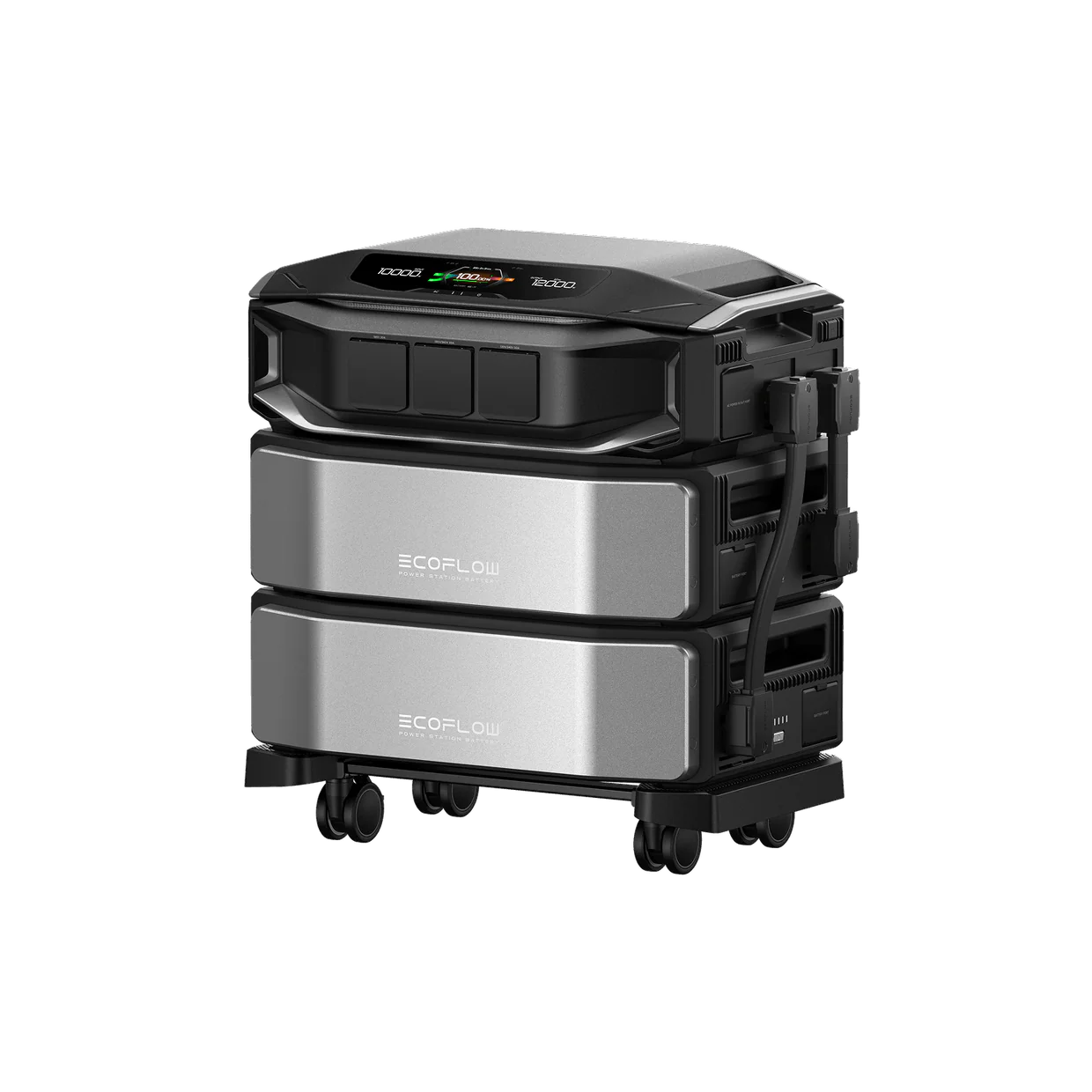
A whole-home system like the EcoFlow DELTA Pro Ultra X is worth having set up and charged before peak season arrives, so you're not scrambling when a storm watch is issued.
The season lasts from early spring through mid-summer, driven by climatological shifts. As cool, dry air moves from Canada and collides with warm, humid air pushing northward, it creates the atmospheric instability that tornadoes thrive in.
The risk area shifts over the year. During winter and early spring, the risk is more concentrated along the Gulf Coast and Southeastern states. From April through June, it moves into the Central Plains and the Midwest.
By late summer, northern states are vulnerable. After this, atmospheric conditions stabilize into autumn, and the season ends for another year.
Where Do Tornadoes Hit Most Frequently in the US?
According to data from the National Oceanic and Atmospheric Administration, there are an average of 1,200 tornadoes every year in the United States, which is more than anywhere else on Earth.
Tornado Alley is the place they hit most frequently. This is located in the center of the country and spans Oklahoma, Texas, Nebraska, and Kansas, where the flat terrain creates a corridor for huge storms to develop.
But it’s not the only area where tornadoes pose a threat. Dixie Alley, in the Southeastern United States, covers parts of Alabama, Mississippi, Georgia, and Tennessee, and it’s seeing an increase in violent tornadoes. Tornadoes can also occur in other states like Kentucky, so they’re not limited to these areas.
What Makes a Tornado So Destructive?
There is nothing quite as destructive as a tornado. The extreme wind speed and rapid pressure drops localized in a tight column of air are truly devastating.
The intensity is measured using the Enhanced Fujita scale, which rates twisters from EF0 to EF5 based on the structural damage they cause. EF0 might generate winds between 65 and 85 mph, while EF5 could exceed 200 mph.
Winds of this speed go way beyond simply damaging structures. They rip roofs right off houses, collapse load-bearing walls, uproot trees, and turn everyday objects into missiles.
In addition to the wind speeds, other weather threats often accompany tornadoes, from large hail to flash flooding, all of which make them so destructive.
How Should You Prepare Your Home Before Tornado Season?
If you’re living in an area affected by tornadoes, you’ll need to prepare in advance to reduce the inevitable disruption. Don’t wait to see the signs of a tornado or receive an alert to start preparing.
Start by fortifying your property before you receive a severe weather alert to minimize structural loss. Reinforce your home’s structure and especially the roof. Inspect it and make sure the shingles are secure. You could install hurricane clips or tornado ties to anchor the rafters to your wall frames.
Pay close attention to reinforcing garage doors, which are vulnerable to high winds. When a garage door fails, the sudden influx of air creates internal pressure and can blow the roof right off.
Designate a safe room where you and your family can go when a tornado hits. This should be an interior room without any windows on the lowest floor possible, ideally the basement or storm cellar.
Stock your safe room with an emergency radio kit, first-aid supplies, water, non-perishable food, flashlights, and a reliable power source. Read our guide to tornado season backup power prep for a detailed breakdown.
It’s also important to maintain the area surrounding your home. Cut back dead trees and branches, and keep the yard clear of loose items like patio furniture and tools that can become projectiles during a storm.
How Does Backup Power Help During and After a Tornado?
Tornadoes can obliterate local utility grids, snapping utility poles and shredding high-voltage transmission lines. Outages can stretch from days to weeks. Having the right backup power in place makes a significant difference in your ability to stay safe and comfortable after the storm.
For whole-home resilience, the EcoFlow DELTA Pro Ultra X is built for exactly this kind of scenario. It can power essential home systems, including lights, refrigeration, and medical equipment, and recharge via solar panels even when the grid is completely down, so you're not dependent on fuel or utility restoration timelines.
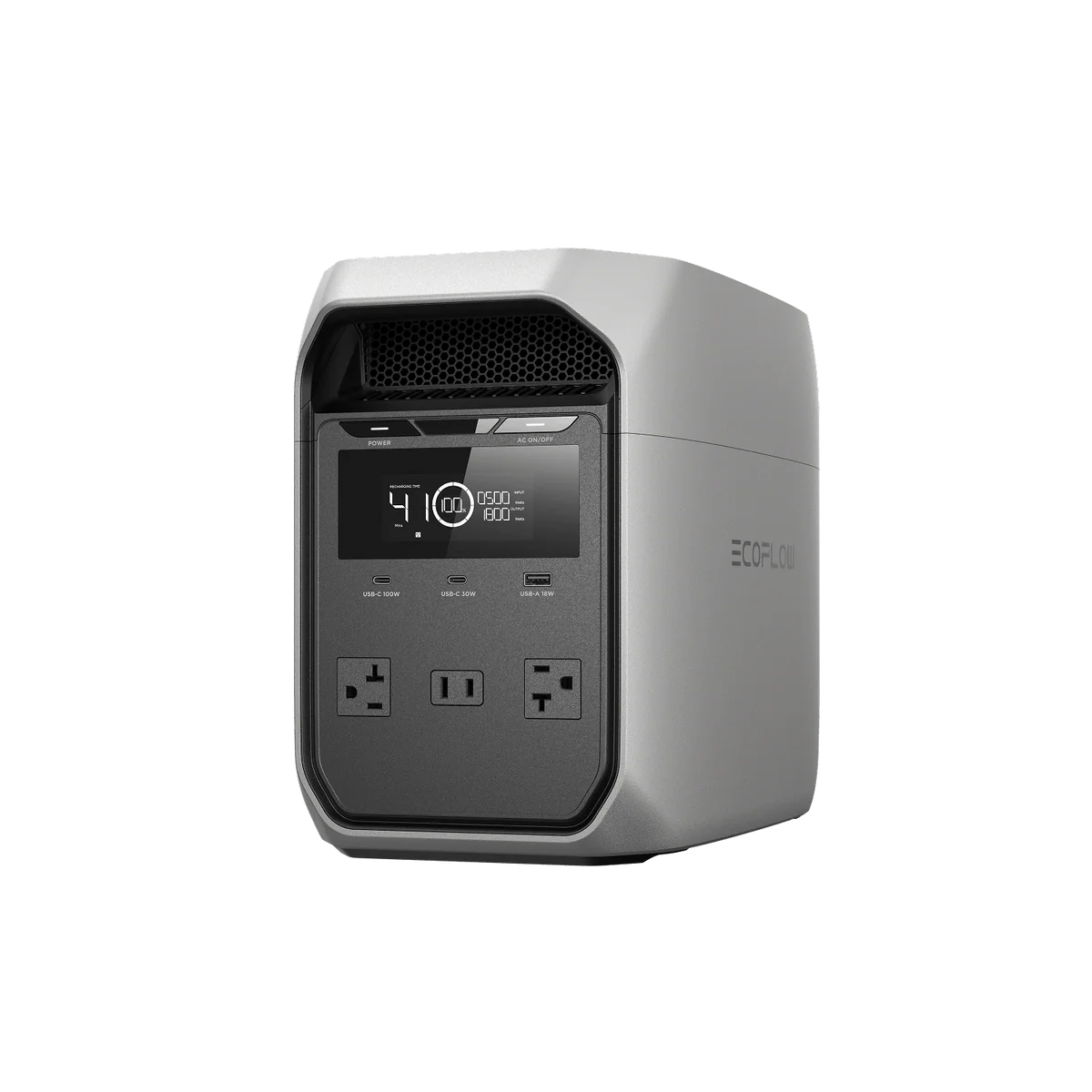
For a more portable option, the EcoFlow DELTA 3 Classic can also be paired with solar panels and kept charged ahead of storm season. You can use it to keep emergency communication channels open, charge smartphones, power internet routers, and monitor emergency broadcasts.
Both are safe to operate indoors. Unlike fuel-powered generators, there's no carbon monoxide risk, and no need to source fuel when supply lines are disrupted.
Frequently Asked Questions
When is Peak Tornado Season in the US?
Peak tornado season is during the spring in the United States. It starts in April, peaks in May, and lasts through June. However, tornadoes can occur at any time of the year.
What States See the Most Tornadoes Each Year?
Texas is the leader in the number of tornadoes it sees each year, with 132–137 annually on average. Its huge size plays a role in that. Kansas is second, with 81 each year, and Oklahoma has over 50.
How Long Do Power Outages Last After a Tornado?
The duration of a power outage can last from a few hours to several days, and it depends on the severity of the damage. When a major tornado strikes a regional transmission tower or distribution substation, the power can be off for weeks.
Be Ready, Stay Safe, and Keep Power During Tornado Season
Tornado season is something many people across the United States have to prepare for each year, from making changes to their property to preparing a safe room. Make sure you have a source of backup power in advance, and don’t wait for the next twister to hit.
To keep the power on no matter what happens, explore a whole home backup power solution from EcoFlow, or a portable power station if you need something more compact. Either way, you'll have clean, reliable energy that isn't dependent on the grid when you need it most.
For press requests or interview opportunities, reach out to our media team
media.na@ecoflow.com