Texas Power Outage Preparedness: What to Do Before, During, and After
- What Power Outage Preparedness Looks Like in Texas
- Before the Lights Go Out: Build a Home Plan and a Backup Power Strategy
- During an Outage: Stay Safe, Stay Informed, and Protect Your Home
- After Power Returns: Recovery Steps That Prevent Damage and Waste
- Frequently Asked Questions
- Be Ready for the Next Outage with a Plan You Can Actually Use
Texas sits at the center of one of the country’s most consequential and most exposed power grids. The state is vulnerable to winter storms, summer heat waves, hurricanes along the Gulf Coast, and severe thunderstorms that can cause power outages year-round. Preparedness isn’t a one-time event but a habit.
Find out what to do before, during, and after a power outage.
What Power Outage Preparedness Looks Like in Texas
Texas consistently ranks among the top 5 US states that need whole-home backup power, and it's easy to see why. The state's electrical grid, managed by ERCOT, serves roughly 90% of the state's electrical load but operates in isolation from the rest of the country's interconnected grids.
Most Texans live in a deregulated energy market, so they buy electricity from a retail electricity provider (REP), but their actual power is delivered by a transmission and distribution utility (TDU), such as Oncor, CenterPoint, AEP Texas, or TNMP. Your TDU is responsible for restoring power during outages.
ERCOT operates a public grid status system that issues Weather Watches, Conservation Alerts, and Emergency Energy Alerts. The Texas Advisory and Notification System (TXANS) sends alerts to registered users when the grid is under stress.
Texas can experience both full blackouts and brownouts, voltage reductions that can damage electronics even without a total loss of power.
Before the Lights Go Out: Build a Home Plan and a Backup Power Strategy
Preparing before an emergency is crucial to prevent scrambling during one. Every emergency plan should address four areas: water, food, communication, and backup power.
The standard emergency guideline is one gallon of water per person per day, for drinking and sanitation. Store at least a three-day supply in food-grade containers away from direct sunlight. Don’t forget water for pets.
Stock shelf-stable foods that don’t require refrigeration or cooking, such as canned goods, peanut butter, crackers, dried fruit, and nuts. Rotate your stock so nothing expires unused. A manual can opener is a must.
Sign up for TXANS alerts and for your TDU’s outage alert system. Keep a battery-powered or hand-cranked weather radio on hand and know your local emergency management agency’s alert system.
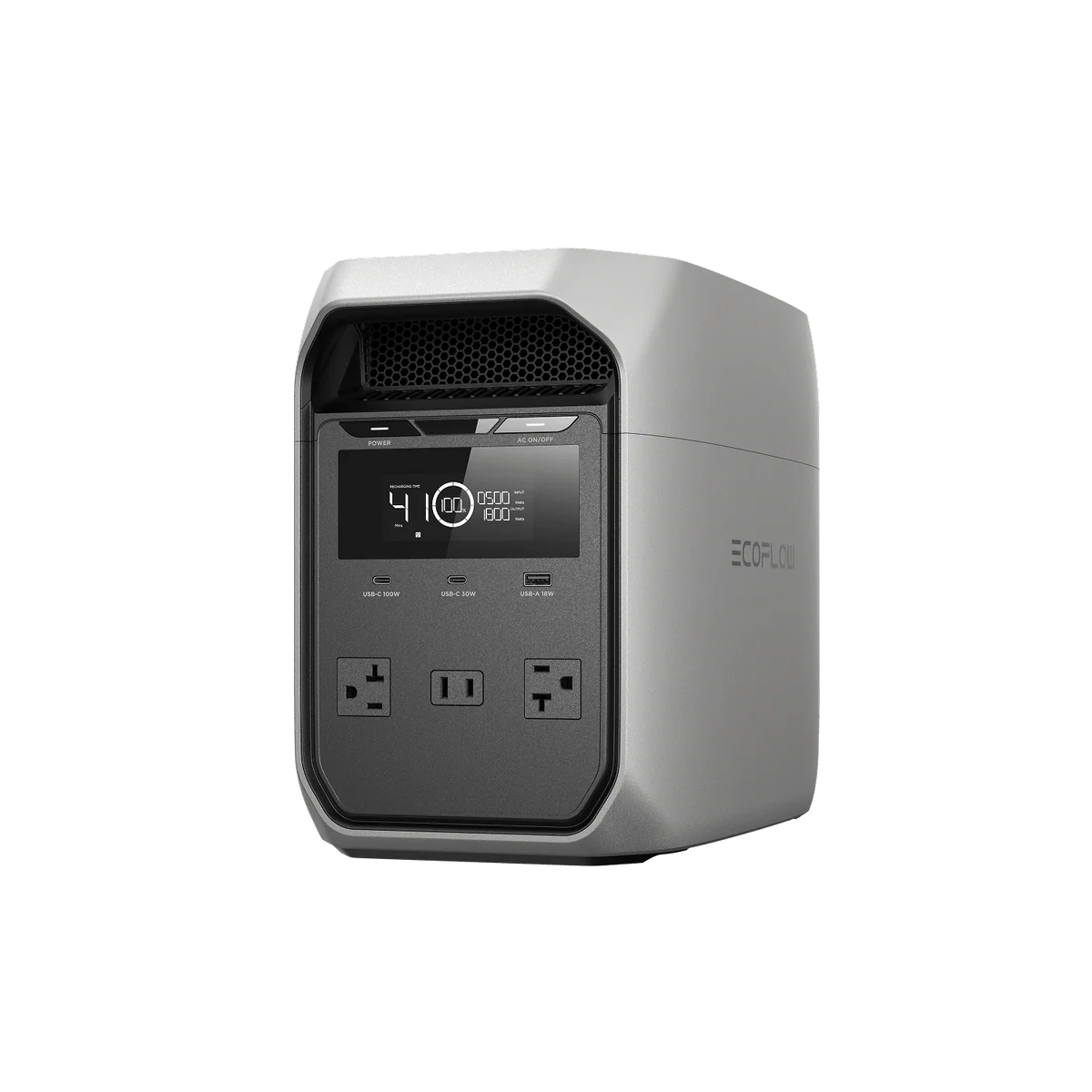
Backup power requires the most planning. With an EcoFlow DELTA 3 Classic Portable Power Station (1024Wh), you can run LED lights, charge phones, and power small fans or space heaters for several hours to days on a full charge. Unlike gas generators, it requires no fuel storage, produces no exhaust fumes, and can be used indoors safely.
For longer or more severe outages, whole-home backup power solutions can keep critical systems running around the clock.
During an Outage: Stay Safe, Stay Informed, and Protect Your Home
When the power goes out, your immediate actions determine what problems you prevent over the next few hours.
Keep the refrigerator and freezer closed: Every time you open the door, cold air escapes. Resist the urge to check food frequently.
Unplug major appliances: When power returns, it sometimes surges briefly, which can damage TVs, computers, and other sensitive electronics. Using surge protectors when you plug devices back in prevents damage.
Stay cool or warm: Texas heat waves can push indoor temperatures to life-threatening levels within hours of losing air conditioning. If your home becomes dangerously hot, go to a neighbor's house, a library, or a community cooling center with power. Never run a gas generator indoors, as carbon monoxide poisoning is a serious threat during outages.
Stay informed: Check your TDU's outage map for restoration estimates and review our Texas power outage guide for more on navigating grid disruptions. Monitor ERCOT's dashboard for grid-wide conditions. If ERCOT issues a Conservation Alert, reduce your own electricity use when power returns.

After Power Returns: Recovery Steps That Prevent Damage and Waste
Restoration isn’t the end of the emergency; it’s the beginning of recovery.
Check your food: Follow timelines established by federal food safety agencies and throw out anything questionable. Don’t ever taste food to determine whether it’s safe.
Surge-protect before plugging back in: Reconnect sensitive electronics gradually rather than all at once to prevent damage.
Check your home for damage: Winter outages during hard freezes can cause pipes to burst. Check under sinks, at exterior walls, and in the attic for signs of leaks. Catching a burst pipe early prevents thousands of dollars in water damage.
Restock what you used: Replace batteries, refill your water supply, recharge your power station, and restock any food you discarded. Don’t delay restocking, as the next outage can follow sooner than expected.
Document losses: If you suffered significant food loss or property damage, document it with photos and contact your homeowner’s insurance provider.
Frequently Asked Questions
How Much Water Should I Store Per Person Per Day?
The standard recommendation is one gallon per person per day for drinking and sanitation. Increase the amount for hot weather, for people who are ill, for nursing mothers, and for pets. Use food-grade containers and replace stored water at least once a year.
How Long Will Refrigerated and Frozen Food Stay Safe without Power?
A refrigerator will keep food safe for up to four hours if the door stays closed. After that, discard any perishable items. A full freezer maintains a safe temperature for 48 hours with the door closed, while a half-full freezer holds for about 24 hours.
How Do I Report a Power Outage in Texas?
Call your TDU, not your REP, to report outages. You can use your utility’s outage map online to report and track restoration status.
Will a Portable Power Station Help During a Brownout as Well as a Blackout?
A brownout is a reduction in grid voltage rather than a complete outage. It can damage sensitive electronics and cause appliances to run inefficiently. A portable power station can deliver stable power regardless of the grid status.
Be Ready for the Next Outage with a Plan You Can Actually Use
Texas power outages occur across every season, and winter storms, summer heat waves, Gulf hurricanes, and severe thunderstorms all impact the power grid. The difference between a manageable inconvenience and a life-threatening emergency often depends on the preparation done before the lights go out.
For apartment renters or anyone who needs portable backup, the EcoFlow DELTA 3 Classic keeps your essentials running without fuel or fumes. For whole-home coverage, the EcoFlow DELTA Pro Ultra X can keep critical systems running through extended outages.
For press requests or interview opportunities, reach out to our media team
media.na@ecoflow.com