How Data Centers Are Straining the Power Grid, and What That Means for Your Home
The rapid growth of AI has driven a surge in data center construction. The catch is that these huge facilities consume enormous amounts of electricity, and utility companies are working to meet that demand. Unfortunately, that can lead to higher residential energy bills.
Learn why data centers can increase your electricity bill and what you can do to reduce their impact on your wallet.
What’s Behind the Strain: Why Data Centers Drive Power Costs
Every time you stream a movie, store photos in the cloud, ask an AI chatbot a question, or join a video meeting, a data center has to process everything behind the scenes. The problem is that data centers need a lot of energy to do that, and their demand for power is putting pressure on local grids across the country.
A lot of factors put the US power grid under more stress, including:
Energy demand: Did you know that large data centers can use as much energy as an entire town? As more data centers are built, utilities have to generate enough power to meet demand. But when demand increases faster than supply, electricity rates increase.
Stressed rural grids: Tech companies often build data centers in rural areas because of cheap land and lower electricity rates. But these communities usually have older infrastructure that can’t support industrial-scale consumption like this. That means the utility has to make big, expensive upgrades to maintain reliable service.
Infrastructure costs: Utilities sometimes have to build new infrastructure to support data centers. And no, the data centers don’t always foot the bill themselves. Some utilities instead spread the cost across all customers.
Gas prices: Data centers draw heavily from a grid that still relies on fossil fuels in many regions, making electricity costs sensitive to fuel price swings.
24/7 operation: Data centers run continuously. That constant demand makes it harder for your utility company to balance loads, especially during extreme weather or peak periods.
Power Loads and Infrastructure
Data centers use a staggering amount of electricity. According to the U.S. Department of Energy, data centers “are expected to consume approximately 6.7 to 12% of total U.S. electricity by 2028”.
More demand means utilities need more than additional power generation. They also need the infrastructure to deliver that electricity where it's needed. That can include:
New transmission lines.
Larger substations.
Upgraded transformers.
Expanded distribution networks.
Additional backup measures.
Many parts of the country already rely on aging infrastructure built decades ago. Adding several large data centers to the same region can create bottlenecks that utilities have to address before demand outpaces capacity.
For homeowners, the result is higher utility costs and a greater risk of grid instability.
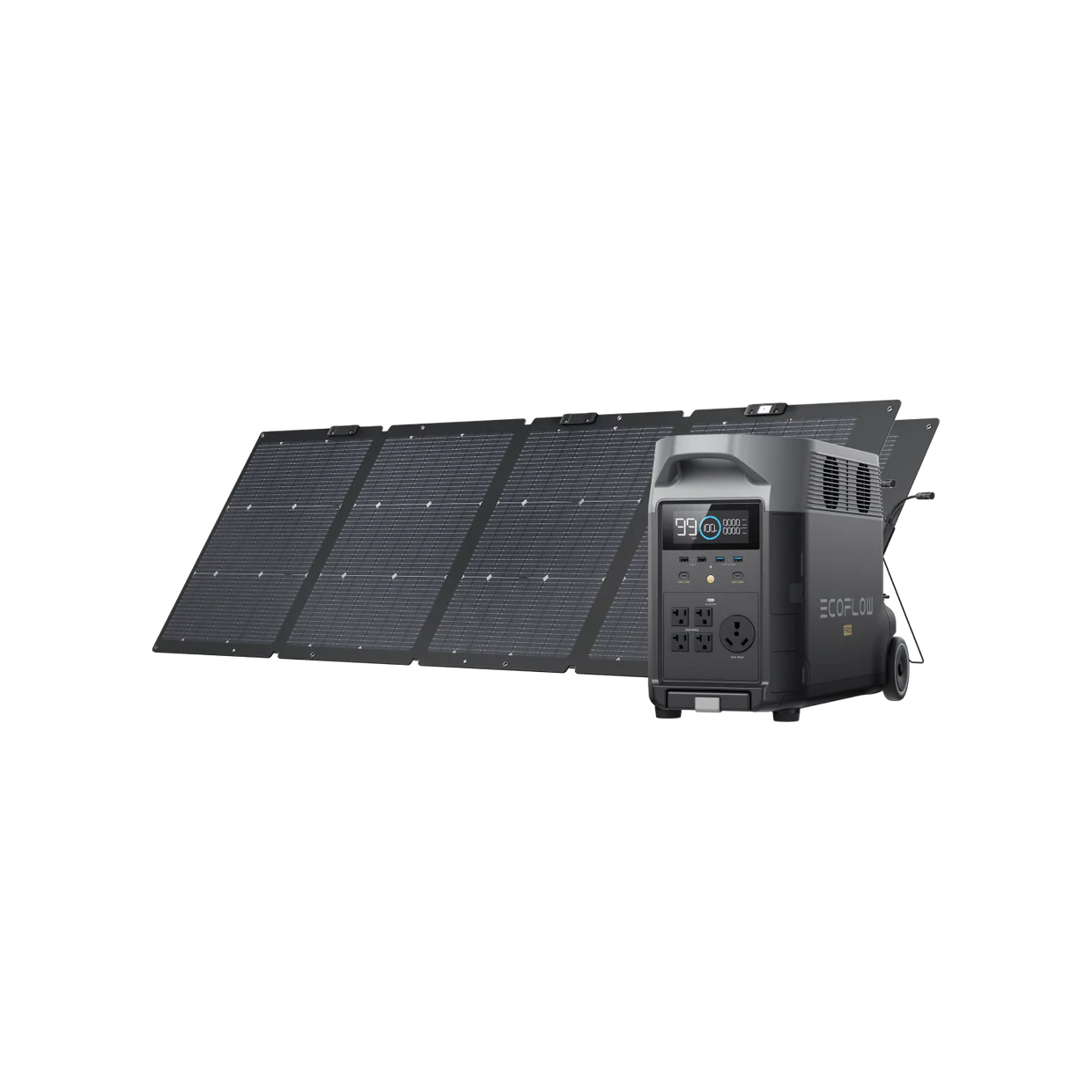
You may not be able to do much about the data center opening nearby, but you can try different options, like a home battery to survive grid strain and outages. For example, a portable power station like the EcoFlow DELTA Pro Portable Power Station can keep your essentials running when grid pressure leads to outages.
Grid Response, Costs, and Regulation
One major concern is who pays for the infrastructure needed to support these facilities. New transmission lines, substations, and generation projects can cost billions of dollars. When those costs are shared across a utility's customer base, homeowners and small businesses can end up paying part of the bill.
This is why policymakers are trying different approaches, like:
Requiring data centers to cover more of the infrastructure costs they create.
Creating special rate structures for large industrial power users.
Limiting development in areas where the grid is already under strain.
Requiring new projects to add power generation or storage capacity in their facilities.
These changes are good news, but they’ll take time. That's why many families are taking steps right now to improve their own energy resilience. Backup power systems can help protect against outages, and a whole-home generator can reduce your dependence on the grid for years to come.
Impacts on Homes and the Grid
Utilities and lawmakers are trying to reduce the impact data centers have on everyday people’s utility bills, but change will be slow. Meanwhile, you have to contend with data centers driving up electricity prices by 267% in areas that are located near these big data centers.
Aside from AI data centers driving up electricity bills, they can also:
Increase the risk of grid failure, especially during heat waves or winter storms.
Use more water resources, which drives up your water bills, too.
Build their own infrastructure, which may not have the same regulatory or environmental protections.
Grid demand is increasing, and so is extreme weather. When you add data centers into the mix, it’s clear that the grid just isn’t as reliable as it once was.
If you’re concerned about reliability and cost, backup power is a smart move. The EcoFlow DELTA Pro has enough capacity to run your essential devices during outages. Plus, you can recharge it with solar panels instead of pricey grid energy.
Where Modern Energy Management Comes In
You don’t have much control over data centers or your utility rates. But you can control how you manage energy in your home. Modern energy management systems can help you respond to rising electricity costs by giving you more control over your power use.
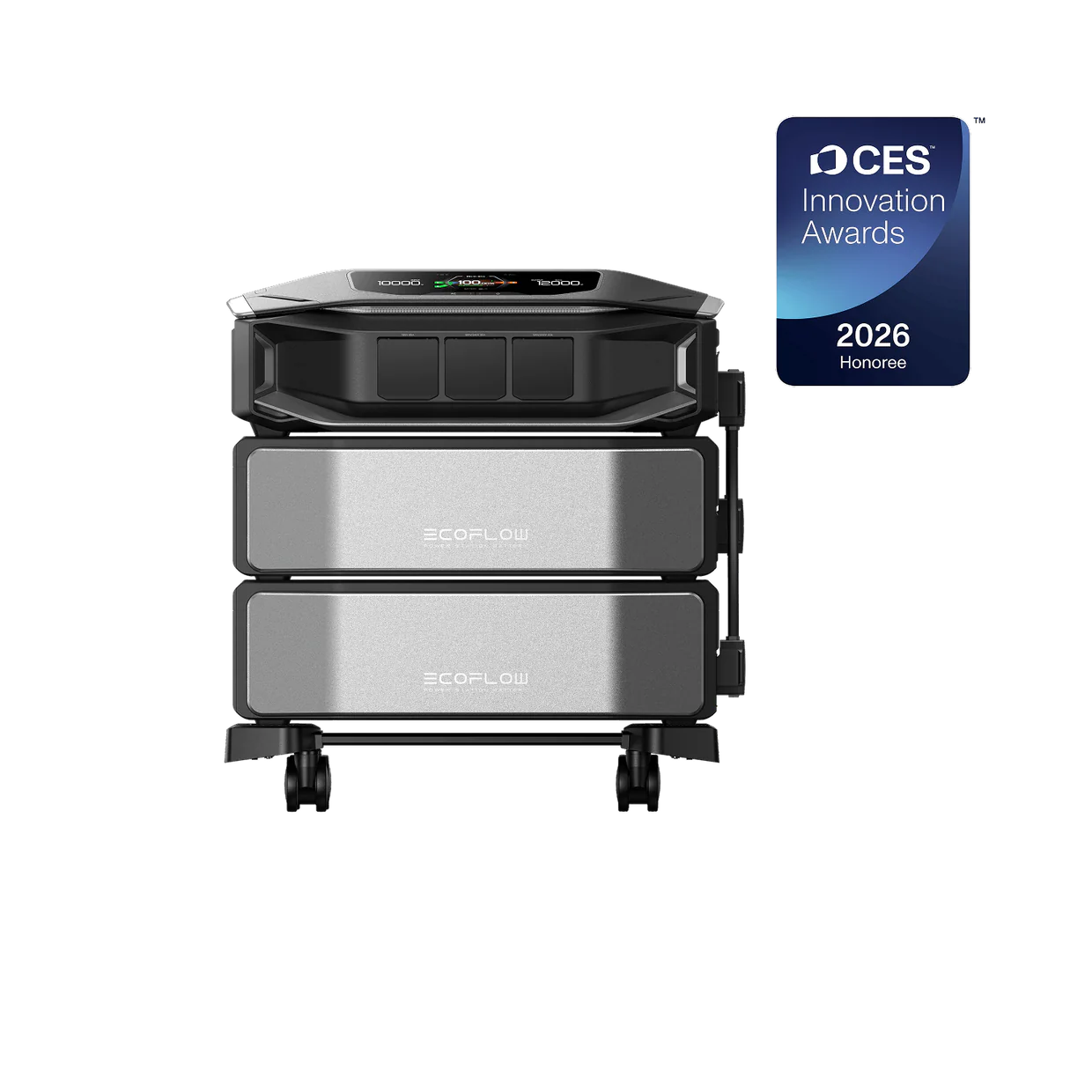
For example, a home battery backup power system like the EcoFlow DELTA Pro Ultra X can store energy when rates are lower and provide power later, either when rates are more expensive or the grid goes down. Some systems can also integrate with solar panels, providing an additional energy source that doesn't rely on utility power.
Frequently Asked Questions
How Do Data Centers Affect My Electricity Bill?
Data centers require enormous amounts of electricity, and utilities often need to invest in new infrastructure to support them. Depending on how local utility rates are structured, some of those costs can be shared across all customers. Translation: you’ll likely see greater demand for electricity in your area, which leads to higher energy bills.
Where Are Data Center Power Hotspots in the U.S.?
According to Electric Choice [1], as of June 2026, the top 10 US states by data center facility count are: Virginia (665), followed by Texas, California, Illinois, Ohio, Arizona, Georgia, New York, Oregon, and, finally, Washington (142).
How Can Homeowners Reduce Their Exposure to Grid Strain?
You can improve energy resilience by reducing unnecessary electricity use, improving energy efficiency, adding solar panels, and investing in battery storage. These solutions can help keep essential devices running during outages and reduce your reliance on the grid during periods of high demand.
Save Money, Improve Resilience, Stabilize Your Energy Future
Communities are pushing back against data centers, and lawmakers are also urging more regulations. That’s promising, but if there’s a data center in your area, it could take a few years to see any relief with your electricity bill. Not only that, but you’re also at greater risk of grid failure.
You can’t control the grid, but you can strengthen your home’s energy resilience. Home energy storage is a proven way to manage rising electricity costs and reduce your dependence on an increasingly stressed grid.
See how the EcoFlow DELTA Pro and EcoFlow DELTA Pro Ultra X can help protect your home today while helping you prepare for the challenges of tomorrow.
References:
[1] https://www.electricchoice.com/datacenters/
For press requests or interview opportunities, reach out to our media team
media.na@ecoflow.com