Best Outdoor Generators for Home Backup, Camping & Emergencies
When the power goes out during a storm, or you’re miles from the nearest outlet, an outdoor generator becomes essential.
Generators no longer refer only to the gas-guzzling types. Modern options offer alternative, cleaner sources of energy.
Choosing the right one depends on your energy demands, runtime needs, and tolerance for noise, fumes, and maintenance. Explore the best outdoor generators for any situation in this guide.
What Is an Outdoor Generator?
An outdoor generator is a power source that delivers electricity independent of the utility grid.
It converts fuel or stored battery energy into power that runs appliances, tools, and devices during outages, events, camping trips, and more.
While traditional gas generators are still very popular, battery-powered generators have become a very popular choice for home backup.
These units are battery systems with built-in inverters that store electricity and deliver it as usable power. When paired with solar panels, they can be recharged using sunlight. They deliver quiet operation, zero emissions, low maintenance, and the ability to be recharged via solar panels or wall outlets.
Types of Outdoor Generators (And When to Use Each)
Gas-Powered Generators
Gas-powered generators burn gasoline, propane, or diesel to produce electricity. They deliver high continuous output, unlimited runtime as long as you have fuel, and rugged reliability in extreme weather conditions.
Gas generators are often used during long outages where continuous fuel supply is feasible. They’re also recommended for high-power applications, such as running multiple appliances or tools, and remote job sites with no other power infrastructure.
Battery Generators (Portable Power Stations)
Battery generators are high-capacity lithium battery systems with built-in inverters and charge controllers. They store electricity from wall outlets, car chargers, or solar panels, then convert it to AC and DC power. They produce little to no noise and zero emissions.
Larger, high-capacity units are ideal for home backup power, whereas mid-capacity solutions can deliver reliable power during camping trips and off-grid living situations, and can be used indoors during emergencies.
Best Outdoor Generators by Use Case (2026 Guide)
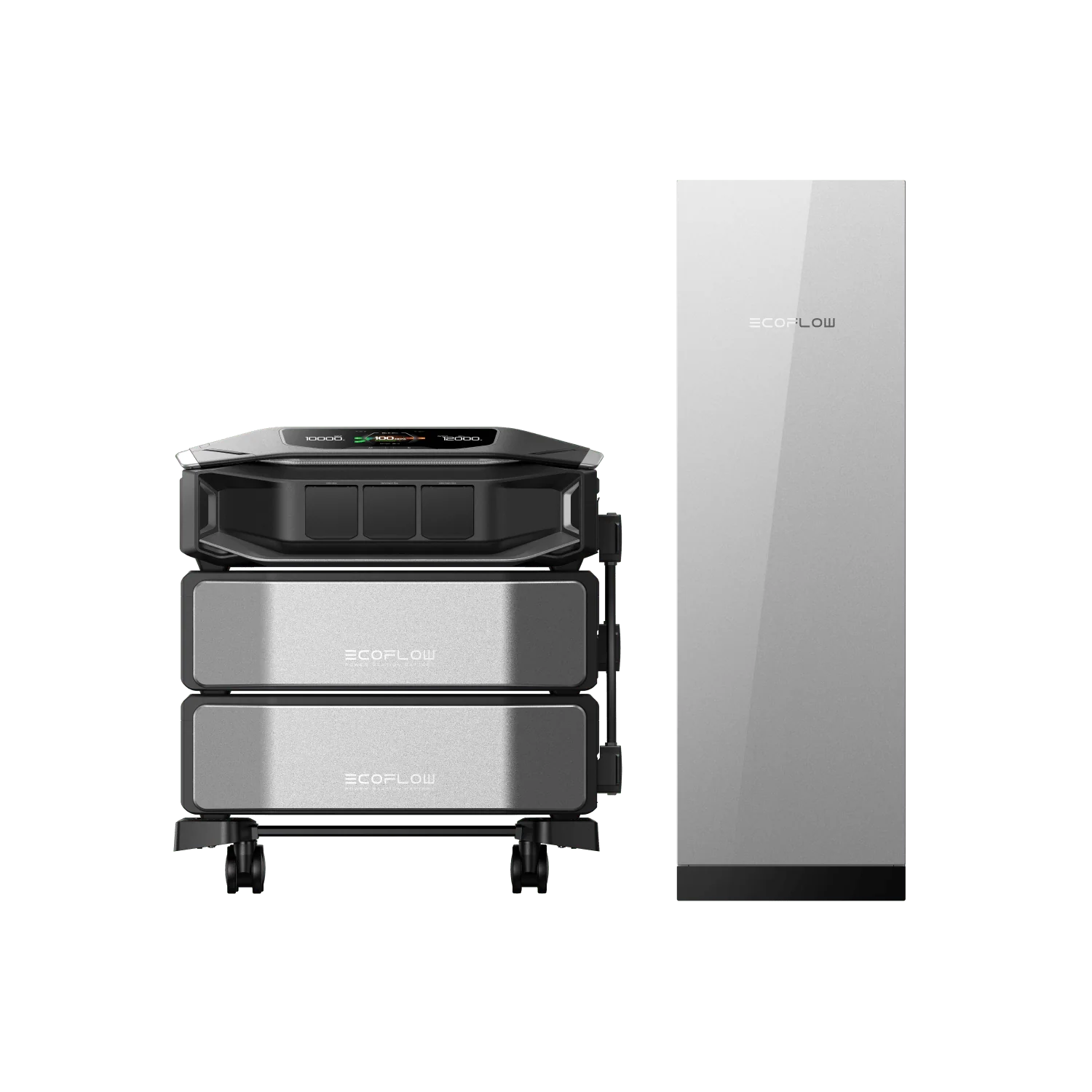
Best for Home Backup: EcoFlow DELTA Pro Ultra X + Smart Home Panel 3
The EcoFlow DELTA Pro Ultra X + Smart Home Panel 3 is a modular home backup system designed for serious outage resilience. It starts with a base capacity of 12,000Wh but is expandable to 180,000Wh with extra batteries, offering enough power to run your entire home for days or even weeks when paired with solar panels.
With output up to 36,000W, the unit can run central air conditioning, electric stoves, refrigerators, entertainment systems, and more simultaneously.
By incorporating an EcoFlow Smart Home Panel 3, you can experience true home energy management, with smart backup and smart control.
Best for Camping & Outdoor Adventures: EcoFlow DELTA 3 Classic
The EcoFlow DELTA 3 Classic balances portability with capacity for outdoor adventures.
With a 1,024Wh capacity and 1,800W output, the unit powers camping essentials, from mini fridges and electric coolers to portable fans and speakers.
Weighing around 27 pounds with a built-in handle, it’s manageable for one person to carry from vehicle to campsite.
It has a rugged build, an IP54 dust and water rating, and can operate within a wide temperature range, making it ideal for camping conditions.
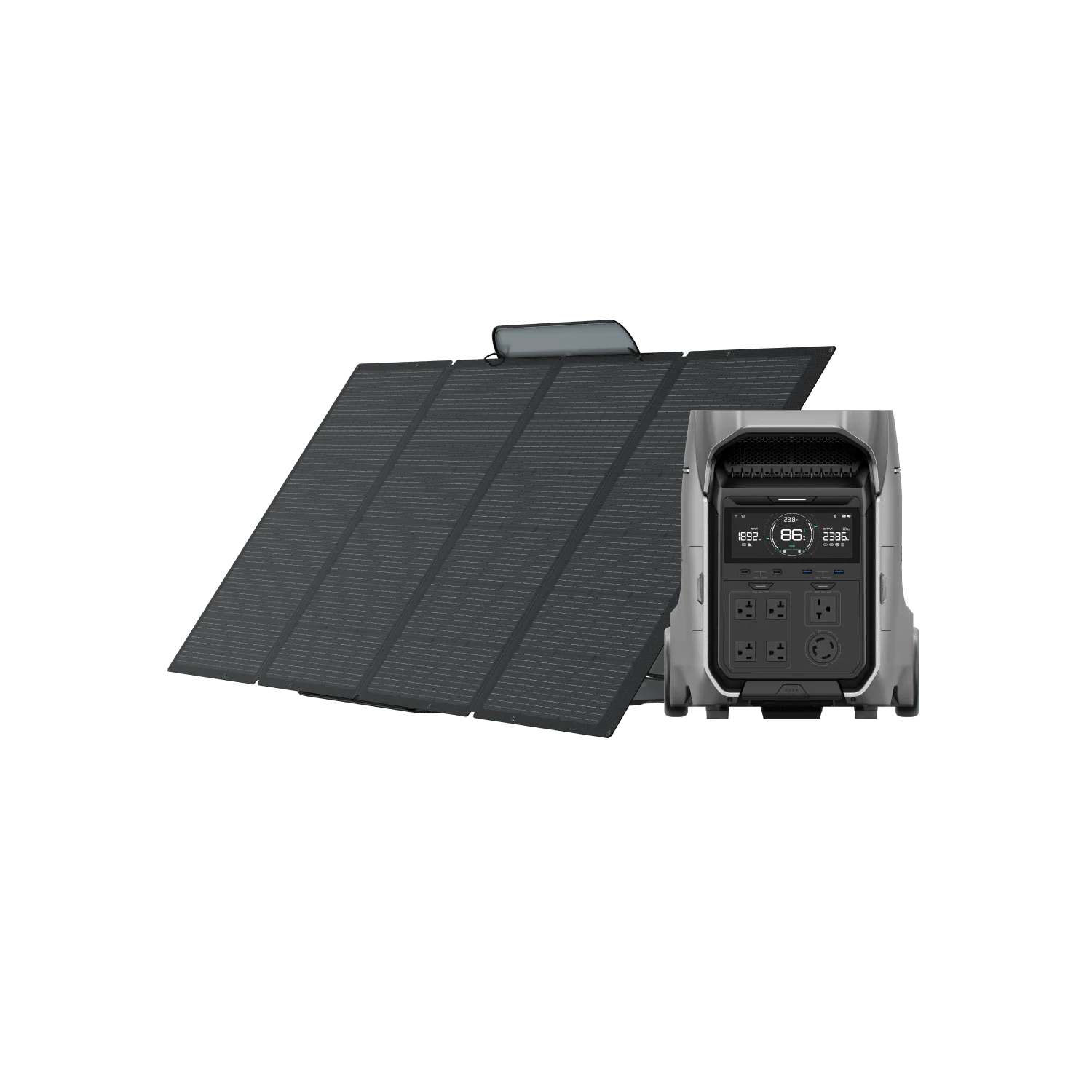
Best for Emergencies & Power Outages: EcoFlow DELTA Pro 3 + 400W Solar Panel
The EcoFlow DELTA Pro 3 + 400W Solar Panel provides a reliable source of power for emergencies without the complexity of a whole-home system.
With a base capacity of 4096Wh and an expandable capacity of up to 36,000Wh, the power station can run all essential appliances for extended periods.
It features several charging options, such as AC, solar panel, and car charging, for multiple recharge paths during emergencies. And by adding an EcoFlow 400W Solar Panel, you can even generate your own renewable, clean energy.
Key Features to Look for in an Outdoor Generator
Battery Capacity
Capacity indicates runtime. Measured in watt-hours (Wh), it tells you the amount of energy the generator stores, giving you an idea of how much power you can use in a day before needing a recharge.
Output Power
Output, measured in watts (W), indicates the maximum load a generator can support continuously.
Exceeding that limit causes the generator to shut down or trip circuits. Always choose an output capacity greater than your total simultaneous load.
Surge Power
Surge power handles the brief spike in voltage from high-power appliances when they first start up.
Your generator’s surge rating must exceed the highest startup surge of any appliance you’ll power.
Recharge Speed
Recharge speed indicates how fast you can refill the battery. Modern units recharge from 0–80% in roughly an hour via AC wall charging, which is critical during emergencies.
Solar recharge speeds depend on the panel wattage and the sunlight available.
Expandability
Expandable systems allow you to add extra battery packs to your power station and increase the amount of capacity available. Many units can also integrate solar panels for additional support.
These features future-proof your investment, allowing you to start affordable and scale as power demands grow.
Portability
The portability and weight of your unit are important for camping, event planning, and moving between locations during emergencies. Units under 30 pounds are manageable by one person, while anything heavier requires two people. Balance your capacity needs with portability for maximum potential.
App Connectivity
App integration allows you to monitor battery level, remaining runtime, wattage, and more from your smartphone. A remote control allows you to turn certain outlets on and off, adjust settings, and track performance without physically accessing the unit.
Frequently Asked Questions
What Size Outdoor Generator Do I Need?
Add up the wattage of every device you’ll run at once and multiply by the runtime in hours. Add a 25% buffer, and choose a generator with continuous output that exceeds that total.
Can You Use an Outdoor Generator Indoors?
Gas generators can never be used indoors. They emit carbon monoxide, an odorless gas that is deadly. Battery-based solar generators produce no emissions and are safe to use indoors.
How Long Do Outdoor Generators Run?
Gas generators run for as long as you have fuel, while solar generators run until the battery depletes. Runtime is determined by battery capacity and load. With solar panels, runtime is extended significantly in sunny conditions.
Are Solar Generators Powerful Enough for Home Backup?
Absolutely. Whole-home backup systems store enough power and deliver a powerful enough output to power entire homes, including HVAC, major appliances, and critical devices, for days.
Outdoor Generators Keep Homes Powered During Outages
Outdoor generators differ between gas engines and diverse energy systems.
While gas generators are still useful in high-output, extended-runtime scenarios, solar generators lead the way for home backup, camping, and emergencies thanks to their silent operation, zero emissions, and expandable capacity.
Explore EcoFlow solar generators and find the ideal power station for your home backup, camping, or emergency needs.
For press requests or interview opportunities, reach out to our media team
media.na@ecoflow.com