Standby Generator Installation Cost in 2026: What You'll Pay and Cheaper Alternatives
- Standby Generator Installation Cost in 2026: The Real Budget Range
- What You’re Actually Paying For in a Standby Generator Install
- What Changes Your Quote the Most
- Cheaper Alternatives That Still Keep Your Home Livable During Outages
- How to Choose the Right Backup Approach for Your Home
- Frequently Asked Questions
- Save Money Now and Build a Backup Plan You Can Expand Later
A standby generator keeps your home fully powered through any outage, but the installation cost often comes as a shock. Installed costs regularly run from $7,000 to $20,000 or more, depending on your home's size and existing infrastructure. It's worth understanding exactly what drives that number, and whether a battery-based backup system can meet your needs at a significantly lower total cost.
Standby Generator Installation Cost in 2026: The Real Budget Range
In 2026, having a standby generator professionally installed costs an average of between $7,000 and $15,000.
Typical ranges look like this:
Small standby generator (10–14kW): $7,000–$10,000.
Medium-size whole home system (18–24kW): $10,000–$16,000.
Large whole home system (26kW plus): $15,000–$20,000 and up.
Every installation is different. Placing a generator beside an existing gas meter can cost thousands less than a setup that requires trenching, panel upgrades, or propane infrastructure.
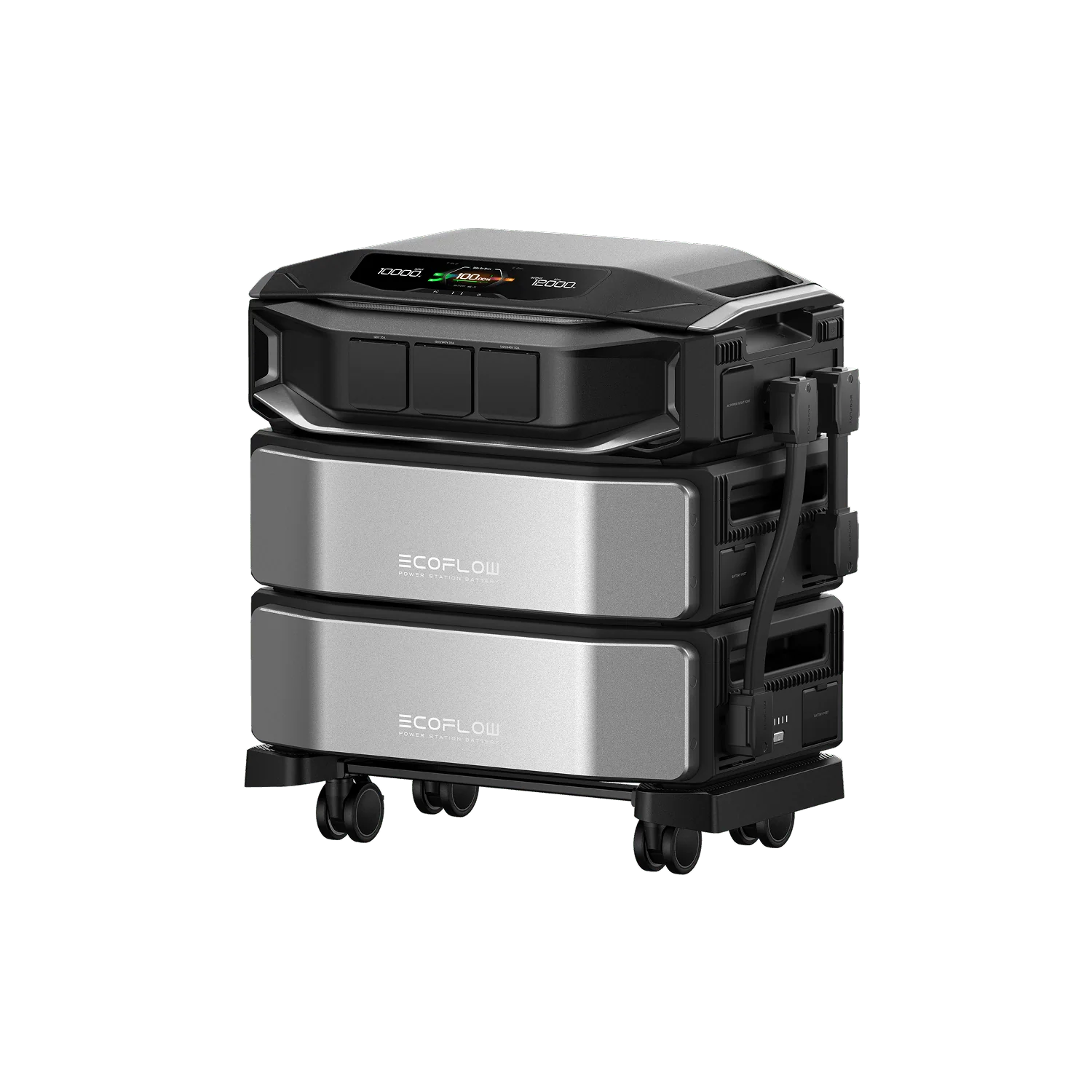
For homeowners weighing those numbers, the EcoFlow DELTA Pro Ultra X Whole-Home Backup Power unit is worth comparing; it delivers whole-home battery backup with no fuel infrastructure, no excavation, and no permits required.
What You’re Actually Paying For in a Standby Generator Install
Generators themselves represent a high cost, but installation often adds an equally substantial bill. Here's what the money goes toward:
Generator Unit
Usually, the single biggest cost. Larger systems that can run multiple large appliances cost substantially more than smaller emergency-only backup systems.
Transfer Switch
This switch detects an outage and switches your home onto generator power.
Electrical Work
Electrical work can get expensive quickly. Especially if your panel is outdated, your circuits need reorganizing, or you need to run a lot of cable to connect your generator to the electrical panel. You may even need to replace your panel.
Fuel Connection
Most standby generators run on either natural gas or propane. Hooking up your gas supply to the generator isn't cheap. That cost gets even higher if you have to start digging trenches to run pipes.
Permits and Inspections
Most municipalities require permits and inspections for generators. You may need electrical, mechanical, plumbing/gas, and zoning permits. In some areas, you also need to ensure the noise ordinance.
What Changes Your Quote the Most
Even in two similar houses with the same generator, the cost can vary a lot. That's because of:
Electrical Loads
The bigger the generator, the higher the cost. A home that only needs refrigeration, lighting, and a few outlets doesn't require the capacity of a home that has central HVAC, electric ovens, pool pumps, and large appliances. The more you want to run, the more expensive it gets.
Distance to Gas and Electrical Connections
Wire, conduit, gas pipes, trenches. It all costs money, and it adds to the labor cost of installing a generator, too.
Panel Upgrades
Older electrical panels can't handle modern standby generator integration. Replacing an electrical panel can add thousands of dollars to your project cost.
Local Codes and Permits
Different jurisdictions have different rules, with some mandating generator placement, noise limits, exhaust clearances, and even seismic anchoring. The more permits you need, the more it's going to cost.
Labor Costs
Labor rates vary significantly by region, which is why two identical installations in different cities can carry very different price tags.
Cheaper Alternatives That Still Keep Your Home Livable During Outages
A standby generator is one way to maintain power during an outage, but it's not the only option. For many households, a portable or expandable battery system provides more than enough backup power at a far lower cost.
Portable Power Stations
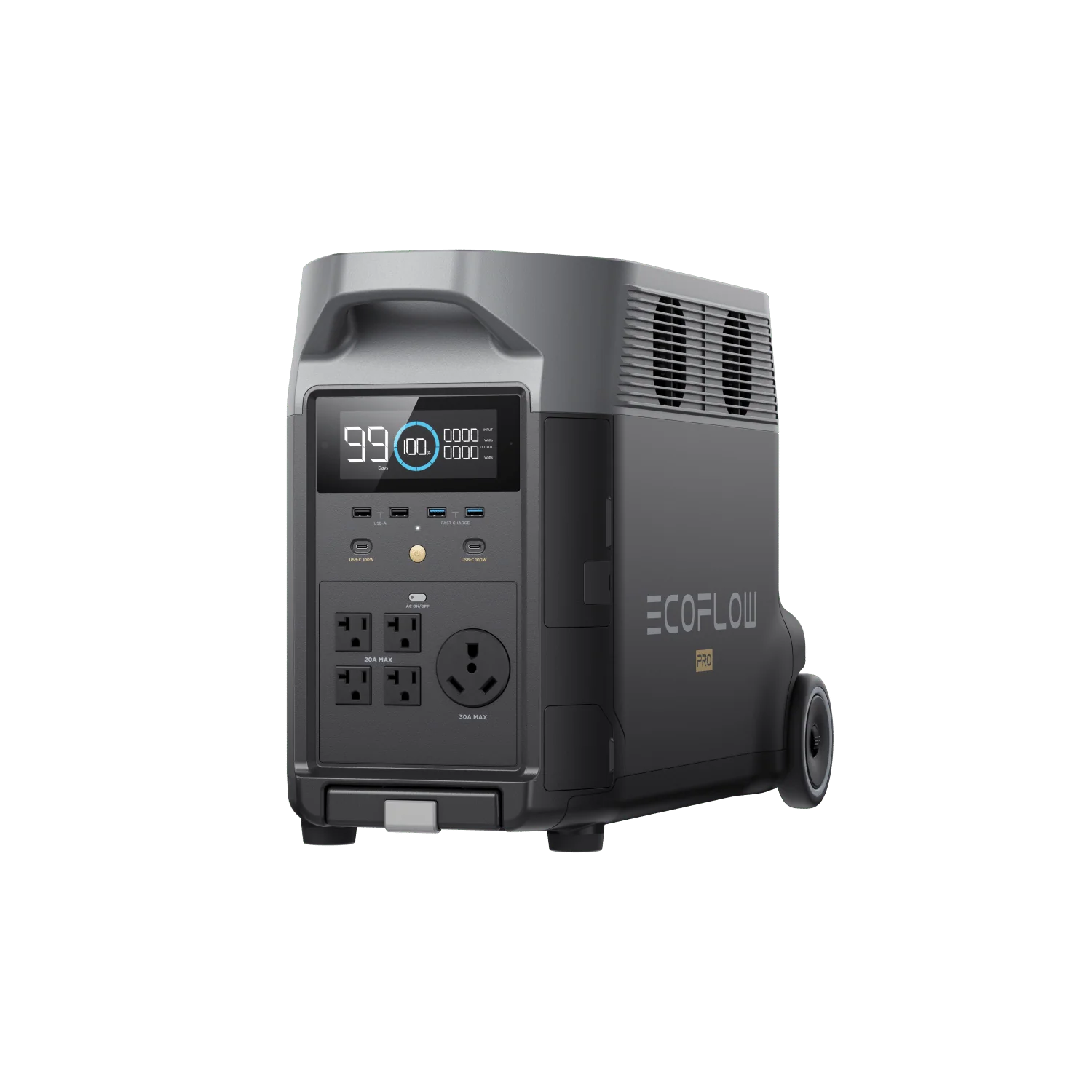
These devices function as high-capacity batteries that can keep multiple circuits running when the power goes out. The EcoFlow DELTA Pro Portable Power Station keeps your refrigerator running, charges devices, and supports critical medical equipment through an outage silently, indoors, and without any fuel connections or permit requirements.
Expandable Battery Systems
The EcoFlow DELTA Pro Ultra X Whole-Home Backup Power system bridges the gap between portable units and standby gas generators.
In an outage, it can power refrigerators, freezers, sump pumps, Internet equipment, medical equipment, and even partial HVAC systems. And because it’s expandable, you can start off small and add to the storage capacity as your needs grow.
Solar and Battery Backup
Pairing a whole-home battery backup system with solar panels is one of the best ways to build resilience against power outages. You can use solar panels to keep your backup generator powered so that it's always ready in an emergency. Because both solar panels and electrical backup systems require almost no maintenance, you can almost forget you have them — until you need them.
How to Choose the Right Backup Approach for Your Home
Because standby generators are so expensive, they only make sense when:
You experience frequent, long outages.
Your entire home must stay fully operational.
You have medical equipment that depends on continuous power.
Battery backup tends to be the stronger choice (as a tri-fuel vs battery backup analysis shows) when:
You only need to protect critical circuits.
Outages are less common.
Noise or exhaustion is a concern.
You want a cost-efficient solution without ongoing fuel or maintenance costs.
When you factor in the cost to run a whole house generator — fuel, servicing, and annual maintenance — a battery backup system often proves more economical over the long term.
Frequently Asked Questions
How Much Does It Cost to Install a Standby Generator in 2026?
In 2026, a professionally installed standby generator typically costs between $7,000 and $20,000. Smaller systems (10–14kW) tend to fall at the lower end of that range, while large whole-home systems (26kW and above) can push beyond it. Installation complexity, panel upgrades, and fuel line work all drive the final number higher.
What Is Usually Included in a Standby Generator Installation Quote?
Most quotes include the generator itself, an automatic transfer switch, electrical labor, the fuel hookup, required permits, and site preparation. Coverage varies between contractors, so ask for a full itemized breakdown before signing. Panel upgrades and extended gas line runs are commonly excluded and can add thousands.
Can a Battery Backup Be a Cheaper Alternative to a Standby Generator?
Yes. Portable and expandable full-home battery systems cost far less than a standby generator installation, and can still power essential circuits during emergencies.
Do I Need Permits and Inspections for a Standby Generator Installation?
Usually, yes. Most municipalities require permits for electrical work, gas connections, and your standby generator placement. A whole home battery system, on the other hand, can often be installed without any permits required.
Save Money Now and Build a Backup Plan You Can Expand Later
Standby generators offer comprehensive whole-home coverage, but their installed cost and infrastructure demands are often out of proportion to what most outages actually require.
A battery backup system delivers reliable protection for your essential circuits from day one, with the flexibility to scale as your needs grow. Understanding the whole house battery backup system cost alongside standby installation pricing makes the case clear.
Explore EcoFlow's whole home backup power solutions — from portable stations to full whole-home systems — and build a backup plan that fits your home and budget today.
For press requests or interview opportunities, reach out to our media team
media.na@ecoflow.com