How Many Watts Does an Air Conditioner Use? (A Complete 2026 Guide for U.S. Homeowners)
- Understanding Your AC’s Power Consumption Basics
- How Many Watts Does an Air Conditioner Use? (By Type)
- Air Conditioner Wattage by Size (BTU Breakdown)
- What Affects How Many Watts Your AC Uses?
- How Much Does It Cost to Run an Air Conditioner in the U.S.?
- Energy-Saving Tips to Reduce Air Conditioner Watt Usage
- Backup Power & Energy Solutions for Air Conditioning
- Conclusion
- FAQ
Summers across the United States keep growing hotter by the year. If you’ve checked your monthly utility costs recently, you already know keeping your living space cool comes with a steep price tag. No matter if you’re dealing with muggy Florida afternoons or sweltering dry heatwaves in California, your air conditioner almost always ranks as the top energy-draining appliance in any household. In this practical guide, we’ll cover the real wattage draw of various AC models, walk you through simple energy cost calculations, and share how modern innovations such as high-output backup batteries can cut down your rising monthly energy expenses with ease.
Understanding Your AC’s Power Consumption Basics
Understanding Your AC’s Power Consumption Basics Before we crunch the numbers, let’s crack the code on your electric bill. A few key concepts can save you from tripping a circuit breaker or that heart-stopping $400 bill in peak summer.
What Does “Watts” Mean for an Air Conditioner?
In simple terms, watts (W) measure the rate at which your AC consumes energy at any given moment. Think of it like the “speed” at which your electricity meter spins. A small window unit might sip at a modest 500 watts, while a powerful central system can gulp down over 5,000 watts when it’s working hard. Determining how many watts does a window AC use is crucial for anyone looking to balance indoor comfort with a manageable electric bill.
Watts vs. BTU vs. Amps: What’s the Difference?
These three units are the “Big Three” of HVAC specs, but they measure different things:
BTU (British Thermal Units): The cooling capacity (how much heat it can remove).
Watts: The power consumed to achieve that cooling effect.
Amps: The electrical current flow, which determines what size of the circuit breaker you need.
Why Knowing AC Wattage Matters for Energy Bills and Home Safety
Knowing your wattage helps you estimate your monthly spend and prevents home fires. If you plug a 1,500W portable AC into a circuit already running a microwave and a vacuum, you’re asking for a blown fuse. Plus, in 2026, being energy-conscious is just smart budgeting.


How Many Watts Does an Air Conditioner Use? (By Type)
Not all ACs are created equal. Depending on whether you’re cooling a studio apartment in NYC or a suburban home in Houston, your wattage needs will vary wildly.
| AC Type | Typical Wattage (Running) | Best Scenario | Key Characteristics |
|---|---|---|---|
| Central AC (Whole-Home) | 3,000 – 5,000 W | Entire homes (≈2,000 sq ft) | High cooling power, highest energy use |
| Window AC | 500 – 1,400 W | Bedrooms and living rooms | Affordable, efficient for single rooms |
| Portable AC | 900 – 1,500 W | Flexible/temporary setups | Easy to move, less efficient |
| Mini-Split (Ductless) | 400 – 1,000 W | Zoned cooling, modern homes | Very efficient by adopting the inverter technology |
Air Conditioner Wattage by Size (BTU Breakdown)
The size really matters. If your AC is too small, it runs forever; If it is too big, and it cycles on and off constantly, which wastes power. Understanding the power consumption of a 5000 BTU AC can help you decide if a standard wall outlet is sufficient for your specific cooling needs.
| BTU Range | Typical Wattage | Recommended SEER2 (2026) | Best Scenario |
|---|---|---|---|
| 5,000 – 8,000 | 450 – 800 W | 12.0+ (Window units) | Small bedrooms |
| 12,000 – 15,000 | 900 – 1,500 W | 14.3+ (Min. Standard) | Living rooms |
| 18,000 – 36,000+ | 1,800 – 4,000+ W | 16.0 – 20.0+ | Whole floors |
How to Convert BTU to Watts (Simple Explanation)
While there isn’t a perfect 1:1 conversion, you can estimate the wattage using the unit’s EER (Energy Efficiency Ratio). The formula is:
Watts = BTU/h ÷ EER
For a quick estimate, many modern units have an EER of approximately 10. However, high-efficiency models can have an EER of 12 or higher, significantly lowering the wattage.
Standard (EER 10): 12,000 BTU ÷ 10 = 1,200 W
High-Efficiency (EER 13): 12,000 BTU ÷ 13 = 923 W
Always check the yellow EnergyGuide label on your AC for the exact rated wattage.
EER2 vs. SEER2: The 2026 Efficiency Standards
In 2026, you’ll see SEER2 and EER2 on every EnergyGuide label. These replaced the old SEER/EER ratings to reflect more realistic external static pressure conditions in American homes.
EER2 (Energy Efficiency Ratio): Measures the efficiency at a specific, high outdoor temperature (usually 95°F). It’s a “snapshot” of peak performance.
SEER2 (Seasonal Energy Efficiency Ratio): Measures the efficiency over an entire cooling season with varying temperatures. This is a more accurate number for calculating your annual bill.
A higher SEER2 rating means the unit uses fewer watts to achieve the same cooling effect. For a 2026 homeowner, aiming for a SEER2 of 16 or higher is the sweet spot for balancing upfront cost and long-term savings.
The "Starting Surge": Why the Label Can Be Deceiving
When picking backup power or home energy storage solutions, there is one number more important than the wattage on the sticker: Starting Wattage (or Surge Watts).
What is it: Air conditioner compressors require a massive burst of energy just to kick-start—often referred to as LRA (Locked Rotor Amps). This initial “shove” usually requires 2 to 3 times more power than what the unit uses while running.
Why it matters: If you are using a portable power station or an inverter that only covers your “running” watts, your AC will likely fail to start or cause your power system to trip.
Typical Running vs. Starting Watts
| AC Unit Type | Running Watts | Starting (Surge) Watts |
|---|---|---|
| 5,000 BTU Window Unit | 450 W | 1,200 – 1,500 W |
| 12,000 BTU Portable AC | 1,200 W | 3,000 – 3,600 W |
| 3-Ton Central AC | 3,500 W | 10,000 W+ |
What Affects How Many Watts Your AC Uses?
Your AC’s sticker says one thing, but your actual usage might be another. Several “real world” factors play a role.
Room Size and Insulation: If your windows are drafty or your attic lacks insulation, your AC will run longer to fight the leaking cool air.
Outdoor Temperature: When it’s 105°F in Arizona, your AC compressor works much harder (and pulls more amps) than it does on an 80°F day.
Thermostat Settings: Setting it to 68°F instead of 74°F can increase energy consumption by up to 20%.
SEER Rating: The higher the Seasonal Energy Efficiency Ratio, the fewer watts the unit uses to produce the same amount of cooling.
How Much Does It Cost to Run an Air Conditioner in the U.S.?
The cost to stay cool depends heavily on where you live and when you turn the dial.
Average Daily and Monthly Energy Consumption
To estimate costs, distinguish between Nameplate Wattage (max power) and Real-World Consumption. Your AC doesn’t run at 100% all day; once the room cools, the compressor cycles off or slows down.
Maximum Estimate: A 3,500W unit running full-tilt for 8 hours uses 28 kWh (~$4.48/day).
Realistic Estimate: Due to cycling, actual draw is typically 60%–80% of rated power. That same unit likely uses 17–22 kWh per day, bringing your monthly cost to $80–$105 (based on the $0.16/kWh U.S. average).
Electricity Rates and Regional Differences
Rates vary from $0.11 in Washington state to over $0.30 in parts of California and the Northeast.
Time-of-Use (TOU) Rates
Many utility companies now use Time-of-Use (TOU) rates, meaning electricity is significantly more expensive during “peak hours” (usually 4 PM to 9 PM).
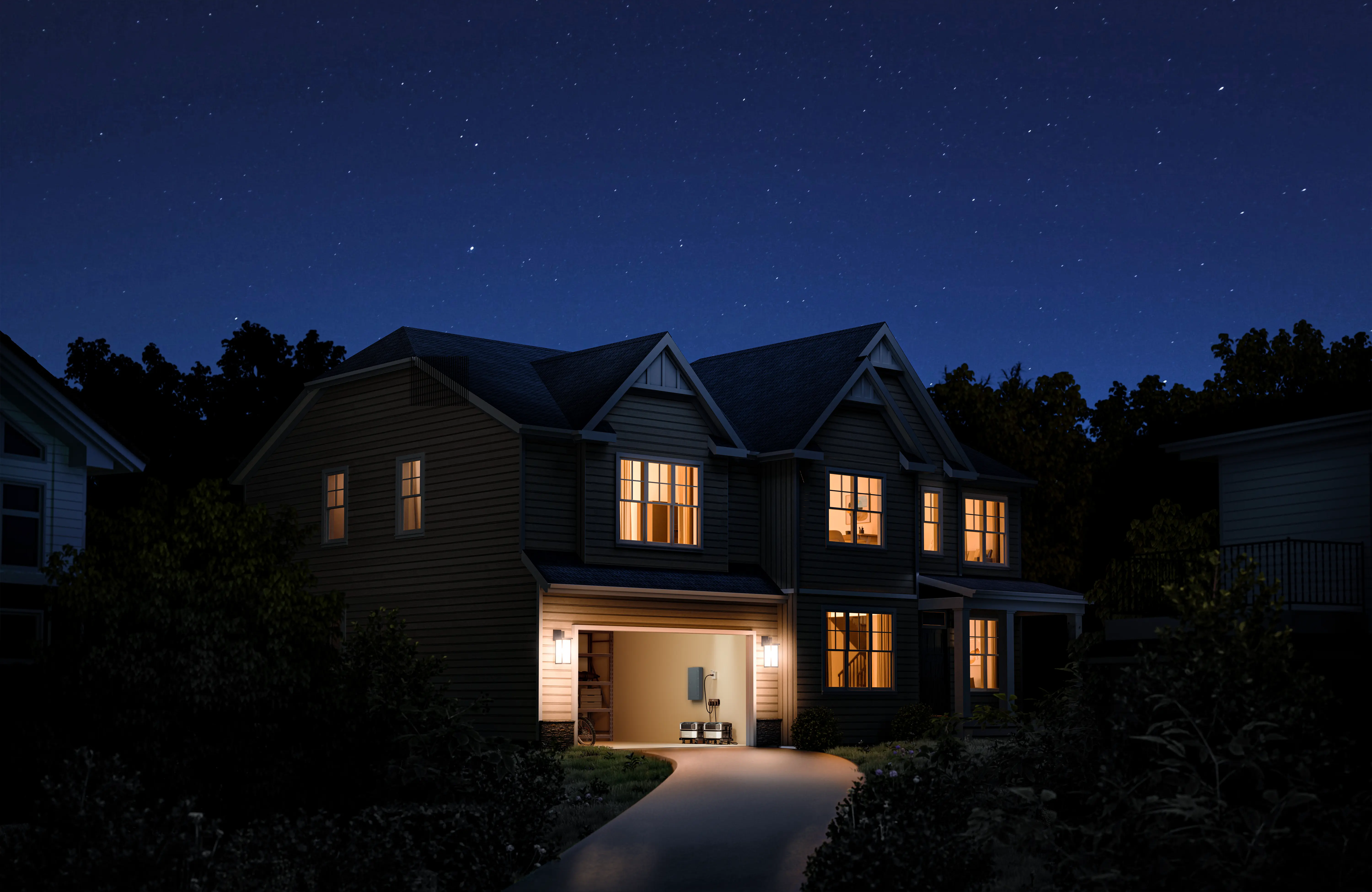
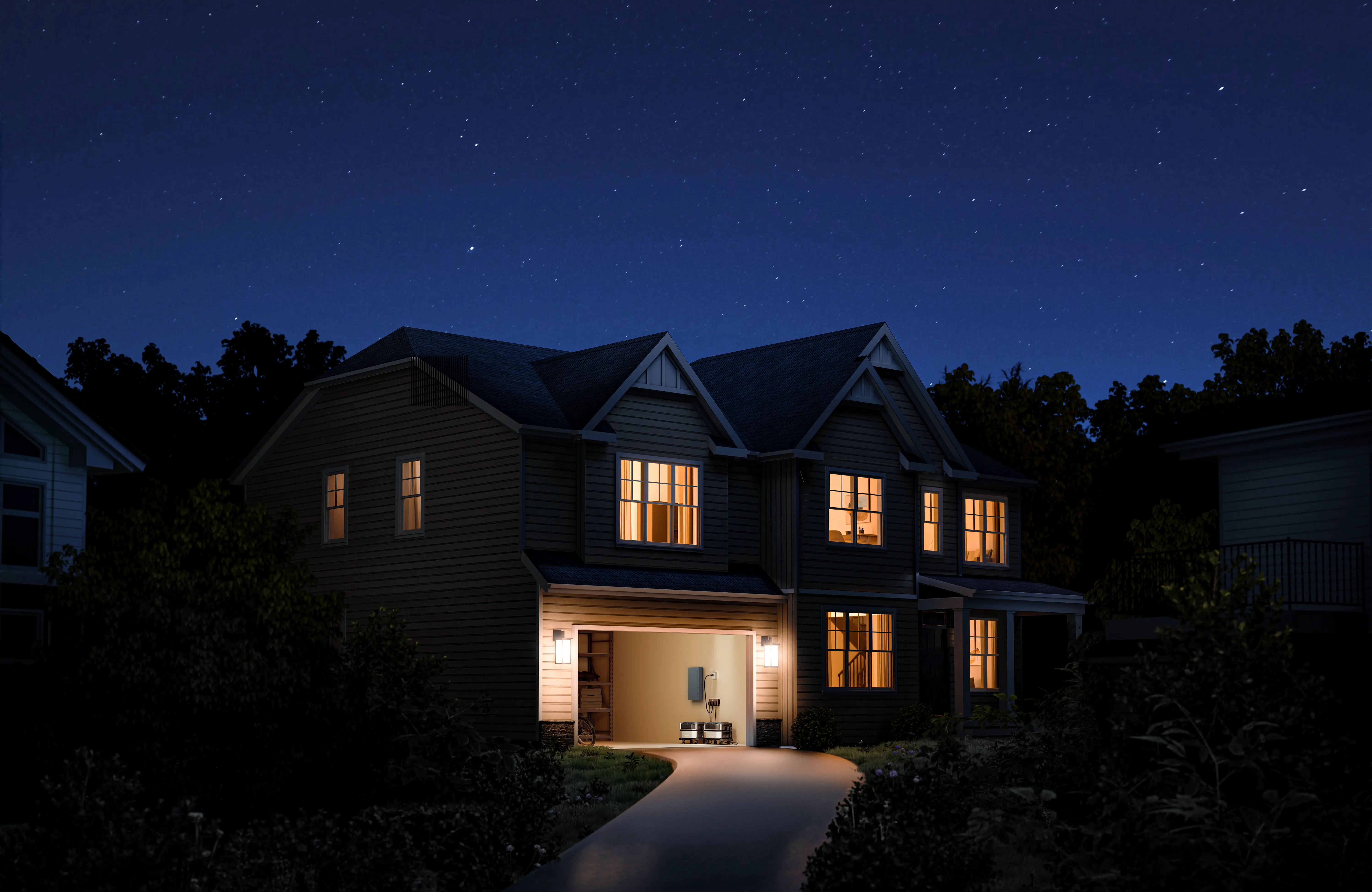
In states like California and Texas, “peak shaving” is becoming a necessity. A high-capacity home battery like the EcoFlow DELTA Pro Ultra Whole-Home Backup Power is a game-changer here. You can charge it at night when rates are dirt cheap and use that stored power to run your AC during the expensive afternoon peak. It’s modular, meaning it can power even heavy-duty central AC systems, keeping you cool while keeping your wallet full.
Energy-Saving Tips to Reduce Air Conditioner Watt Usage
You don’t have to sweat to save money. In fact, most American households can shave 10% to 20% off their cooling costs with a few simple, strategic moves. The goal? Ease the “workload” on your AC, so it pulls fewer watts and runs for shorter cycles.
Use a Smart Thermostat
Devices like Nest or Ecobee do more than just set a schedule. They learn your routine and subtly adjust the temperature when you’re away or asleep. According to the DOE, turning your thermostat back 7°–10°F for 8 hours a day can save you up to 10% annually.
Seal the Gaps
Hunt down air leaks (You’re cooling the outdoors): Feel a draft? That’s your money escaping. Use simple weatherstripping and caulk to seal gaps around windows and doors. And don’t forget the attic—proper insulation is a must. It acts as a heat shield, stopping the sun’s relentless heat from turning your ceiling into a radiator.
Clean Filters Regularly
A dirty filter restricts airflow, forcing the motor to work overtime and draw more watts. Swapping out a dirty filter for a clean one (every 1-3 months) is the easiest thing you can do for up to 15% better efficiency.
Support with Fans
A ceiling fan doesn’t cool the air; it cools you by creating a refreshing breeze. To maximize savings, you could even power your fans using a small solar generator to keep air circulating without adding to your grid consumption.
Optimize Temp Settings
Aim for 78°F when you’re home. The smaller the gap between indoor and outdoor temps, the lower your bill.
Backup Power & Energy Solutions for Air Conditioning
In 2026, with extreme weather like wildfires and hurricanes causing more frequent grid failures, “backup cooling” is no longer a luxury—it’s a safety requirement.
Can a generator run an AC?
Yes, but traditional gas generators are loud, smell like exhaust, and require you to store fuel.
Battery Backup vs. Generator Comparison
Battery backups are silent, indoor-safe, and require zero maintenance. For renters or those in condos, a battery is often the only viable option.
Backup Power Systems
For those who need flexibility, the EcoFlow DELTA Pro 3 Portable Power Station is a standout choice. It packs enough punch to run portable ACs, window units, and even some smaller central systems. Since it’s portable and supports solar charging, it’s perfect for RV life or as an emergency “cool room” solution during a summer blackout. No fumes, no noise—just cold air when the grid goes dark.
Conclusion
Understanding your AC’s wattage is the first step toward a more comfortable and affordable summer. By matching the right unit to your space and utilizing smart tech like the EcoFlow DELTA Pro series to manage TOU rates and outages, you can beat the heat without breaking the bank.
FAQ
Can I run my AC with a 3,000W inverter?
Yes, a 3,000W inverter can typically run most window and portable AC units, which usually stay under 1,500W. However, the real challenge is the startup surge of larger central units.
Does running my AC at a lower fan speed save money?
No, low fan speed usually does not save a significant amount of electricity. While the fan motor uses slightly less power, the compressor (the real energy hog) has to run longer to cool the room.
How many watts does a central AC use per hour?
A typical central AC uses between 3,000 and 5,000 watts per hour of active cooling. The exact number depends on the tonnage of the unit and its SEER rating.
What is the most energy-efficient type of air conditioner?
Ductless mini-split systems are the efficiency champions. The inverter technology allows them to modulate power usage rather than simply switching fully on or off.
For press requests or interview opportunities, reach out to our media team
media.na@ecoflow.com