All You Need to Know About Squall Line, Bow Echo & QLCS
- QLCS, Squall Lines, and Bow Echoes
- The Physics of Storm Development: How These Systems Form and Persist
- Identifying the Threat: Reading the Sky and Radar Images
- Real-World Impacts: When the Grid Fails and Trees Fall
- Safety Strategies: Protecting Your Family and Staying Powered
- Resilience Through Knowledge and Power Independence
- Frequently Asked Questions
Disclaimer and Safety Statement: The information provided in this article is for educational purposes only and does not replace official weather alerts. For real-time safety instructions and emergency updates, always follow the guidance provided by the National Weather Service or your local emergency management agency.
A wall of bruised purple clouds stretches across the horizon, looking more like a solid mountain range than a passing rainstorm. While most people see a simple storm, meteorologists recognize a high-energy system capable of significant destruction. Understanding the differences between squall lines, bow echoes, and the broader category of linear systems is the first step in protecting your home and family when the atmosphere turns violent.
QLCS, Squall Lines, and Bow Echoes
Identifying the specific type of storm heading your way is essential for accurate risk assessment. These technical terms describe the physical shape and the internal dynamics of an approaching weather system.
The Broad Category of Quasi-Linear Convective Systems
A Quasi-Linear Convective System (QLCS) is a type of organized mesoscale thunderstorm system that forms in a linear or slightly curved structure, often associated with strong wind and heavy rain.
The word "quasi" is used because these lines are rarely perfectly straight. They often have bends, gaps, or ripples along their leading edge. A QLCS can stretch for hundreds of miles and affect multiple states at once. Unlike isolated individual storms that pop up on a hot summer afternoon, a QLCS is a massive and coordinated weather event that moves with significant forward speed and energy.
What Is a Squall Line and How It Functions
Squall lines are a type of QLCS characterized by a long, organized line of thunderstorms that can be narrow or wide and often produce heavy rain and strong winds.
These squall line thunderstorms frequently form along or ahead of cold fronts. Because they are so well organized, they can maintain their intensity for many hours. They sweep across the landscape and bring a sudden and violent shift in weather conditions as they pass through a region. According to the official NWS glossary definition of a squall line, these systems are officially recognized as any line or narrow band of active thunderstorms.
Identifying the Bow Echo Signature
A bow echo is a specific and dangerous feature that appears on weather radar within a larger storm line. As the name suggests, it looks exactly like an archer's bow. This bowing happens when exceptionally strong winds behind the storm push a section of the line forward much faster than the rest of the system. When you see a bow echo on your local weather app, it is a strong indication that damaging straight-line winds are likely occurring or imminent in that area in that specific area. This bulge is often the most violent part of the entire QLCS and signals an increased risk of property damage.
The Physics of Storm Development: How These Systems Form and Persist
Creating a persistent line of storms requires more than just heat and moisture. It takes a delicate balance of atmospheric ingredients to keep these massive systems moving without falling apart.
The Critical Role of Vertical Wind Shear
For a storm to become a long-lasting linear system, it needs vertical wind shear. This refers to a change in wind speed or direction at different heights in the atmosphere. Shear is vital because it tilts the storm's updraft. Without this tilt, the heavy rain would fall directly back down into the updraft. That action essentially chokes the storm and causes it to dissipate quickly. With strong shear, the rain falls away from the intake of warm air. This allows the system to act like a self-sustaining engine that can travel across entire regions.
Where Do Squall Lines Most Often Develop?
In North America, where squall lines most often develop is usually tied to the interaction between completely different air masses. They are most common in the Central and Eastern United States, particularly across the Great Plains and the Midwest. These regions often see the collision of cold and dry air from Canada with warm and moist air from the Gulf of Mexico. This collision creates a strong boundary which acts as the perfect nursery for a long-lived storm line to form and track rapidly eastward toward the Atlantic coast.
The Power of the Rear Inflow Jet
Every powerful QLCS has a hidden wind current known as the Rear Inflow Jet. As the storm moves forward, cooler and drier air is pulled from the back of the system in the middle levels of the atmosphere. This air is then accelerated toward the front of the storm line. If this jet becomes strong enough, it punches through the storm and hits the ground. This process, combined with the storm’s cold pool dynamics, helps cause the line to bow outward.
The jet is responsible for the most extreme wind damage, often mimicking the destruction of a large tornado but spread over a much wider geographic area.
Identifying the Threat: Reading the Sky and Radar Images
You do not need a degree in meteorology to spot a developing threat. By knowing what to look for visually and on digital radar, you gain precious minutes to prepare.
Visual Warnings: The Shelf Cloud
The most striking visual cue of an approaching QLCS is the shelf cloud. This is a low and horizontal wedge-shaped cloud that appears to be rolling toward you at the leading edge of the storm. It is formed by the outflow of rain-cooled air from the thunderstorms hitting the warm air at the surface. While it looks terrifying, the shelf cloud itself is not a tornado. Instead, it marks the exact arrival of the gust front. This is the point where winds will suddenly shift and gust to very high speeds.
Decoding Radar Signatures of Impending High Winds
When looking at a radar reflectivity map on your phone or television, look for a vibrant and thin line of red and orange pixels. If the line has a scalloped appearance or a noticeable bulge, that is your primary warning of a bow echo. Professional meteorologists also look at velocity data, which shows wind speed and direction. A bright couplet of alternating colors on the leading edge can indicate a rapidly rotating spin-up. According to the NSSL guide to thunderstorm types, recognizing these signatures provides the best tool for issuing timely severe thunderstorm warnings.
Real-World Impacts: When the Grid Fails and Trees Fall
The passage of a linear storm is usually a high-impact event. While heavy rain is significant, intense wind is the primary culprit behind the widespread damage left behind.
Straight Line Winds and Structural Damage
Most damage from a QLCS is caused by straight-line winds, which can easily exceed 80 or 100 miles per hour. A severe thunderstorm is officially defined by the NOAA Storm Prediction Center as one that produces winds of 58 miles per hour or greater. Unlike the circular and twisting winds of a tornado, these winds blow in one consistent direction. They knock over miles of power lines, snap large tree branches, and damage residential roofs. This creates a massive headache for utility companies because the destruction is not localized to one single street. It can span multiple counties and lead to total power outages that last for several days.
Can Squall Lines Produce Tornadoes?
One of the most common safety questions is can squall lines produce tornadoes. The answer is a definitive yes. While they are structurally different from the classic tornadoes produced by isolated supercell storms, QLCS tornadoes can be dangerous due to their rapid development and limited warning time. They tend to form very quickly along the leading edge of the storm line and are frequently hidden by sheets of heavy rain. Because they develop so fast, there is often very little lead time for a warning. This makes it essential to take immediate shelter as soon as a severe thunderstorm warning is officially issued for your county.
Safety Strategies: Protecting Your Family and Staying Powered
Preparation is the only reliable way to mitigate the risks of extreme weather. Knowing how to protect physical safety and maintain your quality of life during a blackout is essential.
Immediate Safety Actions During the Event
When a severe thunderstorm warning is issued for an approaching storm line, you should treat it as a serious severe weather warning requiring immediate shelter, similar in urgency to a tornado warning. Move to the lowest floor of your home and put as many solid walls as possible between you and the outside environment. Avoid windows completely because high winds can easily loft heavy debris through glass. If you are in a mobile home or a vehicle, find a sturdy permanent building immediately. Mobile structures are particularly vulnerable to the intense straight-line winds produced by a bow echo. The NWS Safety Guide emphasizes that an interior room is the safest place during these events.
Maintaining Power with Portable Backup Systems
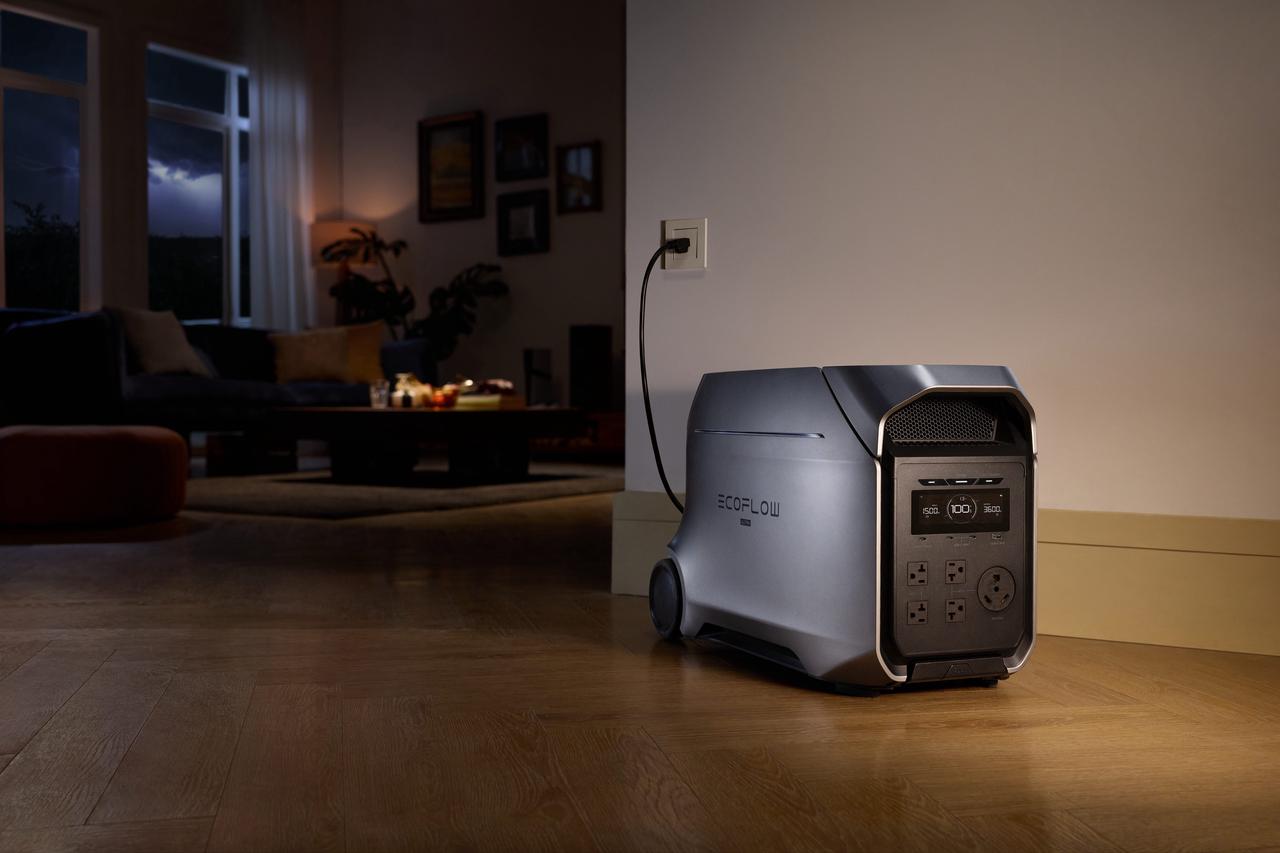
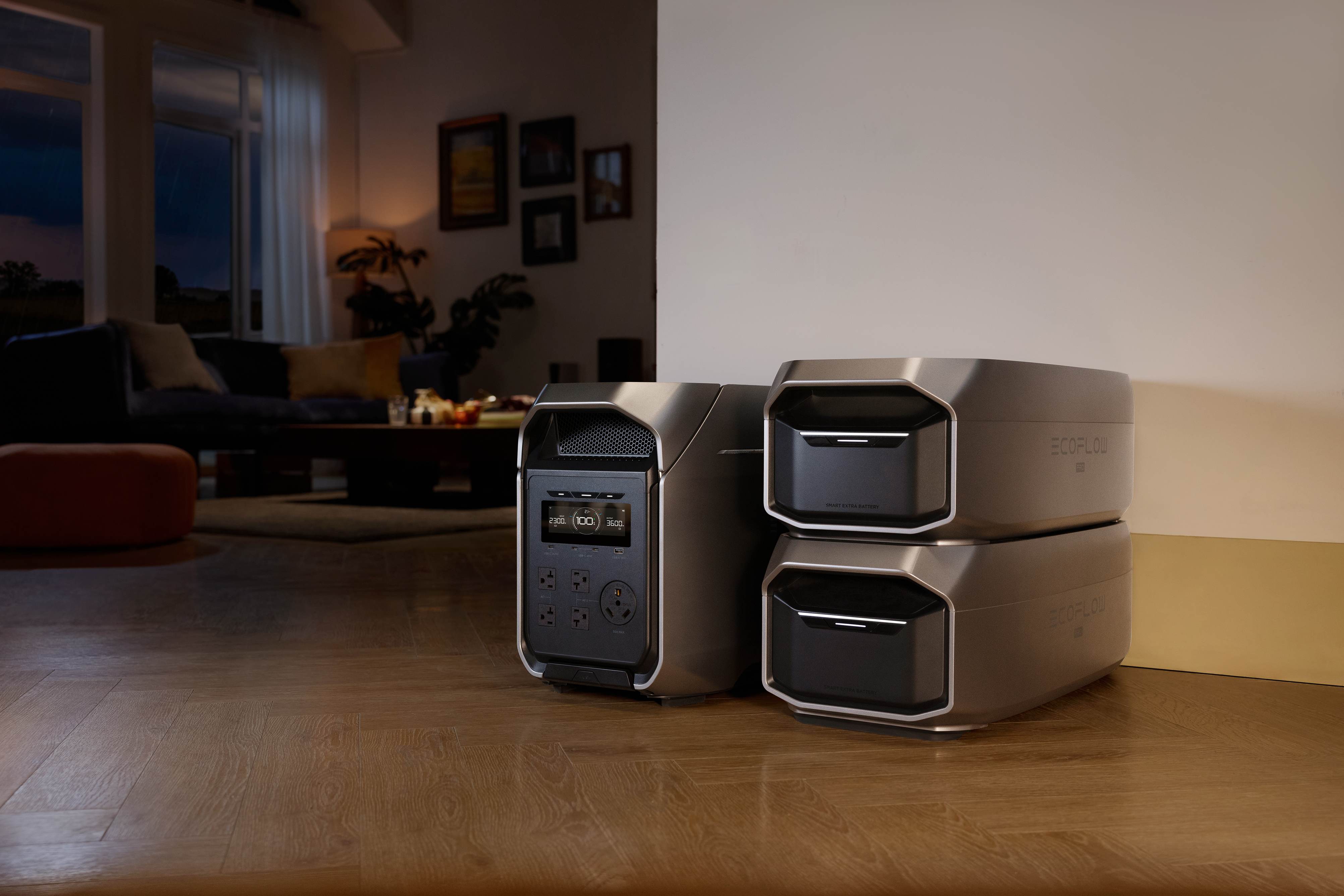
When straight-line winds snap utility poles, a reliable home backup system becomes crucial for safety and communication. The EcoFlow Delta 3 Ultra Plus offers a high-capacity solution to keep essential appliances like refrigerators and medical devices running during extended outages. By pairing it with a 500W Solar Panel, homeowners can harness renewable energy to recharge the unit even when the municipal grid is offline for several days. This portable and emission-free power station ensures your family stays safe, connected, and comfortable while utility crews manage regional repairs.
Resilience Through Knowledge and Power Independence
Understanding the mechanics of severe weather allows you to anticipate the extreme dangers of high winds before they arrive at your doorstep. By combining basic meteorological awareness with a robust home power backup strategy, you effectively protect your family's safety and daily comfort. Whether the regional grid goes offline for a few hours or a full week, staying informed and energy independent keeps you completely in control. Evaluate your emergency preparedness kit today and consider upgrading your backup power options to stay resilient ahead of the next major storm season.
Frequently Asked Questions
Q1: What Is the Difference Between a Squall Line and a QLCS?
A QLCS is the broad technical category for any organized line of storms. A squall line is a specific, long, and continuous type of QLCS that usually forms along a weather front. All squall lines are QLCS events, but not all QLCS formations are strictly squall lines.
Q2: How Dangerous Is a Bow Echo Compared to a Tornado?
A bow echo can be just as destructive as a small to medium tornado, but it affects a drastically larger area. While a tornado might destroy a few houses on a single block, a bow echo can easily knock down trees and power lines across an entire city.
Q3: Why Do Some Storm Lines Bow Outward?
Bowing is caused by a Rear Inflow Jet. This is a stream of very fast-moving air that catches up to the storm from behind. It pushes the center of the line forward rapidly, which creates the distinct bow shape visible on weather radar.
Q4: How Long Does a Squall Line Last?
Depending on atmospheric conditions, a line of storms can last for more than 24 hours and travel over 1,000 miles. These exceptionally long-lived and highly destructive wind events are sometimes categorized officially as derechos if they meet specific distance and wind speed criteria.
Q5: What Is a Shelf Cloud?
A shelf cloud is a low-hanging, wedge-shaped cloud found at the immediate leading edge of a storm. It marks the arrival of cold outflow winds. It is usually followed immediately by a sudden increase in wind speed and very heavy rain.
For press requests or interview opportunities, reach out to our media team
media.na@ecoflow.com